Retirees who paid large stamp duty bills say they cannot afford further property levies. Reports suggest Prime Minister Andy Burnham's government has considered replacing council tax and stamp duty with either a land value tax or a 0.48% annual property levy, though no immediate plans have been confirmed. Experts warn any change must credit recent stamp duty payments to avoid unfairness, while think tanks say expanded relief for older homeowners could free up hundreds of thousands of family homes.
‘We Paid £80,000 In Stamp Duty — We Can't Afford More Property Taxes’: Retirees Fear New Levies
Stamp duty tax
Valerie Jones and her husband paid £80,000 in stamp duty when they bought their family home in Studham, a small village in the Chilterns, a few years ago. Now retired, they worry that proposed changes to property taxation could push their household finances to breaking point.
What Is Being Discussed?
Reports suggest Prime Minister Andy Burnham's government has explored a major overhaul of housing taxes that could abolish council tax and stamp duty in favour of either a land value tax (based on the value of the land itself) or an annual levy of around 0.48% of a property's value. Mr Burnham has sought to distance himself from claims these reforms are imminent, saying the government is not "bringing forward plans on that scale at this moment in time." Nevertheless, the debate has already unsettled buyers and homeowners.
How Homeowners Are Reacting
For many who recently paid large lump sums in stamp duty, the prospect of a fresh annual charge feels unfair and destabilising. Jones says the one-off bill already altered retirement plans and tightened the couple's budget as they support both children and elderly relatives.

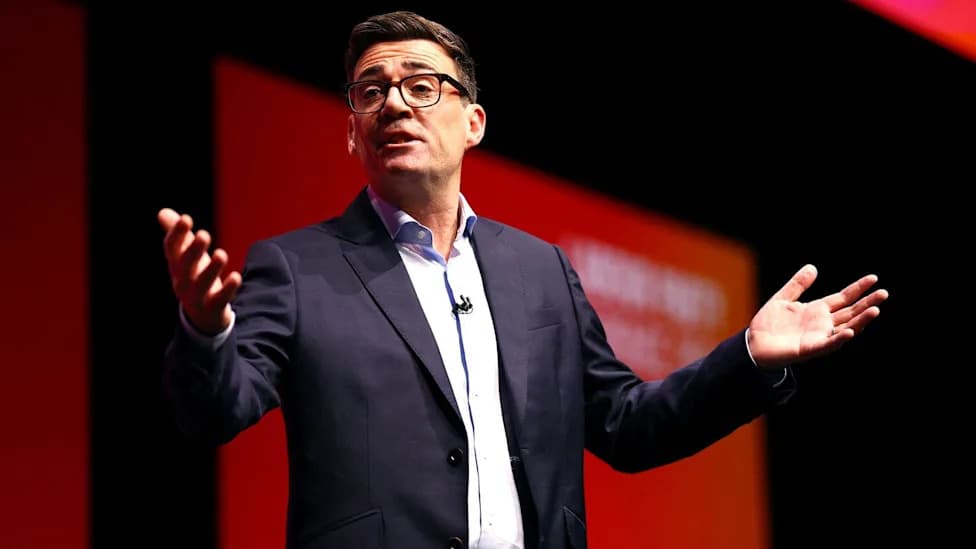
Andy Burnham has not ruled out future changes to the way homes are taxed - Anadolu
"If I've got to pay another £2,500 a year — for nothing as far as I'm concerned — that is a holiday that I won't have, or maybe I won't change my car," says Jones, 65.
Another homeowner, who gave his first name only as Andrew, says he paid more than £150,000 in stamp duty when he bought a £2m house in Weybridge in 2021. He warns that an additional annual levy would shatter the "implicit agreement" he relied on when purchasing the property.
"I can afford to live in that house and retire in it because I sort of understand what the cost structure will be," he says. "If [a new tax] was going to be say £20,000 a year, the decision would be to leave."
Numbers And Policy Proposals
HM Revenue & Customs reports stamp duty receipts of about £18bn in 2024–25, with projections that receipts could rise to roughly £28bn by the end of the decade, largely driven by sales in London and the South East. Think tank Radix Big Tent recommends expanding stamp duty relief for those over 65, estimating that such relief could release up to 870,000 family homes onto the market and help tackle under-occupation.
Equity, Fairness And Transitional Protection
Tax experts warn any major shift should recognise past payments. Dan Neidle, founder of Tax Policy Associates and a former tax lawyer, says those who recently paid substantial stamp duty would expect that outlay to be credited against any new land value tax. "Without this kind of discount," he warns, "people would be furious, and I think they would be right. It would be a desperately unfair result."
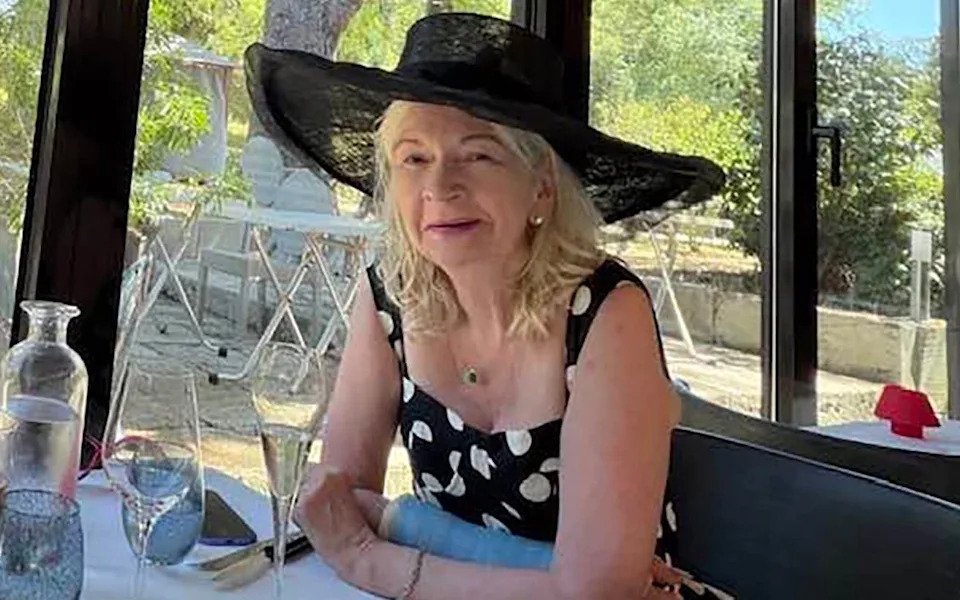
Gabrielle Teare, who already has hefty service charges to pay, says a new property tax would be 'massively unfair'
Concerns From Long-Term And Cash-Poor Owners
Residents in high-cost areas voiced particular alarm. Gabrielle Teare, who has lived in Kensington since 2000 and faces hefty service charges, describes a potential annual levy as "massively unfair" because many long-term owners are "asset rich but cash poor." She adds that wealthy residents are already leaving: "Thirty of my friends have left and they're all the top 1pc of earners. Who is going to pay the tax if you keep hitting the top 1pc? They'll just go."
Behavioural Effects And Local Decisions
Uncertainty about future taxes is already shaping decisions. Jones and her husband abandoned plans to buy a small field next to their house after concerns that lowering a mansion-tax threshold could push their combined property into a higher bracket. The couple also say they might be more accepting of higher taxes if they trusted the government to spend the revenue effectively.
What Comes Next?
The government has not tabled immediate plans but the conversation about replacing stamp duty and council tax with a land value tax or a property-value levy has raised serious questions about fairness, transitional arrangements and regional impacts. For homeowners who recently paid large stamp duty bills, the immediate demand is clear: any new levy should account for past payments or risk sharp public backlash.
Key voices: Homeowners across income levels, tax experts like Dan Neidle, and think tanks such as Radix Big Tent are central to the debate as policymakers consider how to balance revenue, fairness and housing market incentives.
Help us improve.