Summary: A Pennsylvania mother reports police were called four times after she allowed her children, ages 5, 7 and 9, to walk and play nearby unsupervised in Bala Cynwyd. In each case officers found no evidence of neglect. Advocates argue that vague language in Pennsylvania's neglect statute invites subjective judgments, and House Bill 1873 aims to protect routine, age-appropriate independent activities. The bill advanced out of committee in late 2025 and awaits further legislative action.
Pennsylvania Mom Says Police Were Called Four Times for Letting Her Kids Play Outside — Push Grows for ‘Reasonable Childhood Independence’ Bill

Midjourney
Whenever Gordon lets her sons play outside now, she cleans the house first. "All right, my kid just went around the block to his friend, let me sweep," she says. "Because I know if the house is clean, that's the first step toward making a good impression on Child Protective Services. It's a bizarre thought process, but—"
Four Welfare Checks Over Ordinary Childhood Freedom
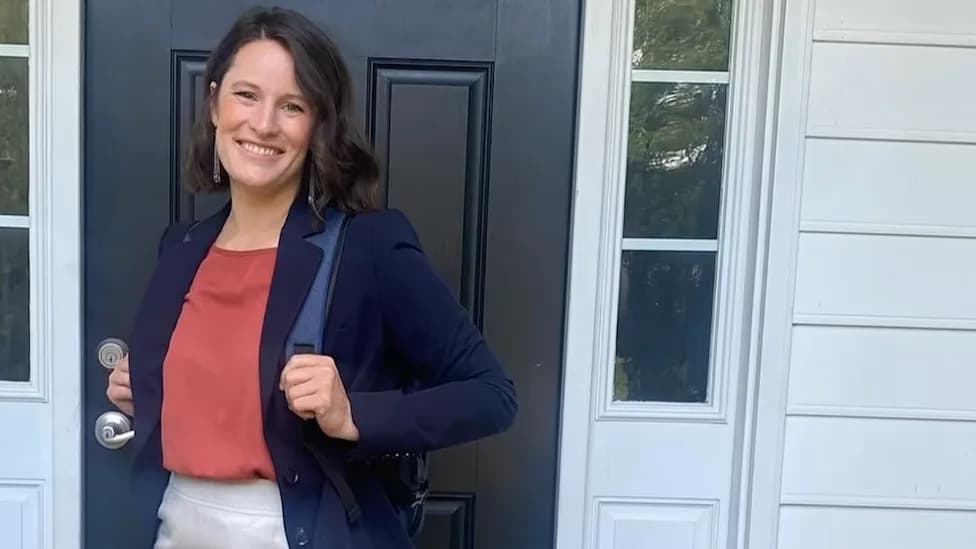
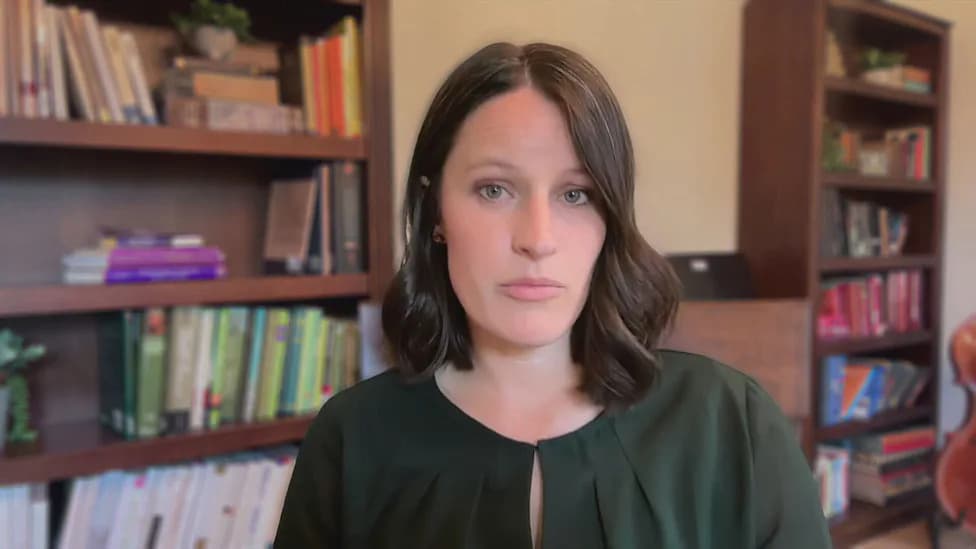
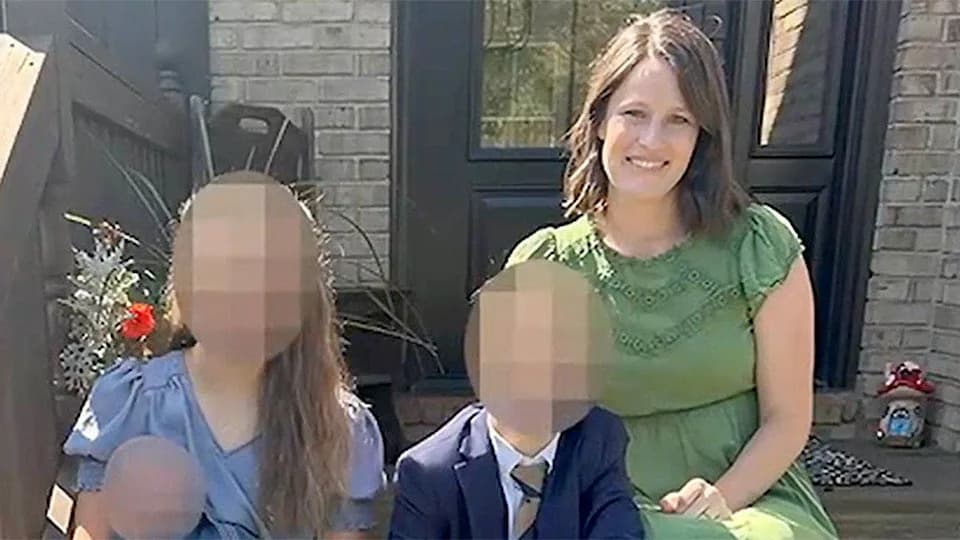
Gordon (who asked that her first name not be used) says authorities were called on her four separate occasions for allowing her children—ages 5, 7 and 9—to walk and play in Bala Cynwyd, a suburb of Philadelphia. Reason reviewed private messages Gordon exchanged with friends that corroborate her account.
Incident 1
About 18 months ago, Gordon was working in the garden while the boys were around the corner, never more than a few hundred feet away. She had given them a phone to play Pokémon Go, and a woman allegedly called to ask if they were lost. The woman then called police; by the time officers arrived the children were nearly home. Gordon recalls her 6-year-old insisting on explaining Pokémon Go to an officer, which she thinks shortened the visit.
Incident 2
While at a small gym across the street, Gordon allowed her 5-year-old to step onto the sidewalk briefly to look for Pokémon. He returned quickly, but a bystander who had seen him alone either spoke to Gordon or called police. An officer checked and found no signs of danger, later telling the bystander, "No, there's nothing further I can do. There's no signs of abuse or neglect."
Incident 3
Gordon once allowed her 7-year-old to walk back alone across quiet streets after he decided to head home. Pickleball players at the corner asked the boy if he was lost; he pointed to his house. Police were called, spoke with Gordon's husband, and concluded there was no cause for concern.
Incident 4
On another walk to drop books in a little free library, the 7-year-old lingered to "ride" a plastic elephant in front of a dealership while Gordon and the younger child continued down the block because the younger son needed to use the bathroom. The boy routinely made that walk and arrived home a few minutes later; shortly after, an officer knocked saying someone had reported a lost child near the BMW dealership — suggesting a caller had followed the family home.
"Credit must be given to the officers who treated these calls as welfare checks and did not escalate them," the story notes. But the incidents highlight how easily any phone call can set the machinery of the state in motion.
Context: Childhood Independence and The Law
While it has become less common to see children as young as five unsupervised, many child-development experts say some children are ready for short, independent trips by that age. Parents of multiple children say they cannot constantly hover over every child—situations like one child needing to run home while others remain at a playground are common.
Pennsylvania lawmakers are considering House Bill 1873, the "Reasonable Childhood Independence" bill, which would amend the state neglect statute to exclude long-standing, age-appropriate independent activities such as walking to school, playing outside, or being home alone for a reasonable time. Kathleen Creamer, managing attorney of the Family Advocacy Unit at Community Legal Services of Philadelphia, says the current law's requirement to provide "proper" care is vague and invites subjective judgments and bias. The bill advanced out of committee in late 2025 and awaits further action by state legislators.
Why It Matters
Gordon and her husband bought their home across from a playground so their children could enjoy outdoor play and neighborhood independence. "What's the point of living across from a playground if my kids can't go there?" she asks. Her experience raises broader questions about community norms, bystander assumptions, and where to draw the line between legitimate concern and unnecessary intervention.
Note: The incidents described are based on Gordon's account and private messages reviewed by Reason; responding officers in each case reportedly concluded there was no neglect.
Help us improve.