New research shows eggs existed long before chickens: egg-laying animals appeared about 540 million years ago, and embryogenesis mechanisms may date back ~600 million years. Evolution works gradually, so a bird very close to a chicken likely laid the egg that hatched the first true chicken. Developmental biology traces many embryo-formation processes to ancient molecular systems repurposed over time. Overall, the evidence favors the egg as the predecessor.
Scientists Confirm: The Egg Came Long Before the Chicken — Here’s Why
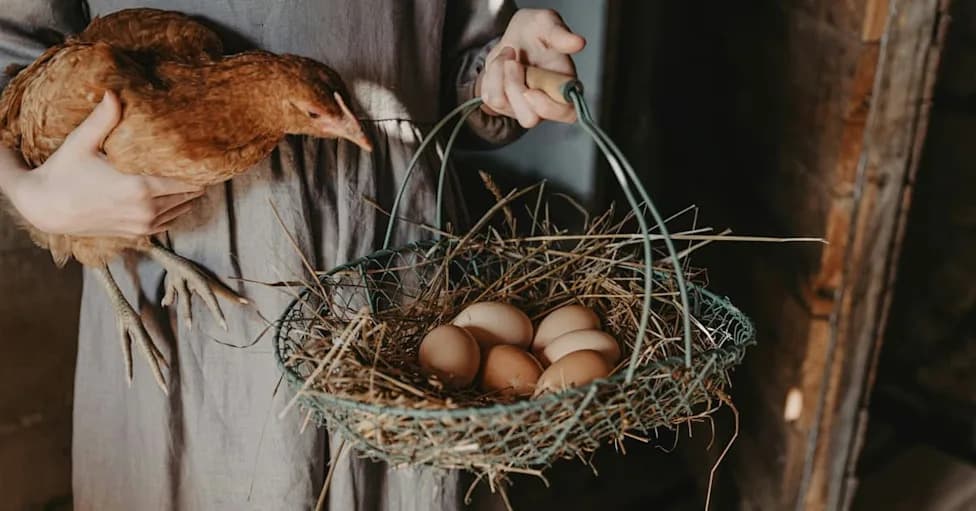
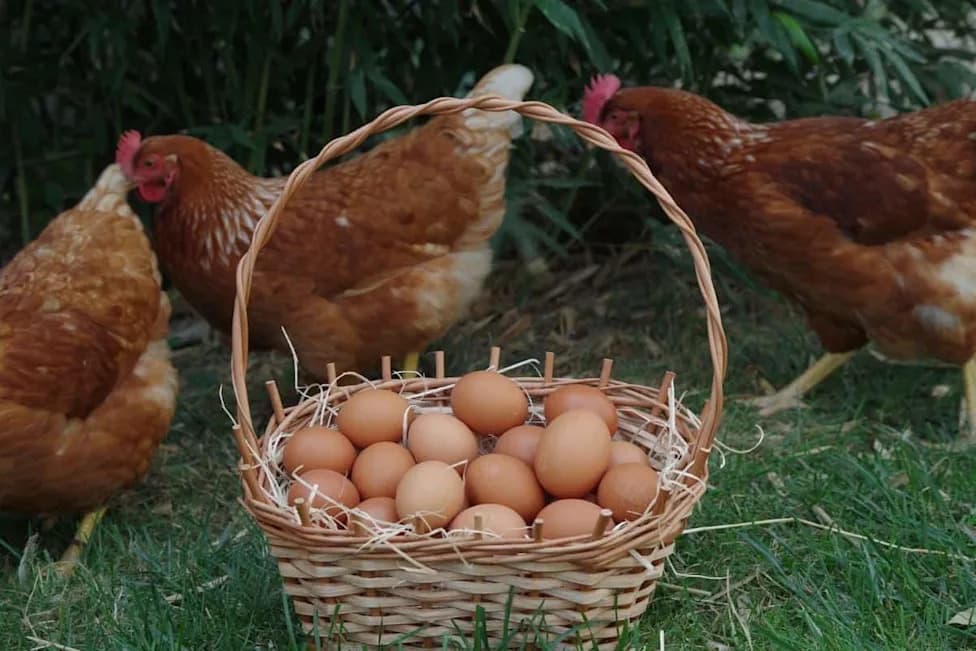
The chicken loses the famous debate as science reveals eggs existed long before the first chickens evolved on Earth. | ©Image Credit: Anita Austvika / Unsplash
Scientists say the centuries-old riddle of whether the chicken or the egg came first now has a clear answer: the egg long predates chickens. New research and a broad review of fossil and developmental biology evidence show that egg-based reproduction existed hundreds of millions of years before birds evolved, reframing the familiar puzzle as a deep evolutionary story.
How Evolution Resolves the Paradox
Ancient philosophers like Aristotle treated the question as a paradox: if chickens come from eggs, where did the first egg come from? Modern evolutionary biology reframes the problem. Species do not appear in a single instant; they arise through many small genetic changes accumulated across generations. At some point, a bird very close to—but not quite—a chicken laid an egg that contained the genetic combination defining the first true chicken. In that sense, the egg that produced the first chicken existed before the chicken itself.
Eggs Are Far Older Than Birds
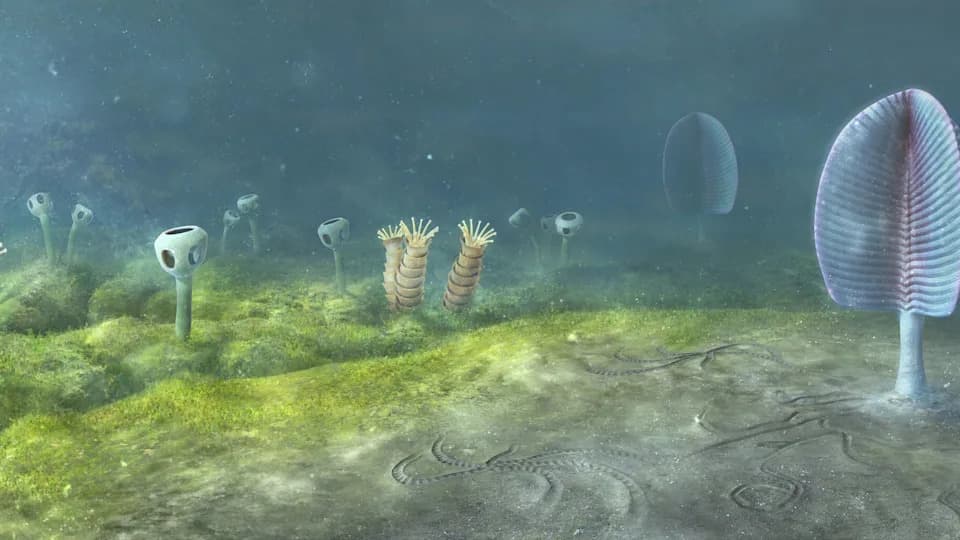
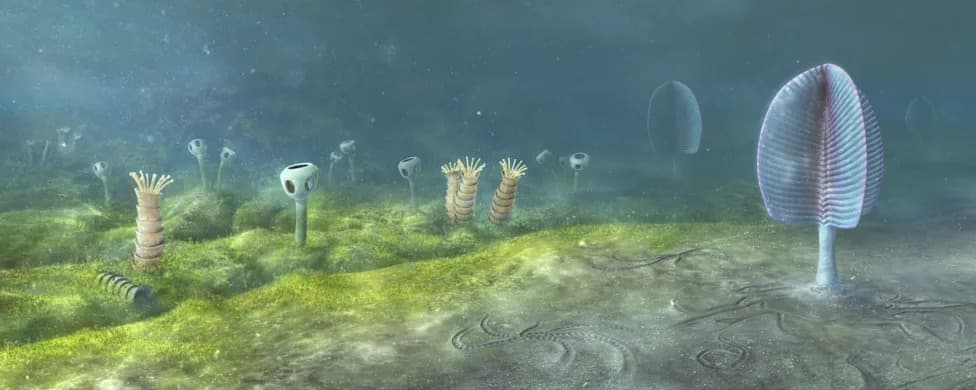
Fossil evidence indicates that egg-laying animals appeared roughly 540 million years ago—long before the first birds. Fish, reptiles and dinosaurs were laying eggs millions of years before chickens appeared. The egg was an effective evolutionary strategy for protecting and nourishing embryos in a developing environment, and that strategy was adopted and refined by many lineages.
Developmental Biology Connects Deep Time to Modern Animals
Researchers in developmental biology have traced many molecular processes that govern embryogenesis back hundreds of millions of years. Some studies suggest the core mechanisms for forming embryos may date to around 600 million years ago, and key molecular systems appear even in very early, microscopic life forms. These ancient systems were repurposed over evolutionary time to support increasingly complex, multicellular organisms.
What This Means
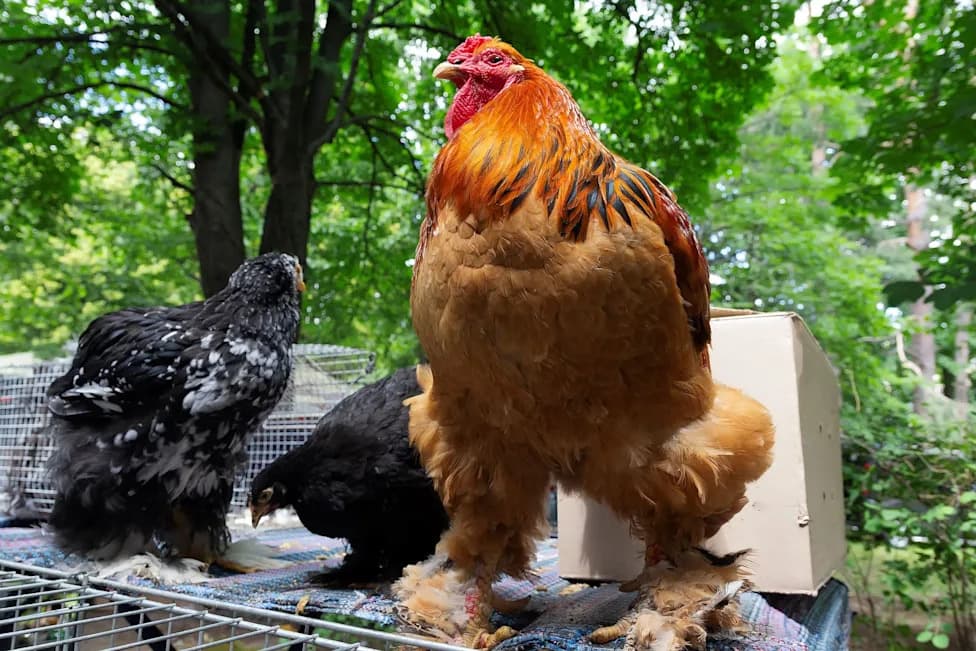
Put simply, the egg is an ancient evolutionary tool that long preceded chickens. The domestic chicken, Gallus gallus domesticus, descends from the red junglefowl and was shaped by human domestication beginning roughly 8,000 years ago. But the protective egg that made the chicken’s ancestors’ development possible had already been part of life on Earth for hundreds of millions of years.
"The chicken didn’t create the egg; the chicken inherited a reproductive strategy that evolved across deep time."
Sources: Futura. Read the original on GEEKSPIN.
Help us improve.