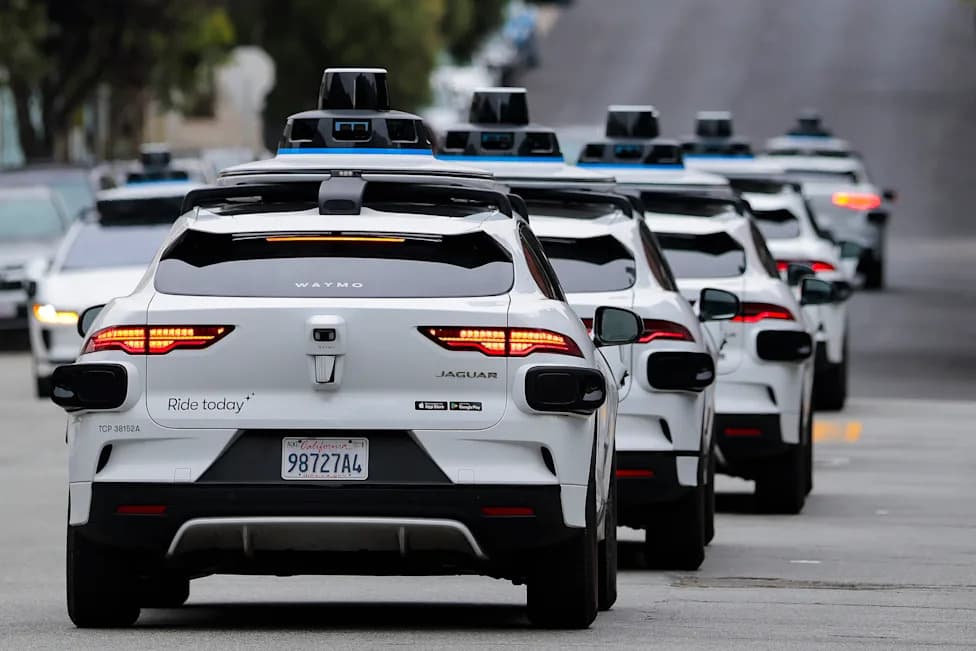
The London Assembly is pressing ministers to hand Transport for London full oversight of driverless taxi trials, arguing that central government involvement risks undermining devolved powers. The DfT plans limited tests in 2026 with a potential wider rollout in 2027, while firms including Uber, Wayve and Waymo are seeking or running passenger trials. Officials warn TfL must retain licensing control, access to safety and operational data, and a role in shaping regulation as the Automated Vehicles Act 2024 shifts collision liability to approved operators.
London Assembly Urges TfL To Take Full Control Of Driverless Taxi Trials
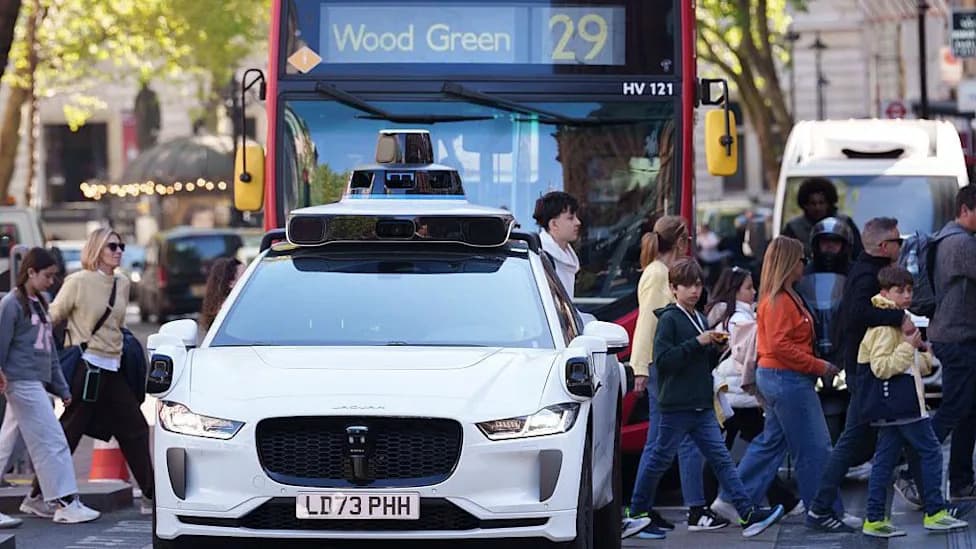
A number of firms are hoping to offer driverless taxis in London within months [Getty Images]
The London Assembly has urged ministers to give Transport for London (TfL) full oversight of driverless taxi trials, warning that central government involvement risks undermining London's devolved transport powers.
What’s happening
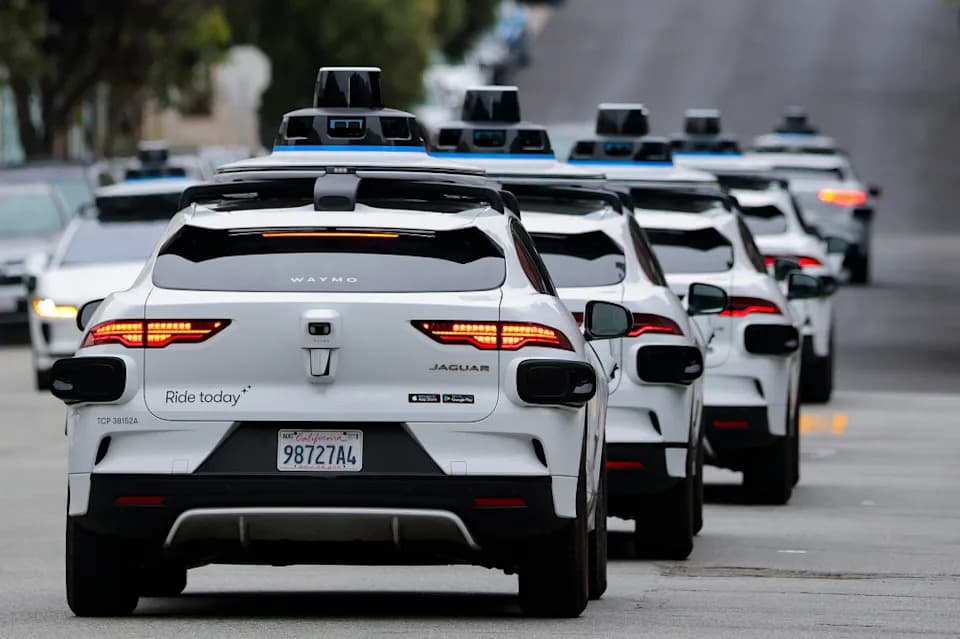
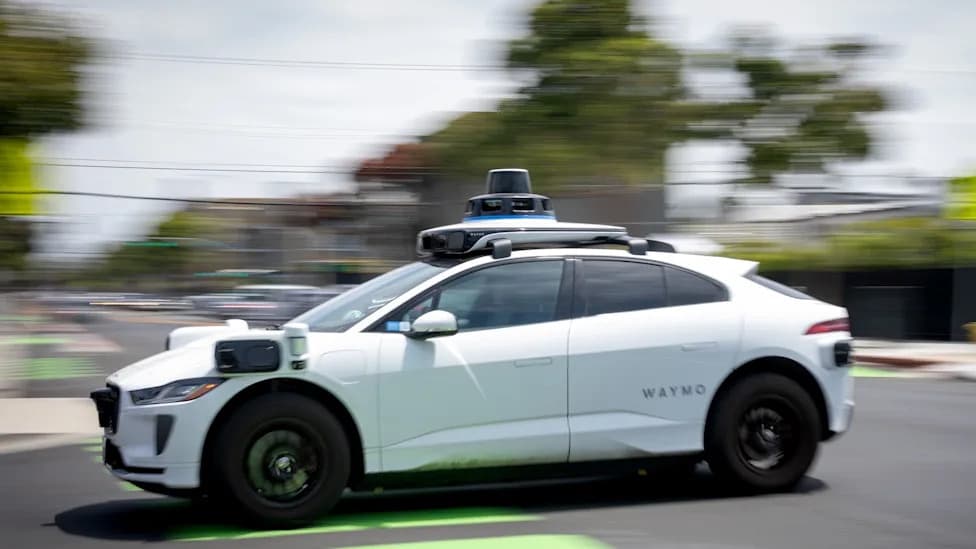
The Department for Transport (DfT) has said it will fast-track limited testing of driverless taxi and bus-like services in 2026, with a wider rollout possible in 2027. Several autonomous vehicle operators — including Uber and Wayve — are seeking government approval to carry passengers in London as early as this year, while Waymo is already running a roughly 100-strong test fleet on London streets.
Assembly and TfL concerns
"The regulation of all of this is being controlled by the government when TfL should have a licensing role in this," said Caroline Russell, chairwoman of the London Assembly Transport Committee. "We're all a bit surprised because this is a new technology but the government has been controlling these trials and giving permission for the trials without TfL having any say."
TfL commissioner Andy Lord warned that the DfT's approach posed a "risk" of cutting across London's devolution arrangements. He told the committee in March that, to date, no trial involves TfL directly — with pilots focused on how autonomous vehicles behave on roads rather than on integrated transport services.
Legal and regulatory context
The Automated Vehicles Act 2024 established that approved operators, rather than individual drivers, will bear legal responsibility for collisions involving automated vehicles. Full implementation of the Act is scheduled for the second half of next year. The DfT has reiterated that permits for Automated Passenger Services in London cannot be issued without TfL's consent, a requirement set out in the legislation.
Lord noted, however, a potential loophole: companies could test vehicles in non-passenger roles — such as deliveries — without requiring the same licensing agreement, complicating oversight.
Why this matters
- Devolution: London leaders say licensing and local oversight should remain with TfL to protect the integrity of the city's transport network.
- Safety: TfL insists passenger-carrying services must meet regulatory approvals that align with the mayor's Transport Strategy and Vision Zero goals.
- Jobs and communities: Councils and local stakeholders have raised concerns about potential job losses for taxi and private-hire drivers.
- Data and transparency: The Assembly wants clarity on what operational and safety data companies will collect and share with local authorities.
Next steps
The London Assembly Transport Committee says it will prioritise scrutiny of how decisions are made and how trials are authorised, pressing for clear rules that safeguard safety, data access and local licensing powers. Both TfL and the DfT say they are working together ahead of any future pilots.
Help us improve.