Hartlepool nuclear power station, online since 1983, has been cleared to operate until 2030. Regulators such as the Office for Nuclear Regulation require extensive testing and evidence before approving life extensions. While many reactor components can be replaced or refurbished, the AGR graphite core degrades irreversibly and ultimately limits operational life. Critics point to persistent challenges around radioactive waste disposal and long, complex decommissioning timelines.
Hartlepool Nuclear Plant Approved To Run Until 2030 — How Safe Is Life Extension?
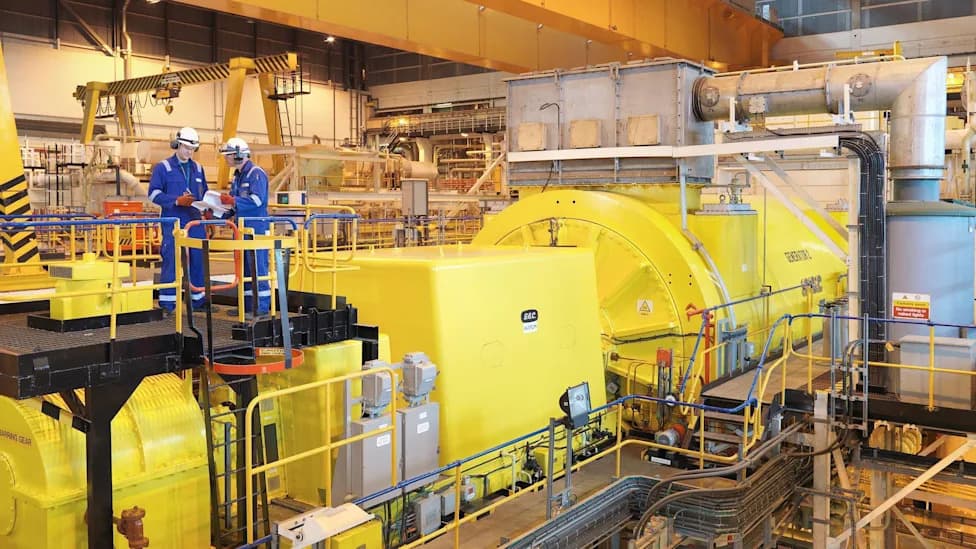
Hartlepool nuclear power station has received another lifespan extension [EDF]
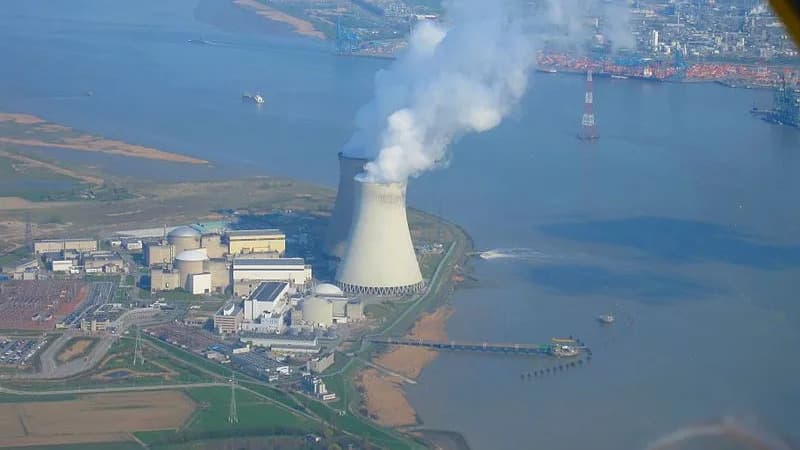
Hartlepool nuclear power station, which began generating electricity in 1983 with an original expected life of 25 years, has been granted a further operating extension, now targeting 2030. The decision has been welcomed by hundreds of employees, but it has also renewed public debate about how long ageing reactors can safely continue to operate and what limits exist on life extensions.
What Experts Say
Mark Wenman, professor of nuclear materials at Imperial College London, gives a succinct answer: "Yeah, absolutely." He emphasises that the Office for Nuclear Regulation (ONR) is a "very stringent regulator" and will not licence continued operation without robust evidence that it is safe to do so. EDF — which operates Hartlepool and took control of the UK's operating nuclear fleet in 2009 — says the new date is a forecast and that precise end-of-life timing depends on regular inspections and judgment by EDF and the ONR.
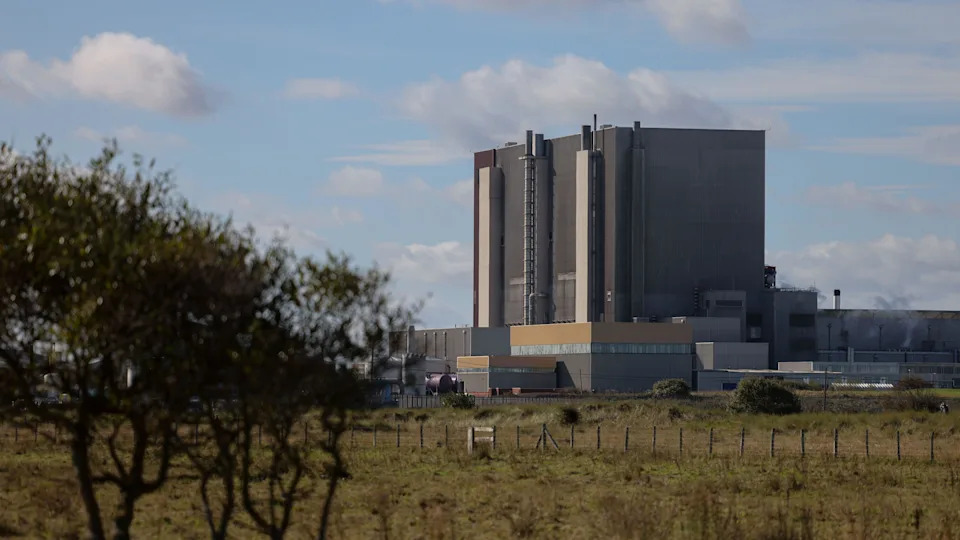
Hartlepool nuclear power station came online 43 years ago [EDF]
How Extensions Work
Wenman asks people to think of licence extensions like a vehicle's MOT. Many components in an advanced gas-cooled reactor (AGR) can be replaced, refurbished or upgraded: pumps, valves, turbines and other auxiliary equipment are routinely inspected and renewed. EDF also uses testing and computer modelling to demonstrate equipment integrity and safety margins.
"If parts need to be replaced, like the tyres, you can replace those parts and it's still a perfectly good car," Wenman says, applying the analogy to a nuclear reactor.
What Cannot Be Replaced
Some critical parts cannot be renewed in an AGR. The reactor core itself is built from stacked graphite bricks roughly 10 metres high through which uranium fuel is channelled. Over decades the graphite suffers cracking, weight loss and other irreversible degradation. Wenman warns that once the core graphite reaches the end of its life, so does the reactor.
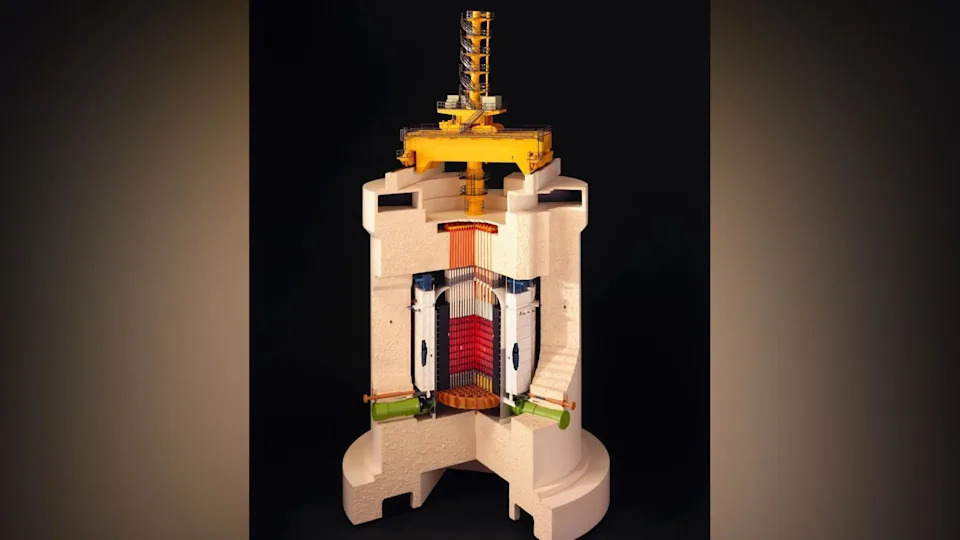
A model of the Heysham 2/Torness advanced gas-cooled reactor (AGR) in 1988 [Getty Images]
Waste, Decommissioning and Future Use
Opponents point out that nuclear power generates radioactive waste that requires long-term management. Campaign groups such as Friends of the Earth say there is still no fully satisfactory answer for some aspects of long-term waste disposal. The UK government is searching for a site for a geological disposal facility to store high-level waste that will remain hazardous for thousands of years.
Decommissioning an AGR is lengthy and complex because many internal components remain highly radioactive. Often parts of a reactor are left in place for years to allow radioactivity to decay before dismantling. Wenman expects the current AGR structure at Hartlepool will remain on site for many years after generation ceases, though he believes a new reactor could be sited elsewhere on the same site in future because the location already has much of the regulatory and grid infrastructure in place.
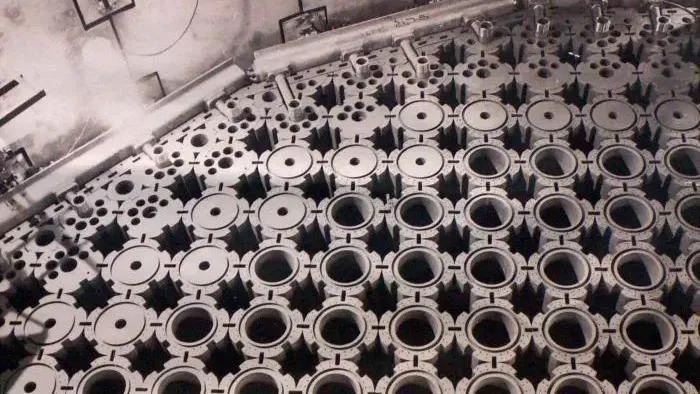
Uranium fuel is channelled through the graphite bricks [EDF]
Context And Outlook
At its peak in 1997, nuclear generation supplied more than a quarter of the UK's electricity. Today, nuclear supplies a considerably smaller share — around 5%, according to Tom Greatrex, chief executive of the Nuclear Industry Association. Future development is expected to include small modular reactors (SMRs), which produce less output per unit but promise lower upfront costs and faster construction times.
Bottom line: Life extensions for reactors such as Hartlepool are permitted when repeated inspections, testing and regulatory review show continued safe operation. However, irreversible ageing of core materials, long decommissioning times and the unresolved challenge of long-term waste disposal remain important constraints and public concerns.
Help us improve.