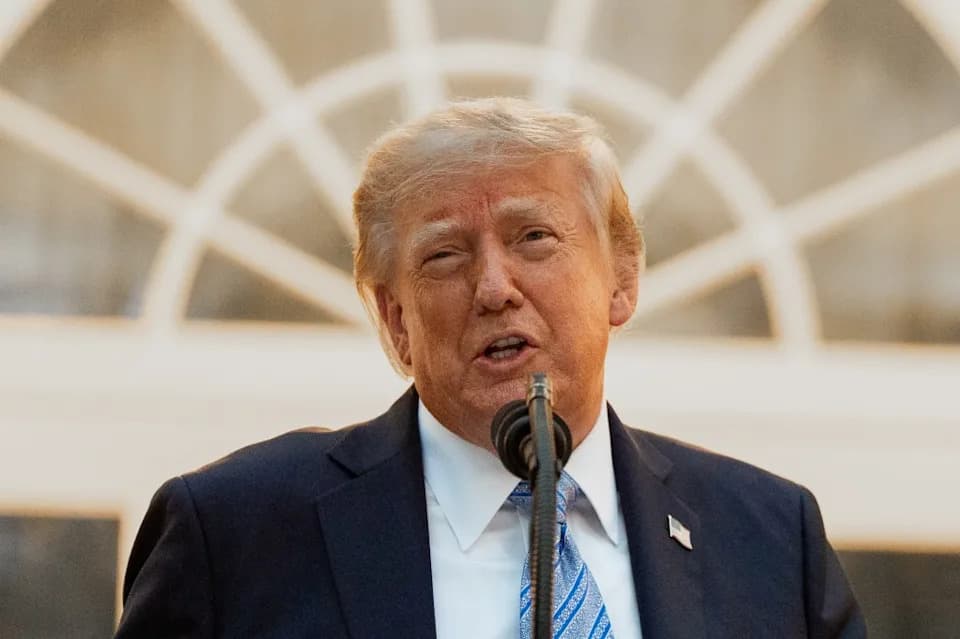
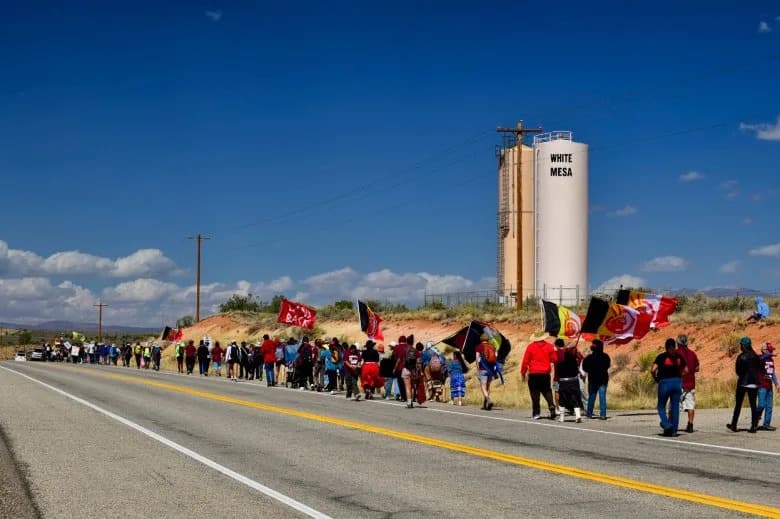
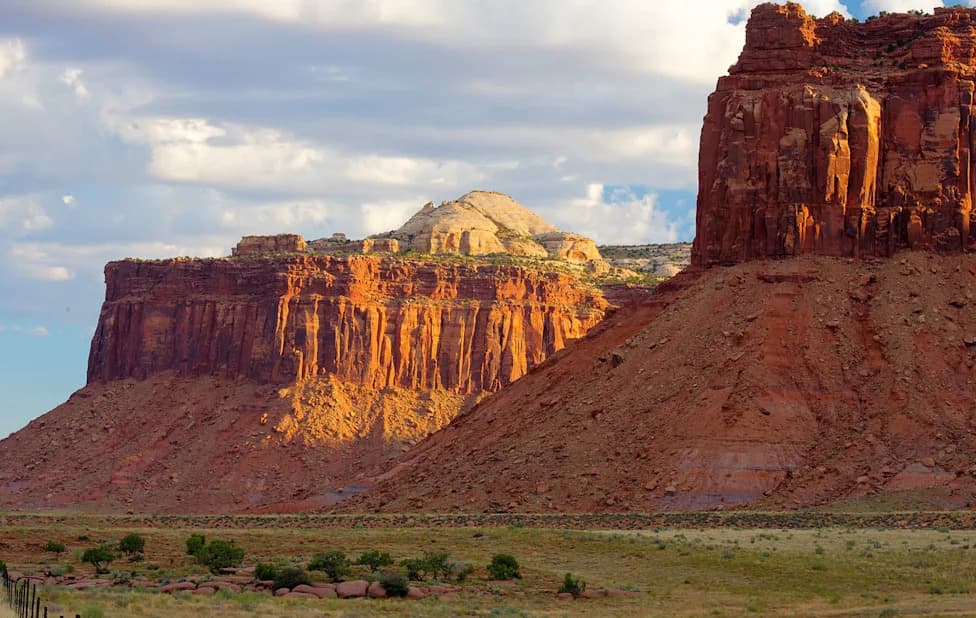
Chaco Canyon, a sacred UNESCO World Heritage site in northeast New Mexico, faces renewed pressure as the Trump Administration and the BLM move to revoke a 2023 withdrawal that created a 10-mile, 336,425-acre drilling buffer. Indigenous leaders, archaeologists, and Native environmental scientists warn the rollback threatens thousands of unexplored sites, local air and water quality, and the health and cultural life of Diné and Pueblo communities. The BLM says only about 14 new wells are possible inside the buffer, but a shortened 14-day public-comment period (deadline July 29) has intensified the contest between economic claims tied to allotment mineral rights and calls to protect sacred landscapes.
Trump Administration Moves To Reopen Drilling Near Sacred Chaco Canyon — Can The Land And Communities Be Protected?
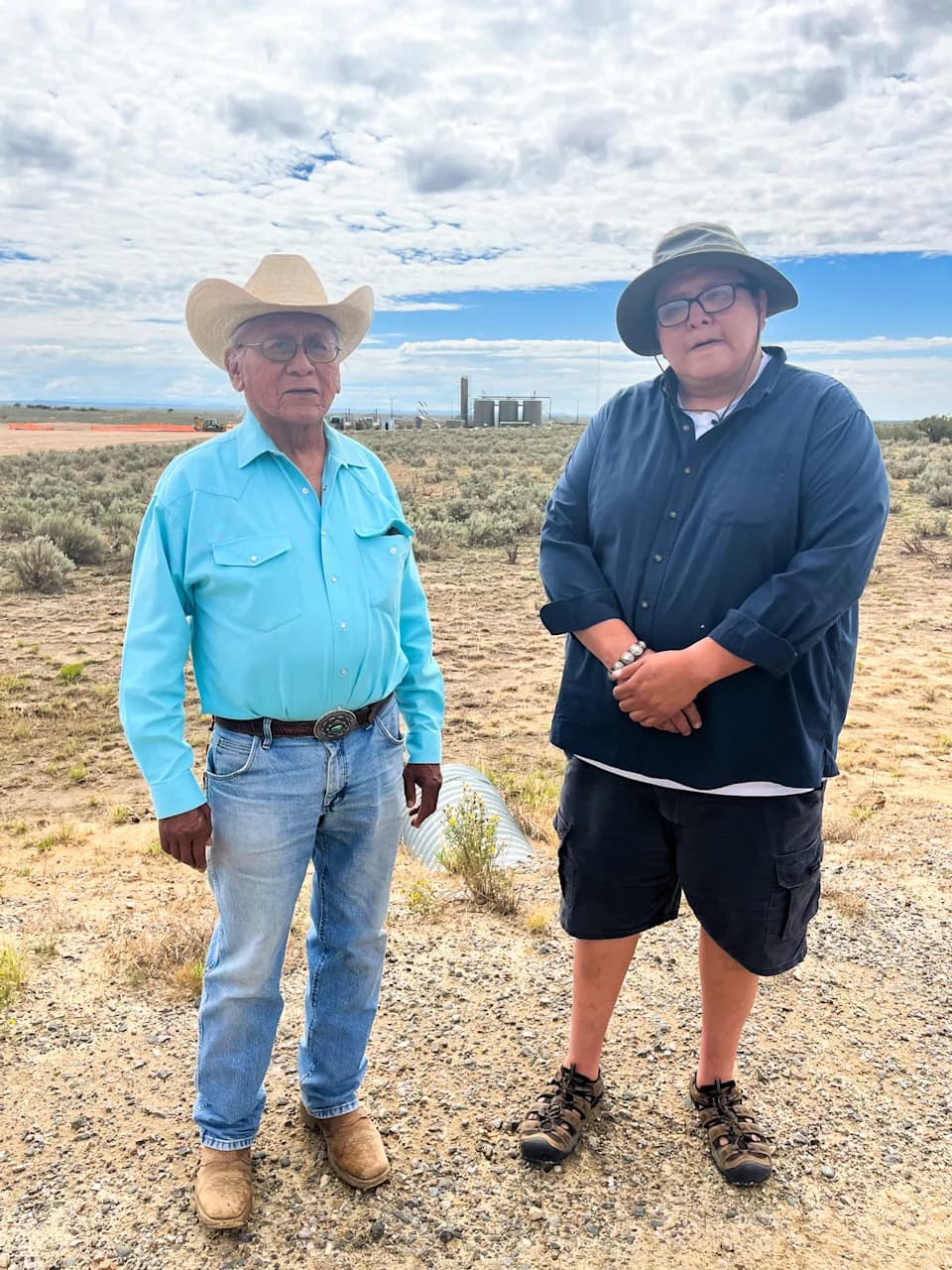
Daniel Tso and his grandson, Mario Atencio, in front of an oil well near Chaco Canyon.
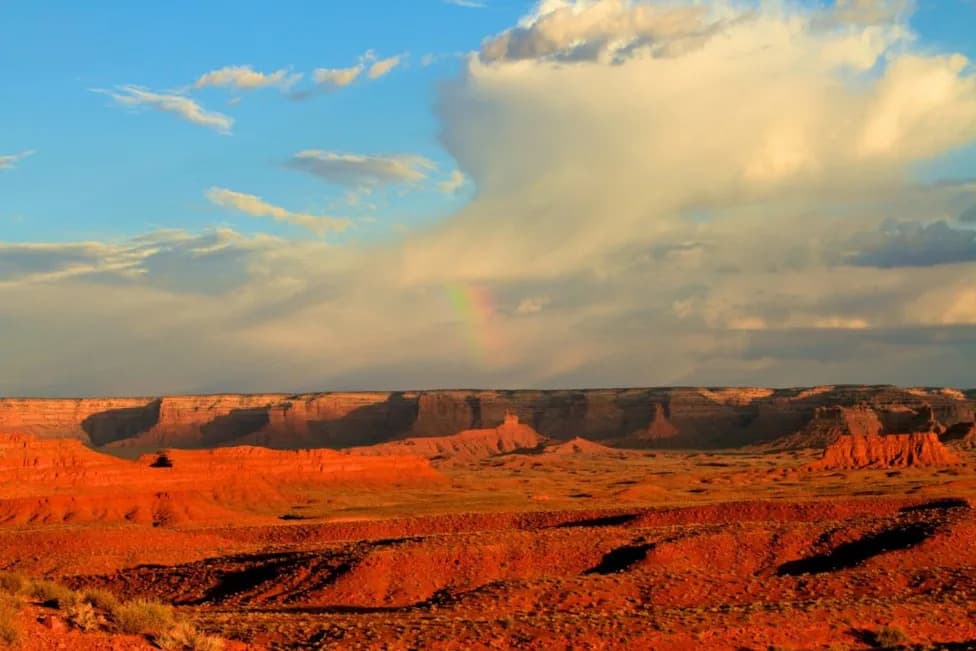
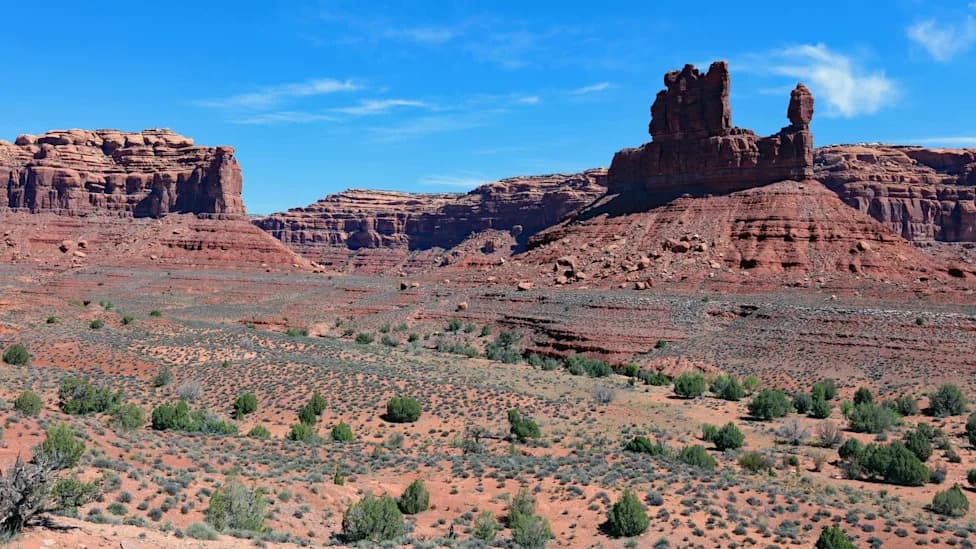
Chaco Canyon, a UNESCO World Heritage landscape in northeast New Mexico, is once again at the center of a heated national debate. After a summer storm nearly washed out the road to the park, I met with Diné organizer Mario Atencio and his grandfather, Daniel Tso, who have long fought to protect the Greater Chaco region from expanded oil and gas development. Their fight has been thrust into the spotlight as the Trump Administration seeks to roll back a 2023 federal withdrawal that created a 10-mile buffer around Chaco Culture National Historical Park.
What The BLM Is Proposing
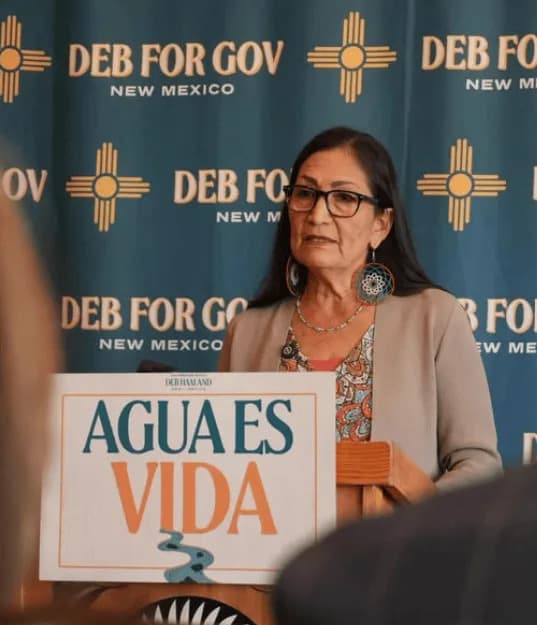
Earlier this month the Bureau of Land Management (BLM) announced it intends to "revoke the withdrawal of up to approximately 336,425 acres of public lands located within a radius of approximately 10 miles surrounding Chaco Culture National Historical Park." The 2023 withdrawal, established by then-Interior Secretary Deb Haaland, was intended to block new drilling around the park. The current proposal would shrink that buffer. The BLM also shortened the public-comment window to just 14 days, setting a July 29 deadline for remarks — a move critics say undermines public participation in a decision with wide cultural, environmental, and public-health implications.
Why Chaco Matters
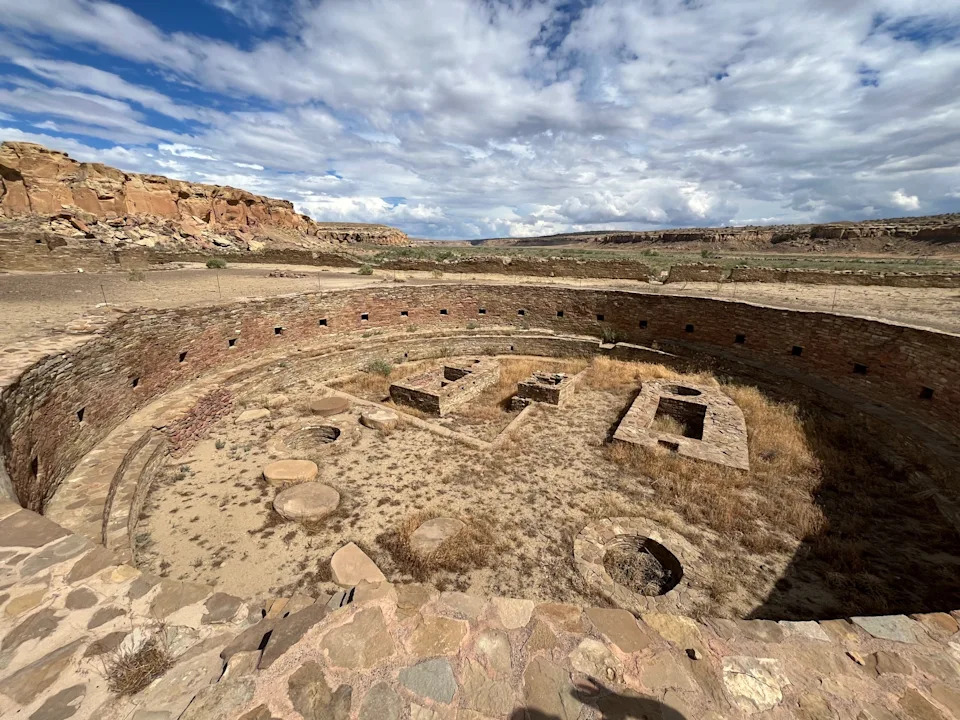
Between roughly 850 and 1250 CE, ancestral Puebloan people constructed multi-story stone buildings in Chaco that remain among the most remarkable ancient architectural complexes in North America. Archaeologists regard Chaco as an astronomically aligned ceremonial center and a hub in a vast trade and migration network stretching to what is now California and Mexico. For many Pueblo and Diné people, the canyon and the surrounding landscape are living sacred places where ceremonies and oral traditions were born.
"We're literally in the place where gods walked."
— Mario Atencio, Diné organizer
Local Lives, Private Allotments, And Competing Interests
The area outside the park is not empty. A checkerboard of small privately held parcels — allotments created under the 1887 Dawes Act — lies within the proposed 10-mile buffer. Some allotments belong to local families like Tso's, whose grandparents were removed from homes inside Chaco when the park was created in 1907. Allotment mineral rights have been a critical source of income: in 2015 the Federal Indian Minerals Office distributed roughly $96 million to 20,835 allottees.
That economic reality complicates local politics. Some Diné allotment holders favor drilling to sustain livelihoods, while tribal governments and many Indigenous activists oppose rollbacks that would open more land to development. In May, Navajo Nation leadership under President Buu Nygren (who has since lost reelection) met with the BLM and opposed the buffer; others in the community continue to push for economic opportunity tied to mineral rights.
Environmental And Health Concerns
The San Juan Basin, which borders Chaco, has been heavily drilled for decades: roughly 40,000 wells have been developed there since natural gas was first discovered in 1921. The BLM’s own assessment finds only about 14 potential new well sites inside the specific 10-mile buffer, and many major producers have left the basin, leaving smaller operators.
Still, local environmental and public-health researchers warn of cumulative impacts. Dr. Tommy Rock, a sustainability professor who led a pilot air-quality study near Chaco, detected elevated levels of benzene — a known carcinogen — in Counselor, a nearby Navajo Nation chapter. Residents of communities close to wells, including children at Lybrook Elementary School, report headaches, vomiting, and persistent odors. These findings raise concerns about air and water quality if new development intensifies and as federal environmental protections are loosened.
"The issue is not only about the national park, but also the water quality and how it's gonna damage the environment as well." — Dr. Tommy Rock
Cultural Connections And Scientific Evidence
Pueblo peoples — including Hopi, Zuni, and smaller Pueblos such as Acoma and Taos — are also direct descendants of Chacoan communities. For many Pueblo people, cultural and ecological concerns are inseparable. Dr. Doreen Bird of Santo Domingo Pueblo described a spiritual and ancestral connection to Chaco that is expressed through ceremony, pottery, songs, and stories. In 2025, genetic testing provided additional evidence linking Picuris Pueblo to ancient Chacoan populations — a fact that some communities can point to when seeking recognition of deep cultural ties to the landscape.
Sovereignty, Policy, And The Path Forward
The debate around the BLM proposal touches on sovereignty, private property and mineral rights, environmental health, archaeological preservation, and Indigenous religious freedom. Supporters of drilling emphasize the importance of mineral revenue to local families and livelihoods; opponents warn that even limited new drilling risks harming sacred places, unexplored archaeological sites, and the health of nearby communities.
With the shortened comment period, advocates on both sides scrambled to submit feedback before the July 29 deadline. The outcome of this process will shape not only land-management policy in the Chaco region but also broader questions about how the United States balances energy development with Indigenous rights, cultural preservation, and environmental justice.
Next Steps: Interested readers should consult the BLM docket for the formal proposal, consider submitting public comment, and follow updates from tribal governments, local organizers, and independent scientists monitoring air and water quality in the region.
Help us improve.