The CDC-led review of records from four Atlanta-area hospitals confirmed about 450 invasive mold cases from 2020–2024, with roughly one-third of patients dying during hospitalization. Hospitals could expect about 3–5 cases per 100 inpatient beds annually, with higher rates at large academic centers. Many patients were immunocompromised or weakened after COVID-19. Researchers urged expanded surveillance and preparedness as climate-related disasters and an aging population may raise future risk.
CDC Study: Invasive Mold Infections in Atlanta Hospitals Highlight Underrecognized, Potentially Deadly Risk
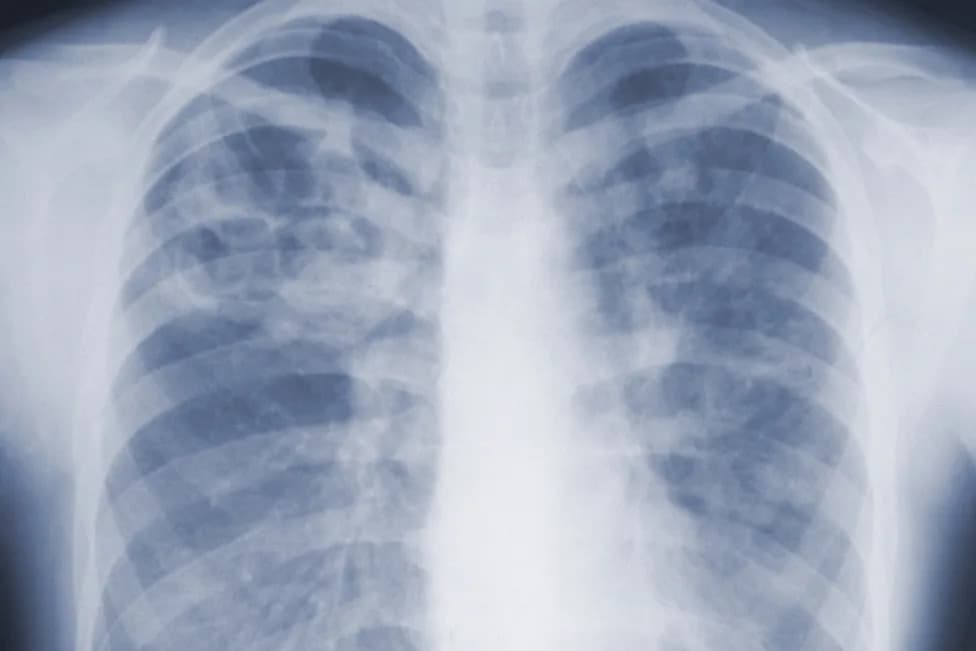
This 1967 chest x-ray photo provided by the U.S. Centers for Disease Control and Prevention shows pulmonary aspergillosis caused by a fungal organism of the genus Aspergillus. (CDC via AP)(CDC via AP)
A first-of-its-kind U.S. study published by the Centers for Disease Control and Prevention finds invasive mold infections are a more significant — and sometimes deadly — health threat than is widely appreciated.
Study Findings
Researchers working with four Atlanta-area hospitals and their affiliated outpatient clinics reviewed records from 2020 through 2024 and confirmed roughly 450 cases of invasive mold disease. About one-third of patients died while hospitalized.
The team initially flagged nearly 1,000 potential cases, then narrowed the count to approximately 450 after excluding patients who showed signs of mold exposure but did not meet the study's criteria for invasive disease.
What This Means For Hospitals
Based on the data, hospitals might expect to see roughly 3 to 5 cases per year for every 100 inpatient beds. Rates were higher at larger academic medical centers, which tend to treat more complex and severely ill patients.
It’s kind of the first time we’ve had an estimate like this, said Dr. Jeremy Gold, the study's senior author at the CDC.
Who Is Most At Risk
Invasive mold illnesses are caused by certain fungal species. Infection commonly begins when people inhale mold spores, though spores can also enter the body through cuts or wounds or from contaminated medical equipment. For most healthy people, spores do not cause severe harm, but they can be life-threatening for older adults, people with cancer and others with weakened immune systems.
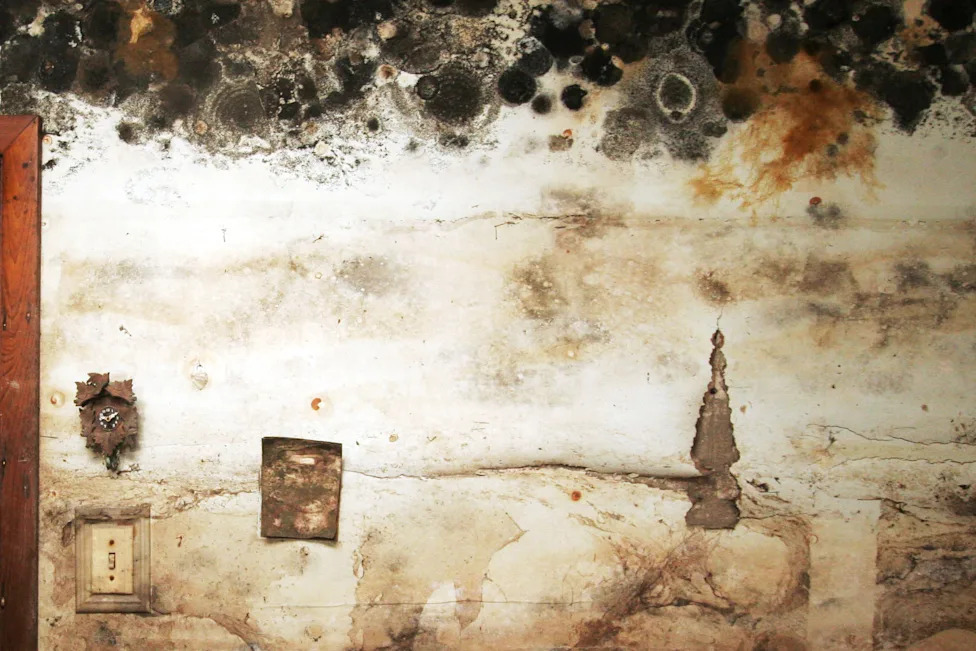
FILE - Mold grows on the walls of a home in the Gentilly area of New Orleans Tuesday, June 12, 2007, damaged by the floodwaters from Hurricane Katrina. (AP Photo/Alex Brandon, File)(AP Photo/Alex Brandon)
Many patients in the Atlanta study had impaired immune systems; a notable subset appeared vulnerable after severe illness with COVID-19.
Limitations And Next Steps
The study did not attempt to determine where each patient was first exposed to mold, and infections can occur in hospitals or other settings. The authors also cautioned that findings from the Atlanta area may not generalize to regions with different environmental conditions or health-care patterns.
Still, the results give hospital administrators a benchmark to judge whether their local case counts are within expected ranges or suggest an outbreak. Researchers and outside experts urged similar surveillance studies in other parts of the country to better define the national burden.
Why This Matters
Experts said the problem could grow as climate-driven floods, hurricanes and other extreme weather events increase mold exposure, and as the population ages and more people live with conditions that weaken immunity. Enhanced surveillance and infection-prevention efforts in health care settings may help detect and limit dangerous outbreaks.
The Associated Press Health and Science Department receives support from the Howard Hughes Medical Institute's Department of Science Education and the Robert Wood Johnson Foundation. The AP is solely responsible for all content.
Help us improve.