India’s NEET crisis — which triggered protests and the education minister’s resignation — has accelerated a push to reform the National Testing Agency. A task force led by Nandan Nilekani recommends computer‑based testing, but experts and the Supreme Court stress that CBT alone will not prevent leaks. The 2024 and 2026 scandals exposed vulnerabilities at different stages (transit vs inside the agency), underscoring the need for stronger governance, phased CBT adoption, equity measures and reduced reliance on a single high‑stakes exam.
NEET Protests Expose Limits Of Tech: Why Computer Tests Alone Won't End India's Exam Leaks
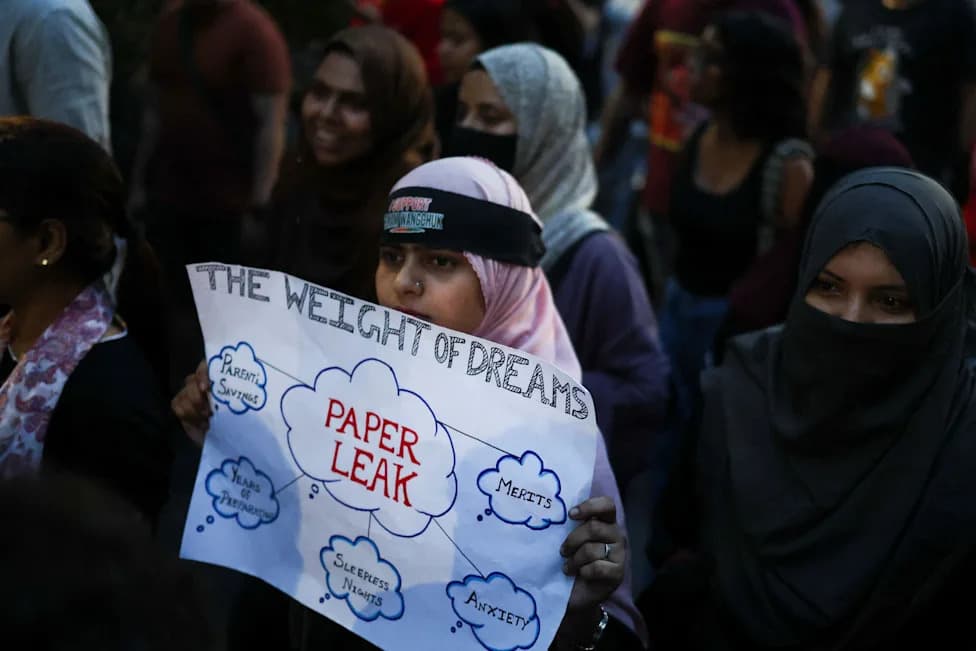
There were countrywide protests against question paper leaks in July [Reuters]
The row over the National Eligibility cum Entrance Test (NEET) — which sparked nationwide protests, the resignation of Education Minister Dharmendra Pradhan and allegations that exam leaks contributed to student suicides — has intensified calls to reform how India runs high‑stakes entrance exams. A government task force led by Nandan Nilekani has recommended moving large national tests to computer‑based testing (CBT). Experts and the Supreme Court, however, warn that technology by itself cannot fix deeper problems of trust, governance and perverse incentives.
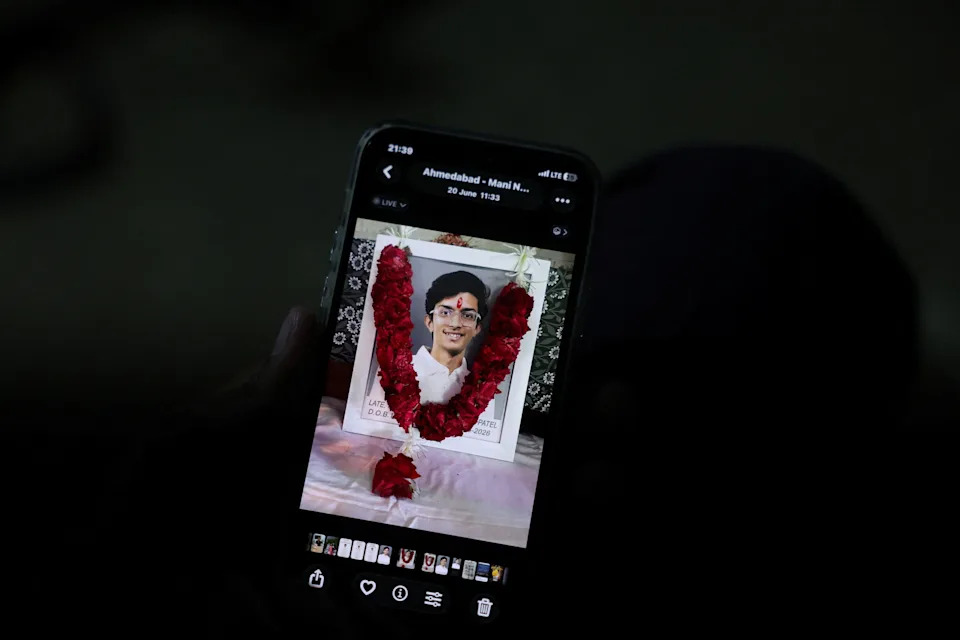
Kahaan Patel, 17, was among more than 20 students whose families blamed exam paper leaks for their suicides [Reuters]
What Happened: Two Different Kinds Of Leaks
The NEET controversies of 2024 and 2026 exposed vulnerabilities at different points in the exam process. In 2024 the alleged breach occurred after printing, when sealed trunks were reportedly tampered with during transit to exam centres. Investigators said the breach involved a limited number of people and the Supreme Court declined calls for a re‑test.
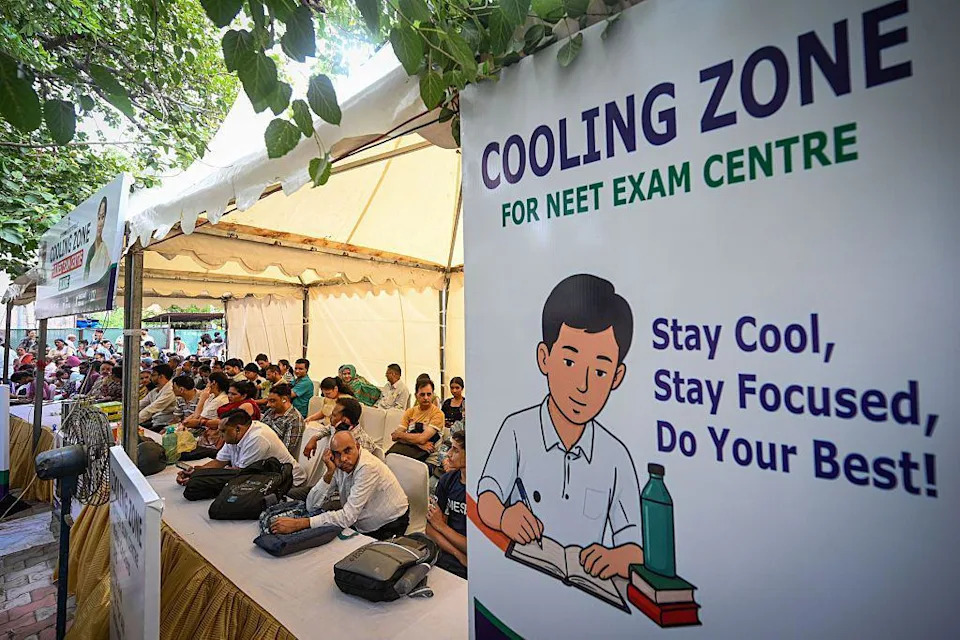
Parents of candidates wait at a cooling station outside a centre in Delhi - NEET is one of the most competitive exams in the world [Hindustan Times via Getty Images]
By contrast, the 2026 leak is alleged to have originated inside the National Testing Agency (NTA) before question papers left the organisation, with teachers and insiders accused of leaking content. Officials say safeguards around printing and distribution worked as designed; the weakness was at the source.
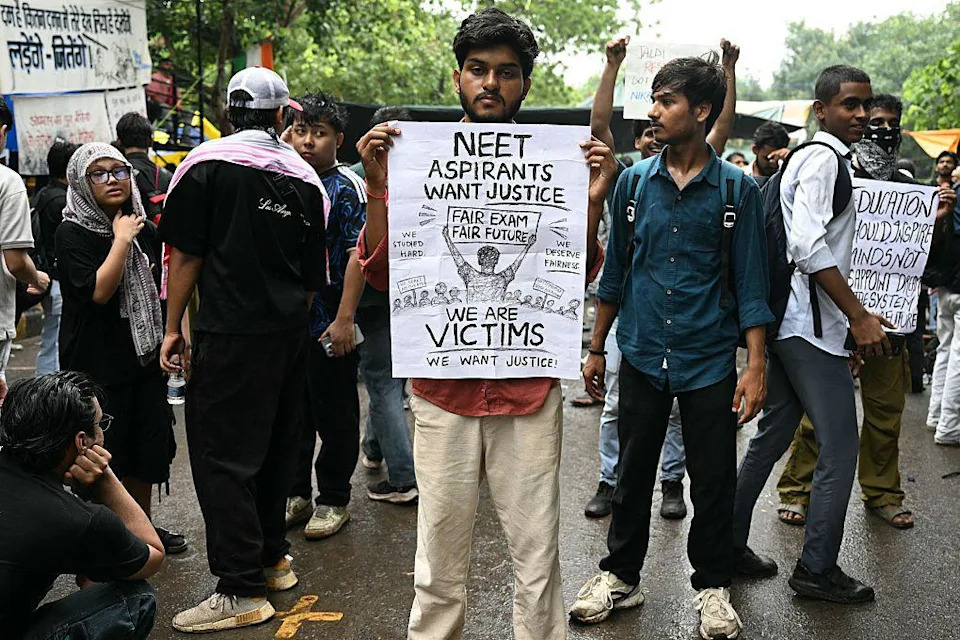
Many students say they have completely lost trust in India's examination system [AFP via Getty Image]
Why Technology Helps — But Isn't Sufficient
Proponents of CBT, including Professor V. Kamakoti of IIT Madras, argue that digitising exams can remove major vulnerabilities such as mass printing, transport and storage of paper booklets. Kamakoti points to India’s experience running large CBTs (GATE, advanced JEE stages) and to technical measures like 'red teaming' and air‑gapped networks that are harder to compromise.
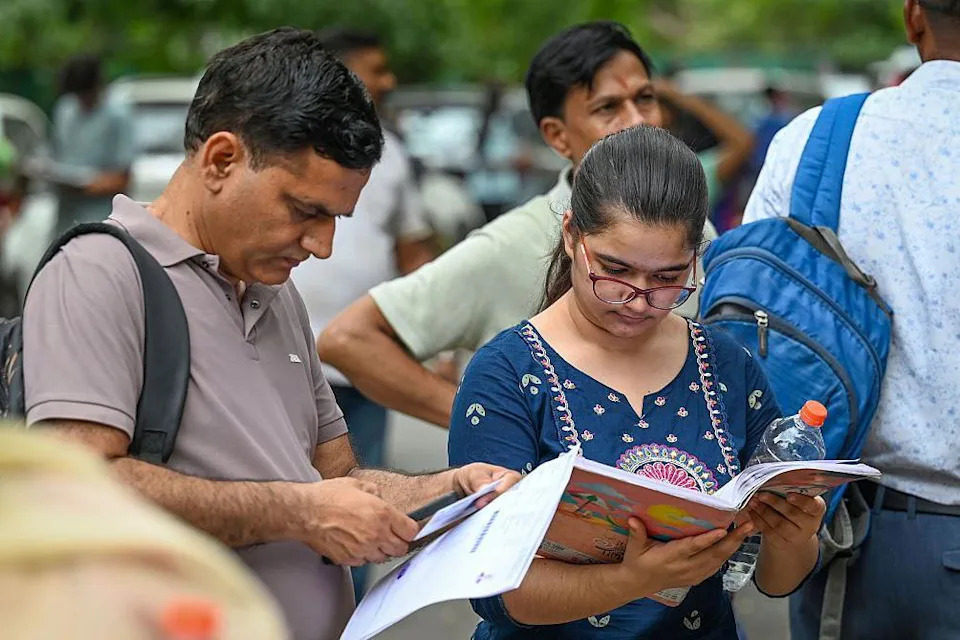
A student arrives at a NEET centre in Delhi with her parent - many study for months or years to prepare for the exam [Hindustan Times via Getty Images]
At the same time, he stresses that the real 'root of trust' lies with question setters and invigilators: 'If even one person among the subject experts, translators or moderators is compromised, the system fails.' CBT reduces some attack surfaces but does not eliminate insider risk at the source.

Students protest against a school exam paper leak in Delhi in 2018 - India has been been long plagued by such scandals [Hindustan Times via Getty Images]
CBT also faces practical constraints. India currently has capacity for roughly 300,000 candidates in a single CBT session, while NEET attracts about 2.2 million test‑takers in one session. Moving online would therefore require either a rapid expansion of infrastructure or running the exam across multiple sessions, with attendant fairness and logistics questions.
Equity, Technical Risk and Incentives
Dr Debananda Misra of IIT Delhi warns that CBT is not a panacea. Even minor technical failures — a frozen mouse, intermittent power or network glitches — can disrupt candidates and affect performance. There are also equity concerns: familiarity with digital interfaces and access to practice platforms may favour better‑resourced students and coaching‑centre attendees.
More fundamentally, Misra argues, the incentive to cheat stems from scarcity: nearly two million students sit NEET each year, but heavily subsidised government medical seats take only a small fraction of qualified candidates. That imbalance fuels organised rackets linking teachers, middlemen and centre staff; changing format without addressing underlying scarcity will not eliminate malpractice.
Practical Reforms The Task Force Should Consider
Experts recommend a layered approach combining technology, governance and systemic reform:
- Strengthen Governance: tighter procedures for question‑setting, frequent audits, stronger vetting and accountability for staff involved in the process.
- Reduce Insider Risk: minimise the number of people with access to source materials; use compartmentalisation, randomized allocation of multiple equivalent paper sets or localized papers to limit single‑point failures.
- Secure CBT Implementation: pilot phased rollouts, expand capacity over time, use air‑gapped networks and continuous red‑teaming, and build robust failover mechanisms so tests can resume seamlessly after technical problems.
- Address Equity: provide free practice platforms and supervised digital literacy programmes, and consider accommodations for candidates with limited access to technology.
- Reform Assessment Design: move away from a single, high‑stakes exam toward multiple assessment opportunities, broader entry pathways and diversified selection criteria for professional courses.
Conclusion
Technology can significantly reduce some routes for fraud, but it cannot replace trustworthy institutions and fair incentives. The task force will be judged not by how many tests it moves online, but by whether students, parents and educators regain confidence in a system that determines life‑changing opportunities. Restoring that trust requires a mix of technical safeguards, stronger governance and longer‑term policy changes to reduce the extreme stakes that fuel malpractice.
Help us improve.