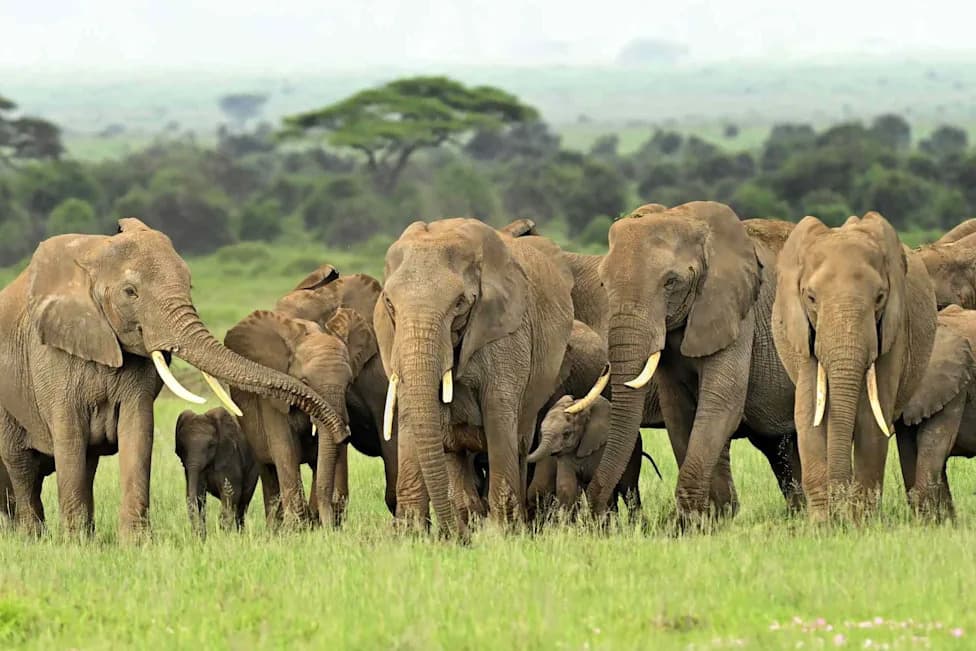
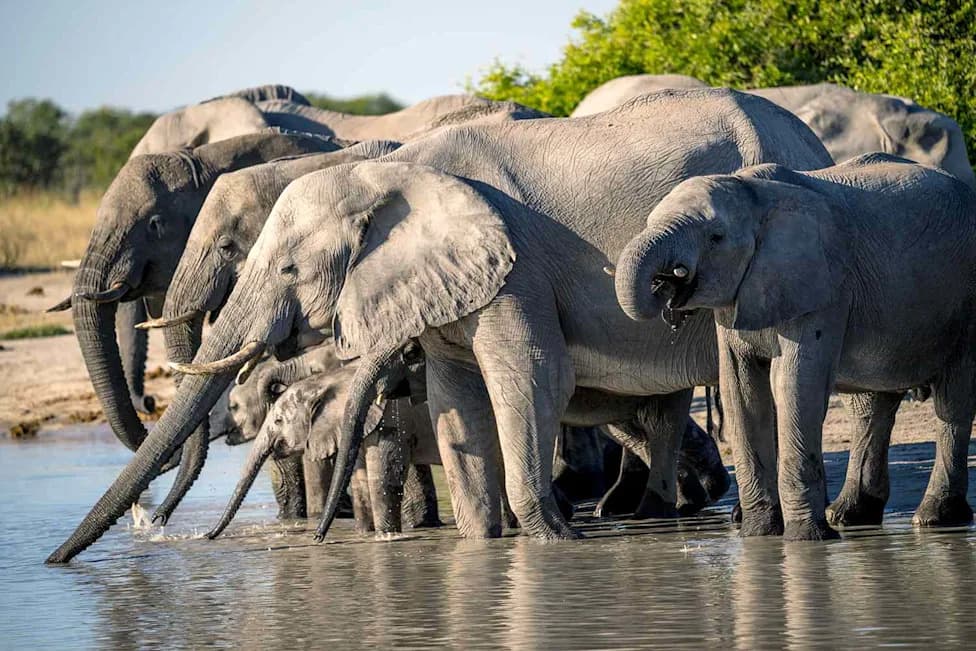
Fifteen elephants died in southern Kenya after allegedly eating tomatoes contaminated with cyanide, officials say. Preliminary laboratory tests detected cyanide, Kenya Wildlife Service Director General Erustus Kanga confirmed. Farms bordering Amboseli National Park are under investigation, and authorities warn that local livestock could also be at risk. Initial findings indicate no immediate threat to human health, though inquiries continue.
15 Elephants Found Dead Near Amboseli: Cyanide-Laced Tomatoes Suspected
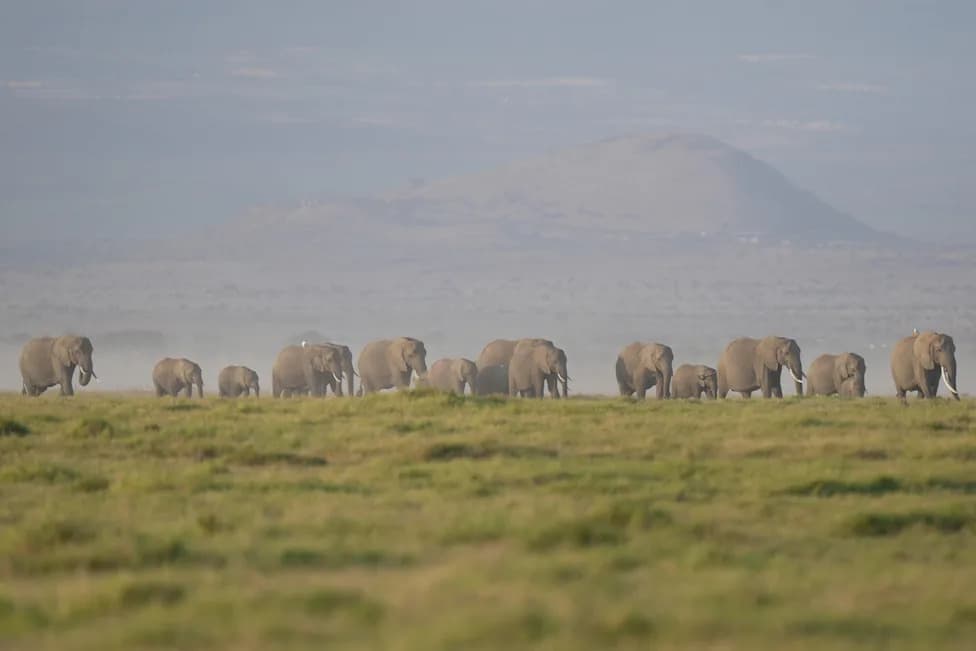
Elephants that died in Kenya likely poisoned by cyanide-tainted tomatoes
Fifteen elephants have died over the past month in southern Kenya after reportedly eating tomatoes suspected to have been contaminated with cyanide, wildlife officials said.
Kenya Wildlife Service (KWS) Director General Erustus Kanga told local media that preliminary laboratory tests detected cyanide in samples taken from the scene. Authorities have not named any suspects, and investigations are ongoing into tomatoes sourced from farms that border Amboseli National Park.
Location And Context
Amboseli National Park, located in southern Kenya near the Tanzania border, is a landscape where wildlife coexists with nearby farms and pastoral communities. Human–wildlife conflict has a history in the area; in previous incidents, farmers were suspected of poisoning elephants to protect crops.
Official Statements And Risks
"Cyanide is a highly toxic chemical, particularly for elephants," Kanga said, stressing the seriousness of the findings.
The Kenya Wildlife Service warned that if cyanide contamination is confirmed across fields, local livestock—such as goats and cattle that graze in the same areas—could also be at risk. Officials added that the toxic substances found in the deceased elephants do not appear to pose an immediate threat to human health, based on initial assessments.
Investigation And Conservation Concerns
Authorities are continuing tests and probing how the tomatoes became contaminated and whether the contamination was deliberate. Officials described the deaths as the largest loss of elephant life in the region in decades, underscoring the potential conservation impact and the need for a thorough investigation.
What Happens Next: Investigators will publish final laboratory results and seek to establish the source of contamination. Conservation groups and local communities will likely be engaged to reduce further risks to wildlife and livestock.
Help us improve.