Ukraine’s battlefield experience shows that having the most advanced AI model is only the first step toward military advantage. Real power depends on a system that can transfer, compress and adapt frontier capabilities, deploy them widely, update rapidly and withstand combat conditions. Model distillation shortens the lead time a frontier model grants, so durable advantage flows to nations that build repeatable intelligence-production systems—not just big models.
Sovereign AI: Why The Biggest Model Won’t Guarantee Military Victory

Sovereign AI: Robots Wear the Crowngetty
Countries that treat sovereign AI as simply a race to build the largest frontier model misunderstand how military advantage actually emerges. Ukraine’s experience has exposed a key blind spot: having the most advanced model is vital, but it is only the first step toward battlefield superiority.
Thinking in Systems, Not Singular Breakthroughs
A more useful way to frame military AI is as a system rather than a single component. One practical formulation is:
Military AI Capability = Frontier Capability × Ability To Transfer, Compress And Adapt × Deployment Density × Update And Adaptation Velocity × Resilience Under Combat Conditions.
Each term is multiplicative in effect: a near-zero score in any factor can neutralize strengths elsewhere. A state-of-the-art model is of limited battlefield value if it cannot run on available hardware, survive electronic warfare, reach the tactical edge, or be updated as adversaries change tactics.
Ukraine As A Case Study In Speed And Integration
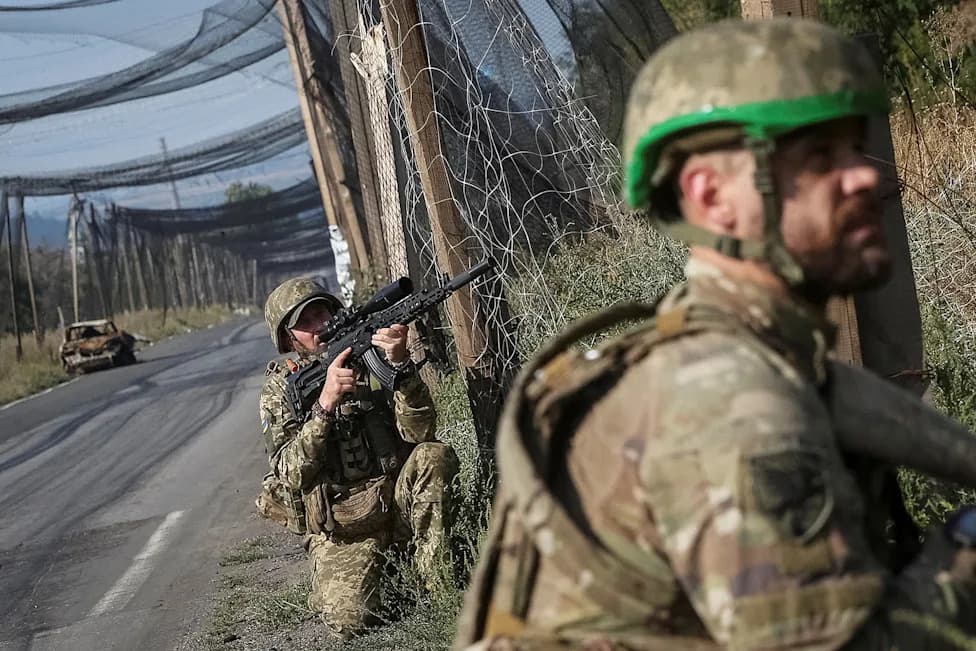
Ukraine has repeatedly demonstrated the power of a system-level approach. Its defense ecosystem connects front-line operators, engineers, startups, funders and government programs with unusually short feedback loops. NATO officials are studying how quickly Ukraine translates battlefield lessons into upgraded tools and operating practices. Brave1, Ukraine’s defense-tech cluster, highlights implementation speed as a decisive element in modern conflict.
Importantly, Ukraine did not begin with inherently superior resources. Russia controls larger industrial capacity and is building its own military AI and drone ecosystem using commercial technologies and open-weight models from the West and China. The contest is therefore not between inherently smart versus dumb nations, but between competing intelligence-production systems.
Why AI’s Replicability Changes The Game
AI differs from traditional armaments because discovery and replication are asymmetric. Creating a frontier model requires costly search—collecting data, training at scale and discovering emergent capabilities. Once a capability is discovered, however, techniques such as model distillation can transfer much of a large "teacher" model’s capability into smaller, cheaper "student" models. Researchers have identified predictable scaling relationships among teacher quality, student size, training data and performance. Distillation is imperfect, but it can drastically reduce the cost of reproducing and deploying defined capabilities.
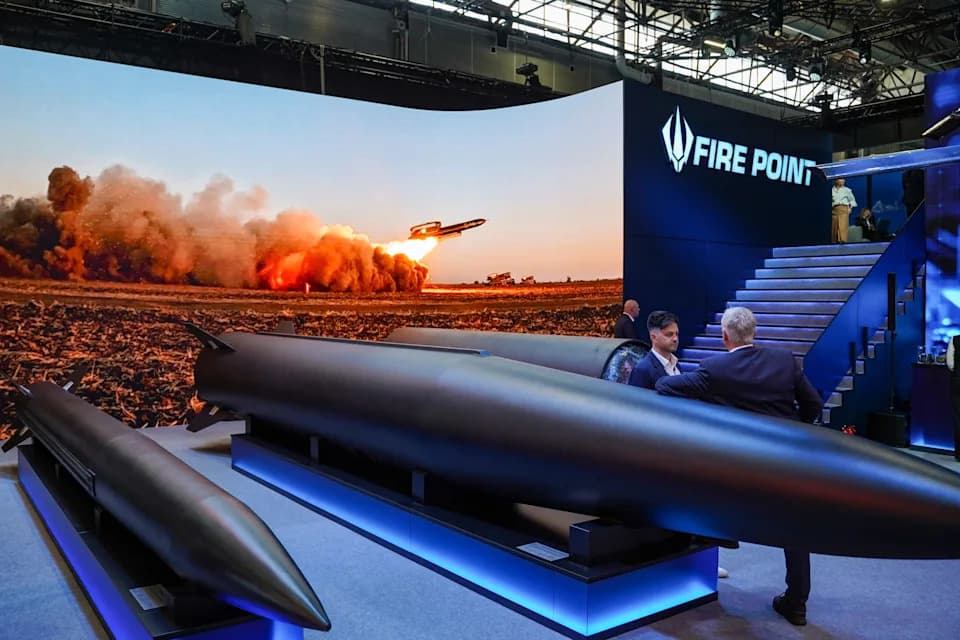
This dynamic has no close analogue in physical weapons. If one nation invents the best hypersonic missile, another cannot simply "distill" that design into millions of nearly equivalent missiles—physical weapons require specialized materials, factories and precision manufacturing. Learned capabilities, by contrast, can be copied, specialized and embedded across thousands or millions of devices at comparatively low marginal cost. That creates a half-life on frontier advantage: early discovery yields a lead, but that lead erodes once others observe, adapt, distill and deploy the capability.
From Foundations To Institutions
Access to five foundational layers—energy, compute hardware, data, models and talent—remains the baseline for sovereign AI. But access alone is insufficient. Nations must build institutional capabilities to:
- Acquire or develop frontier intelligence;
- Adapt it quickly to national missions;
- Compress it into deployable systems;
- Defend and manufacture those systems at scale;
- Update and iterate them under combat pressure.
Strategic leaders should avoid creating a patchwork of isolated systems that cannot interoperate. Clear coordination is essential in warfare, except in the smallest engagements. One mitigating factor is that modern AI models—rooted in Transformer architectures originally designed for translation—are relatively good at converting between formats and languages, which eases integration across heterogeneous platforms.
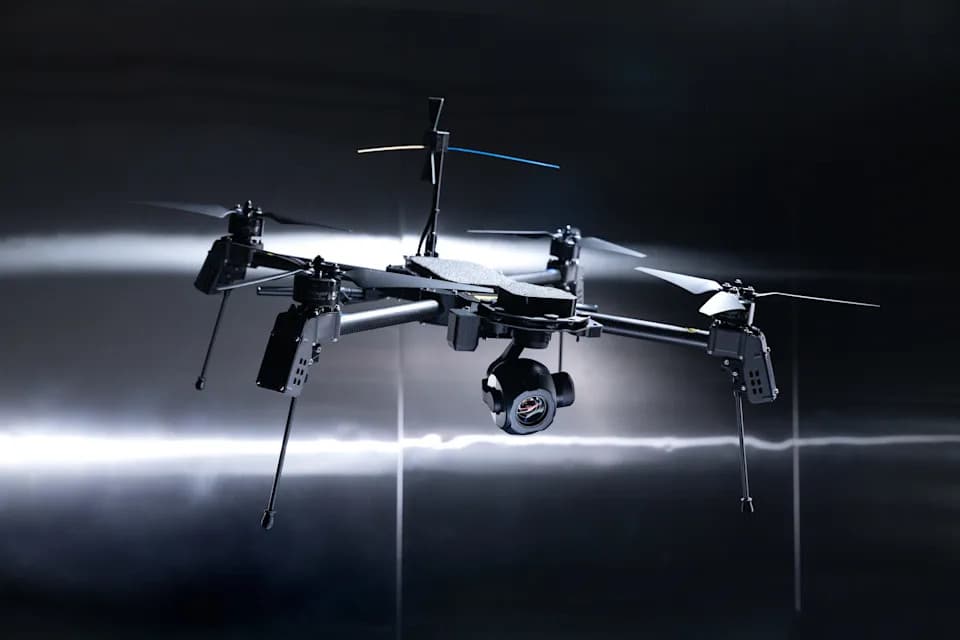
That said, the physical realities of kinetic warfare remain hard to evade: bombs must detonate, propellers must be manufactured to specification, and every strike still needs to penetrate countermeasures—electronic and otherwise.
Conclusion
The sovereign AI race will not be decided solely by who owns the largest or smartest model. It will be won by states that design, fund and sustain the best intelligence-production systems—those that can turn scarce frontier breakthroughs into abundant, resilient, and continuously improving national capabilities.
Originally published on Forbes.com.
Help us improve.