The article contends that a White House Correspondents' Dinner–style event devolved into a spectacle when former President Trump targeted CNN's Kaitlan Collins with personal, misogynistic and transphobic attacks. Collins refused to be baited and kept attention on her reporting, while the press corps largely remained seated and silent. The piece criticizes the media’s tolerance of celebrity-driven confrontations that boost personal brands while leaving broader threats to press freedom unchallenged.
They Sat Silent: How Trump Turned a Correspondents' Dinner Into a Spectacle Targeting Kaitlan Collins
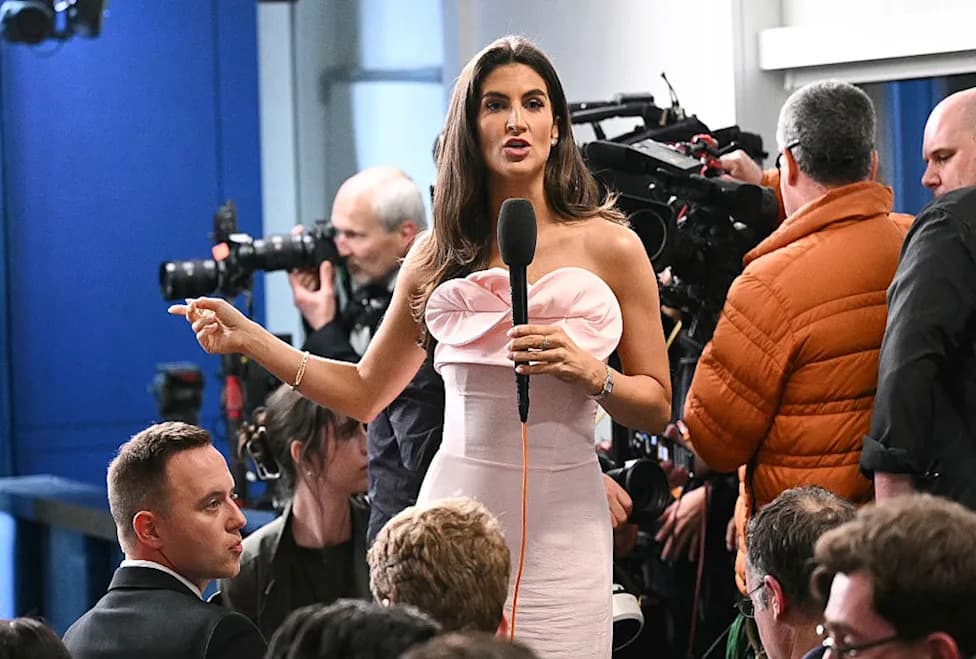
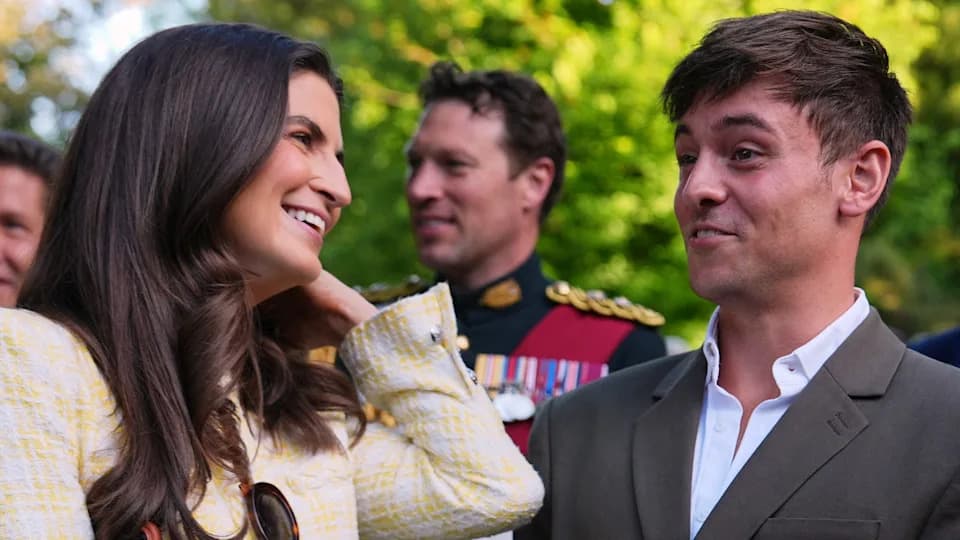
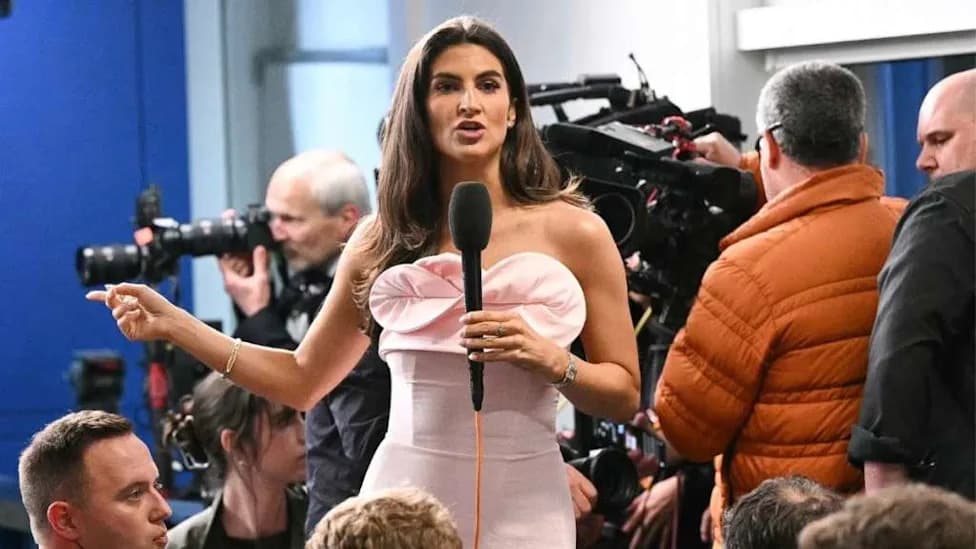
CNN's chief White House correspondent and anchor Kaitlan Collins on the job at the White House following a shooting incident at the White House Correspondents' Dinner on April 25, 2026.
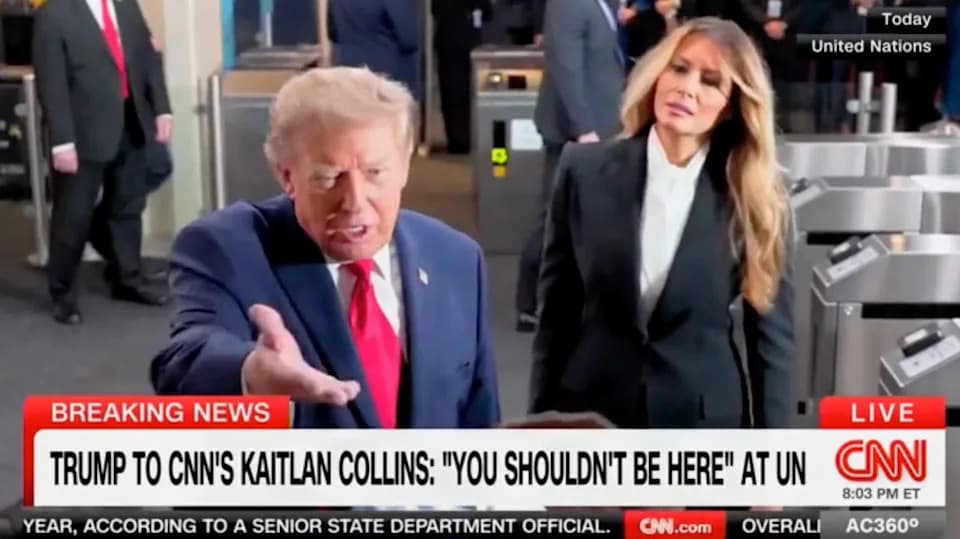
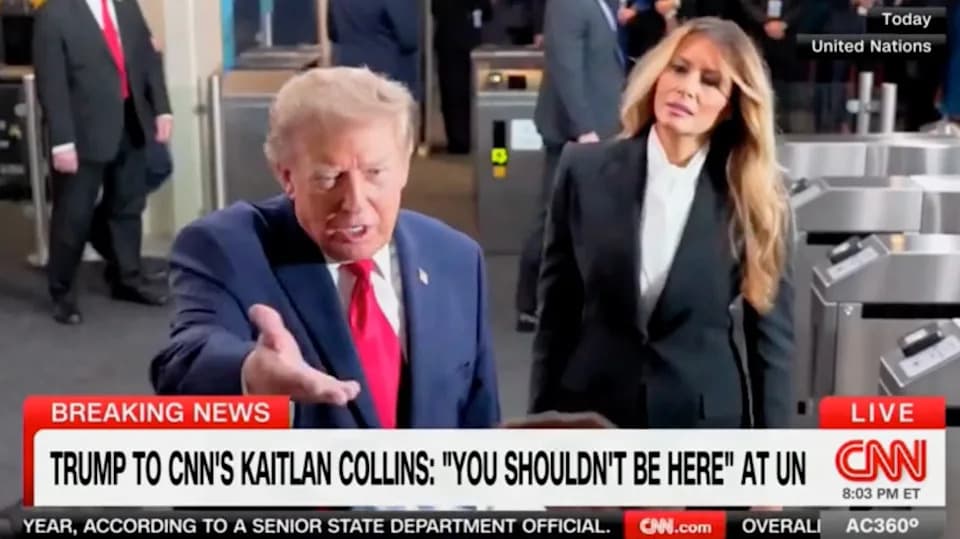
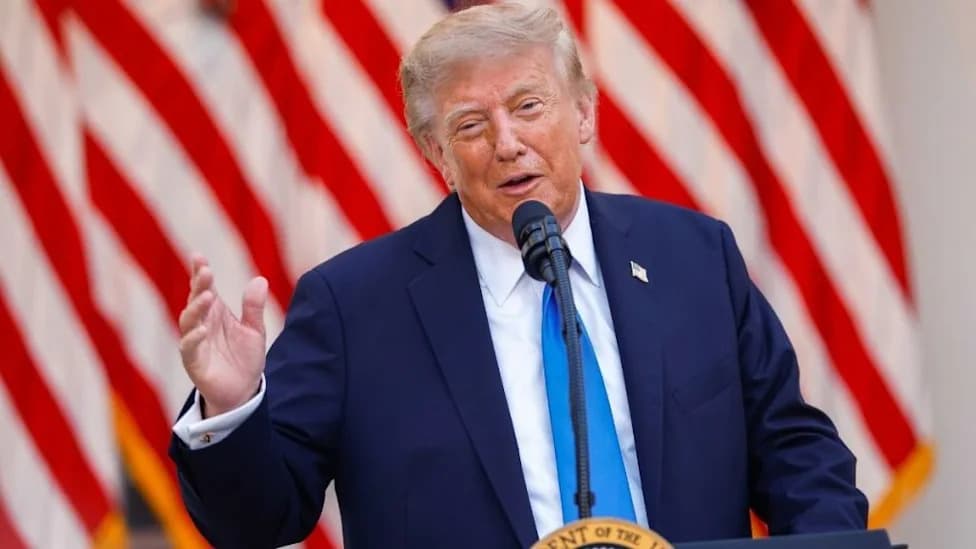
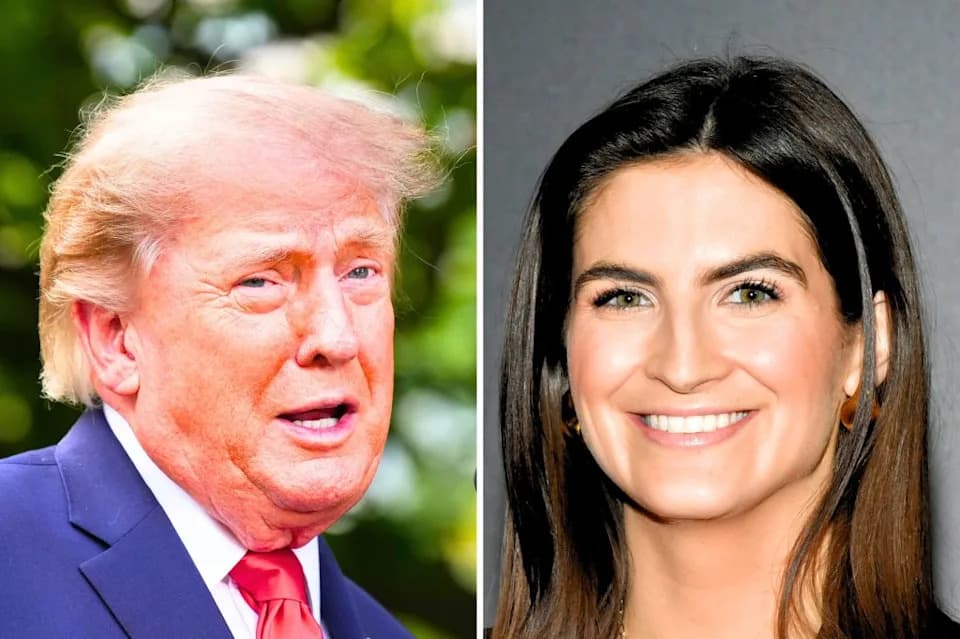
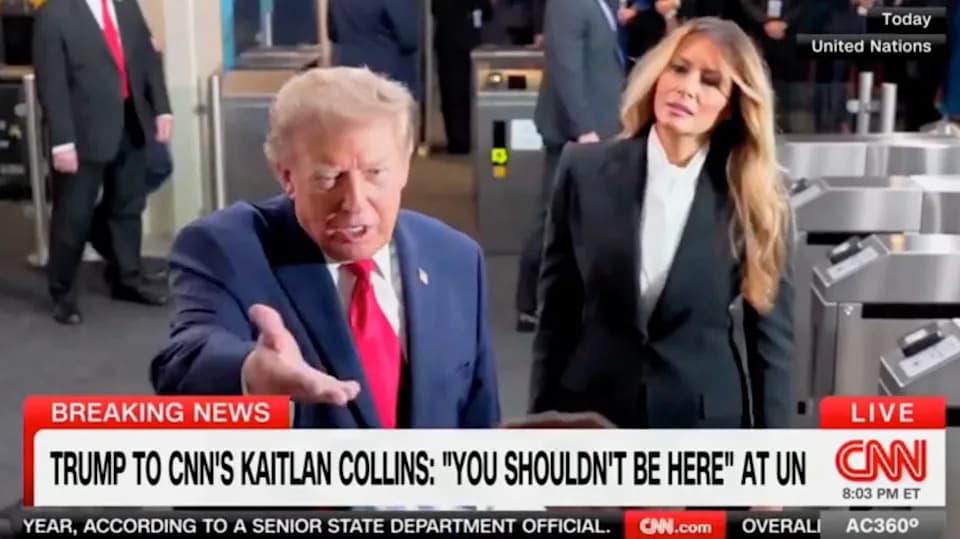
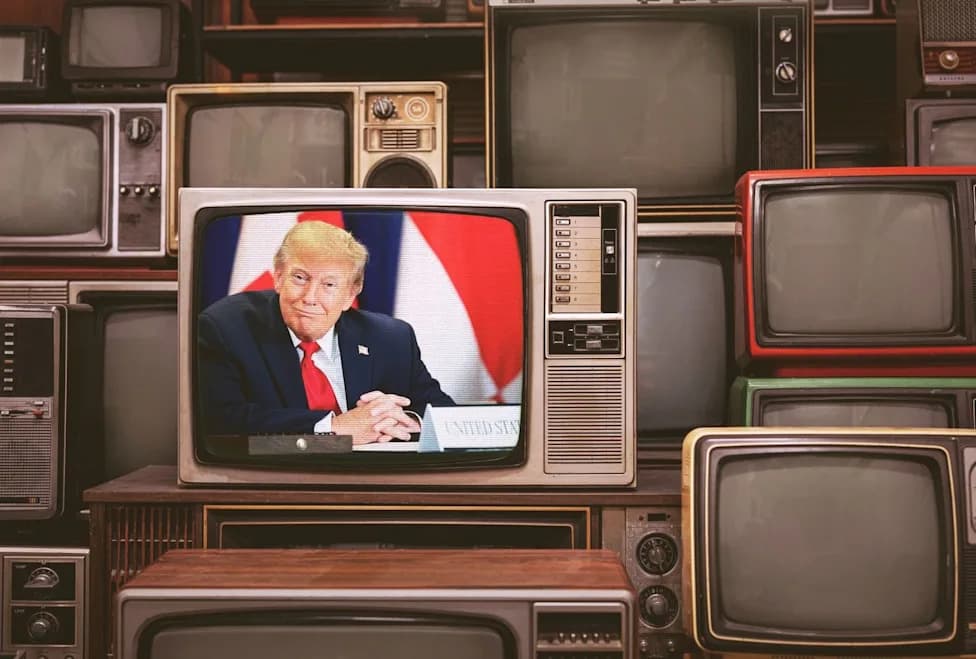
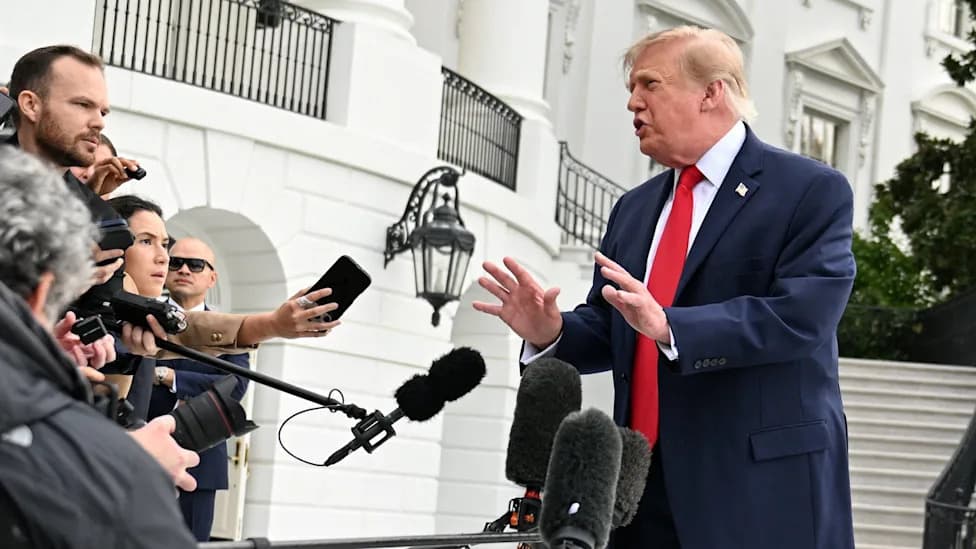
For an hour and four minutes on Friday night, former President Donald Trump stood at a podium in a hotel he once owned and treated the assembled White House press corps like stage scenery. What was billed as a correspondents' dinner became, instead, a campaign-style performance in which Trump singled out CNN's chief White House correspondent Kaitlan Collins with repeated personal jabs — including misogynistic and transphobic barbs — and capped the evening by wearing a "Trump 2028" hat.
The Incident
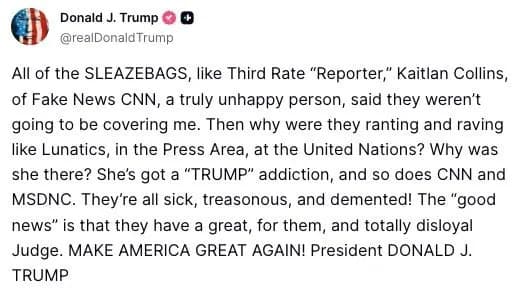
Trump congratulated Collins for receiving the White House Correspondents' Association award for coverage under deadline pressure, then spent several minutes calling the honor "fake," insisting she "shouldn't get" it, and telling her to "smile." He went on to suggest, falsely, that Collins had appeared on a Bud Light endorsement featuring Dylan Mulvaney — a claim amplified later on Truth Social with an AI-generated image that superimposed Collins' face onto a mock beer can.
What the Room Did — And Didn't Do
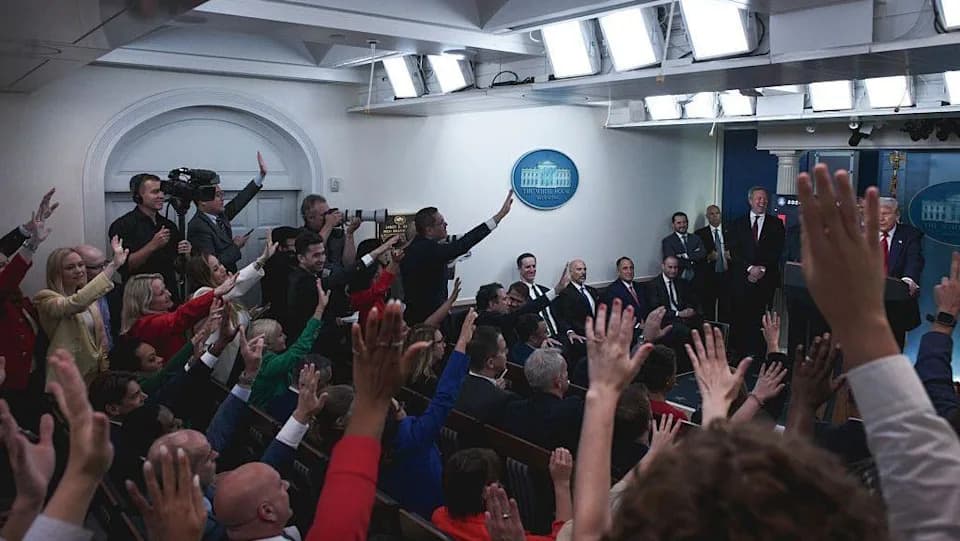
Multiple accounts describe stunned silence in the ballroom. Reporters remained in their seats rather than staging an on-the-spot protest or walkout. That choice — whether motivated by concerns about access, decorum, or uncertainty — allowed the spectacle to proceed and, in the eyes of critics, normalized public humiliation of a journalist in front of peers.
Collins' Response
Kaitlan Collins declined to play along. On Instagram she quoted Eleanor Roosevelt about refusing to accept feelings of inferiority without consent, thanked mentor Wolf Blitzer for the award, and reiterated why rigorous questioning matters. On Jon Stewart's "Daily Show" she emphasized focusing attention on the reporting itself rather than turning the exchange into a personal feud — precisely the outcome she said the president seeks.
Context And Consequences
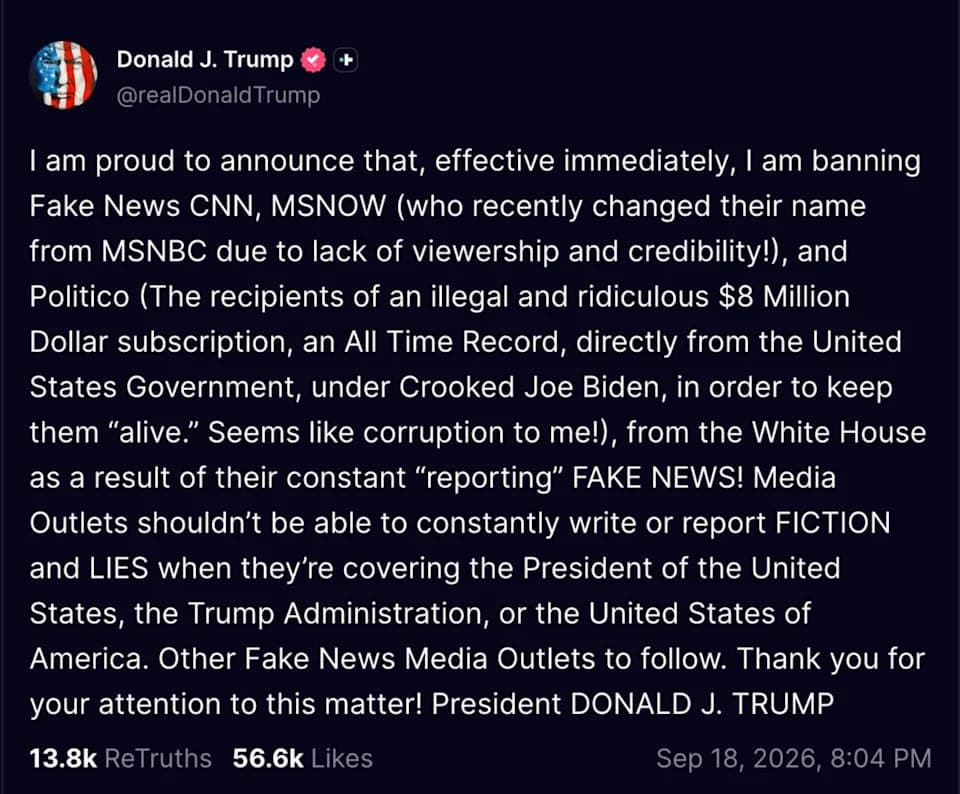
The episode unfolded against a backdrop of real pressure on the press: reporters have been barred from some briefings, legal actions and subpoenas have been pursued against journalists, and the administration has repeatedly labeled unfavorable coverage "fake news". Notably, the Justice Department later rescinded subpoenas for New York Times journalists after a federal judge found procedural issues in the investigation.
The Celebrity-Reporter Problem
Beyond the immediate incident, the event highlights a deeper trend: the rise of celebrity journalists who can parlay public confrontations with power into visibility and commercial value. The article argues that this dynamic creates a transactional ecosystem in which onstage clashes feed both political theater and personal brands — often without addressing the systemic threats to press freedom.
What Could Have Been Different
A stronger institutional response — an immediate walkout or a clear statement from the White House Correspondents' Association and news organizations refusing to tolerate public attacks on their colleagues — would have shifted the dynamics of the evening. Instead, many outlets and individuals registered their outrage after the fact.
Conclusion
Whether viewed as cowardice, caution, or calculation, the press corps' inaction allowed a high-profile performance to overshadow a night meant to affirm journalistic values. The episode raises urgent questions about how news organizations defend reporters, the ethics of platforming abusive behavior, and how the media marketplace rewards spectacle over institutional safeguards.
Help us improve.