Janai Norman argues that media coverage of 18-year-old Nolan Wells’ death exposes a recurring bias in how outlets report on Black victims. After audio related to the case was released, some outlets reported Wells had been "drinking heavily," despite no public autopsy or toxicology results. Norman links the problem to racial framing in reporting and newsroom layoffs, and she urges stronger media literacy so audiences can recognize and challenge biased narratives.
Once You Name the Pattern, It’s Hard To Unsee: Nolan Wells Case Exposes Media Bias
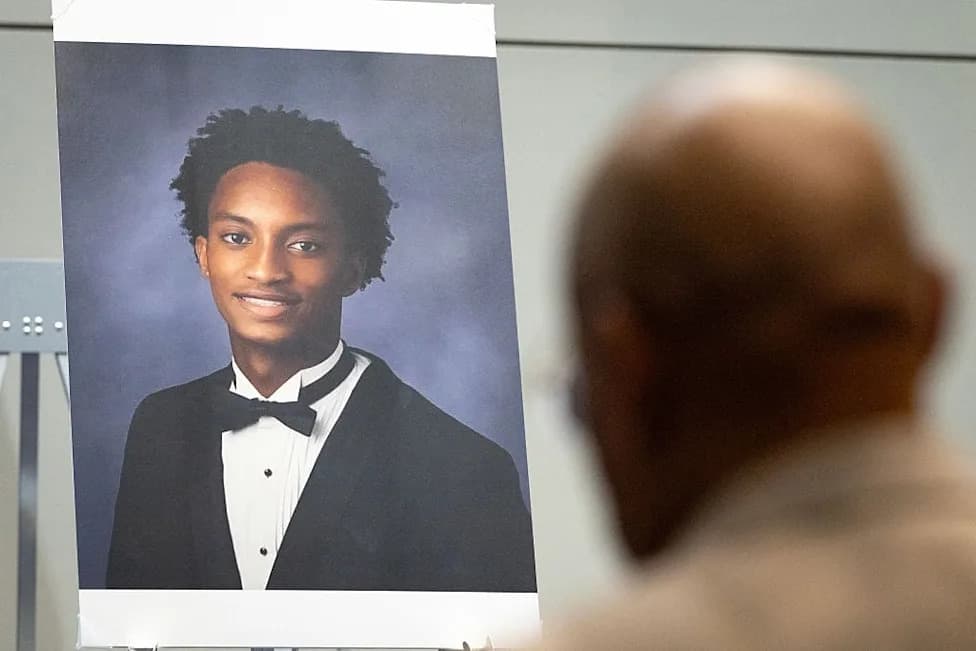
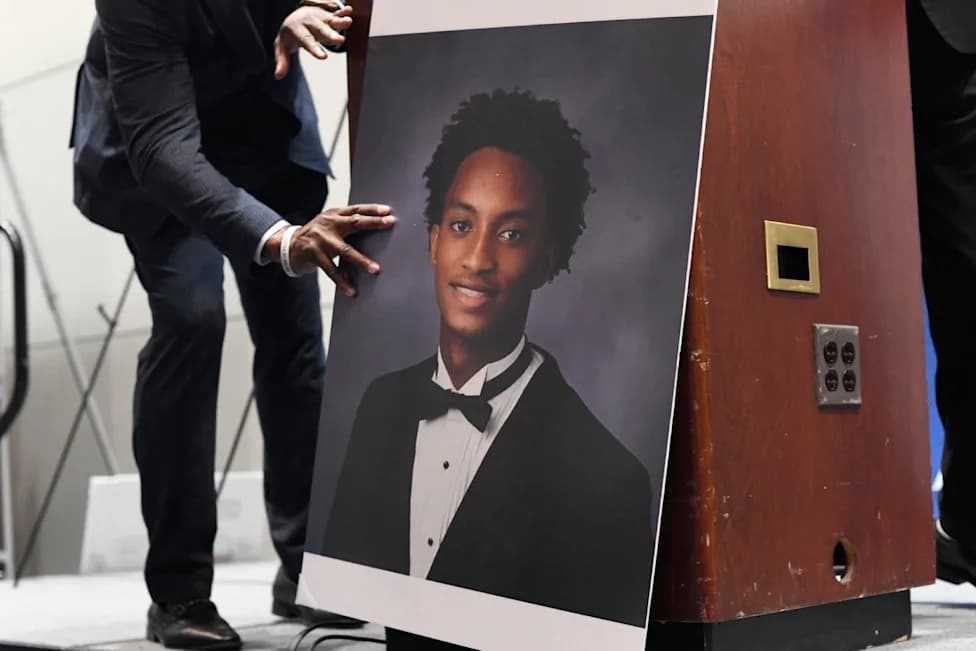
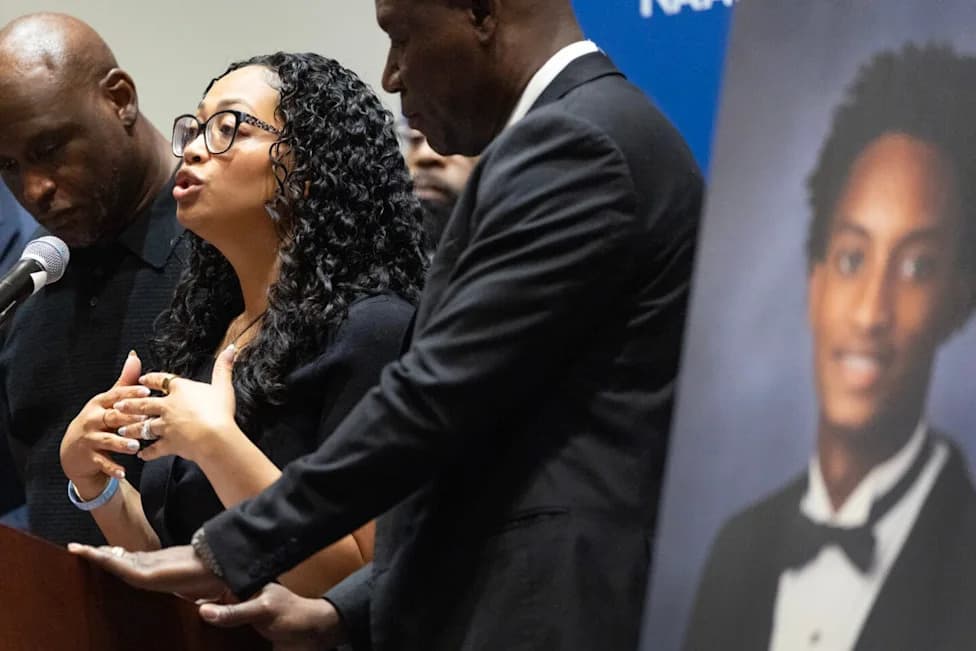
CHICAGO, ILLINOIS - JULY 22: People listen as attorney Ben Crump holds a press conference with Elmore Wonsley and Christine Wells-Wonsley, the parents of Nolan Wells, at the annual NAACP National Convention to announce the results of an independent autopsy as they investigate the death of Wells on July 22, 2026 in Chicago, Illinois. Eighteen-year-old Wells was found dead two days after he disappeared during a July 4th boat trip to Horn Island off the coast of Mississippi with a group of high school friends. (Photo by Scott Olson/Getty Images)Photo by: Scott Olson / Getty Images
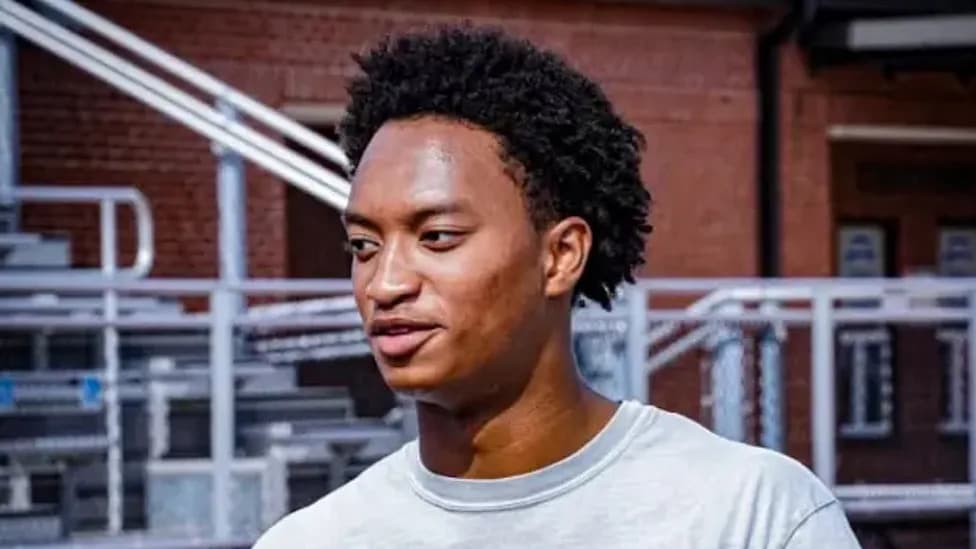
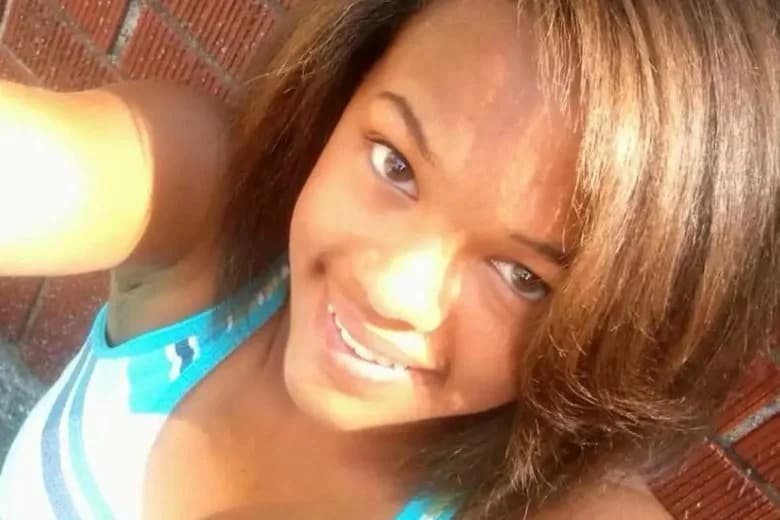
Over the past three weeks, the death of 18-year-old Nolan Wells — whose body was found on Mississippi’s Horn Island after a July 4 boating trip — has dominated social feeds and news headlines. While public attention on a Black teenager’s death is welcome to some observers, the coverage has also produced unverified claims, speculation and competing narratives that many say are harmful and biased.
What Happened
After the Mississippi Department of Marine Resources (MDMR) released audio tied to the investigation, outlets including ABC News and TMZ published reports suggesting Wells had been "drinking heavily." Officials, however, have not released an official autopsy or toxicology results. That gap prompted widespread criticism on social media and beyond about premature conclusions and the repetition of unconfirmed details.
On July 6, local officials described the death as an apparent accidental drowning. Jackson County Coroner Bruce Lynd told reporters there were "no immediate, obvious signs of foul play or trauma" before an autopsy had been completed — an early characterization that many advocates urged should not substitute for a full investigation.
Perspectives On Media Coverage
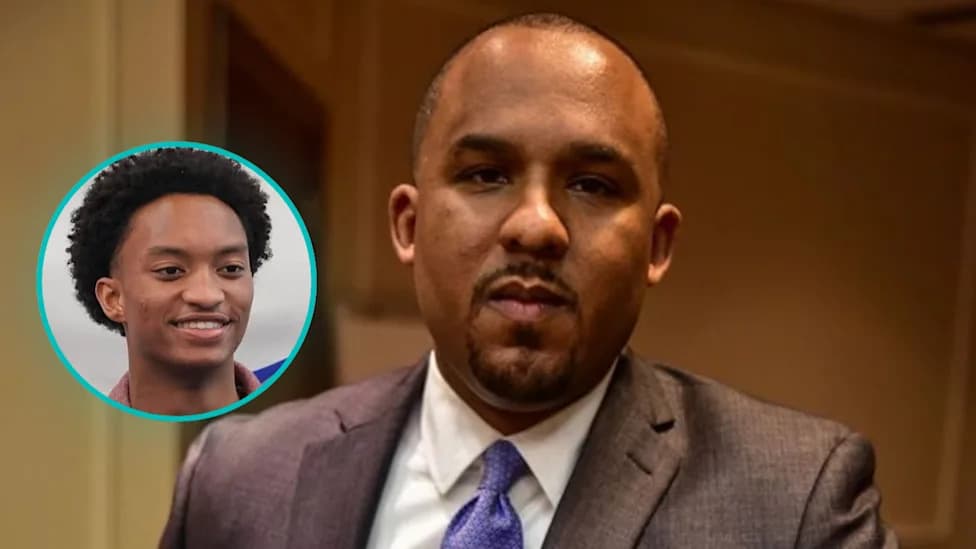
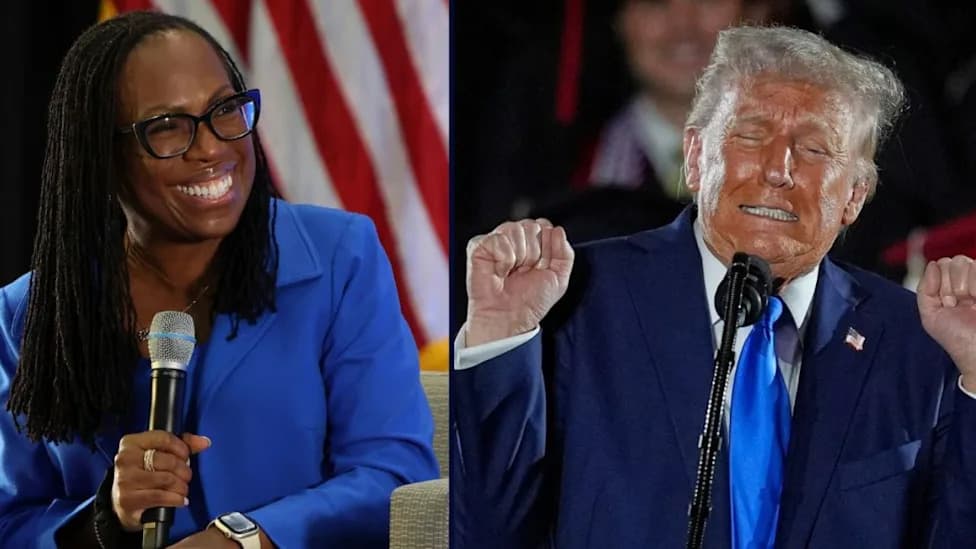
In an interview with theGrio, journalist and author Janai Norman said the reporting reflects a recurring, damaging pattern: traditional outlets too often denigrate Black victims after death by amplifying unverified narratives.
"It's just a glaring example of how traditional news media will denigrate the dead when they are Black…We have seen this before, and this is just the latest example of it," Norman told theGrio.
Norman also tied the problem to recent newsroom layoffs that have reduced newsroom expertise — especially among Black journalists — arguing those cuts have weakened reporting and editorial judgment. NAACP President Derek Johnson similarly warned that the narrative should not be declared an accident before investigators complete their work.
Why This Matters
Norman urges readers and reporters to recognize how racial assumptions and framing can shape coverage. She says media literacy — understanding how stories are sourced, framed and amplified — is essential for audiences who want trustworthy news. "Once you name a pattern, it's tough to unsee it," she said, encouraging both the public and journalists to call out biased frames and demand verification.
Through her "Media Literacy" series, Norman aims to highlight how manipulation and white supremacy can appear in reporting, and to give readers tools to spot and resist those patterns. For communities that have historically had to tell their own stories, she argued, reclaiming narrative dignity remains a vital task.
Note: Key facts remain subject to official confirmation; readers should watch for autopsy and toxicology reports and statements from investigators.
Help us improve.