Japan’s unusually high rate of large earthquakes is driven by its position at the convergence of four tectonic plates and its location on the Pacific "Ring of Fire." A recent magnitude-6.8 quake in Kumamoto left at least 14 dead and highlighted persistent risks despite decades of investment in detection, building codes and public drills. Historic disasters — including the 2011 Tohoku quake — inform ongoing preparedness efforts, while scientists monitor the Nankai Trough for a possible magnitude-8–9 event in coming decades. Experts urge retrofits, better coverage in weaker regions and continuous public readiness.
Why Japan Suffers Frequent Large Earthquakes — And How It Prepares
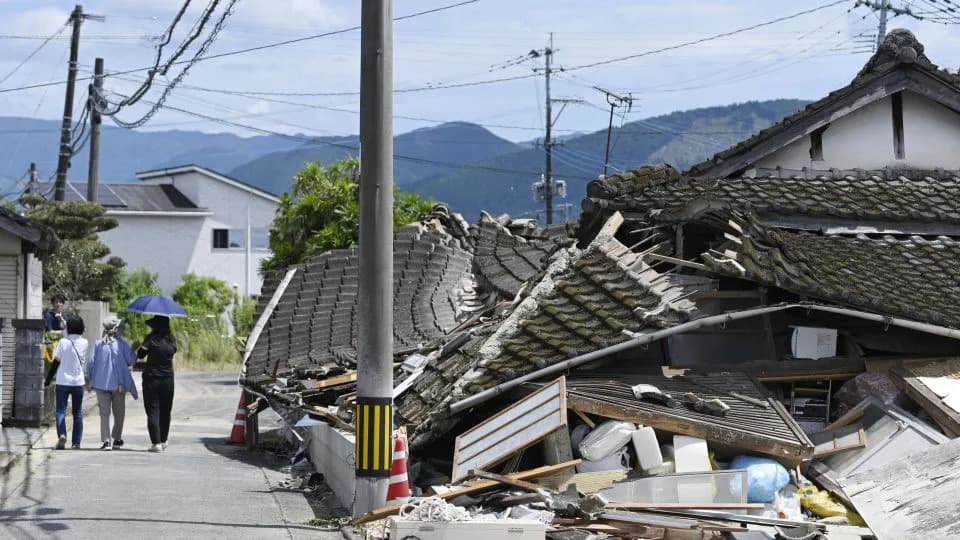
A collapsed house in Hikawa, Kumamoto Prefecture, a day after a powerful earthquake hit the southwestern Japan prefecture. - Kyodo News/Getty Images
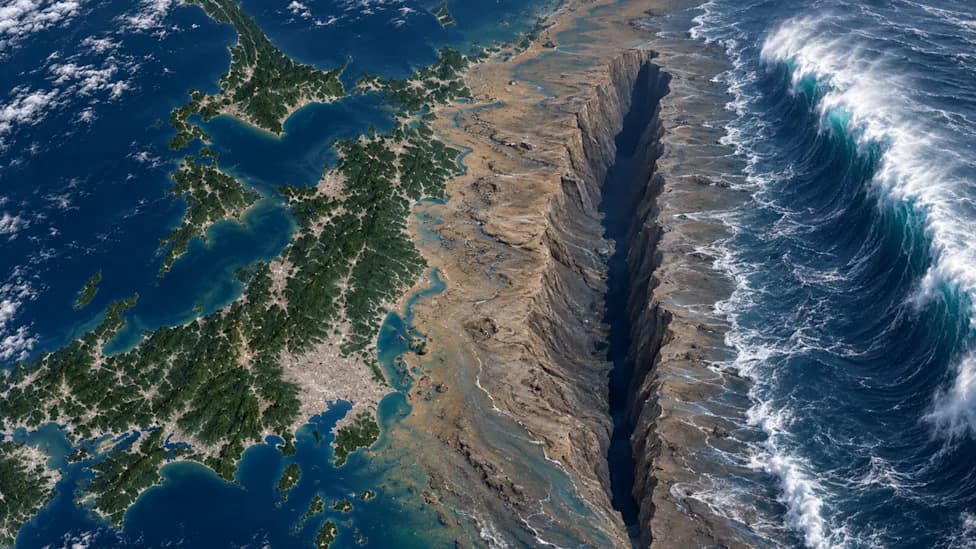
Japan experiences more frequent and powerful earthquakes than almost any other country because it sits at the junction of four tectonic plates and along the Pacific "Ring of Fire," a 25,000-mile arc of intense seismic and volcanic activity.
This Week’s Quake and Immediate Impact
A magnitude-6.8 earthquake struck southern Kumamoto Prefecture this week, prompting large-scale search, rescue and relief operations. Authorities reported at least 14 dead, multiple injured and several people still missing. Parts of a shopping mall partially collapsed after an explosion that investigators suspect was caused by a gas leak; four workers at a paper factory were also reported missing.
Why Japan Is So Seismically Active
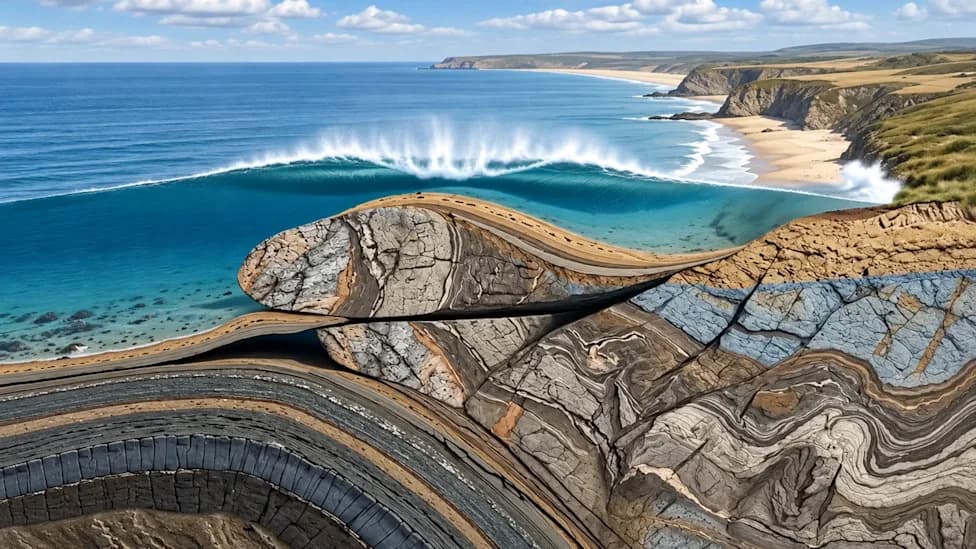
The nation’s heightened earthquake risk stems from its location where the Pacific Plate and several surrounding continental plates meet. When these plates grind, collide or slip beneath one another (subduction), strain builds and is released as earthquakes — often powerful ones. Roughly 10% of the world’s earthquakes of magnitude 6 or higher occur in or around Japan, making the hazard far greater than in many other regions.
Historic Quakes That Shaped Policy
Japan’s long history of devastating earthquakes includes events that reshaped cities, policy and engineering practice: a destructive quake in 1498 (estimated tens of thousands of deaths), the Great Kanto earthquake of 1923 (around 140,000 deaths), the 1995 Kobe quake (more than 6,000 deaths) and the 2011 Tohoku quake and tsunami (magnitude 9.1, nearly 20,000 deaths and the Fukushima nuclear crisis).
Preparedness, Engineering and Limits
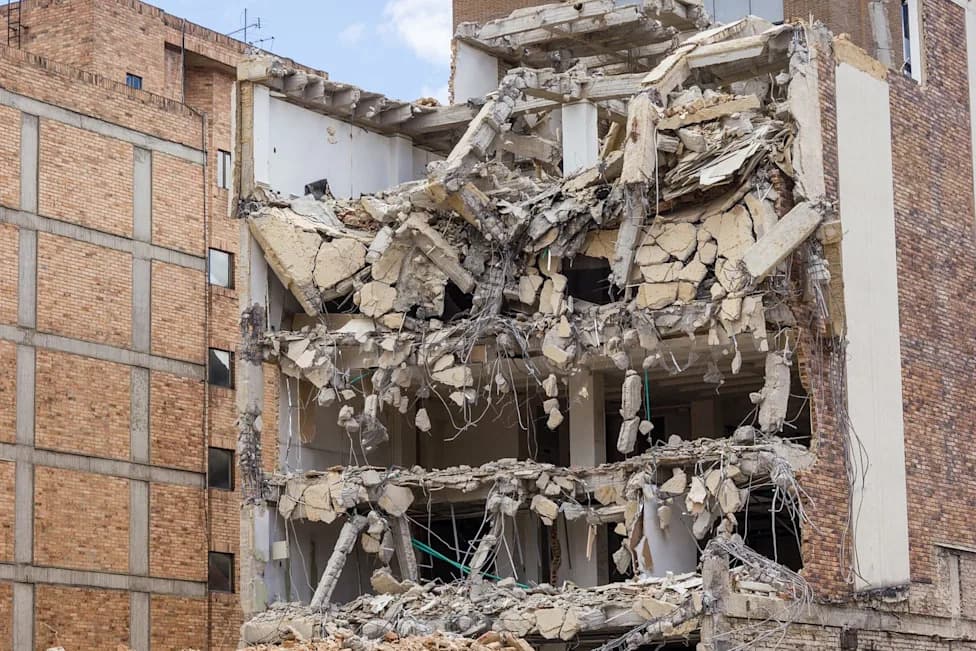
As a wealthy, technologically advanced nation, Japan has invested heavily in detection systems, early warnings, strict building codes and public education. Stronger seismic standards introduced in the 1980s — and further reinforced after Kobe in 1995 — mean most modern buildings incorporate anti-seismic features such as energy-dissipating walls, base isolation and flexible structures designed to absorb shaking.
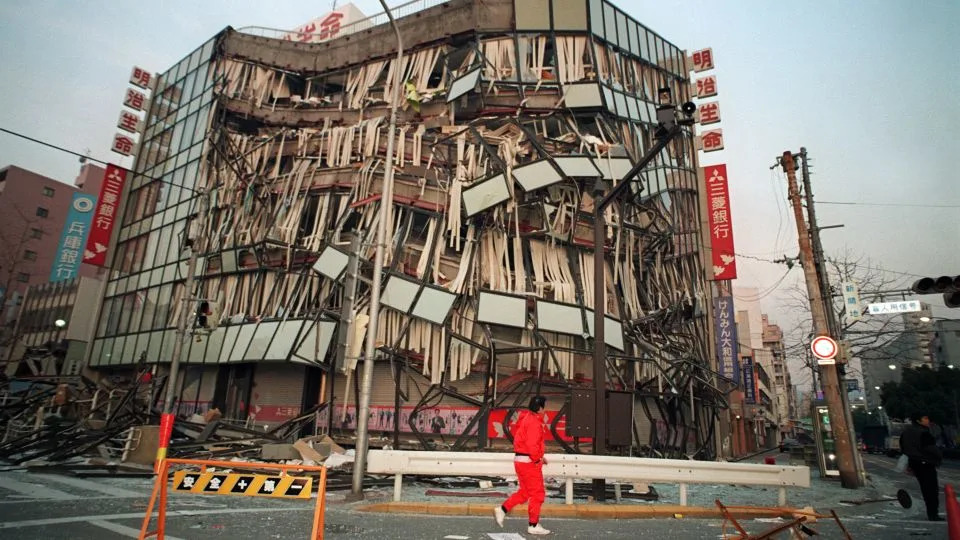
A Kobe resident passes by a central office building on January 18, 1995 that was damaged in an earthquake the previous day. - Toru Yamanaka/AFP/Getty Images
“Each time, we witness tragic losses and a collective resolve to be better prepared,” said Shoichi Yoshioka, a professor at Kobe University, reflecting on how repeated disasters shape public awareness.
Yet even the best engineering has limits. The 2011 Tohoku disaster demonstrated how a very large quake and ensuing tsunami can overwhelm defenses and cause cascading crises, including nuclear accidents. Smaller but still deadly quakes — such as a magnitude-7.1 event in Noto in 2024 — continue to cause significant loss of life.
The Nankai Trough And Future Risks
Scientists and government researchers focus attention on the Nankai Trough, a 700-kilometer (435-mile) subduction zone that has produced major earthquakes every 100–200 years. Japan’s Earthquake Research Committee has estimated a 70%–80% chance of a magnitude 8–9 event along the trough within the next 30 years, though many experts note that long-term timing remains probabilistic rather than precisely predictable.
What Experts Recommend
Authorities and scientists emphasize practical steps: continue retrofitting vulnerable buildings and infrastructure, close preparedness gaps in less-protected regions, maintain and expand early-warning systems, and keep public drills and awareness frequent. These measures reduce risk but cannot eliminate it entirely — preparedness and resilience remain ongoing national priorities.
Local Context: Kumamoto is still recovering from a larger quake in 2016 that killed more than 270 people. Prime Minister Sanae Takaichi said emergency teams are racing to reach those still waiting for help: “People are still waiting for help, and every second counts.”
For travelers and residents alike, understanding the science behind Japan’s seismicity and following official guidance on drills, evacuation routes and emergency kits remain vital.
Help us improve.