U.S. senators led by Elizabeth Warren have requested disclosure from Health Secretary Robert F. Kennedy Jr. about whether his family profited from Merck's $50 million Gardasil settlement. Before taking office, Kennedy was an attorney of record in some Gardasil cases and initially said he would retain a 10% fee but later said he would transfer his stake to a son. The senators asked whether the son received any fees and whether Kennedy will recuse himself from related policymaking; they requested a reply by Aug. 11.
Senators Seek Answers From Health Secretary RFK Jr. Over $50M Gardasil Settlement and Family Financial Ties
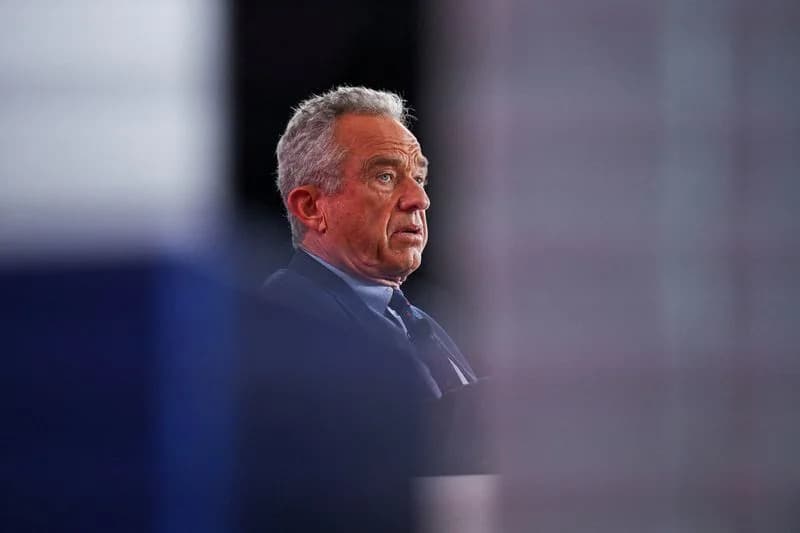
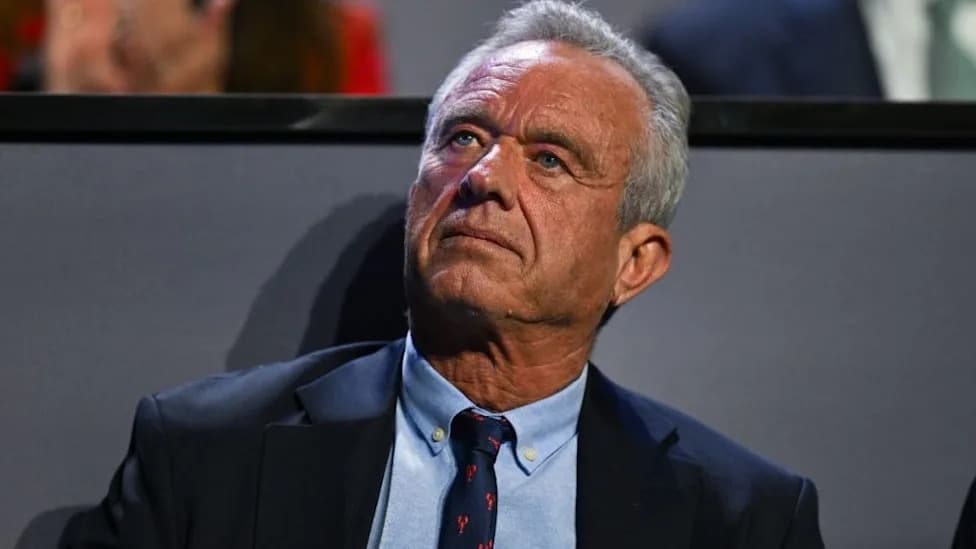
FILE PHOTO: U.S. Secretary of Health and Human Services (HHS) Robert F. Kennedy Jr. attends the Conservative Political Action Conference (CPAC) USA 2026 at the Gaylord Texan Resort and Convention Center, in Grapevine, Texas, U.S. March 28, 2026. REUTERS/Callaghan O'Hare/File Photo
A group of U.S. senators has asked Health Secretary Robert F. Kennedy Jr. to disclose whether members of his family stand to benefit financially from a recent $50 million legal settlement tied to Merck's Gardasil vaccine, according to a letter reviewed by Reuters.
Senators' Request
The letter, sent by four Democratic senators including Elizabeth Warren (D-Mass.), asks the health secretary to clarify whether his family received any portion of fees related to the Gardasil litigation and, if so, how much. The lawmakers requested a response by Aug. 11.
Kennedy's Past Role and Financial Interest
Before becoming health secretary last year, Kennedy served as an attorney of record in some Gardasil cases and referred clients to the Wisner Baum law firm. After his nomination, he initially said he intended to retain a 10% fee on settlements from cases he referred. He later said he would transfer his stake to one of his sons.
Questions About Recusal and Disclosure
"You are charged with setting federal vaccine policy and regulating vaccine manufacturers, including Merck, even as your family and former employer may financially benefit from actions you take as Secretary," the senators wrote.
The letter notes Kennedy oversees agencies that regulate and purchase vaccines. It asks whether Kennedy has recused, or will recuse, himself from decisions involving Gardasil or any related policymaking, and whether his son received Kennedy's share of any fees.
Responses From Parties Named
A Department of Health and Human Services spokesperson did not immediately respond to a request for comment. Wisner Baum managing partner Brent Weisner told Reuters that "at no time" will Kennedy or his son receive fees from a Gardasil settlement, and suggested senators concerned about conflicts should examine ties between industry and federal regulators.
Context: Policy, Litigation and Vaccine Compensation
Kennedy has for years expressed skepticism about vaccines and has pursued changes to U.S. vaccine policy since taking office. Merck has consistently defended Gardasil's safety and efficacy. The U.S. Centers for Disease Control and Prevention currently recommends Gardasil as a routine immunization for 11- and 12-year-olds to prevent cervical and other cancers caused by human papillomavirus (HPV).
Earlier this year the CDC proposed changing guidance to a single-dose HPV regimen instead of a two-dose course marketed by Merck; a federal judge blocked that change. The senators' letter also asked whether HHS plans to expand the types of injuries eligible for compensation under the Vaccine Injury Compensation Program (VICP), noting that Wisner Baum has sought awards from the VICP in more than a dozen cases.
Why This Matters
The inquiry highlights potential conflicts of interest when senior officials who formerly litigated against, or have personal ties to, companies they now regulate are involved in policy decisions affecting those companies. The senators are seeking transparency on whether financial interests were transferred to family members and whether those arrangements could influence federal vaccine policy.
Help us improve.