The Royal Naval Patrol Service — nicknamed 'Churchill's Pirates' — was a hastily assembled fleet of trawlers, drifters and small craft that played a decisive role in countering Germany's mine campaign during WWII. From roughly 4,000 men at the start to over 70,000 by 1945, these crews swept mines, escorted convoys and fought in major operations despite heavy losses. At least 3,218 men died and hundreds of small vessels were lost, yet their contribution remained under-recognised until recent efforts to record their stories.
Churchill’s Pirates: The Ragtag Fleet That Cleared Hitler’s Deadly Mines
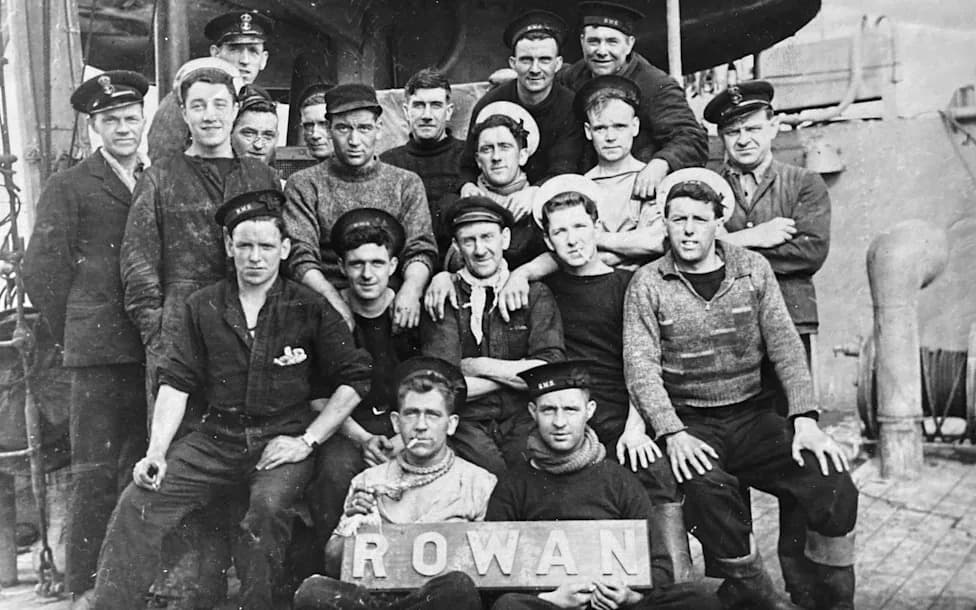
Leo Romyn, centre back, one of 'Churchill's Pirates', pictured with his crew on the trawler HMS Rowan, in 1940 - Christine Willis
In the spring of 1940, Winston Churchill — then First Lord of the Admiralty — paused on a British quayside and noticed men in grubby smocks working on a converted trawler. When told they were part of the Royal Naval Patrol Service, he grinned and remarked, 'They are like a lot of bloody pirates.' The name stuck, and so began the story of an improvised, indispensable force that helped keep Britain afloat.
The Threat From Below
Sea mines were the single greatest peril to British shipping in the early months of the Second World War. At the outbreak of hostilities the Royal Navy had only 31 dedicated minesweepers to guard roughly 20,000 miles of coastline. Germany’s early deployment of magnetic mines — 869 laid off England's east coast in the first four months — sank 79 merchant ships and destroyed some 262,000 tons of supplies. Hitler saw mines as a 'secret weapon' that might starve Britain into submission.
Improvisation And Courage
Fishing boats, whalers, pleasure yachts and other small craft were requisitioned from ports such as Hull, Grimsby and Aberdeen, refitted in as little as two weeks, and sent to sea with crews who often wore their fishing gear. Fish holds became mess decks and trawls were replaced with mine-sweeping gear. Training and armament were frequently rudimentary: some vessels carried little more than an Edwardian 12-pounder gun. That made them natural targets for Luftwaffe dive-bombers, who described the little ships as 'crackling in flames like a Christmas-tree.'
'In this form of monotonous warfare forced upon them, the crews of the minesweepers had to draw on deep reserves of a particular type of courage,' wrote one member of the Patrol Service. 'Not for them the fierce heat of a fight... for them the slow, grinding warfare against an enemy seldom seen.'
Men, Women And Machines
From an initial strength of roughly 4,000 men, the Royal Naval Patrol Service grew to more than 70,000 sailors serving in over 6,000 small ships by August 1945. Their duties ranged from sweeping mines and escorting convoys in the Arctic and Atlantic to hunting U-boats and patrolling the mangrove swamps of Burma. Over 700 women in the Women's Royal Naval Service supported the operation ashore.
The crews were an eclectic mix: seasoned fishermen who knew every shoal and tide, volunteers drawn from shops and offices, and surprising individual stories. Leo Romyn, a Lancing-educated trawlerman, famously waded into the sea off Bridlington to secure a 650lb German mine and later commanded HMT Rolls-Royce, which swept nearly 200 mines — more than any other ship in the Royal Navy.
Cost And Legacy
Losses were severe. The Patrol Service lost more ships than all other branches of the Royal Navy combined: at least 410 armed fishing vessels were sunk (over 251 of them trawlers) and about 20% of the roughly 500 wooden drifters were lost. Air attacks accounted for 77 armed trawlers and whalers sunk. At least 3,218 men died, many lost at sea with no known grave.
Churchill recognised their vital contribution: 'The work you do is hard and dangerous. You rarely get and never seek publicity; your only concern is to do your job, and you have done it nobly.' The small ships were often the first to prepare coastal approaches, escort convoys and clear the way for larger naval operations. Their efforts helped blunt Germany's mine campaign and kept vital supply lines open.
Remembering The Pirates
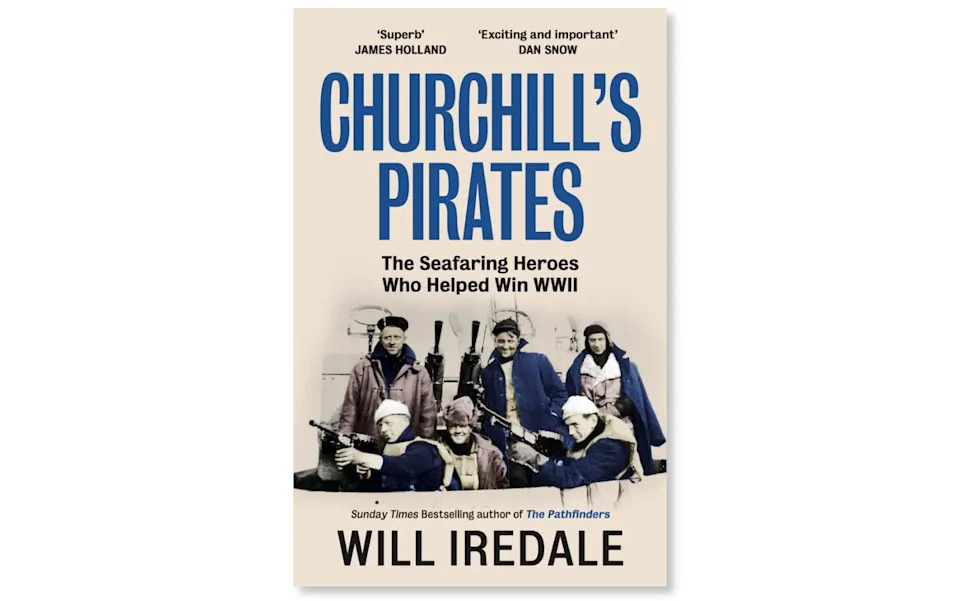
Despite their sacrifice and impact, the story of the Royal Naval Patrol Service has been relatively overlooked in mainstream histories. Thanks to veterans, associations such as the Royal Naval Patrol Service Association in Lowestoft, and new books, more of these stories are now being recorded and shared before the generation fades. Will Iredale’s book Churchill's Pirates: The Seafaring Heroes Who Helped Win WWII collects many of those accounts and brings renewed attention to this crucial but unsung chapter of the naval war.
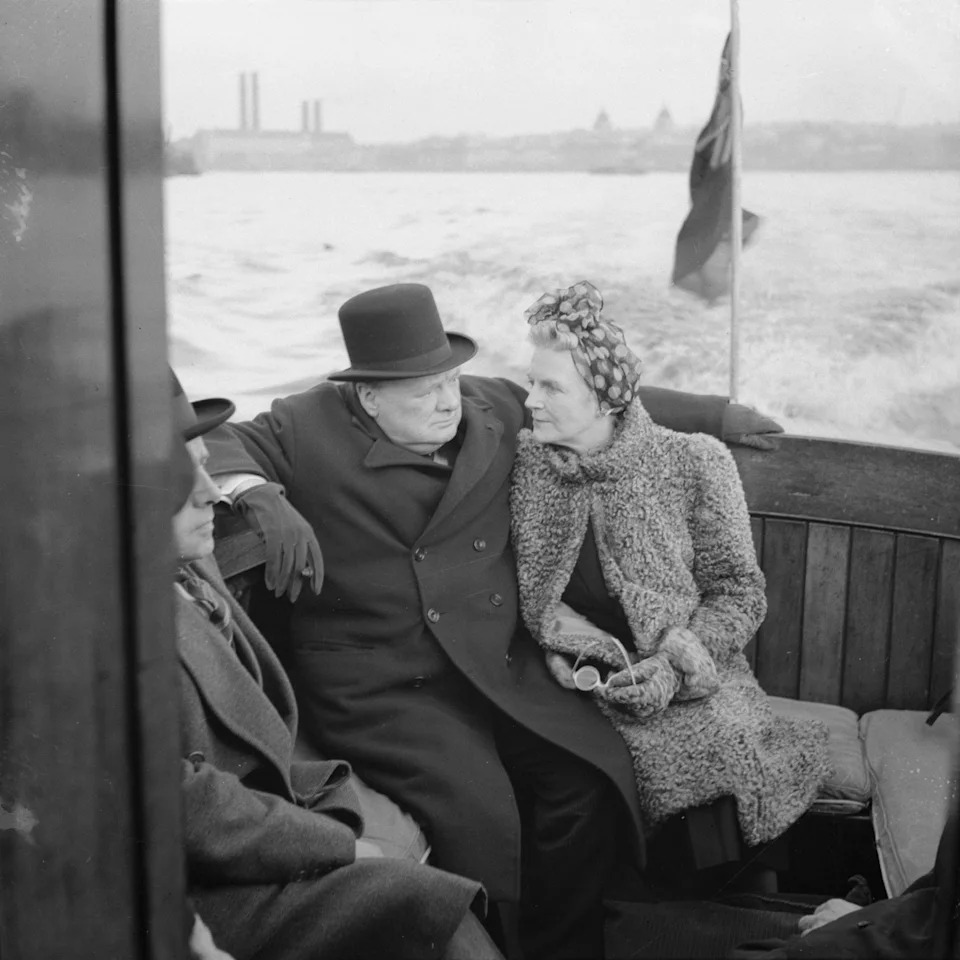
'They are like a lot of bloody pirates': Churchill and his wife, Clementine, on board a naval auxiliary patrol vessel in 1940 - Imperial War Museum
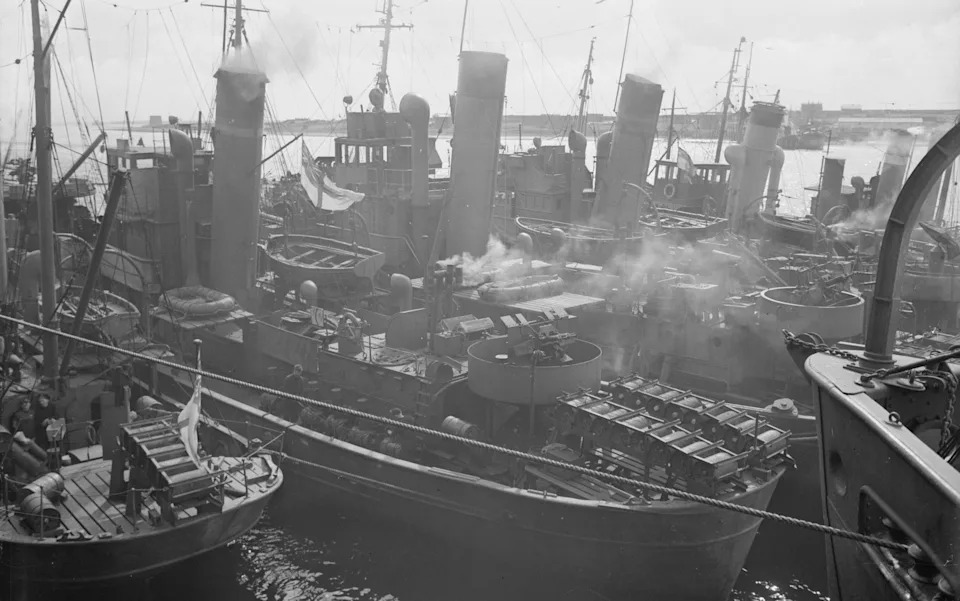
A ragtag of trawlers and drifters from the Royal Naval Patrol Service at Scapa Flow; around 70,000 sailors served in more than 6,000 ships - Imperial War Museum
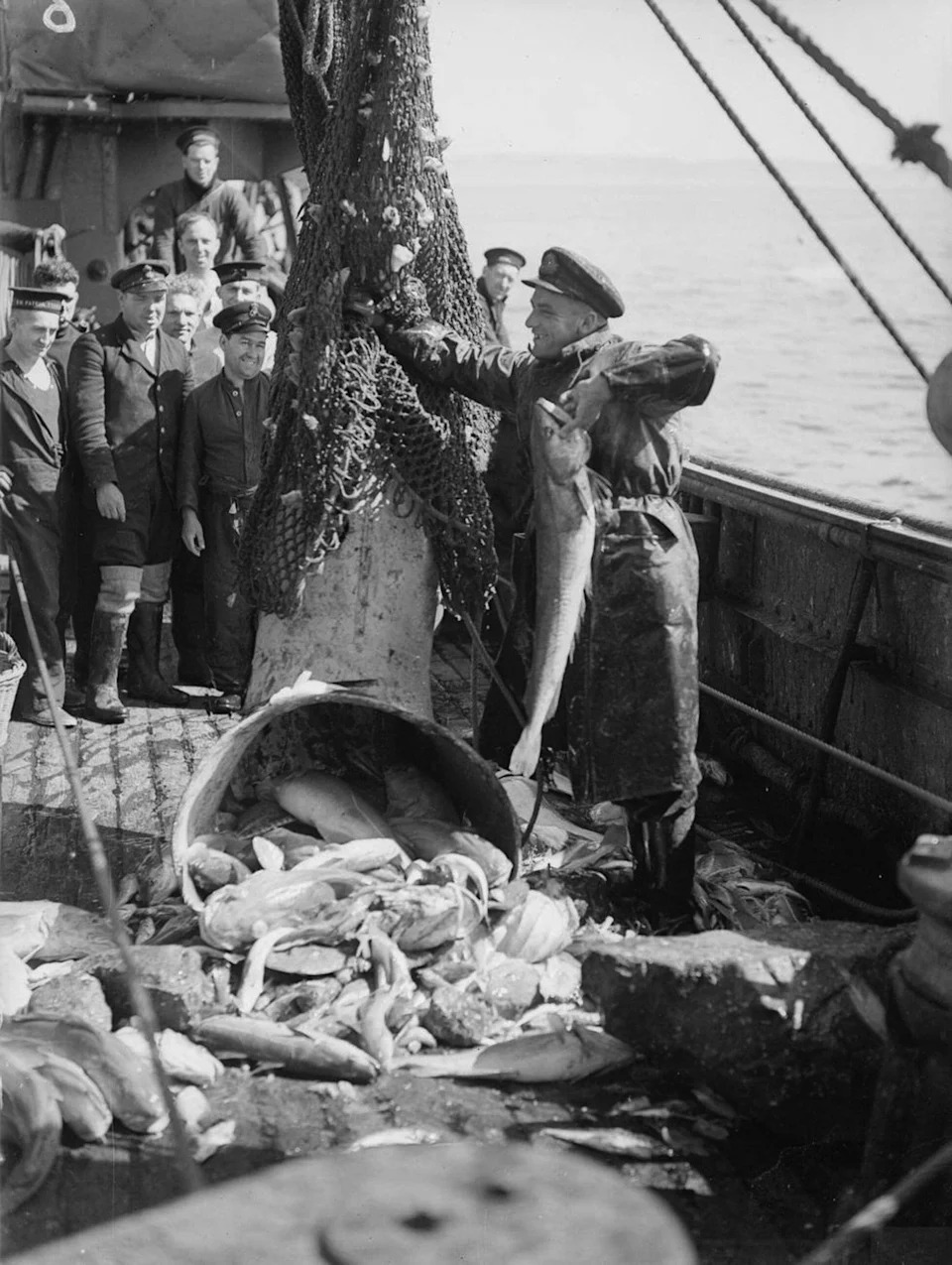
Ships were requisitioned from fishing ports, converted into fighting ships and their crews sent to sea still wearing fishing gear - piemags/ww2archive/Alamy Stock Photo
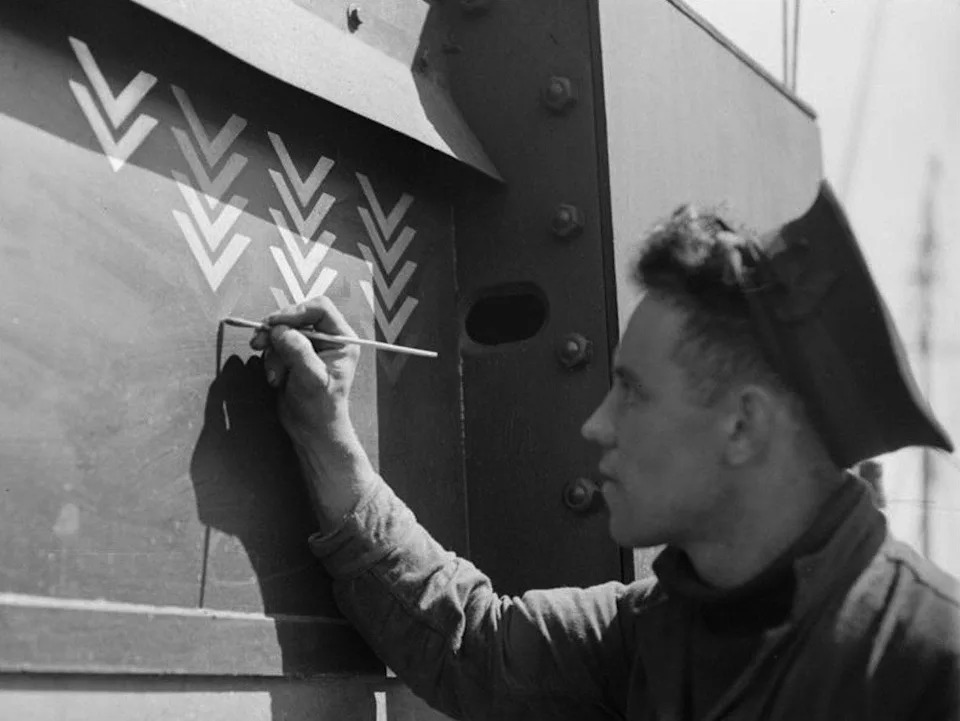
A crew member of a British minesweeping trawler paints a chevron on the ship's funnel to record another mine safely swept and destroyed - Royal Naval Patrol Service Association archives
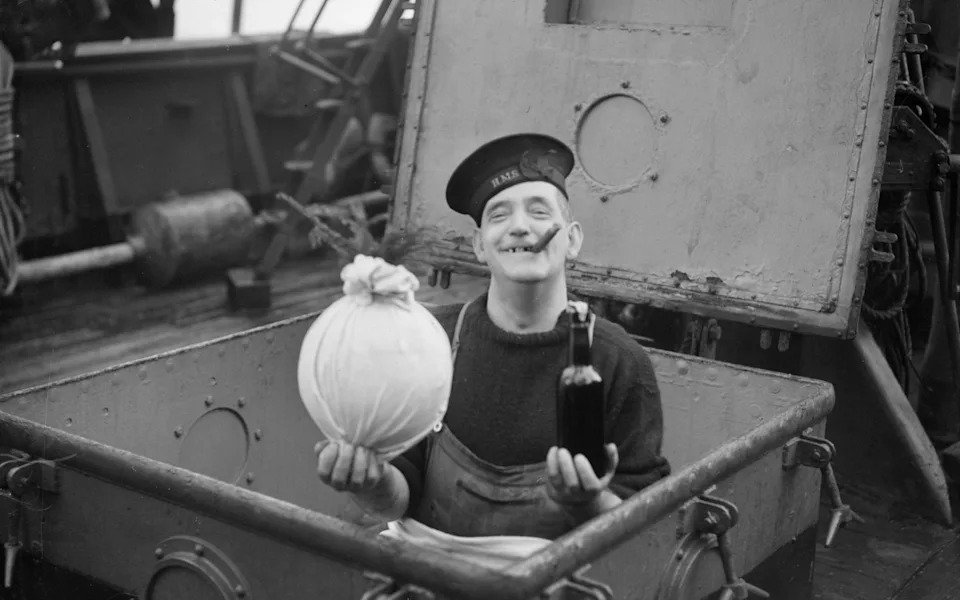
A stoker aboard the escort trawler HMS Turquoise gets ready to enjoy Christmas festivities, in December 1943 - Imperial War Museum
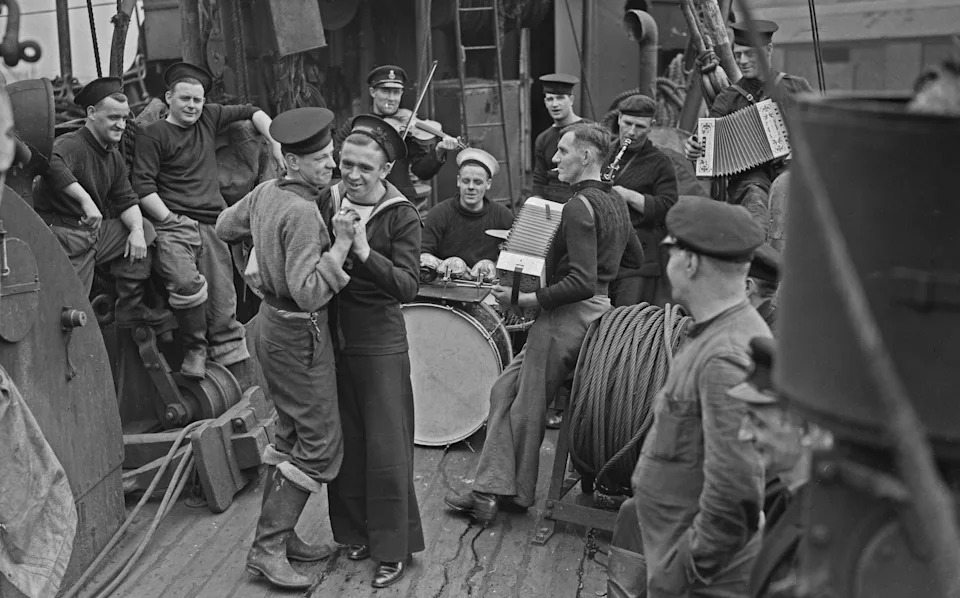
Sailors dance together as a band plays on the deck of the minesweeper HMS Hornbeam (T53), a former trawler - Popperfoto
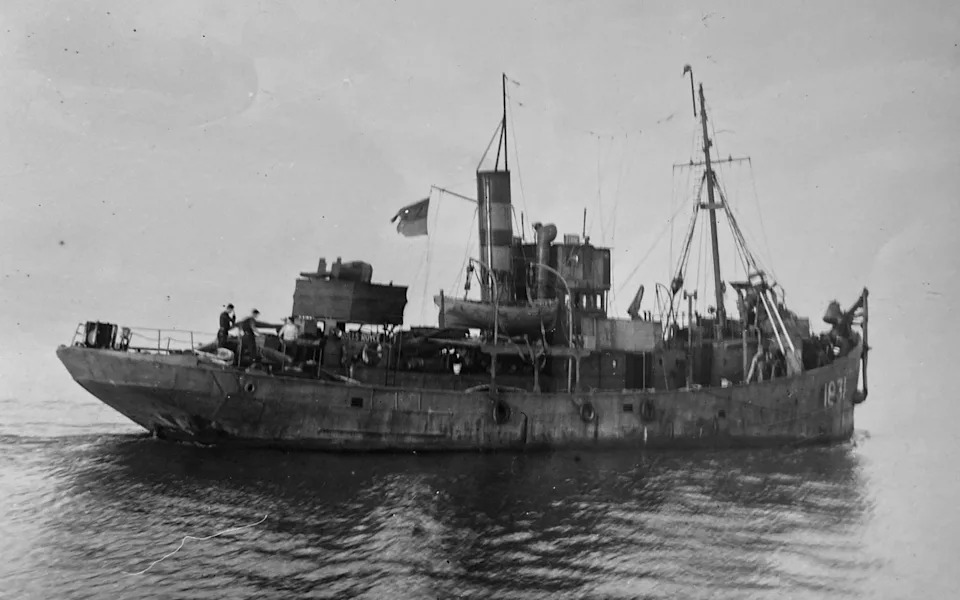
HMT Rolls-Royce, which swept almost 200 mines around Britain – more than any other ship in the Royal Navy - Christine Willis
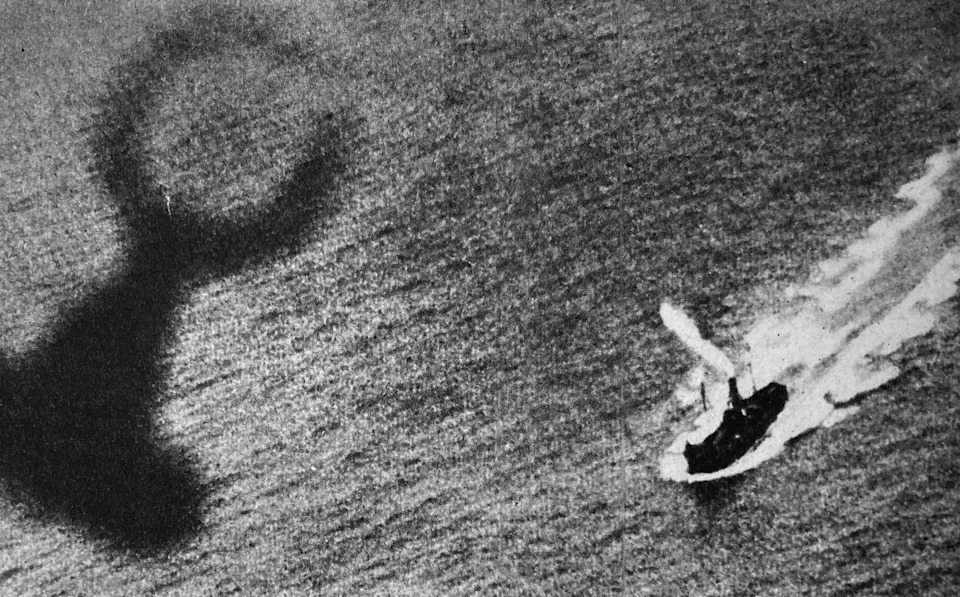
A British armed trawler as seen through the eyes of a German air gunner. By 1940, these vessels had a one in 10 chance of being sunk if attacked from the air - Originally released by the German government and published in LIFE Magazine on 5 Feb 1940
Help us improve.