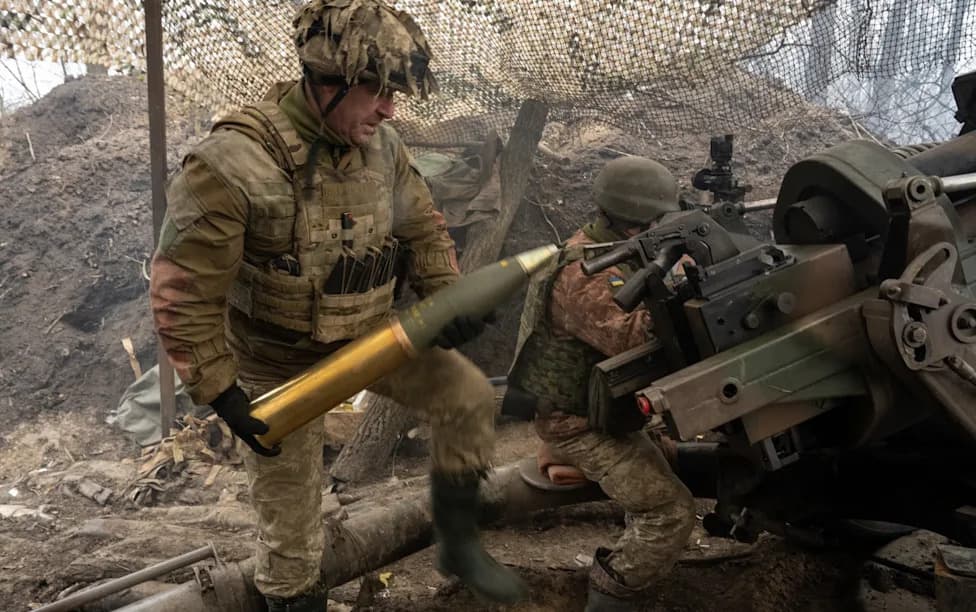
A Ukrainian soldier called Yankee told Business Insider that constant drone surveillance at the front's "zero line" can force troops to wait up to seven days to move as little as 300 meters. Successful movement usually requires weather conditions such as fog, rain, or strong winds, plus coordinated electronic-warfare jamming and MANPADS air-defence cover. While drones and robots reduce some exposure, personnel remain essential for many frontline tasks.
At Ukraine's 'Zero Line,' Drones Make Moving 300 Meters a Weeklong Gamble
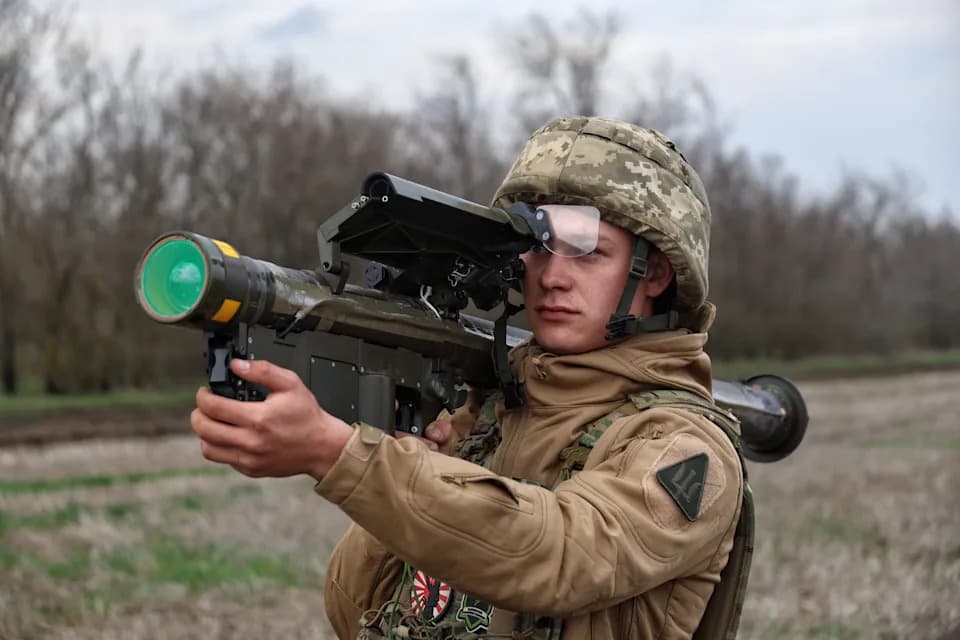
Yankee uses the man-portable air defense system (MANPADS) to give cover for Ukrainian infantry in the most dangerous areas of the war.Nina Liashonok/Ukrinform/NurPhoto via Getty Images
A Ukrainian front-line soldier known by the call sign Yankee told Business Insider that movement along Ukraine's forward-most positions — the so-called 'zero line' — can grind to a halt because of relentless drone surveillance and strikes. In some cases, he said, troops may wait as long as seven days to move only 300 meters.
Why Even Short Moves Are So Dangerous
Yankee described the logistics and risks involved in any forward movement: "If you want to sometimes move 300 meters, you can't move for seven days." He emphasized that such short relocations can be "a question of life and death." Successful moves often require a combination of favorable weather, coordinated electronic-warfare (EW) support, and synchronized action among multiple Ukrainian units.
Electronic Warfare And Weather Windows
Electronic-warfare teams attempt to detect and jam the radio frequencies Russian drones use to stay connected to their operators and receive video feeds. "You need to make sure you have a cover of radio frequencies," Yankee said, noting that jamming operations must be carefully coordinated to avoid disrupting Ukraine's own unmanned systems.
Weather is equally critical. Yankee said commanders wait for fog, rain, or strong winds — roughly 14 meters per second (about 31 mph) — that can obscure drone cameras or make many drones difficult to launch and control. Those natural conditions, when combined with EW measures and ground defenses, create brief windows for safer movement.
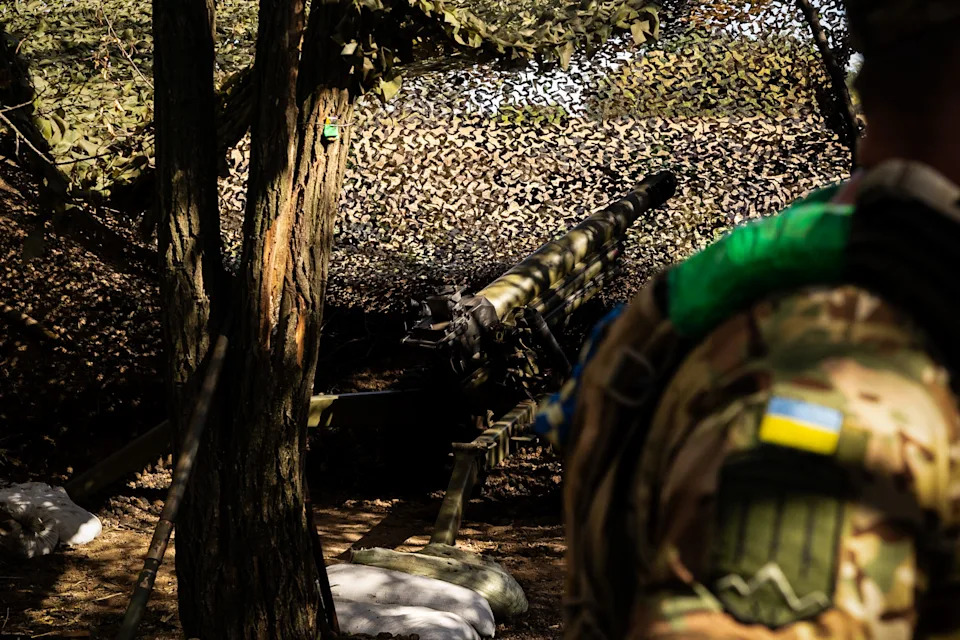
Movement is dangerous at the zero line, where Russian troops are nearby and drones are always searching for targets.Vincenzo Circosta/Anadolu via Getty Images
Air-Defense And Tactics At The Front
Yankee serves as a battery sergeant in a front-line unit equipped with man-portable air-defense systems (MANPADS). These shoulder-fired missiles can engage drones, missiles, and low-flying aircraft, providing air-defense coverage at the zero line and along approach routes. Units also reduce risk by spreading soldiers farther apart while moving to avoid multiple casualties from a single strike.
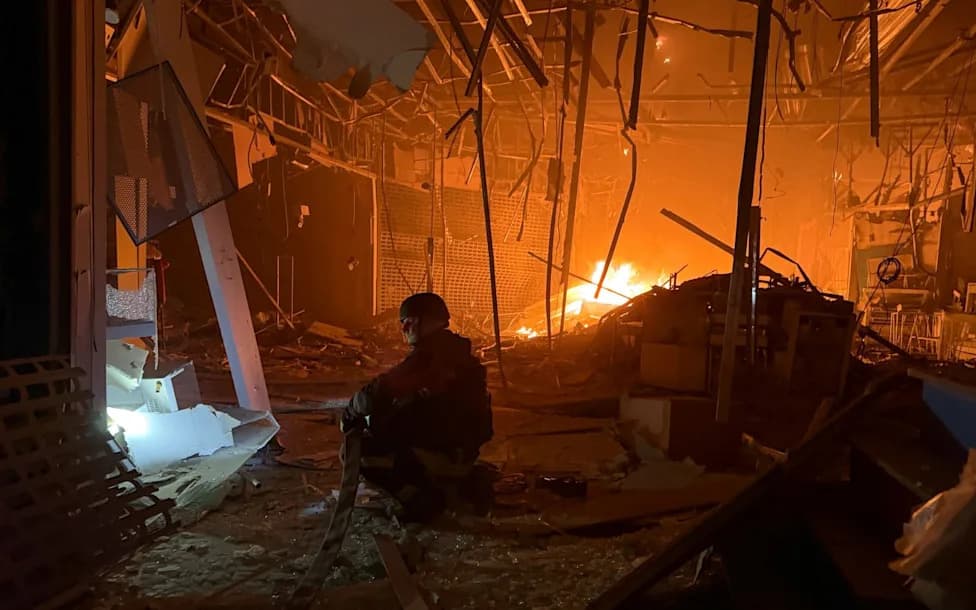
Troops rotating into or through the zero line have described being trapped there for months. The area combines dense drone surveillance, long-range strikes, and the real threat of close combat with Russian patrols and infiltration teams searching for weaknesses.
Beyond The Forward Edge
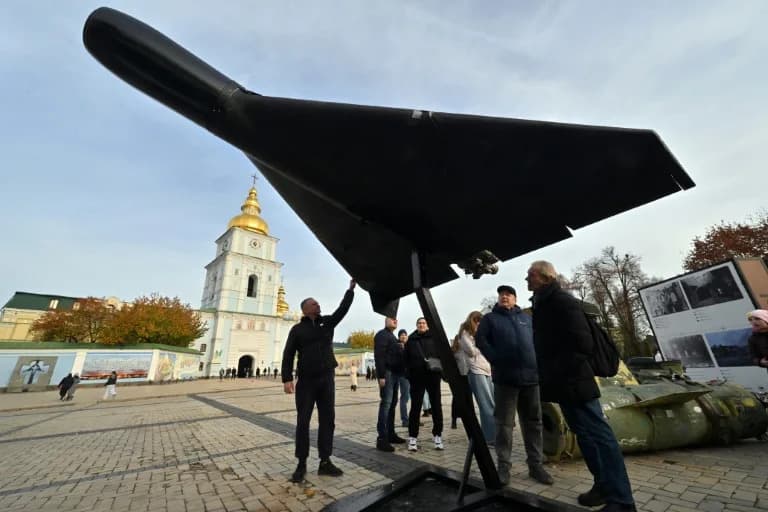
Danger is not confined to the immediate zero line. Ukrainian officials and soldiers describe an extended "kill zone" that can stretch up to 50 kilometers from the zero line on both sides, where attack and surveillance drones threaten vehicles and forces well behind the front. Ukrainian President Volodymyr Zelenskyy has called this area a "death zone," saying many vehicles that enter it are destroyed by drones.
Technology Reduces Risk — But Does Not Replace Soldiers
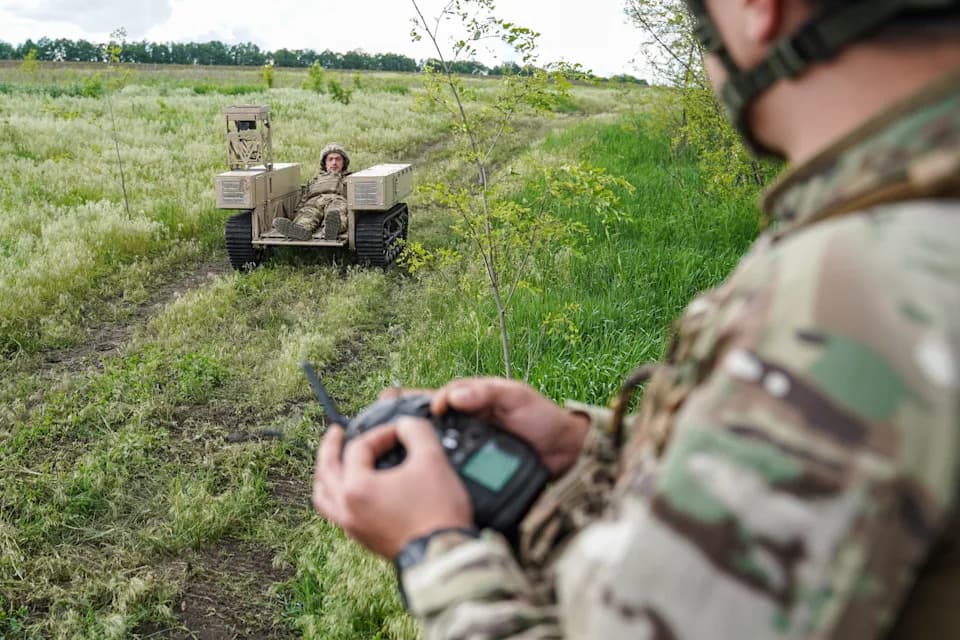
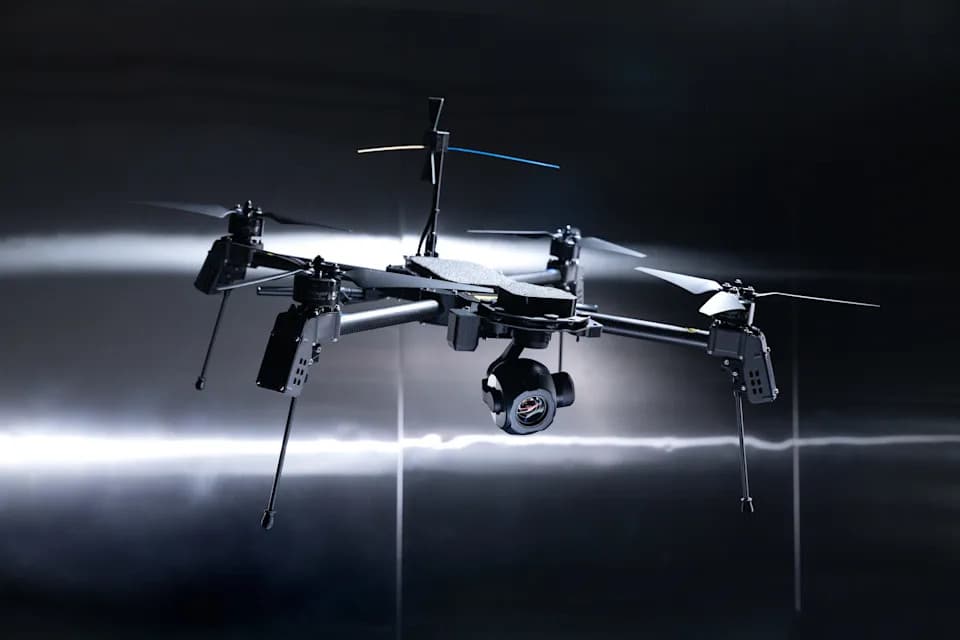
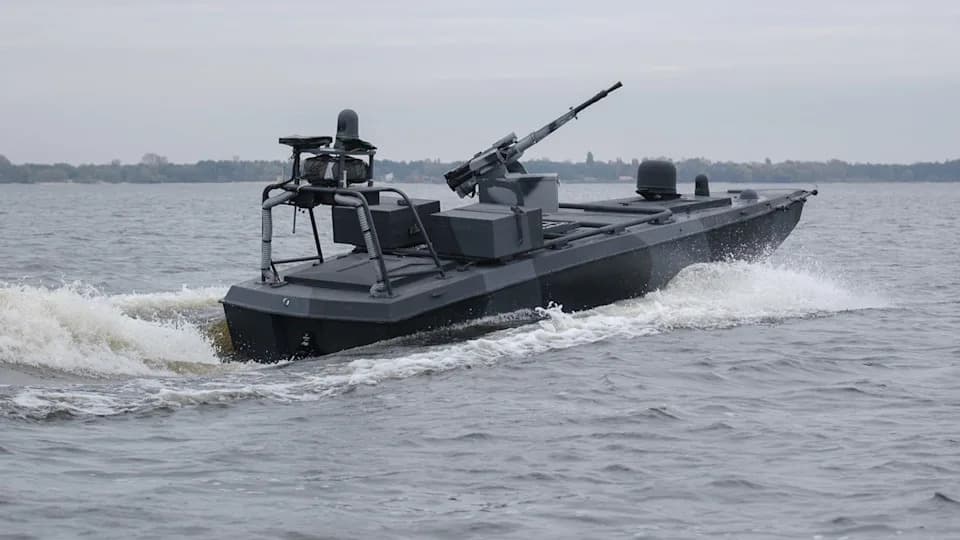
Ukraine is increasingly using reconnaissance drones and ground robots to conduct risky tasks so troops are exposed less often, but human operators remain essential to operate weapons, prepare and manage uncrewed systems, and hold forward positions. For now, technology can lower some risks at the front but cannot fully remove soldiers from harm's way.
Yankee made these remarks while participating in Operation Legio, a Norway-led multinational program training and equipping Ukrainian land forces in Poland, where he said he is learning NATO standards and tactics to apply once he returns to the front.
Help us improve.