Independent left-leaning media — from podcasts and YouTube channels to digital outlets — is reshaping Democratic politics by giving anti-establishment candidates new paths to audiences and influence. Disillusionment with legacy networks and growing institutional mistrust have driven many progressives online, where creators and niche outlets both boost candidates and probe public officials. The trend has produced measurable audience growth, sharper scrutiny of campaigns, and occasional public fractures within the progressive movement.
How Independent Left-Wing Media Is Reshaping Democratic Politics
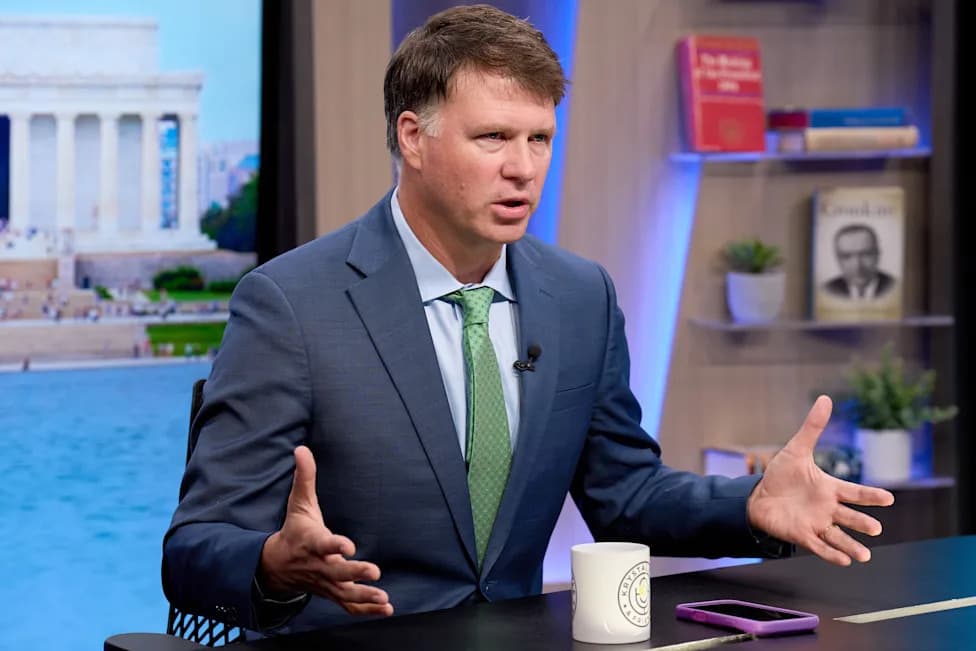
Ryan Grim records a segment for the YouTube daily news show, Breaking Points, Monday, July 27, 2026, in Washington. (AP Photo/Jacquelyn Martin)(AP Photo/Jacquelyn Martin)
NEW YORK — A new, independent media ecosystem on the left is changing how many progressive Americans get news and how Democratic campaigns are run. Disillusioned with legacy networks, some voters now turn to podcasts, YouTube channels, livestreamers and niche digital outlets that amplify anti-establishment candidates and press elected officials in ways traditional outlets often do not.
From Network News To Creator Channels
Farah Berent, a teacher in Michigan, said she abandoned ABC, CBS and CNN after concluding that their coverage of the war in Gaza overlooked Palestinian suffering. "I couldn't stand all the lies on the stations," she said. "I started going to Instagram to get my news." Berent is one of many progressive-minded Americans who have migrated away from legacy outlets toward social platforms and independent creators.
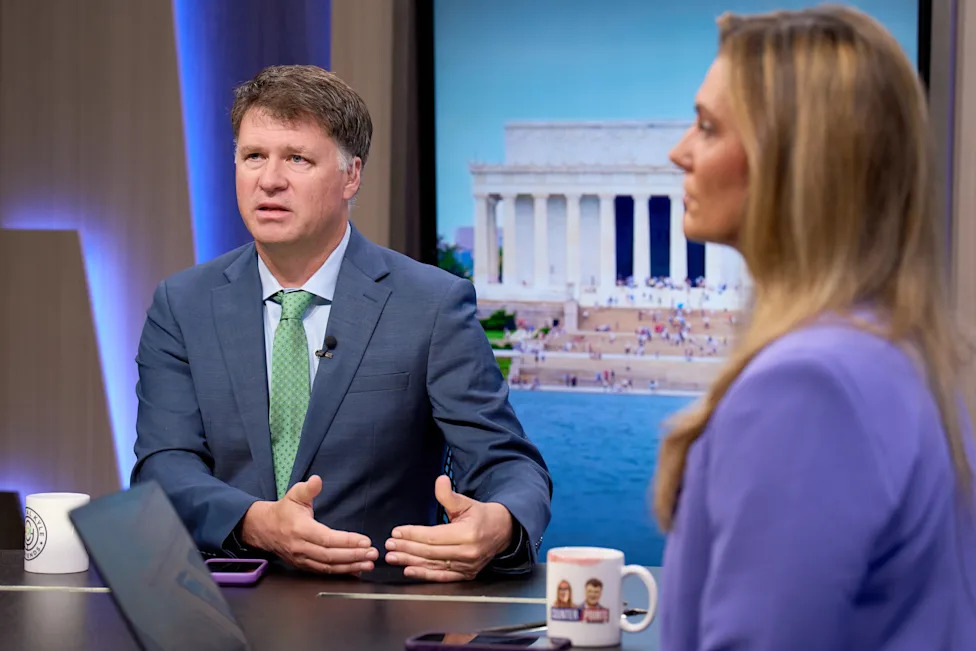
Ryan Grim, left, and Krystal Ball record a segment for the YouTube daily news show, Breaking Points, Monday, July 27, 2026, in Washington. (AP Photo/Jacquelyn Martin)(AP Photo/Jacquelyn Martin)
New Gatekeepers, New Paths To Power
Independent outlets, commentators and creators have formed an increasingly influential ecosystem. Podcasts, YouTube shows and digital journalism organizations provide candidates with direct routes to engaged audiences, reducing reliance on traditional gatekeepers.
"In a change from previous election cycles, they have ways to get covered even if the mainstream just basically ignores them," said Ryan Grim, co-founder of Drop Site News.
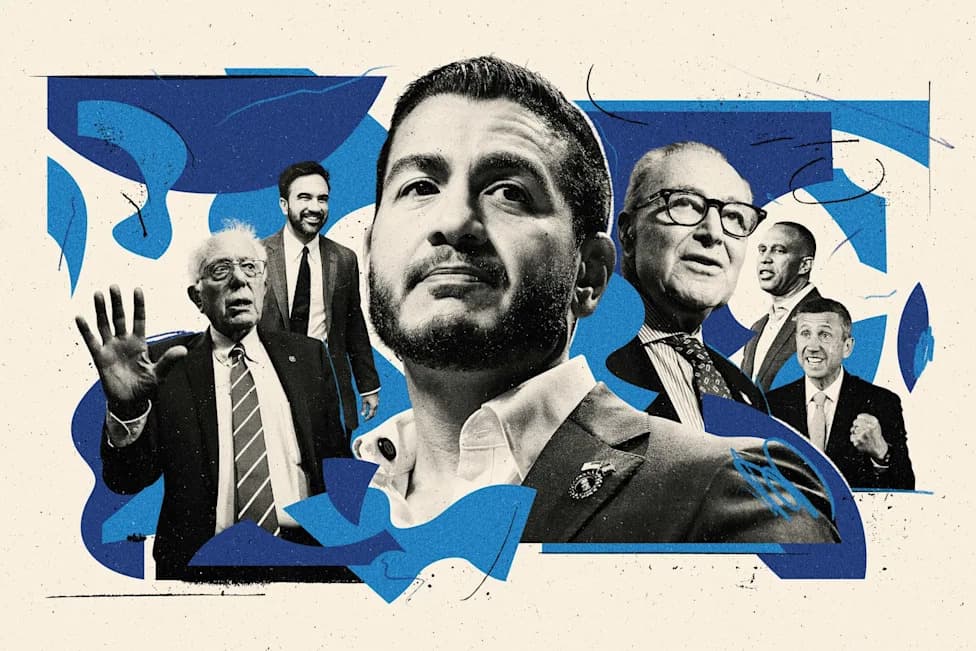
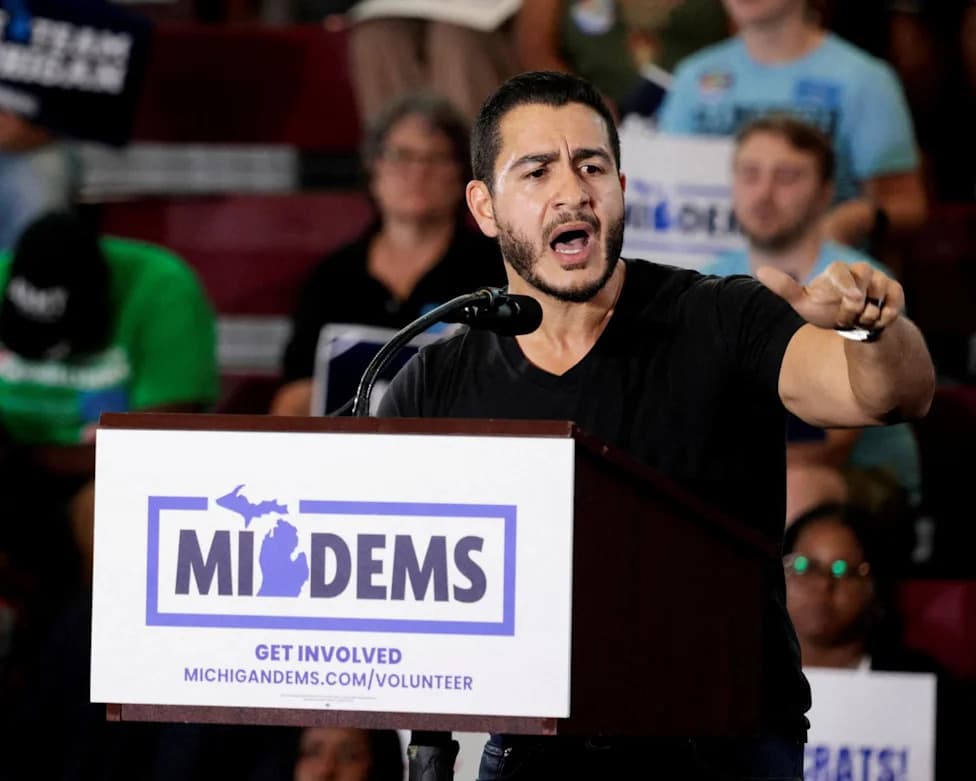
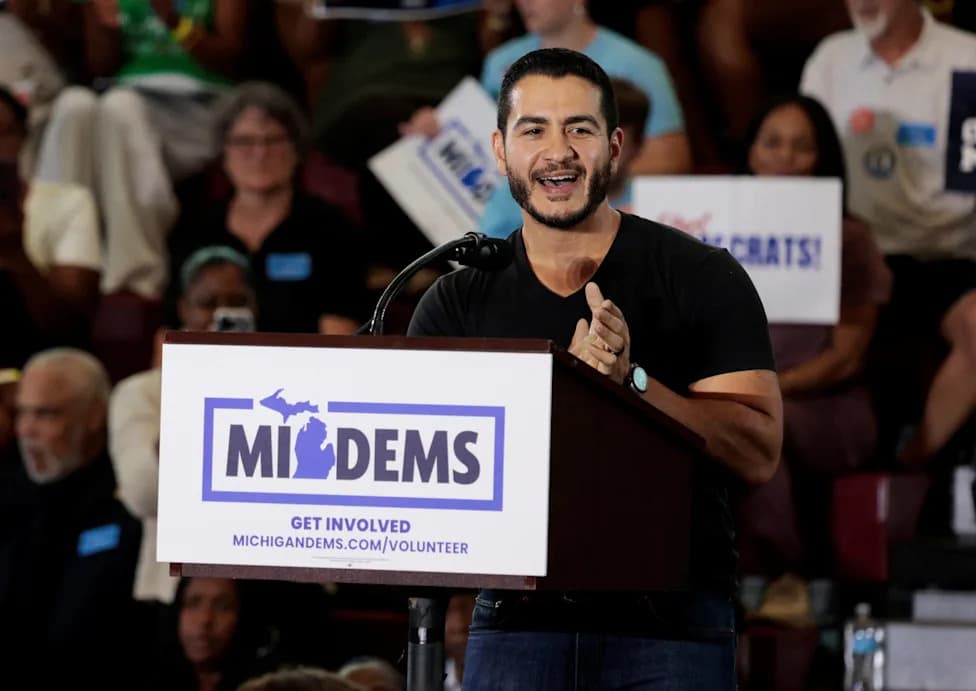
That shift has helped lift anti-establishment, left-leaning candidates into competitive races. One example: Abdul El-Sayed, running for U.S. Senate in Michigan, has leaned on independent media to reach voters ahead of the Aug. 4 primary against U.S. Rep. Haley Stevens. El-Sayed, a longtime podcaster himself, said he appears on a wide range of platforms — from Fox News to Twitch — to reach different audiences.
Local Races, National Trends
In New York City, progressive challengers backed by Mayor Zohran Mamdani defeated establishment-supported candidates, fueled in part by YouTube videos and podcasts that introduced voters to insurgent candidates. Sara Hyler, a policy analyst in East Harlem, said she switched her support after finding content about Darializa Avila Chevalier on YouTube and podcasts produced by outlets such as MeidasTouch.
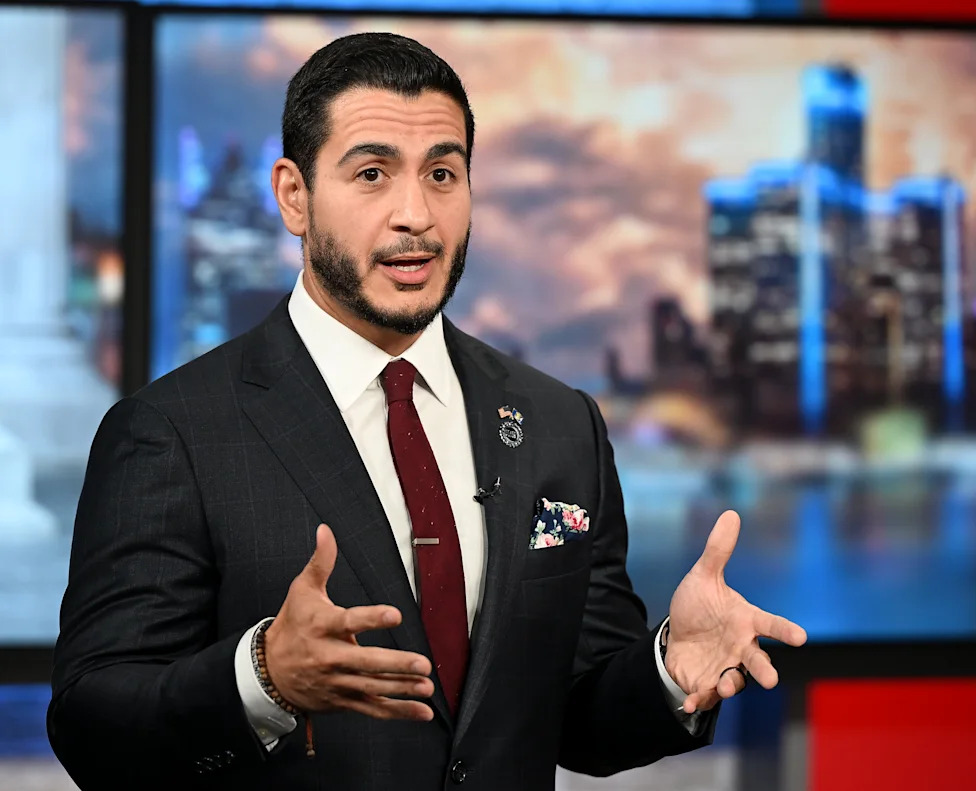
Abdul El-Sayed speaks during a U.S. Senate debate with U.S. Rep. Haley Stevens, Monday, July 27, 2026, in Southfield, Mich. (Robin Buckson/Detroit News via AP, Pool)(Robin Buckson/Pool Detroit News via AP)
Academics and consultants trace the left's media evolution to earlier moments, including Senator Bernie Sanders' 2016 campaign and the growth of left-leaning channels like The Young Turks and Chapo Trap House. That momentum, combined with growing institutional distrust, has created fertile ground for an anti-establishment media politics that now reaches broader segments of the Democratic base.
Platforms, Numbers And Influence
Some independent platforms report rapid audience growth. Drop Site says it has amassed about 800,000 free subscribers and roughly 60,000 paid subscribers since launching two years ago. Other outlets and creators — including YouTube channels such as Secular Talk and Breaking Points, streamers like Hasan Piker, and journalism groups like More Perfect Union and The Lever — have also expanded their reach.
The Democratic National Committee has responded by amplifying its own digital offerings. The DNC's rapid-response account @FactPostNews reported more than 2 billion impressions across Threads, X, Facebook, Instagram and Bluesky in 2026, an effort officials say is aimed at countering disinformation and mobilizing voters around the prospect of a Trump return to the White House.
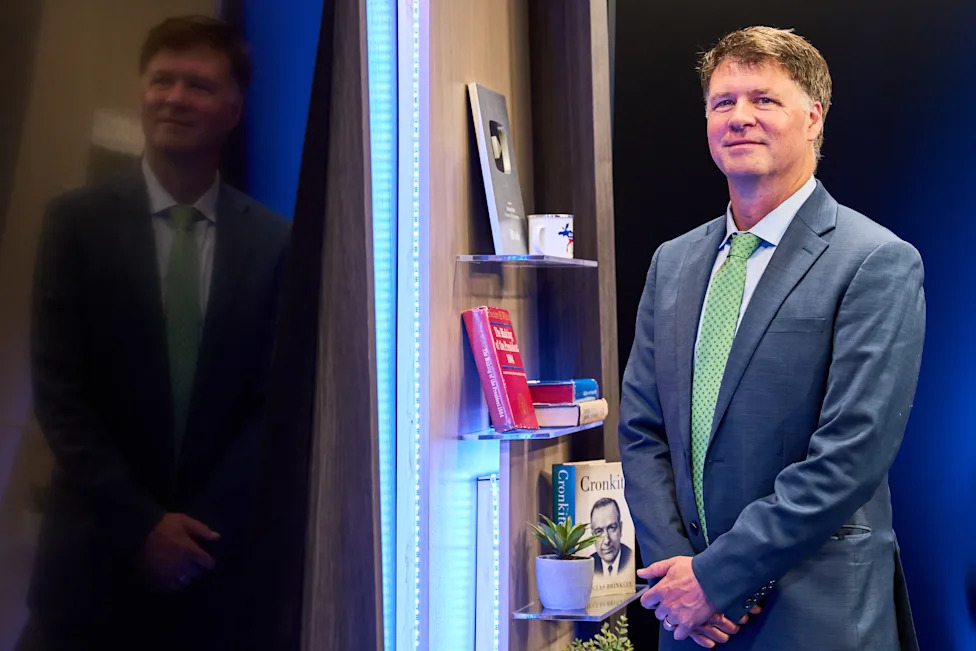
Ryan Grim, of the YouTube daily news show, Breaking Points, poses for a portrait, Monday, July 27, 2026, in Washington. (AP Photo/Jacquelyn Martin)(AP Photo/Jacquelyn Martin)
Tensions And Accountability
The rise of independent left-leaning media has produced both greater scrutiny of politicians and occasional public disputes within the progressive movement. Investigative reporting from independent outlets has prompted campaign changes — for example, Haley Stevens parted ways with a consultant after Drop Site revealed a past connection to Palantir, a tech firm controversial among liberals because of its government contracts.
At times, independent outlets face criticism for how they handle sensitive matters. Ryan Grim, for instance, was criticized after reporting that many saw as undermining a sexual-assault allegation involving a failed Maine candidate. Grim defended his approach as providing context. More broadly, independent journalists have also pressed lawmakers directly on fraught issues; a Drop Site interview with Rep. Ro Khanna included tough questioning about Hamas' Oct. 7, 2023, attack — an exchange that drew attention and debate.
Supporters argue independent outlets hold public figures accountable and offer voters a wider range of perspectives. Critics warn about fragmentation, varying editorial standards, and the potential for echo chambers.
What This Means For Voters And Campaigns
The media shift is changing campaign strategy: candidates can now cultivate supporters and raise funds through creator-driven audiences and niche outlets, even when mainstream coverage is limited. At the same time, the proliferation of voices can intensify intra-party scrutiny and public disagreement.
As the Michigan primary and other contests play out, the influence of independent left-leaning media will be tested: will these platforms continue to expand their role in candidate discovery and accountability — and how will traditional institutions respond?
Associated Press writer Joey Cappelletti in Grand Rapids, Michigan, contributed to this report.
Help us improve.