Hundreds of reader letters collected ahead of the November midterms express broad frustration with the U.S. two‑party system. Many independents — and some party members — say parties have become rigid, self‑serving and exclusionary, especially around primaries. Correspondents urge judging candidates on platforms, expanding choices, and considering reforms such as term limits or new party options. These views underscore independents’ rising influence in this election cycle.
Abolish Political Parties? Readers Say Independents Want Freedom From Partisanship
In the final weeks leading up to the 2026 midterm elections, USA TODAY readers seem to share one unifying sentiment. Read those responses in our Opinion Forum.
In the closing weeks before the November midterm elections, unified messaging from either major U.S. party is rare. Yet reader responses gathered by USA TODAY reveal widespread frustration not just with particular candidates but with the two‑party system itself. Hundreds of independents — and many registered party voters — described a political landscape that leaves them uninspired, sidelined and eager for change.
Reader Voices
Elizabeth Kearns, Florida: I registered as an independent more than 50 years ago and have voted across party lines. Over the last two decades, both parties hardened into lock‑step institutions focused on power, restrictive voting rules and stoking anger. When so many of us are unaffiliated, we should have more influence. It’s also unfair that taxpayers fund public elections while many independents are barred from closed primaries — public money, private voting.
Pietro G. Poggi, California: I’m a democratic socialist who must register as a Democrat to have influence in California. Corporate interests often block progressive candidates, and independents typically don’t organize from within. Because independents are a substantial electorate, campaigns must court them — yet candidates frequently dilute their values to avoid alienating this group.
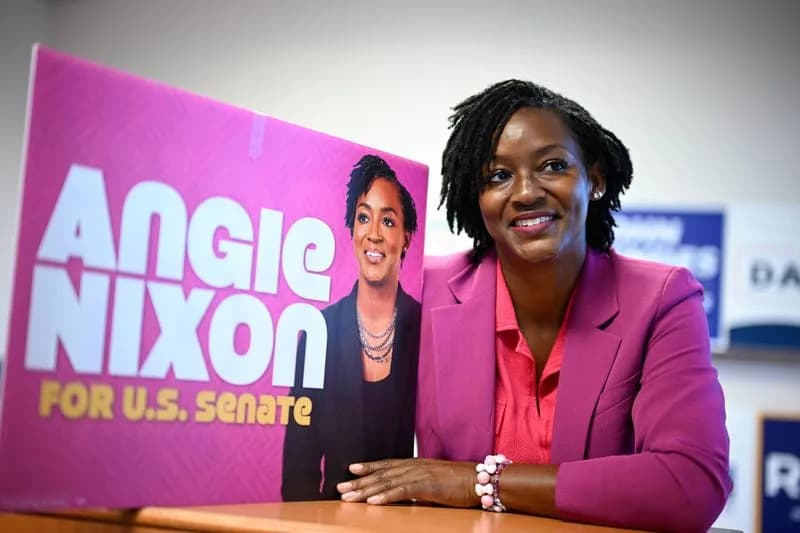
Context: Progressives have gained momentum following grassroots wins like the campaign of New York City Mayor Zohran Mamdani. Notable progressive contenders mentioned by readers include Abdul El‑Sayed, the Democratic Senate nominee in Michigan, and Florida state Rep. Angie Nixon, who is active in her local Democratic Socialists of America chapter.
Jeffrey Aron, New York: Independents do not vote as a single bloc except in rejecting membership in either major party. The common misconception is that independents secretly align with Democrats or Republicans — in truth, many refuse to be boxed by partisan labels and want candidates judged on their ideas.
Aria Bango, New York: I’m registered as a Democrat but disagree with much of both parties. The Electoral College and primary systems entrench Democrats and Republicans and make it difficult for new parties to gain traction. More choices would benefit voters.
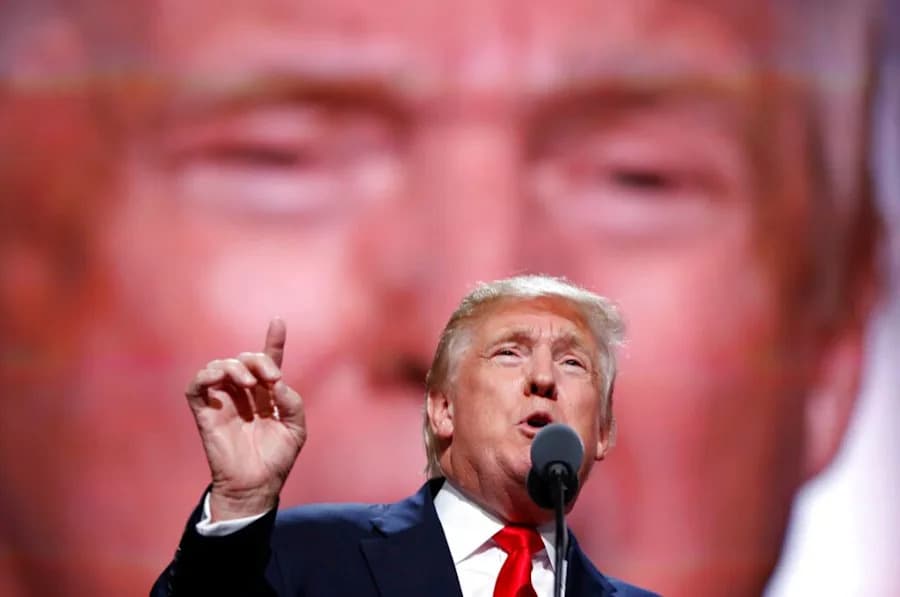
On The Campaign Trail: Republicans gathered at the American Airlines Center in Dallas for a two‑day midterm convention headlined by President Donald Trump. The event aimed to energize the GOP ahead of the Nov. 3 election amid sagging approval linked to the Iran war and cost‑of‑living concerns.
Natalie Staffileno, West Virginia: I’ve been independent since I was 18. I believe parties should be eliminated and voters should pick candidates based on platforms, not labels. Independents are often sidelined in key races, yet many of us are moderates who want to think freely rather than follow party doctrine. I support term limits and structural reforms to reduce careerism in politics.
Mike Dineen, Florida: Growing up in a Democratic household, I now register as independent because neither major party fits entirely. Independents push candidates to explain policies in depth and demand principled leadership rather than party loyalty. Campaigns today often feel like expensive businesses that prioritize fundraising and re‑election over civic service.
What Readers Are Saying
Collectively, these letters show a growing unease with party polarization and gatekeeping. Readers propose varied remedies — abolishing parties, creating new parties or reforming existing ones from within, expanding primary access, imposing term limits and re‑centering elections on candidates’ platforms rather than party brands. With independents growing in number and influence, campaigns and parties are being forced to pay closer attention.
If you’d like to share your view, USA TODAY’s Forum accepts submissions at [email protected] or by voicemail at (202) 655‑3923.
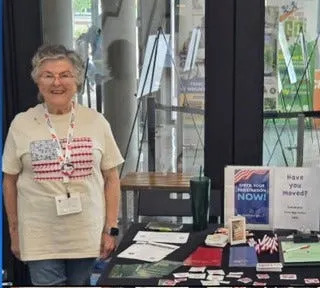
Longtime independent voter Sandi Hebley of Texas said she's cast ballots for candidates based on their stances and not on their party affiliation. The retired nurse from Dallas, Texas, also volunteers as a poll worker in Dallas County during elections and helps people register to vote.
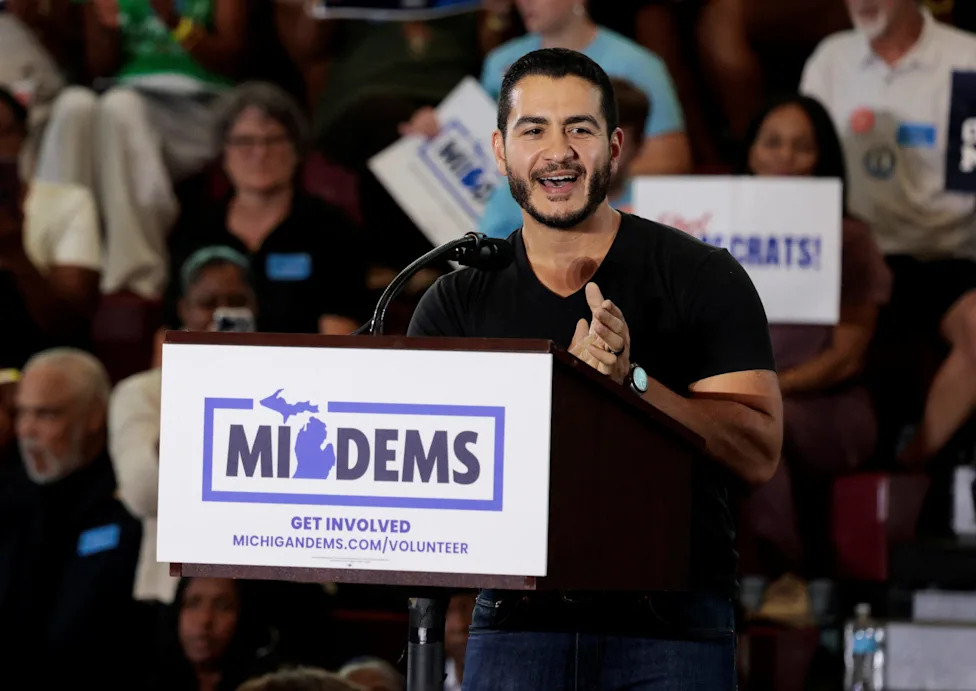
Democrats saw a burst of momentum following the successful campaign ofNew York City Mayor Zohran Mamdani. From grassroots movements to national races, here are theprogressive candidates running in 2026 midterms.Abdul El-Sayed is a former Detroit-based public health official who is Michigan's Democratic candidate for U.S. Senate. He is a progressive, defeating the more moderate U.S. Rep. Haley Stevens in the primary, but El-Sayed has said he is not a democratic socialist.(Rebecca Cook, REUTERS)
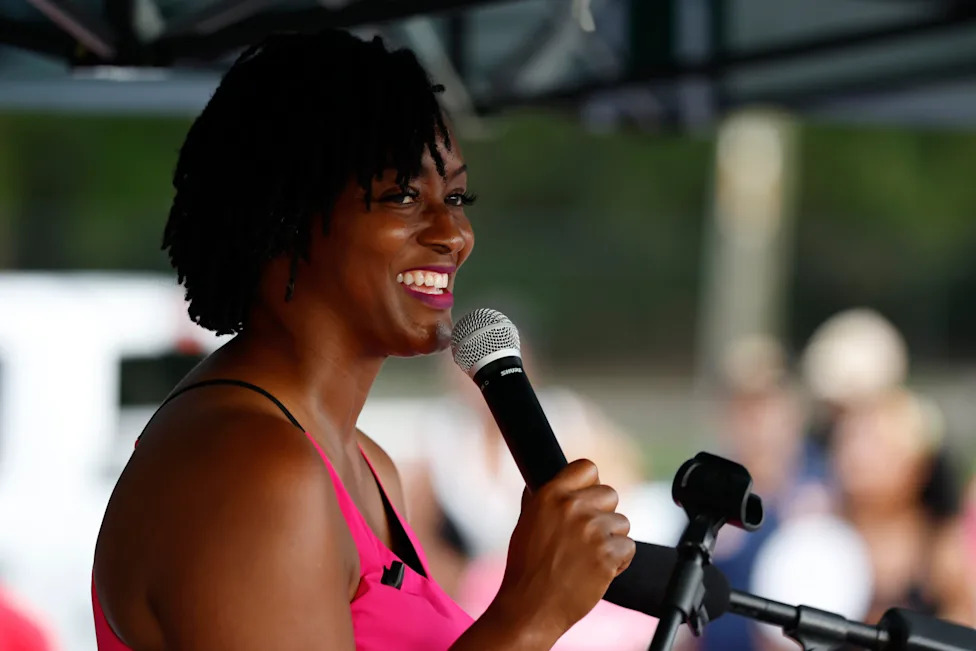
DemocraticU.S. Senate nomineeand Florida state Rep. Angie Nixon is a member of her local chapter of the Democratic Socialists of America.(Corey Perrine/Florida Times-Unio, USA TODAY Network via Reuters Co)
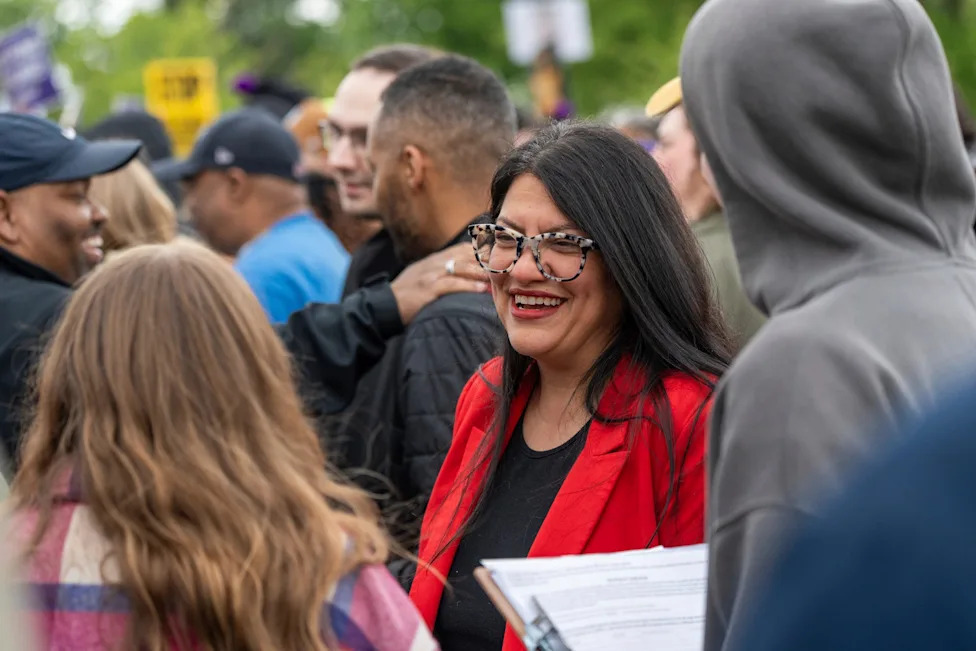
Michigan 12th U.S. District Rep. Rashida Tlaib is one of two Democratic Socialists of America members in Congress, and she is running for reelection.(Ryan Garza, USA TODAY Network via Reuters Connect)
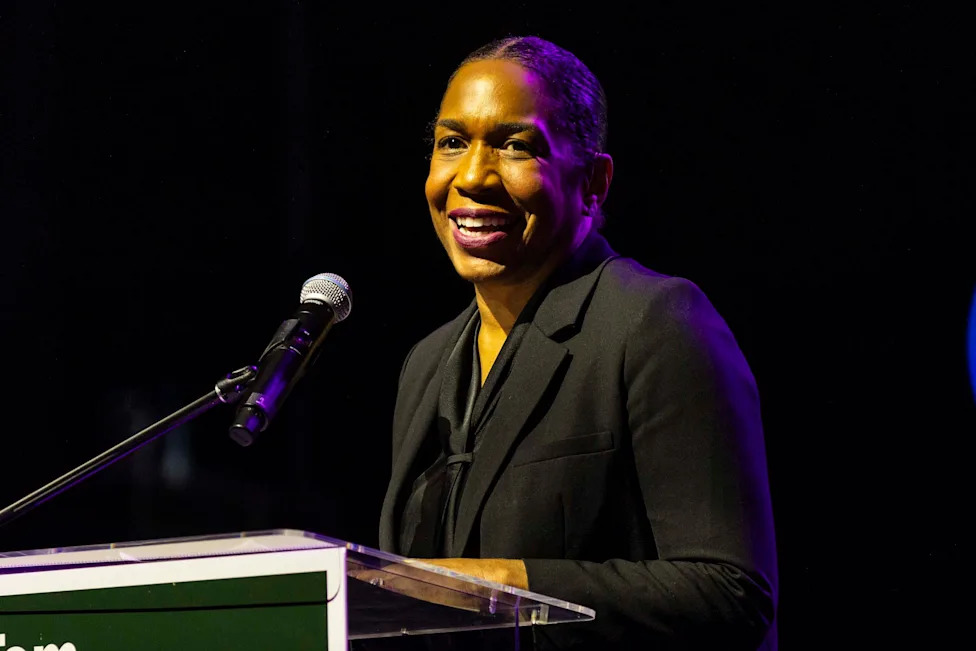
Illinois Lt. Gov. Juliana Stratton is the state's Democratic nominee for it's Senate race, but like El-Sayed, she is a progressive left candidate who does not identify as a democratic socialist.(Kara Hawley/Rockford Register St, USA TODAY Network via Reuters Connect)
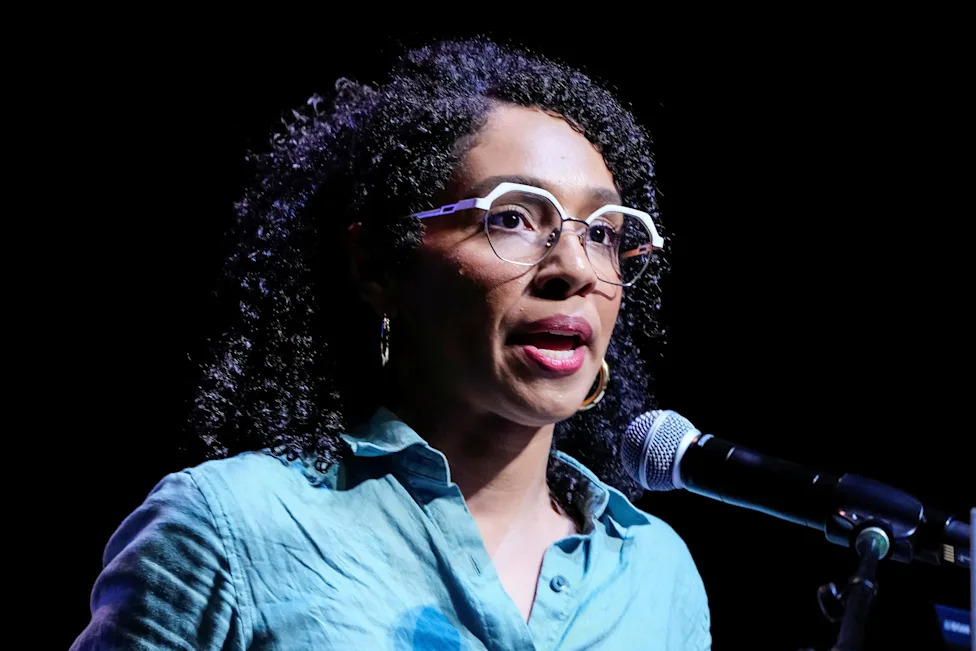
Darializa Avila Chevalier is the Democratic nominee for New York's 13th Congressional District. She was endorsed by the Democratic Socialists of America's New York City chapter, which she is a member of.(Eduardo Munoz, REUTERS)
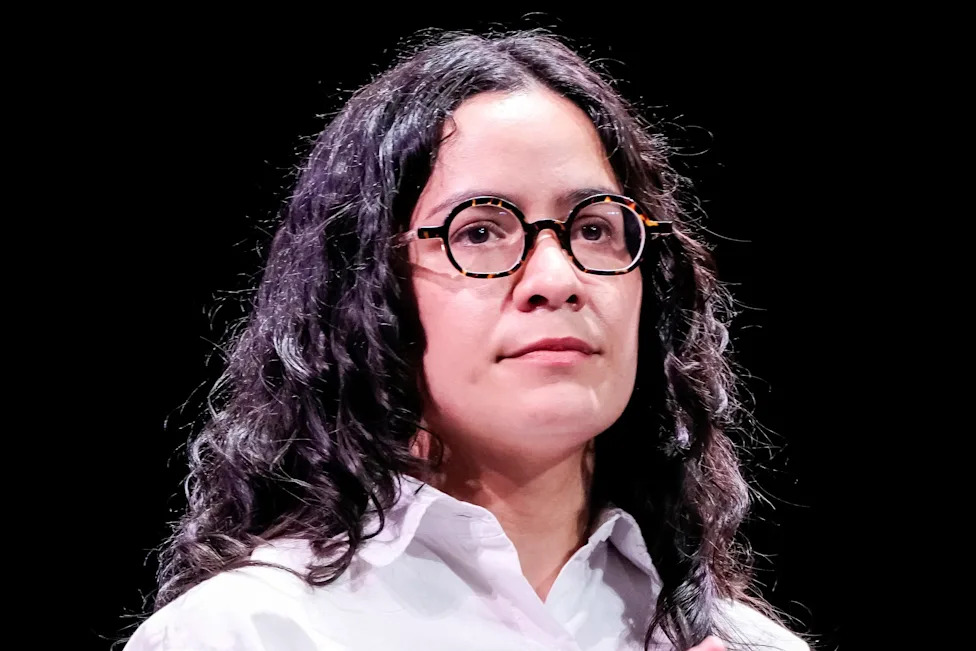
New York state Rep. Claire Valdez is the Democratic nominee for New York's 7th Congressional District. She is a a leader in the New York City Democratic Socialists of America, and they endorsed her.(Eduardo Munoz, REUTERS)

Wisconsin state Rep. Francesca Hong lost in the Democratic primary to Milwaukee County Executive David Crowley, the more moderate pick. Hong is a Democratic Socialists of America member.(Mark Hoffman / Milwaukee Journal, USA TODAY Network via Reuters Co)
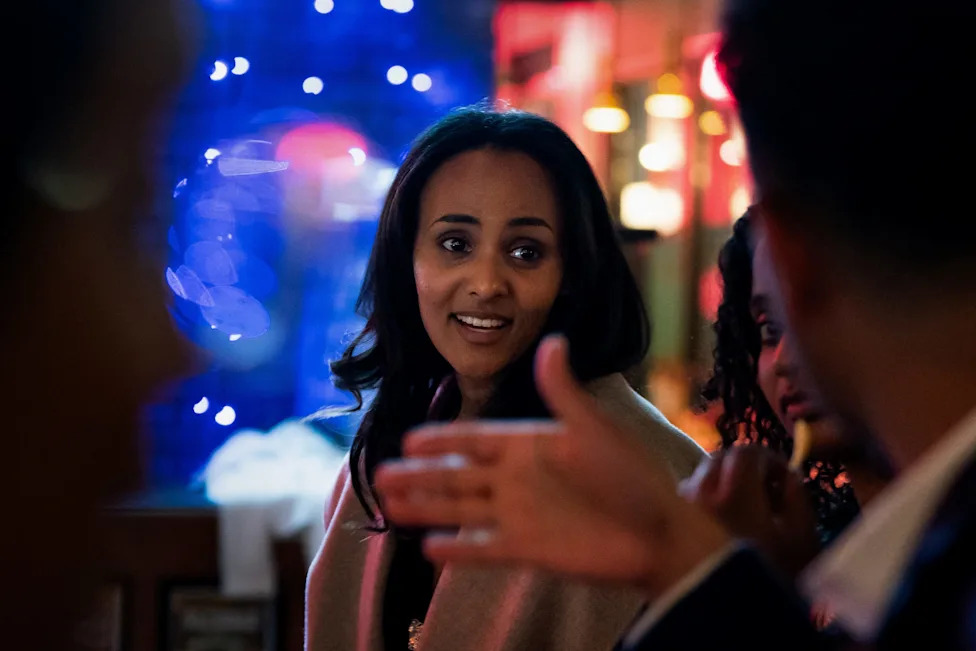
In Colorado, democratic socialist Melat Kiros is the Democratic candidate for the U.S. House of Representatives from Colorado's 1st Congressional District.(Elizabeth Frantz, REUTERS)
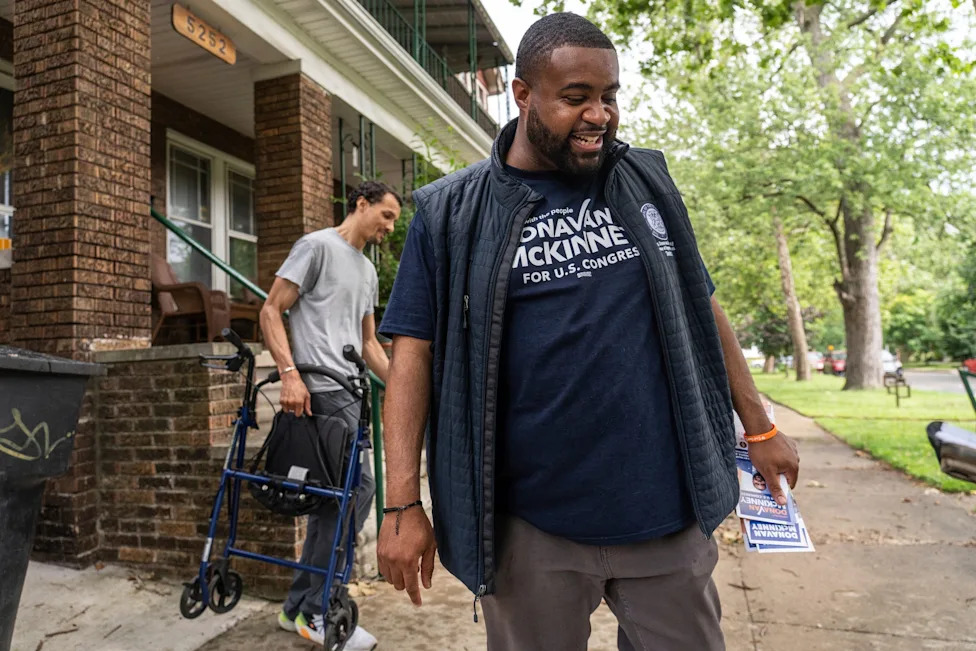
Democratic socialist Michigan state Rep. Donavan McKinney from Detroit is the Democratic nominee for Michigan's 13th Congressional District.(Ryan Garza, USA TODAY Network via Reuters Connect)
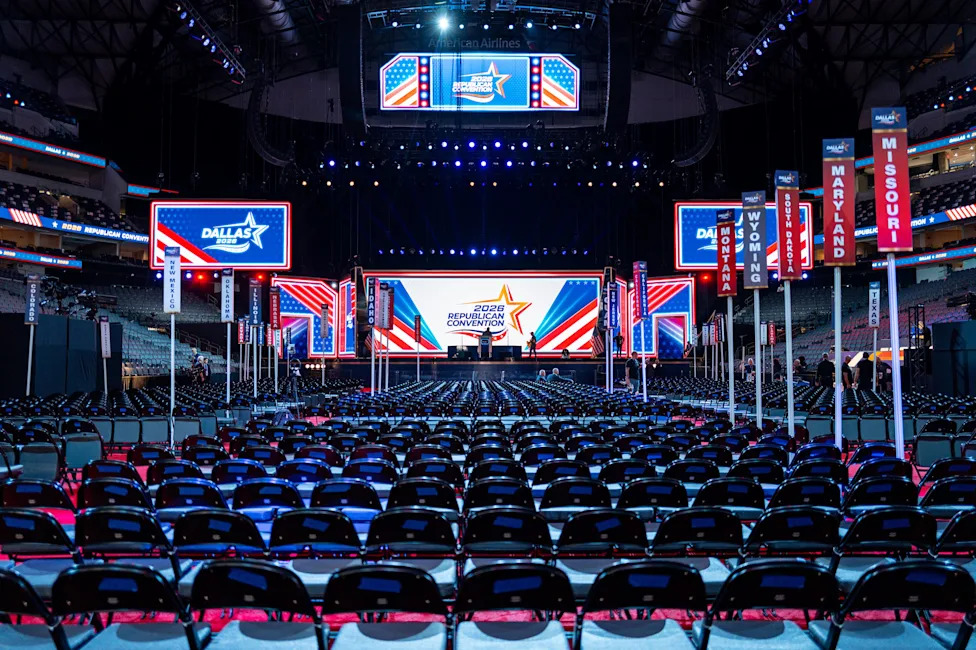
The interior of the American Airlines Center is seen on the first day of the2026 Republican National Conventionon Sept. 9, 2026 in Dallas, Texas. Republicans are kicking off two days of political pageantry aimed at blunting Democrats' momentum in the battle for control of Congress, holding their first-ever midterm election convention ‒ headlined tonight byPresident Donald Trump‒ in a bid to boost GOP enthusiasm amid warning signs for the party. Trump is rallying Republicans for the final push toward the Nov. 3 election with a big show in the Lone Star State featuring a long list of party leaders and candidates in swing districts.The president's approval rating has sagged as the Iran war drags on and cost-of-living concerns remain top of mind for many voters, threatening to weigh down GOP candidates. Trump has turned to the mini-convention toprovide a boostas the party struggles to sell his second-term agenda.(Brandon Bell, Getty Images)
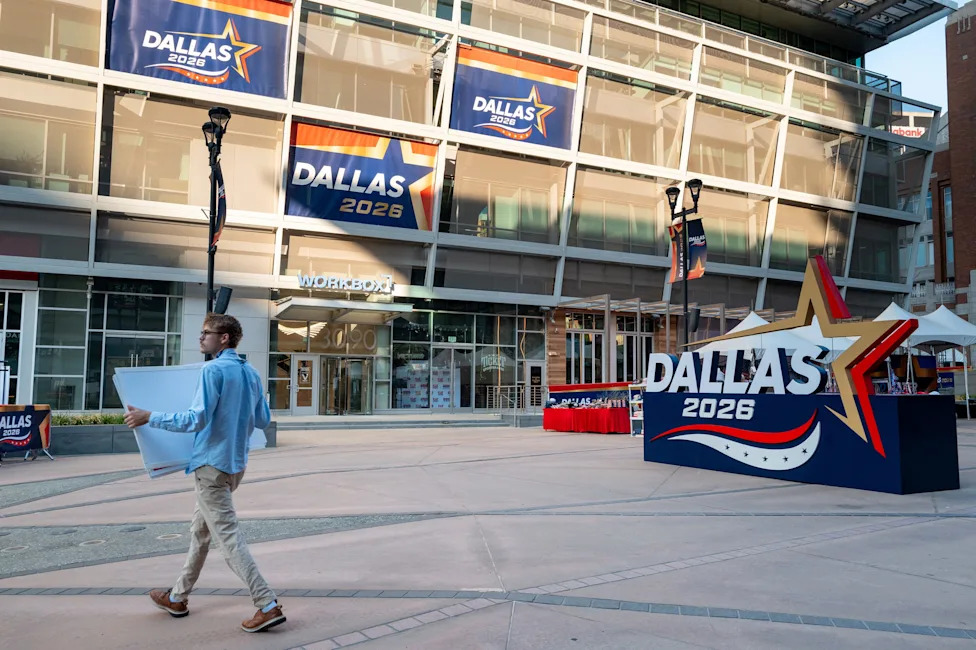
Signage is seen on the first day of the 2026 Republican National Convention at the American Airlines Center on Sept. 9, 2026 in Dallas, Texas. President Donald Trump will headline the Republican National Committee's first-ever midterm convention as he aims to highlight his administration’s achievements and rally support for GOP candidates just two months before the upcoming elections being held on November 3.(Brandon Bell, Getty Images)
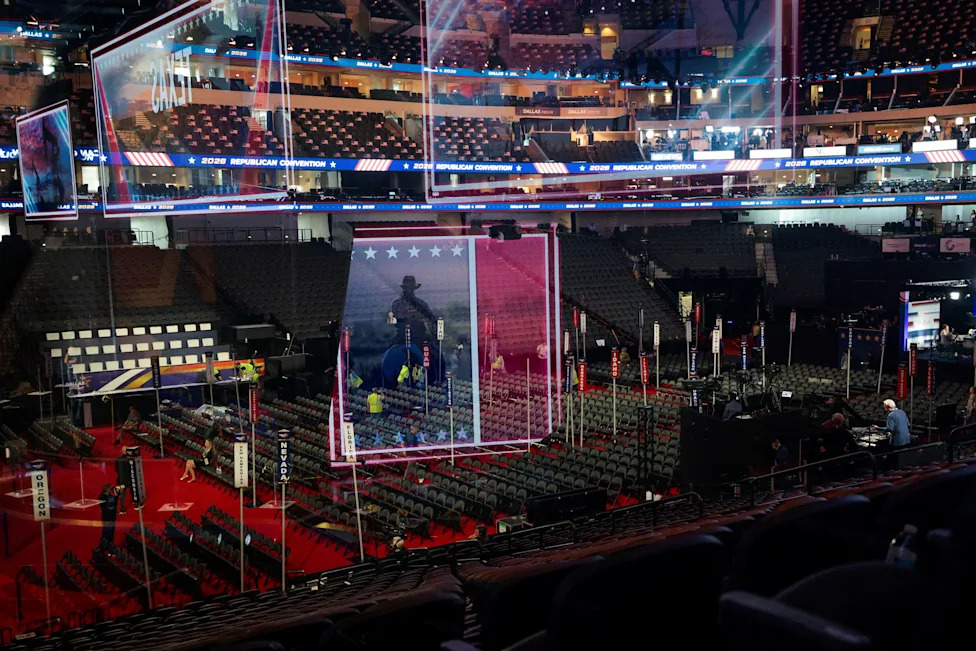
Inside the American Airlines Center, as the final preparations are underway for the Republican National Midterm Convention in Dallas, Texas on Sept. 8, 2026.(Brian Snyder, REUTERS)
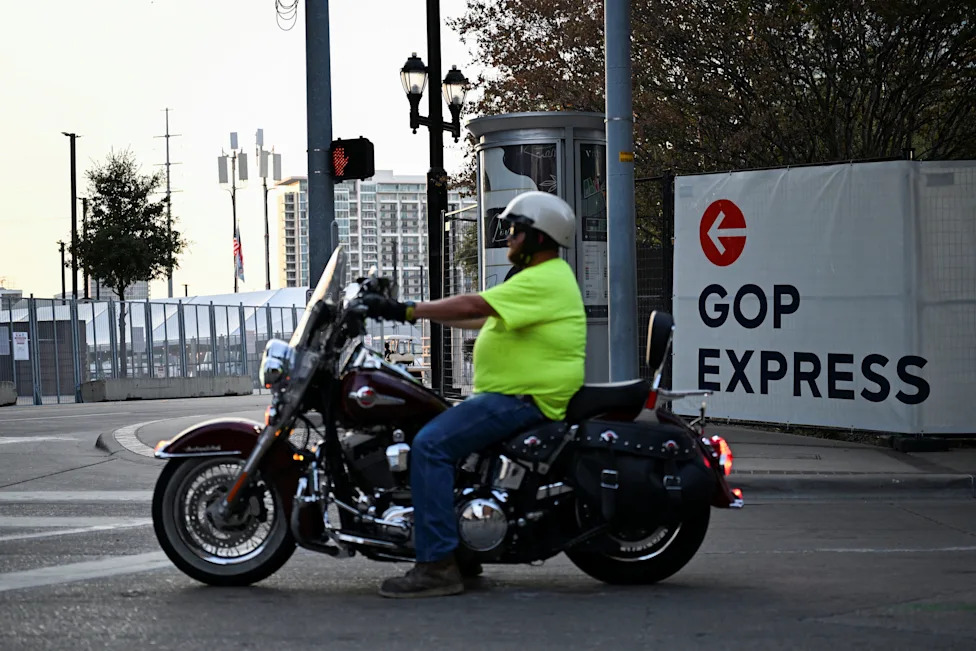
A person rides a motorcycle past signage that reads "GOP EXPRESS" as the final preparations are underway for the Republican National Midterm Convention, in Dallas, Texas on Sept. 8, 2026.(Callaghan O'Hare, REUTERS)
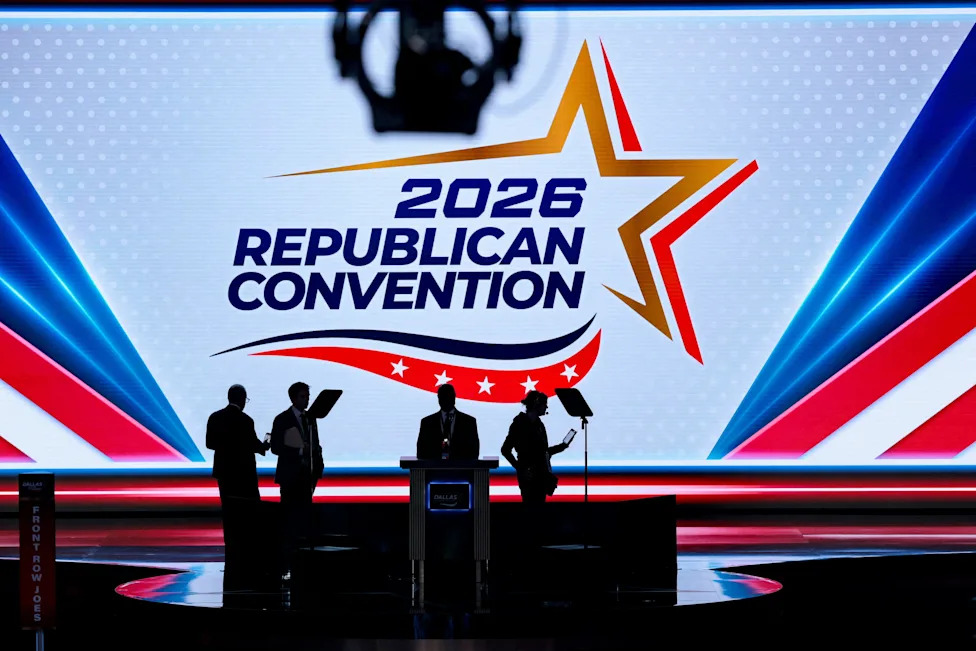
People gather at the American Airlines Center, as preparations are underway for the Republican National Midterm Convention in Dallas, Texas on Sept. 8, 2026.(Brian Snyder, REUTERS)
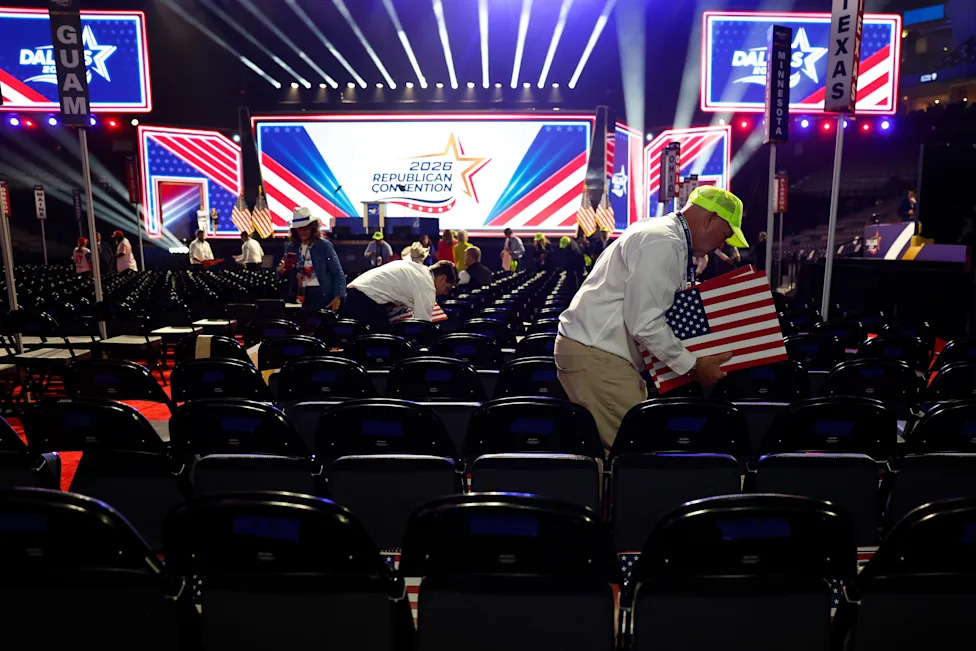
Floor staff place American flags in seats on the first day of the 2026 Republican National Convention at the American Airlines Center on Sept. 9, 2026 in Dallas, Texas.(Justin Sullivan, Getty Images)
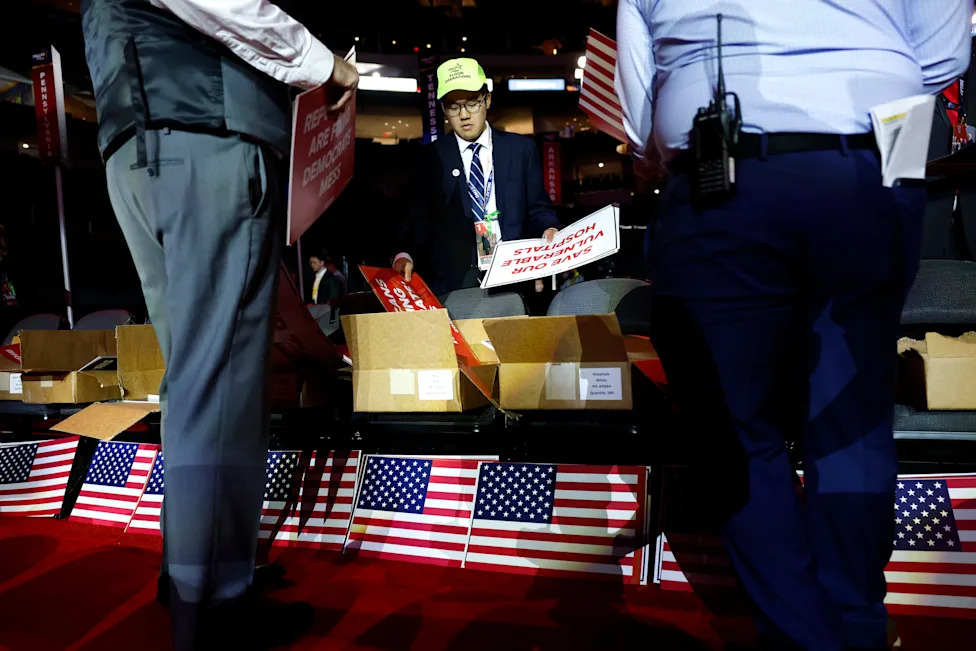
Floor staff organize signs on the first day of the 2026 Republican National Convention at the American Airlines Center on Sept. 9, 2026 in Dallas, Texas.(Justin Sullivan, Getty Images)
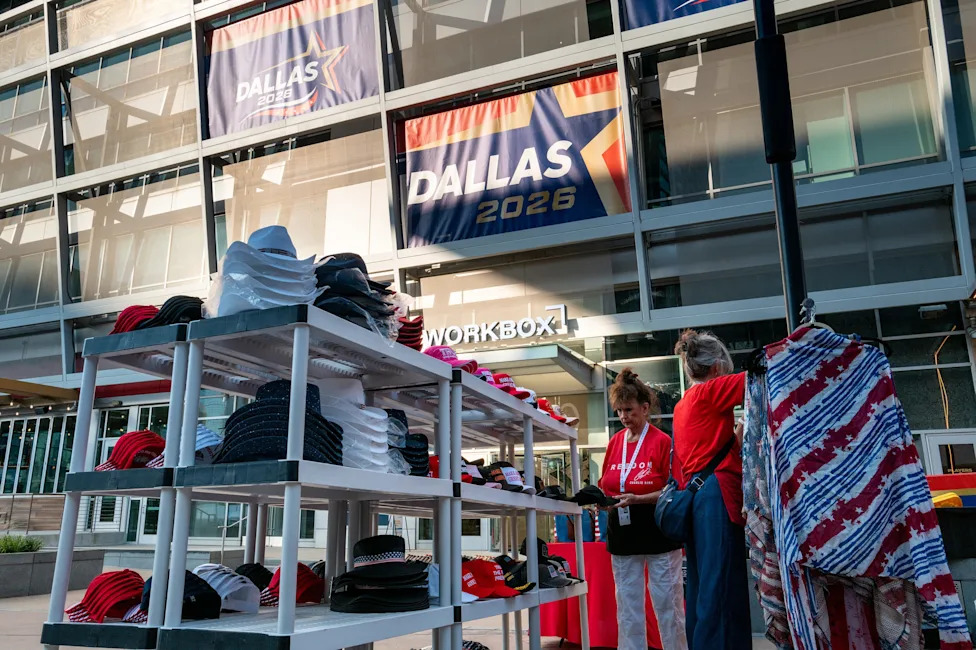
Vendors make preperations on the first day of the 2026 Republican National Convention at the American Airlines Center on Sept. 9, 2026 in Dallas, Texas. President Donald Trump will headline the Republican National Committee's first-ever midterm convention as he aims to highlight his administration’s achievements and rally support for GOP candidates just two months before the upcoming elections being held on November 3.(Brandon Bell, Getty Images)
Help us improve.