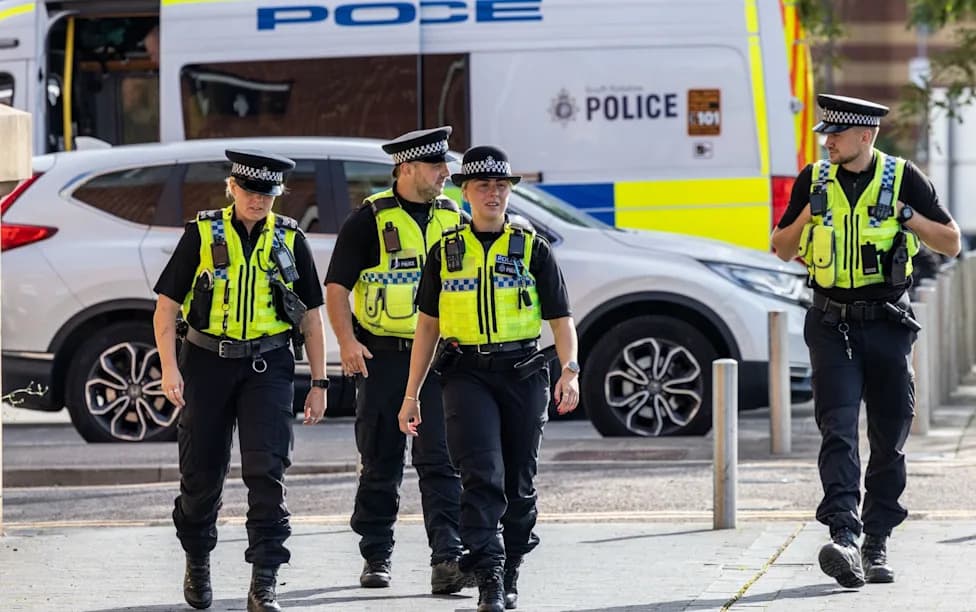
Three retired UK police officers — who served a combined 83 years — have described long-term mental health problems, including complex PTSD, panic attacks and night terrors, caused by repeated exposure to traumatic incidents. Experts say officers may endure 400–600 traumatic events over a career and fewer informal opportunities now exist to process those experiences. Surveys report high levels of burnout and fatigue, prompting a Home Office package of support, a confidential crisis helpline and new steps to record trauma exposure and officer suicides.
Night Terrors, Flashbacks and Panic Attacks: Former UK Police Officers Speak Out on Career Trauma
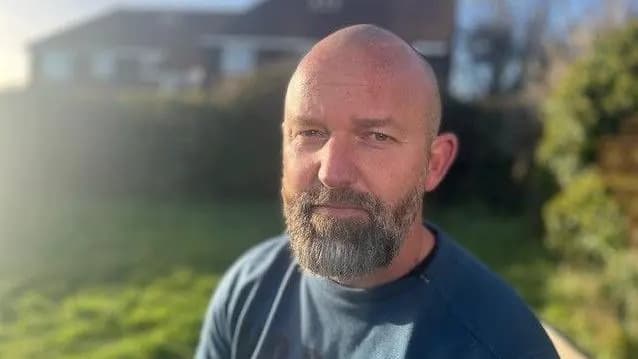
Officers are struggling with their workload, says Richard [BBC]
Three retired UK police officers have spoken publicly for the first time about the cumulative psychological toll of frontline policing and how repeated exposure to traumatic incidents left them with lasting mental health problems.
Firsthand Accounts
Richard, medically retired in 2025 after 26 years on the force, described going from "a very confident person" to being terrified to leave the house. He said even seeing a police car with flashing blue lights could trigger a panic attack and that he became so withdrawn his partner took over daily tasks. Richard says Sussex Police supported him, but he remains concerned about colleagues struggling under heavy workloads.
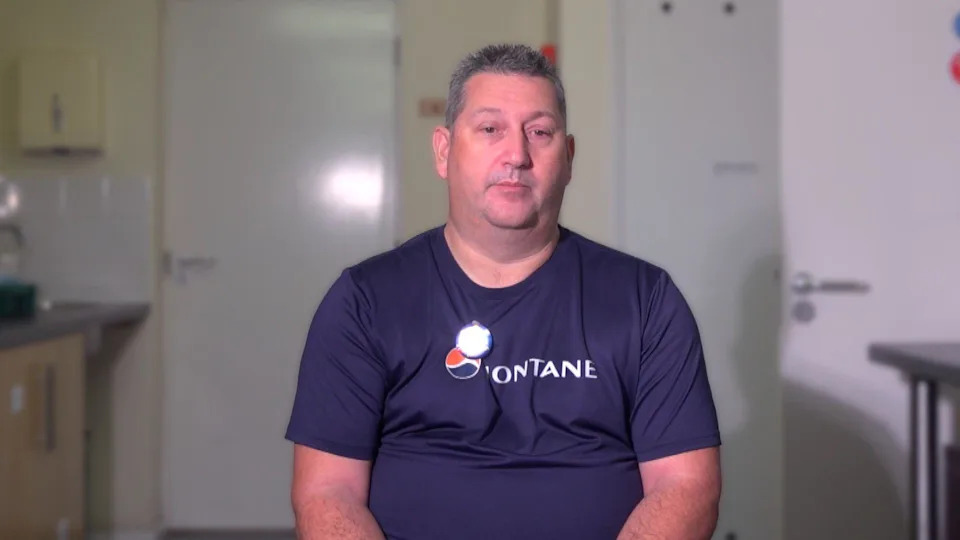
Nick worked on traumatic cases, including the search for Sarah Everard [BBC]
"I went from being a very confident person, good at my job, to someone scared to go outside." — Richard
Nick, who served about two decades and worked on high-profile searches including the hunt for Sarah Everard, also retired with complex PTSD. He described the effect as the "constant drip, drip, drip of trauma" — from murders and child deaths to fatal road collisions — and likened his experience to being "a prisoner of my own mind."
"It's the constant drip, drip, drip of trauma... I'm hyper-vigilant when I go out." — Nick
Neil, who spent 34 years in Dorset policing before becoming a civilian investigator, spoke about night terrors, poor sleep and the breakdown that led him to seek help. After his own crisis he was better able to spot warning signs in colleagues and intervene.
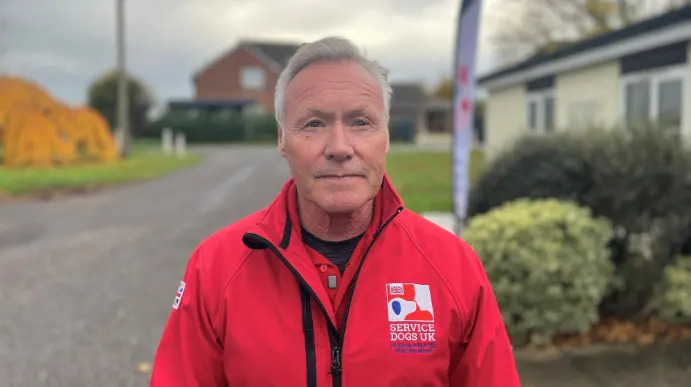
Garry Botterill says some police officers are "just not coping" [BBC]
Expert Views and Charity Support
Dr Jess Miller, a neuropsychologist at the University of Cambridge, warned that many officers have lost informal opportunities to decompress with colleagues, especially those who work alone. Oscar Kilo (the National Police Wellbeing Service) estimates officers may experience between 400 and 600 traumatic events over a career — compared with an average civilian who might face three to four in a lifetime.
Service Dogs UK, which trains assistance dogs for people with PTSD, reports a significant rise in police referrals: more than half of recent referrals now come from serving or retired officers, according to founder and former Sussex officer Garry Botterill.
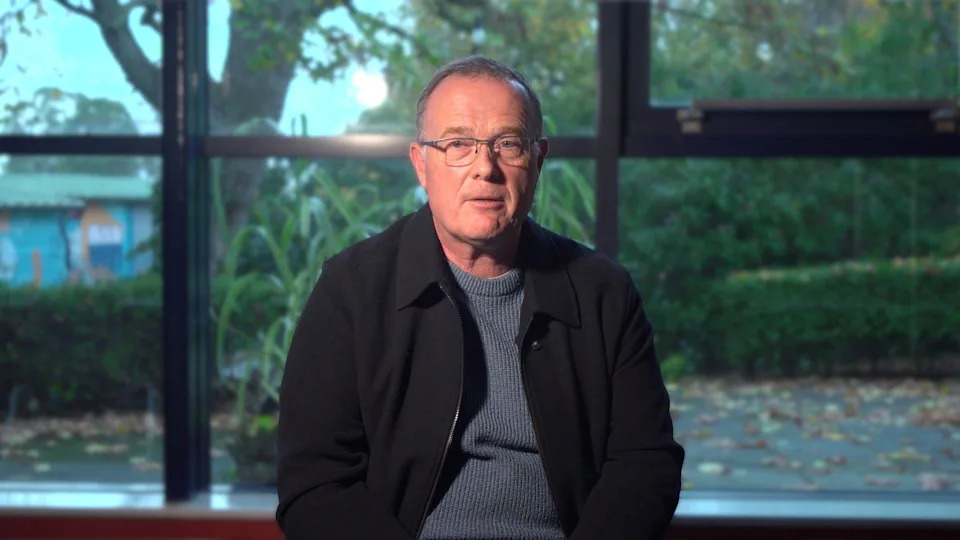
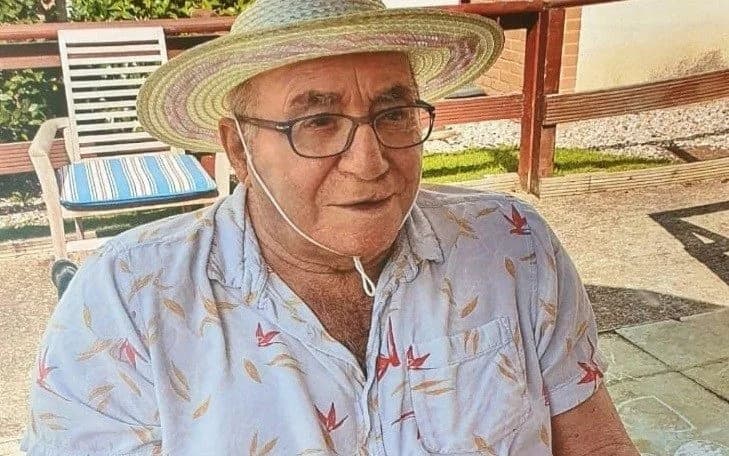
Neil served in the police for 34 years before becoming a civilian investigator [BBC]
Survey Data and Official Responses
In an NPWS survey of more than 40,000 staff across 33 forces, 45% said they often felt burnt out and 55% reported persistent physical fatigue. The Police Federation has warned that mounting workloads and constant exposure to trauma are leaving many officers struggling and called for better funding, early intervention and accessible mental health support.
The Home Office has announced a package of support including a confidential mental health crisis helpline launched in July that has taken over 350 calls, new guidance to help forces track exposure to traumatic incidents, and part of a wider £2.4m investment aimed at improving wellbeing services for police staff.
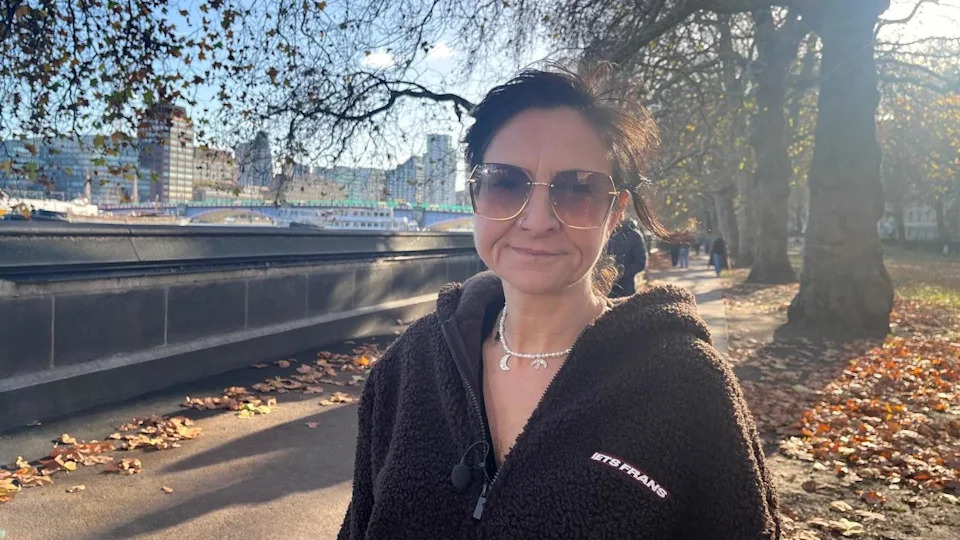
Dr Jess Miller, from the University of Cambridge, has been investigating trauma in policing [BBC]
Suicide Recording and Aftermath
Chief constables have mandated recording of police officer suicides following a Prevention of Future Deaths report by senior coroner Penelope Schofield after the death of Sussex officer Benjamin Websdale, who was under investigation at the time. The Police Federation says more than 100 police officers and staff across the UK have died by suicide since 2022 and reports that 32 of 55 recorded police suicides in 2022–24 involved officers under investigation.
Moving Forward
Policing leaders say the culture of "be strong, don't talk about it" is gradually changing. Planned measures include enhanced psychological services, more mental health and suicide-prevention training for line managers and recruits, and systems to log and monitor staff exposure to traumatic events.
If you are affected by any of the issues in this report, support and advice are available via the BBC Action Line and other local and national mental health services.
Help us improve.