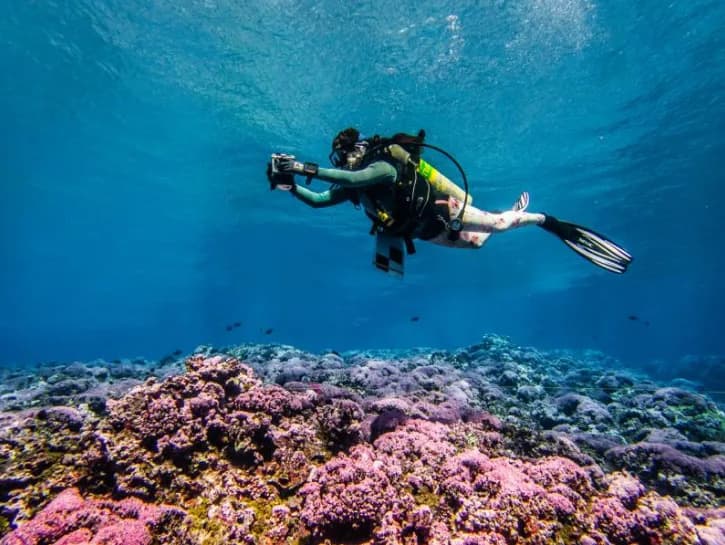
Scientists and community groups in Okinawa are testing heatwave simulators, coral nurseries and hardened-breeding techniques to restore reefs devastated by a 2024 marine heatwave. With global oceans at record temperatures and an El Niño looming, experts warn 2026 could bring even worse bleaching. Local economies reliant on tourism face tough trade-offs as researchers call for stricter coastal management and active intervention to protect reef biodiversity.
Okinawa's Coral Crisis: Scientists Race To Shield Reefs From a Looming 'Heat Bomb'
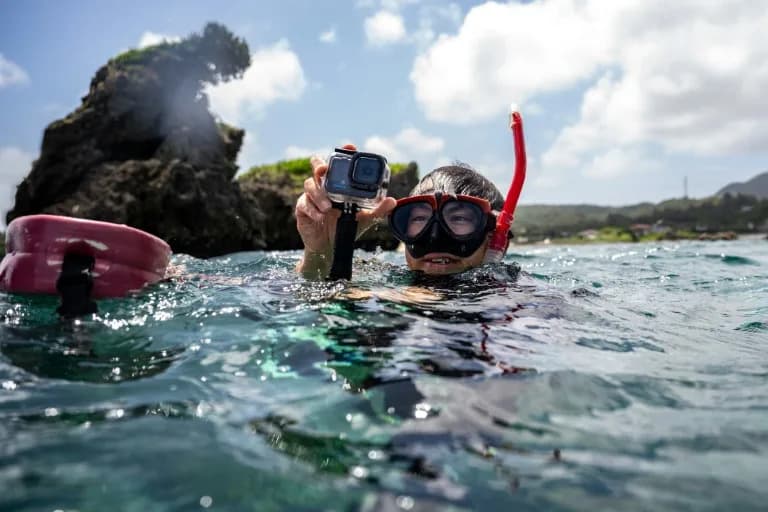
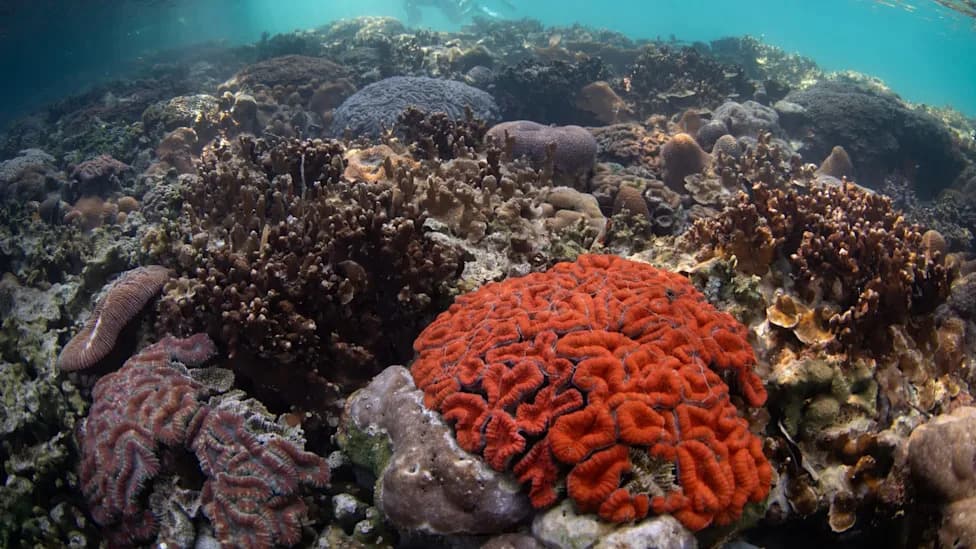
With the world's oceans the hottest on record in June and a major El Nino predicted this year, experts fear that 2026 could have dire effects on coral reefs (Philip FONG)
Scientists and conservationists around Okinawa are urgently testing a mix of laboratory simulations, coral breeding and hands-on restoration to revive reefs devastated by a 2024 marine heatwave. With global ocean temperatures at record highs and a major El Niño predicted, experts warn that another, more severe bleaching event could strike soon.
Heatwave Simulators and Lab Trials
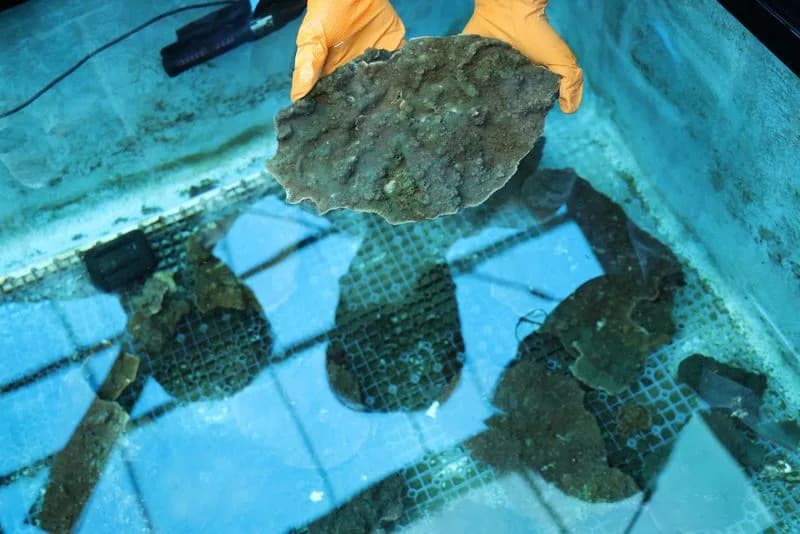
At the Okinawa Institute of Science and Technology, researchers are running what they say is one of only two "heatwave simulators" in the world. Rows of white tanks circulate seawater with tightly controlled temperature and pH to recreate future ocean conditions and intentionally induce bleaching. By observing how corals, clownfish and other species respond, scientists aim to identify resilient strains and understand how warming and acidification cascade through reef ecosystems.
"If we don't understand what climate change, ocean warming or acidification does to coral ecosystems, there is a chance we're going to lose them," said Professor Timothy Ravasi.
Local Restoration Efforts
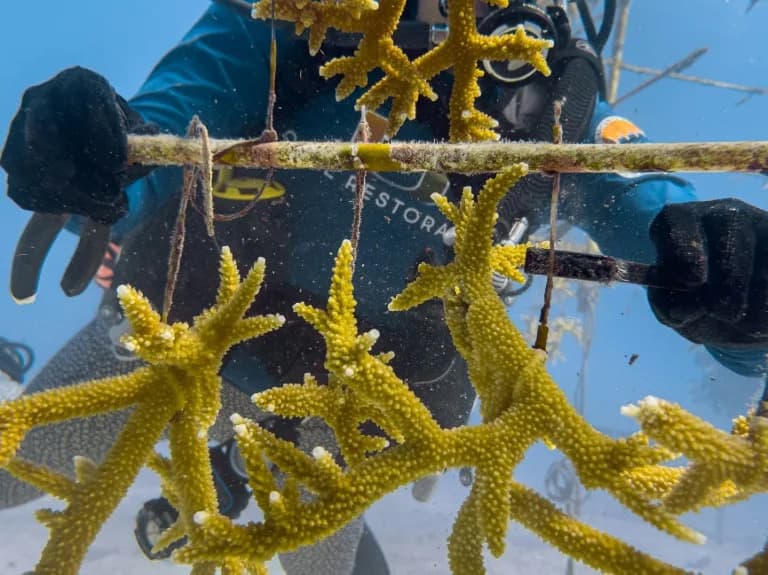
Community-led programs have operated for decades. The coastal village of Onna has bred and transplanted corals since 1999, and genetic analyses indicate those interventions have had minimal detectable ecological disruption. In Yomitan, entrepreneur Koji Kinjo operates an indoor "artificial sea" where he developed so-called "miracle coral" by exposing specimens to controlled stressors so they harden and better survive in the wild. Those corals reportedly withstood the 2024 bleaching.
Economic, Social and Political Trade-Offs
Okinawa's economy is heavily tourism-dependent—hotel development, overfishing and coastal pollution compound the climate threat to reefs. Scientists like Ravasi argue that policymakers must consider difficult choices, including limiting development or tourism in sensitive areas, to give reefs a chance to persist. These proposals face opposition from stakeholders who rely on tourism income and from traditionalists who prefer noninterventionist approaches.
What’s at Stake
Although coral reefs cover only about 0.1% of the Earth's surface, they support roughly a quarter of the world's marine fish species and underpin local fisheries and tourism. With oceans hottest on record in June and typhoons only providing temporary cooling by stirring deeper waters, many researchers fear a repeat or escalation of mass bleaching in the near future.
Looking Ahead
Restoration and adaptation strategies—ranging from lab-based selection of heat-resistant corals to scaling up nurseries and stricter coastal management—are advancing, but they are not a substitute for urgent global action to curb greenhouse gas emissions. Local campaigns to rebalance development with conservation, combined with targeted scientific interventions, give a pathway to preserve reef biodiversity and the communities that depend on it.
Key voices: Professor Timothy Ravasi warns of an inevitable return of mass bleaching without rapid action. Practitioners such as Koji Kinjo argue that actively "toughening" corals is necessary to survive a hotter, more polluted era. Local leaders and scientists continue to push for policies that address both immediate restoration and long-term climate mitigation.
Help us improve.