Communities and land managers are increasingly turning to grazing animals to reduce wildfire risk. Goats and sheep clear thorny shrubs and grasses that feed fires, while small cattle breeds like the Cachena can tackle dense scrub and steep terrain. Programs such as Fresno's deployment of 400 goats and 100 sheep target invasive fuels, but new labor rules in California could raise costs for herding firms. Grazing is a promising, nature‑based prevention tool that needs policy support to scale.
Goats, Sheep and Small Cows: Natural Allies in Wildfire Prevention
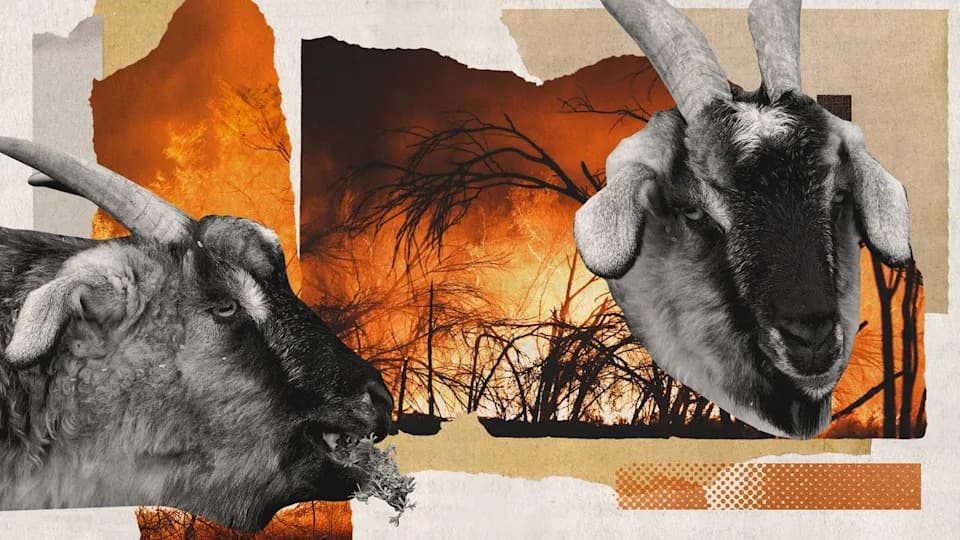
Goats provide a 'cost-effective and environmentally sound way' to clear shrubbery . | Credit: Illustration by Julia Wytrazek / Getty Images
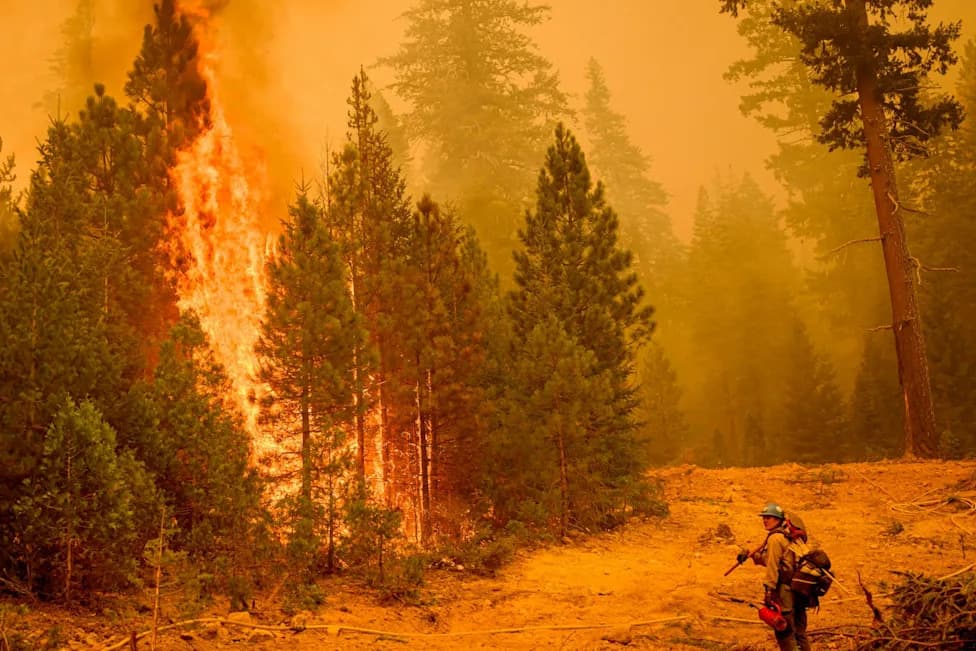
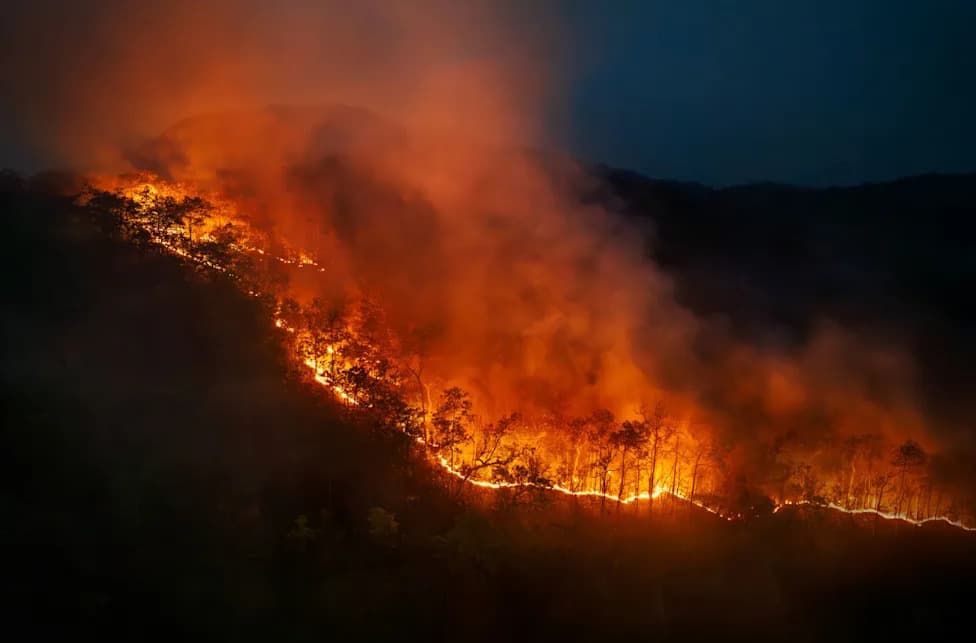
As wildfires scorch large areas of southwest Spain and parts of France — nearly 300,000 acres in recent blazes — land managers and communities are revisiting low‑tech, scalable ways to reduce fire risk. One increasingly popular tactic is targeted grazing: using goats, sheep and even small cattle to remove the vegetation that fuels fires.
How Grazing Reduces Fire Risk
Grazing animals work as a preventative measure rather than as active firefighters. Goats are especially effective at eating thorny shrubs and brush that many other animals avoid, while sheep are better at clearing grasses and low plants. Together they reduce highly flammable fuels on hillsides and uneven terrain, offering an environmentally friendly alternative to bulldozers, mowers and chemical herbicides.
In California, for example, crews in Fresno deployed about 400 goats and 100 sheep to graze yellow star thistle, an invasive weed that can help fires spread. In northwest Spain, small Cachena cattle have been reintroduced to hill farms after a 2017 inferno; these compact, 'goat‑like' cows can navigate steep terrain and consume dense scrub such as gorse and brambles, forming natural firebreaks while supporting local ecosystems.
"Cost‑effective and environmentally sound," herd managers and some news outlets say, noting that animals also eat seeds and leaves, limiting plant regeneration and spread.
Challenges And Policy Considerations
Despite ecological benefits, grazing programs face economic and regulatory hurdles. Recent rulings in California extend minimum- and overtime‑wage protections to goat‑herding firms that were previously exempt. Herding often requires near round‑the‑clock attention, and owners warn that increased labor costs could make commercial grazing services prohibitively expensive.
Spanish Prime Minister Pedro Sánchez described the recent southwest European fires as the "most painful manifestation" of the climate emergency. If extreme fire seasons become the norm, policymakers and land managers will need to broaden the toolbox for prevention — and consider how to support grazing as a practical, nature‑based approach.
Bottom line: Grazing is not a silver bullet, but when combined with other fuel‑reduction methods and supportive policy, goats, sheep and small cattle offer a cost‑effective, low‑impact way to reduce wildfire risk across difficult terrain.
Help us improve.