Turkey announced that state-owned Turkish Petroleum (TPAO) will buy a 15% stake in the BP-operated Kirkuk field, a move that could deliver up to 1 million barrels per day of Iraqi oil. The announcement followed the July 27 expiry of the 1975 Iraq–Turkey crude agreement and reflects a shift toward a new energy cooperation framework. Officials and analysts say the deal ties energy to security and transport cooperation amid broader regional tensions. Ankara and Baghdad will need to manage commercial, operational and security issues as the plan moves forward.
Turkey Takes a 'Historic Step' Toward an Oil Alliance With Iraq — Up to 1 Million bpd Possible
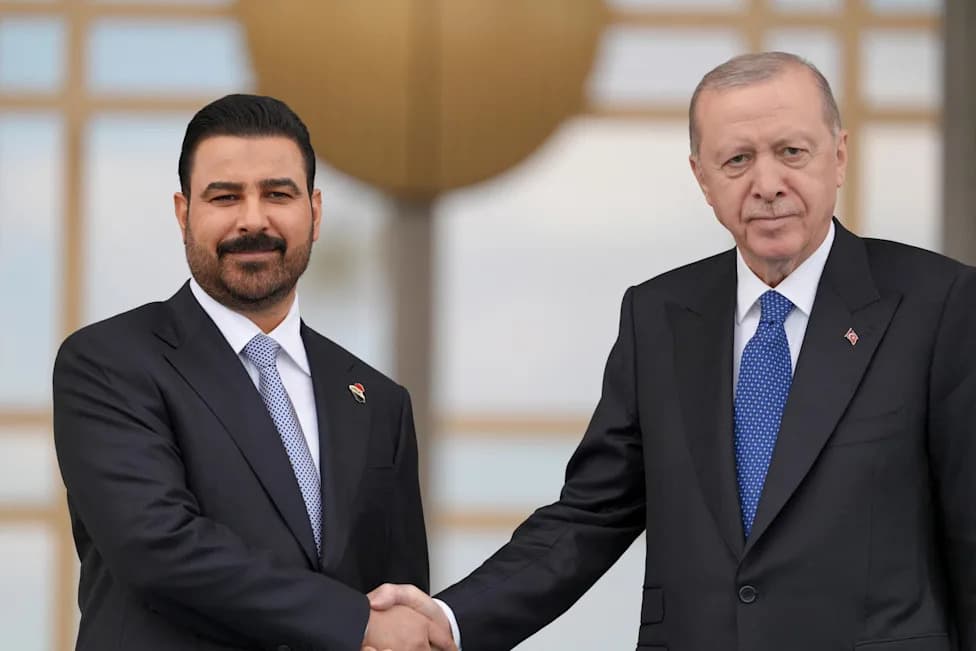
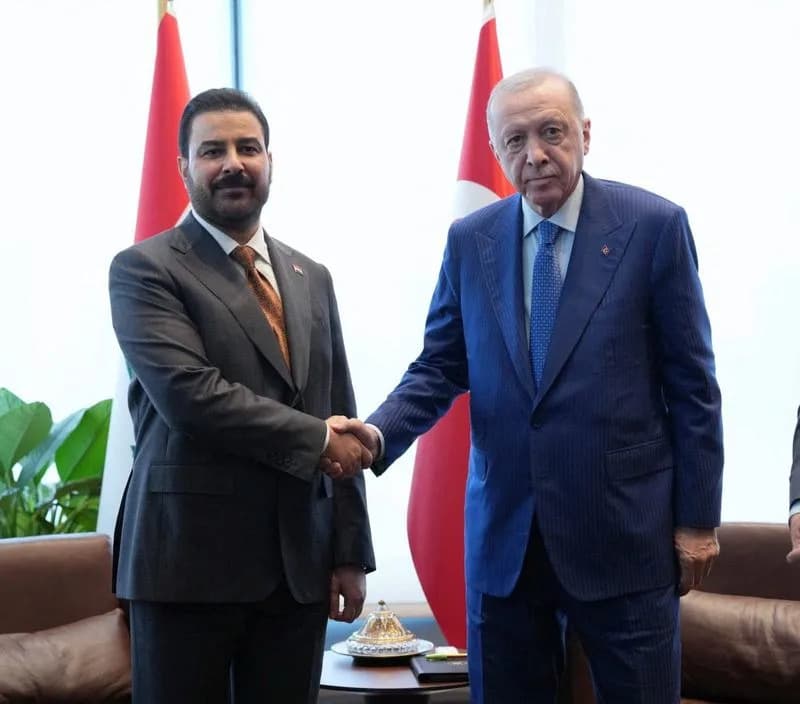
Turkish President Recep Tayyip Erdogan, right, welcomes Iraqi Prime Minister Ali al-Zaidi, in Ankara, Turkiye, on July 28, 2026 [Reuters]
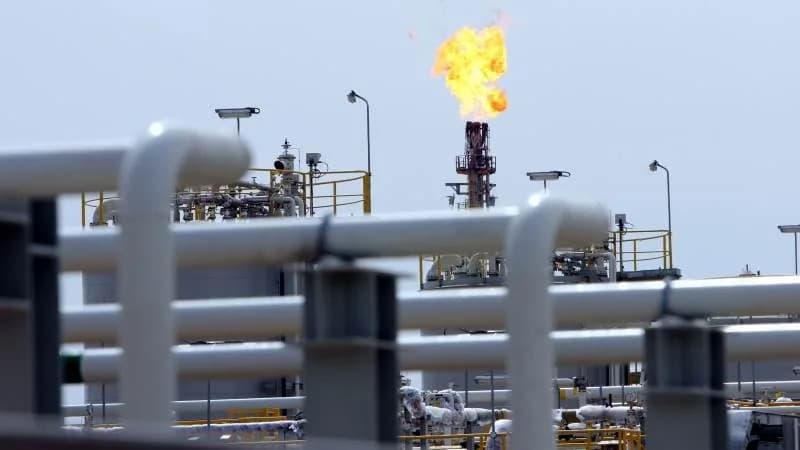
Turkey could soon receive as much as 1 million barrels per day (bpd) of crude oil from Iraq after state-owned Turkish Petroleum (TPAO) agreed to buy a 15% stake in the BP-run Kirkuk field, President Recep Tayyip Erdogan announced at a joint news conference in Ankara.
Deal Details and Timing
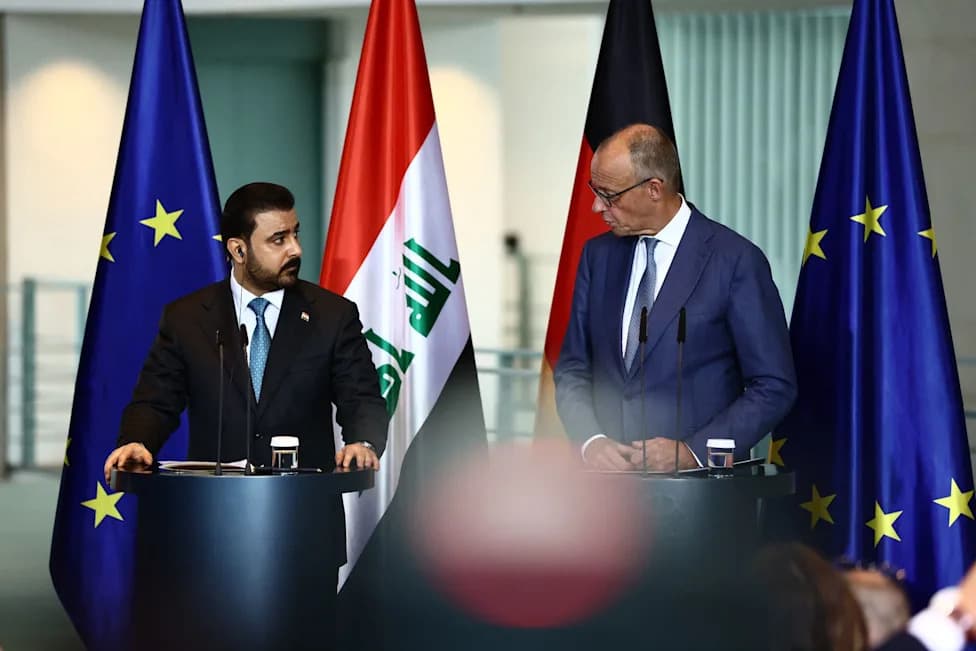
Speaking alongside Iraqi Prime Minister Ali al-Zaidi, Erdogan said TPAO will acquire a 15 percent stake in BP Energy Company of Kirkuk Limited under a separate share-transfer arrangement. The announcement coincided with the July 27 expiry of the 1975 Iraq-Turkey crude oil agreement that established the Kirkuk–Ceyhan pipeline sending Iraqi oil to the Turkish Mediterranean terminal at Ceyhan.
Why This Matters
Erdogan confirmed that al-Zaidi offered to supply up to 1 million bpd. "Yes, that's correct. Once we transfer 1 million barrels of oil from our neighbour Iraq, it will meet our needs," he said. The move is framed not only as an energy transaction but also as part of wider cooperation on security, transport and infrastructure.
“This is not an alternative to existing deals, but rather diversification of sources,” said Mehmet Celik, editorial coordinator at Daily Sabah, describing the agreement as extending beyond energy to include security and a development road project.
Regional Context
Analysts say the deal comes amid heightened regional tensions — including disruptions around the Strait of Hormuz and broader conflict dynamics involving Iran — that have increased interest in alternative trade and energy routes through Turkey. Baghdad has pushed to resume exports through the Iraq–Turkey pipeline after years of partial suspensions, elevating Ankara's role for Iraqi exports.
Security Dimension
Security remains a sensitive element of Turkey–Iraq relations. Officials estimate Turkey maintains roughly 50 bases of varying sizes in northern Iraq's Erbil, Duhok and Nineveh provinces, hosting about 5,000 troops and associated equipment. The Kurdistan Workers' Party (PKK) — which Turkey, the United States and the European Union designate as a terrorist organisation — was reported to have announced disarmament in mid-2025 under a peace deal with Ankara. Despite that, Turkey continues to view PKK elements in northern Iraq's mountainous areas as a national security concern.
“We are in close dialogue with our Iraqi brothers to ensure that our process of a terror-free Turkey and our vision of a terror-free region become a reality,” Erdogan said at the conference.
Outlook
If implemented, the stake purchase and oil deliveries would deepen interdependence between Ankara and Baghdad across energy, security and transport, while raising commercial, legal and political questions about pipeline operations, investment responsibilities and regional diplomacy. Observers will watch how the stake transfer is executed, how flows are routed to Ceyhan, and how Baghdad and Ankara balance energy cooperation with ongoing security coordination.
Help us improve.