The NHS has begun commercial negotiations with drugmakers and NICE to seek a way to fund the first disease‑slowing Alzheimer’s treatments. Lecanemab, licensed in the UK in August 2024, reduced cognitive decline by about 27% in trials; donanemab showed around 35% slowing. NICE previously rejected the drugs on cost‑effectiveness grounds, citing high delivery costs and low carer‑burden estimates, but has since revised assumptions and raised funding thresholds. Talks will explore lower prices and revised delivery costs; any deal still requires NICE approval before routine NHS use.
NHS Opens Commercial Talks To Secure First Disease‑Slowing Alzheimer’s Drugs
2208 lecanemab dementia Alzheimer's
The NHS has opened commercial negotiations with drugmakers and the National Institute for Health and Care Excellence (NICE) to explore whether the first medicines shown to slow Alzheimer’s disease can be made available on the health service.
Why This Matters
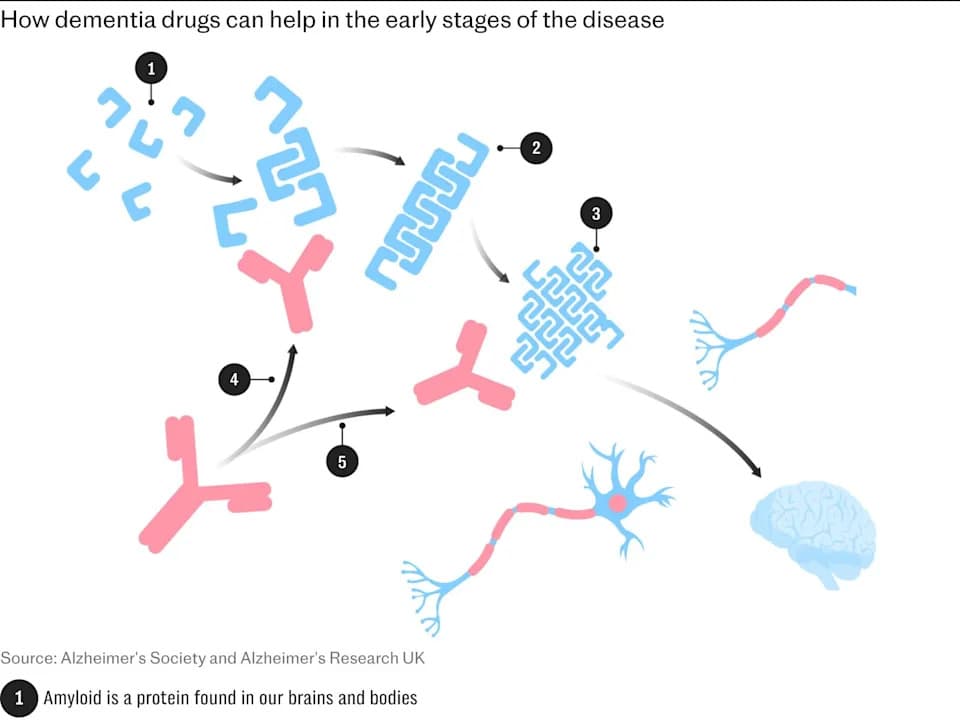
The drugs—most notably lecanemab (developed by Eisai) and donanemab (developed by Lilly)—are the first treatments shown in clinical trials to slow cognitive decline in early Alzheimer’s disease. Lecanemab reduced decline by about 27% in trials and was licensed in the UK in August 2024; donanemab has shown roughly a 35% slowing and is given as monthly infusions.
What Triggered The Talks
Despite promising trial results, NICE previously concluded the therapies were not cost‑effective because of high assumed administration and monitoring costs and a modelling approach that initially downplayed the burden on family carers. Manufacturers appealed that decision, arguing the cost and carer‑burden assumptions were overstated.
Key Changes Under Consideration
Following the appeals, NICE’s appraisal committee revised several assumptions: it raised the estimated burden on carers, lowered some rollout cost estimates, and the organisation has increased its cost‑effectiveness thresholds by around 25%. Those changes have created scope for commercial negotiations to test whether a lower net price and updated cost assumptions could meet NICE’s value‑for‑money tests.
Costs, Delivery And Disputes
Lecanemab’s official list price is around £20,000 per patient per year, though Eisai already sells it in Japan for about £15,000 annually. NICE’s original appraisal also assumed administration and monitoring could roughly double the total cost; manufacturers contend NHS England’s delivery cost estimates were up to six times higher than their own.
Eisai has confirmed it will enter commercial discussions with NHS England. The company has also recently secured US approval for a self‑administered version of lecanemab—weekly at‑home injections—which UK regulators are expected to consider later this year. If approved, home administration could materially reduce NHS delivery costs compared with fortnightly hospital infusions.
Next Steps
Commercial talks—invited by NICE and involving NHS England, Eisai and Lilly—aim to determine whether discounts or revised delivery assumptions can make the drugs cost‑effective. Any negotiated deal would still need NICE approval before routine NHS use could begin.
Eisai: "Eisai can confirm that we have entered into commercial discussions with NICE and NHS England... Eisai remains committed to supporting people living with Alzheimer’s disease and their families."
NICE: "NICE can confirm the company has accepted the independent appraisal committee's assumptions as the basis of commercial discussions with NHS England. NHS England and the company will now explore all reasonable opportunities to secure a positive outcome for patients and the NHS."
For patients and families, the outcome will hinge on whether commercial terms and updated cost models can satisfy NICE’s thresholds for cost‑effectiveness and provide routine access on the NHS.
Help us improve.