The article contrasts seven jurisdictions where clothing can lead to arrest, fines, corporal punishment or imprisonment — including Iran, Taliban-controlled Afghanistan, Aceh (Indonesia), parts of northern Nigeria, al-Shabaab areas of Somalia, Houthi-controlled districts in Yemen and Brunei — with two countries, Iceland and Sweden, where dress is legally unregulated. Key developments include Iran’s 2024 “chastity and hijab” law (implementation paused but penalties remain on the books) and active enforcement by de facto or state authorities in Afghanistan and other regions. The piece highlights how legal frameworks — not geography — determine whether clothing is a private choice or a punishable offense.
Criminalized Clothing: 7 Places Women Risk Jail Over Dress — And 2 Where They Dress Freely
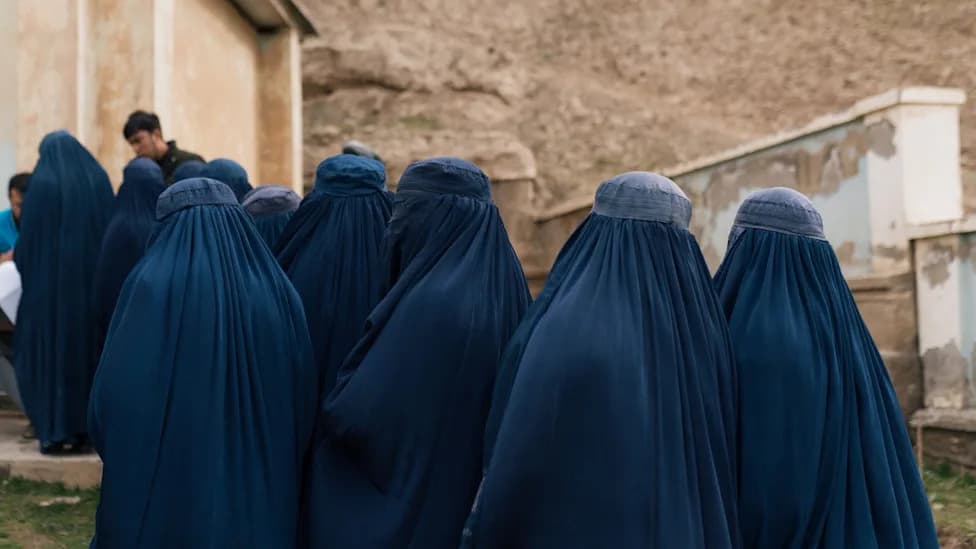
Image credits: Pexels
The legal status of what women may wear varies dramatically around the world. In some places a choice of clothing can trigger fines, detention, corporal punishment or prison; in others, personal dress is considered private and legally protected. Below is a country-by-country overview of seven jurisdictions where dress rules are enforced — formally or by de facto authorities — followed by two countries where no legal dress codes exist.
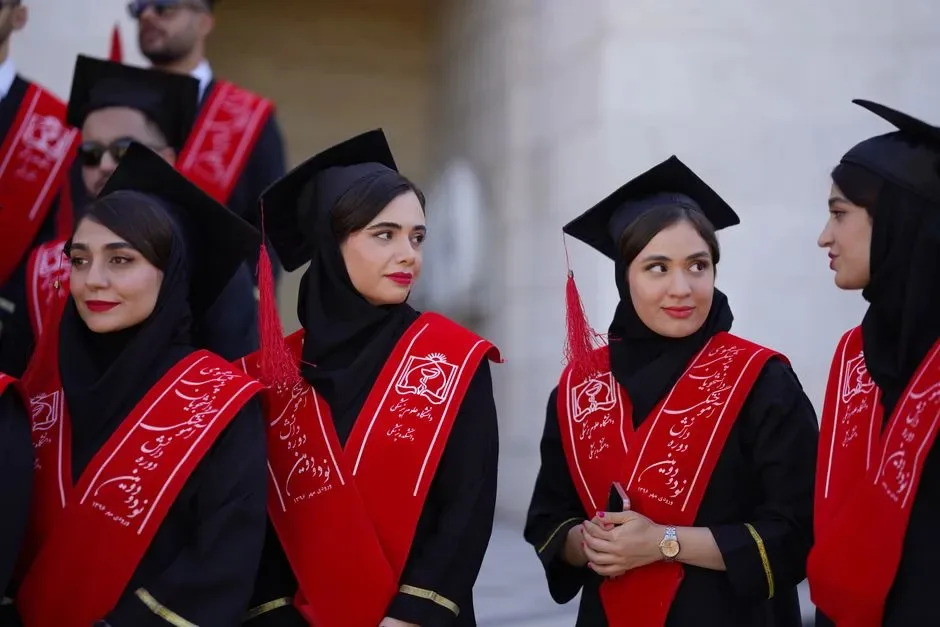
Iran: the hijab and chastity law (Image Credits: Pexels)
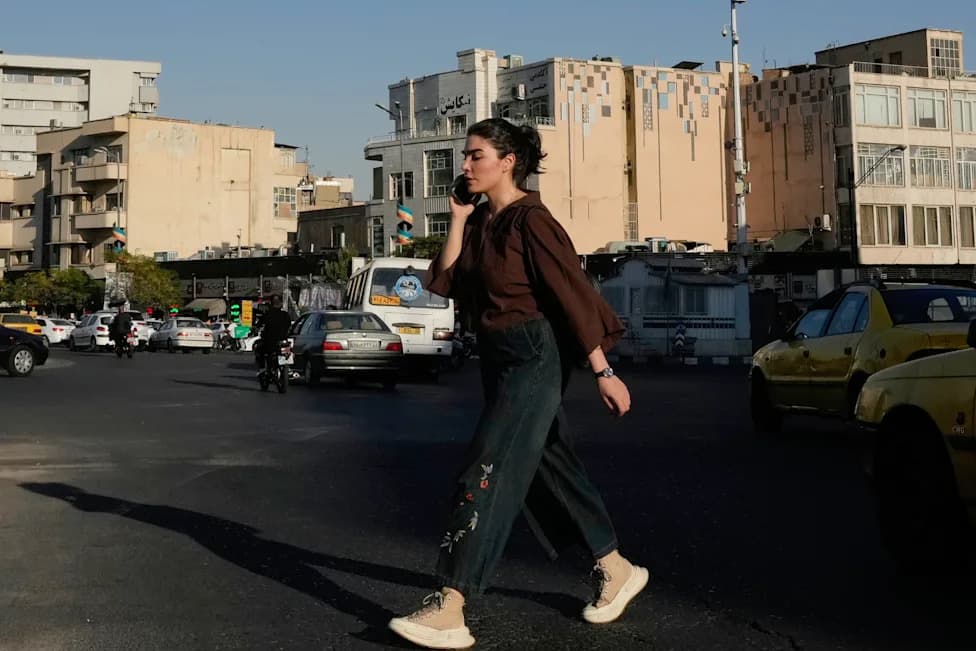
Iran: The Hijab And The “Chastity” Law
Iran adopted the "Law to Support the Family through Promoting the Culture of Chastity and Hijab," which the Guardian Council approved and which a parliamentary speaker said would take effect on 13 December 2024. The law treats public or online "nudity" as a punishable offense, with penalties reportedly including fines (roughly up to $12,000) and prison terms of up to 10 years, and longer sentences for repeat offenses. Although authorities paused implementation amid domestic protests, criminal-code provisions enabling hijab-related prosecutions remain in force.
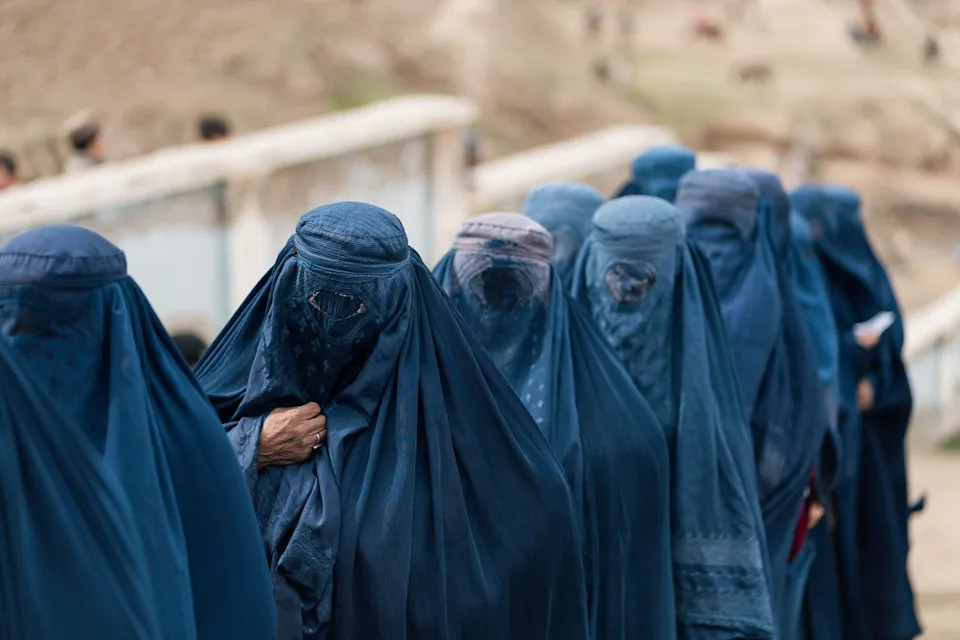
Image credits: Pexels
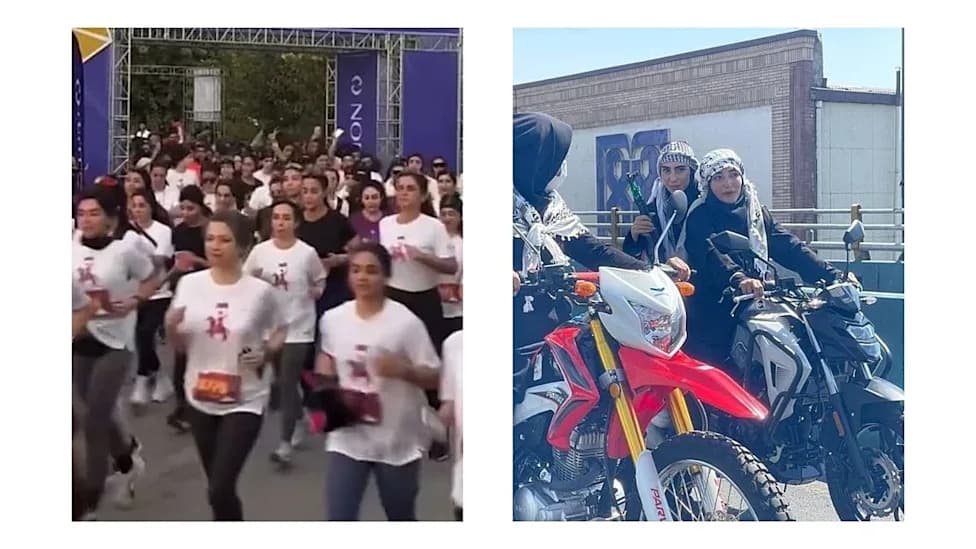
Enforcement has had real consequences. Human-rights organizations and UN investigators documented thousands of hijab-related cases in recent years, and individual women who confronted harassment have been summoned, arrested, and detained — in some instances ending up in prisons such as Qarchak. Public pressure has sometimes led to temporary easing, but the legal framework for severe penalties persists.
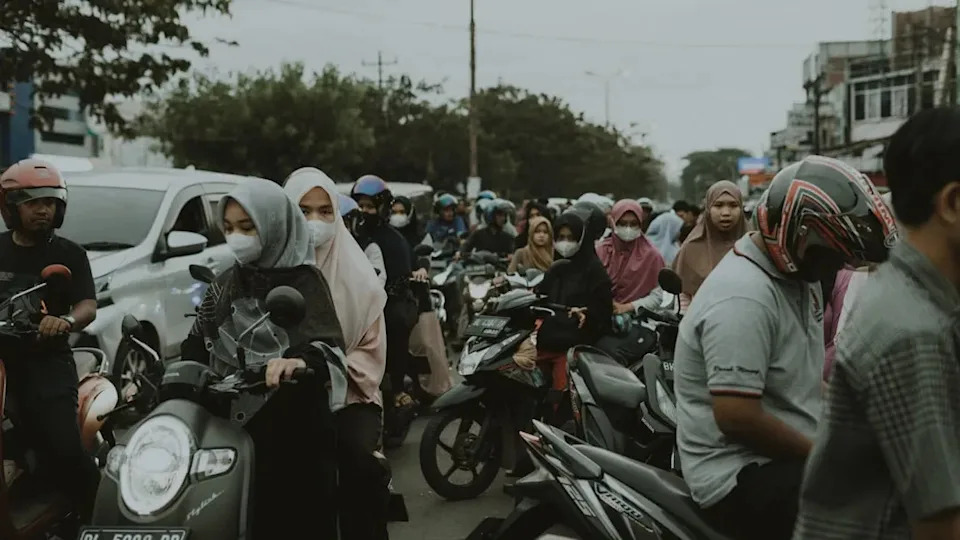
Indonesia's Aceh province: Sharia by the coastline (Image Credits: Unsplash)
Afghanistan (Taliban-Controlled Areas): Layered Controls On Women’s Dress
Since returning to power, the Taliban have issued successive decrees restricting women’s movement and appearance. An August 2024 morality law emphasized full coverage, including face covering, and banned short, thin or tight clothing. Enforcement has been active: UN reports and eyewitness accounts describe arrests, detentions and punitive actions during enforcement sweeps.
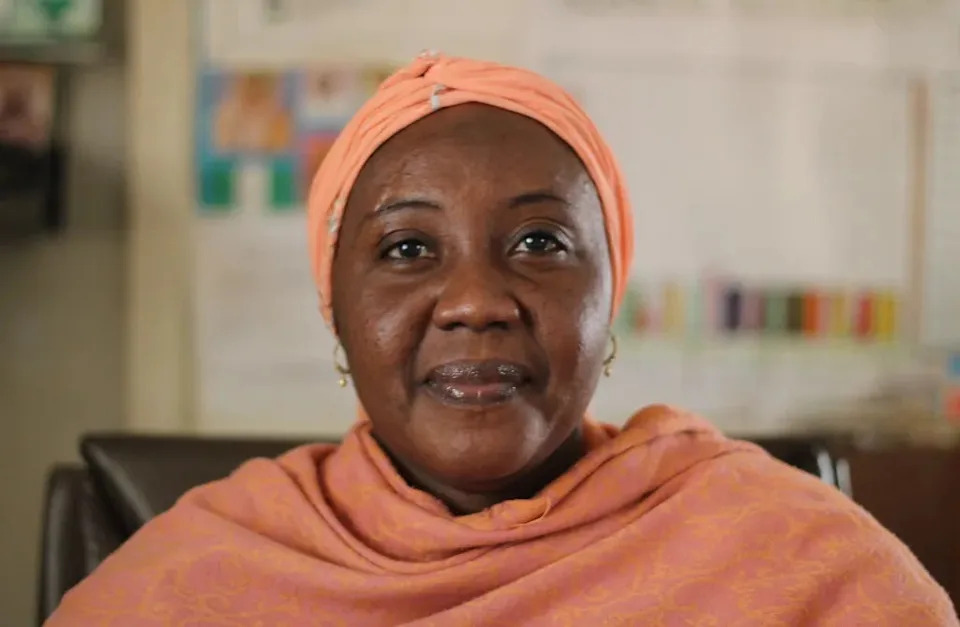
Northern Nigeria: Hisbah boards and Sharia states (DFID – UK Department for International Development, Flickr,CC BY-SA 2.0)
For example, a June 2025 crackdown in Herat reportedly resulted in dozens of arrests in a single week for alleged dress-code violations. Protesters who opposed these measures have faced forceful responses, underscoring the strict street-level policing of appearance in many areas under Taliban control.
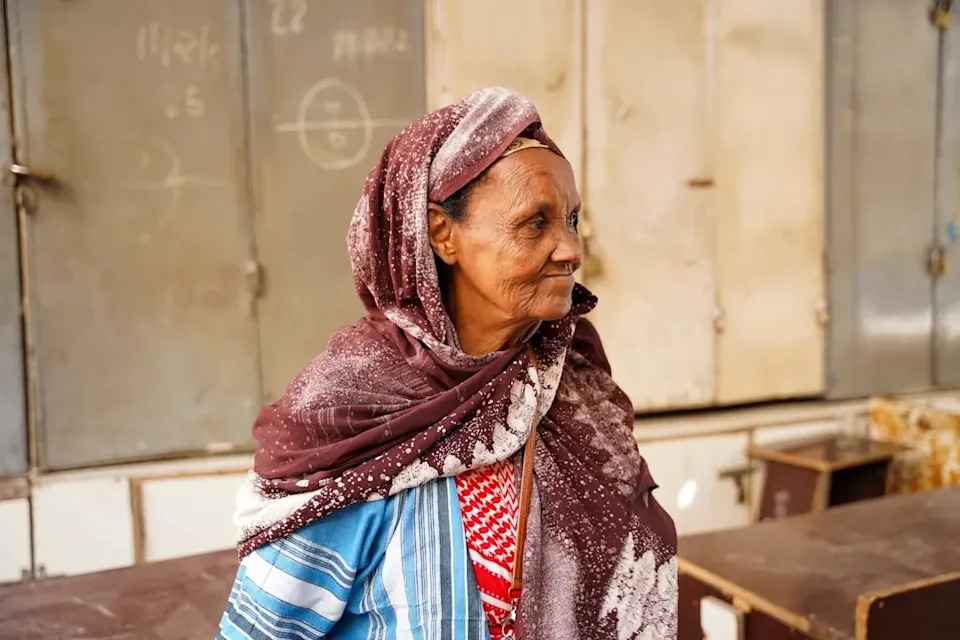
Somalia: al-Shabaab's rule by fear (Image Credits: Unsplash)
Indonesia (Aceh Province): Qanun Jinayat And Public Caning
Aceh is the only Indonesian province authorized to implement regional Islamic criminal law (Qanun Jinayat). The province’s Sharia police, the Wilayatul Hisbah, enforce public morality rules that include clothing requirements for women. Corporal punishment (caning) is prescribed for a range of offenses, including dress-code breaches.
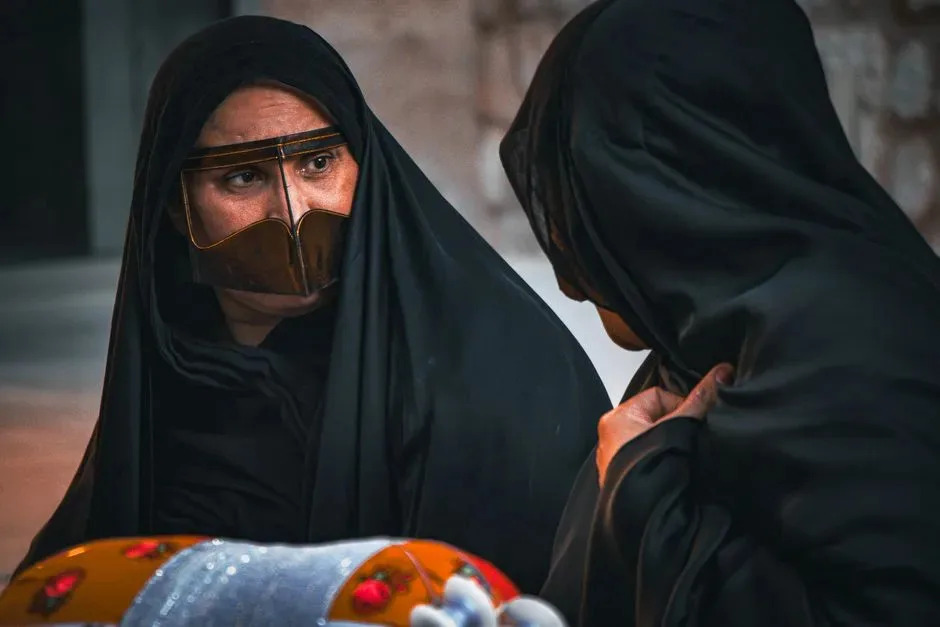
Yemen: Houthi-controlled areas and the niqab mandate (Image Credits: Pexels)
Reported enforcement has been sizeable: in the first full year after those laws took effect, authorities said 339 people were caned, including 39 women. Local officials often defend these measures as reflecting community values, and while non-Muslims are technically exempt, social norms influence daily life for most residents.
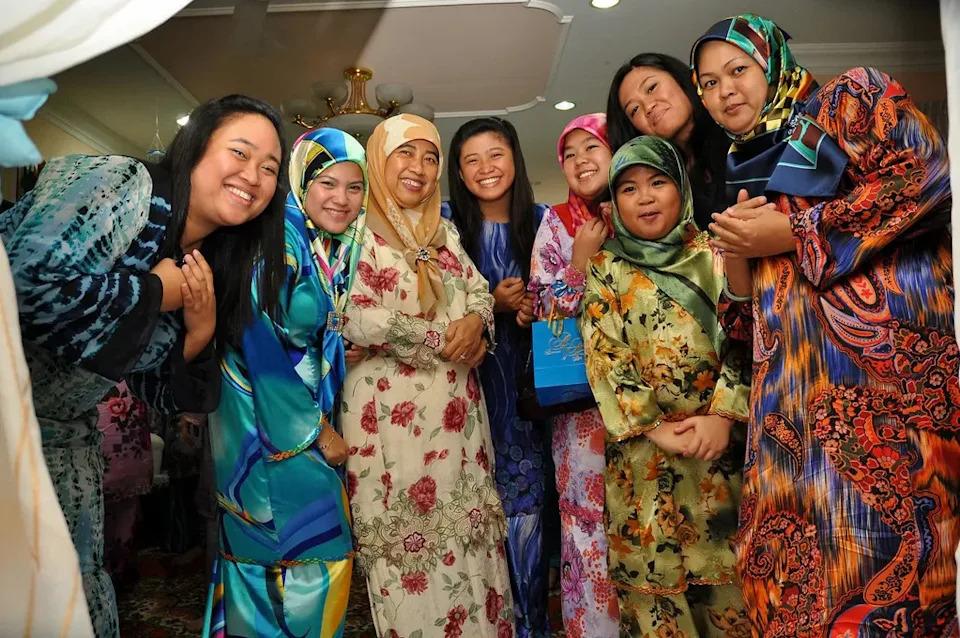
Brunei: the Syariah Penal Code (Nabila Engagement.,CC BY 2.0)
Northern Nigeria: State Sharia And Hisbah Boards
Starting in the early 2000s, about a dozen states in Nigeria’s predominantly Muslim north adopted Sharia-based penal codes that run alongside federal law. Informal enforcement bodies, known as Hisbah boards, monitor public morality — including how women dress in markets, transport hubs and other public spaces.

Iceland: no laws, no morality police (Image Credits: Pexels)
Penalties vary by state and local leadership, from warnings and fines to short detentions for repeat offenders. Enforcement is uneven and often depends on political conditions, but the legal and administrative mechanisms for policing clothing have been in place for decades.
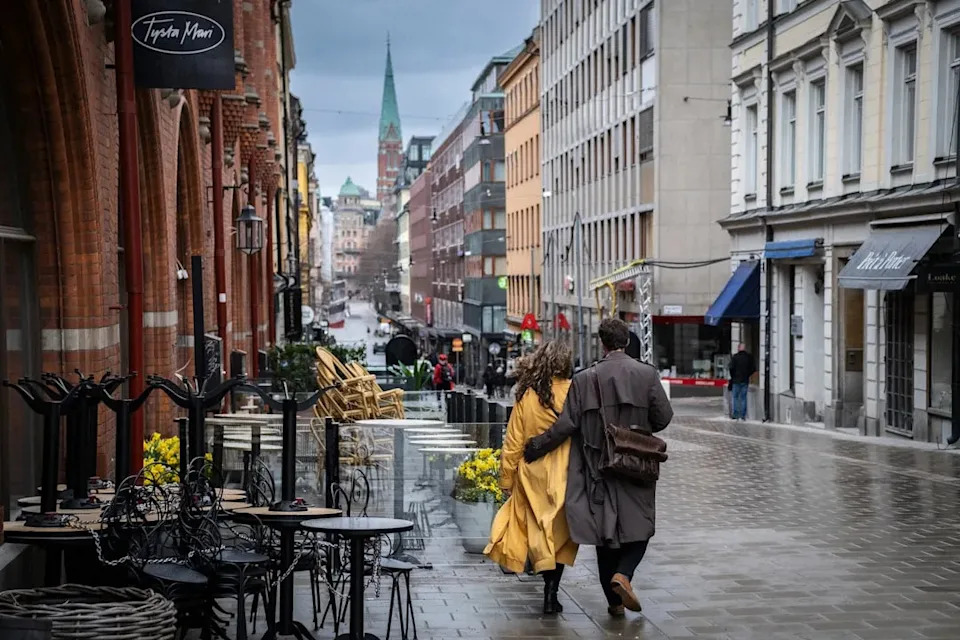
Sweden: equality written into everyday life (Image Credits: Unsplash)
Somalia: Al-Shabaab’s Parallel Authority
In parts of southern and central Somalia controlled by the militant group al-Shabaab, commanders enforce a strict interpretation of Islamic dress rules outside any formal judicial system. Women in those areas are typically expected to wear full-body coverings such as the niqab, and violations can lead to detention, public flogging or worse.
Because al-Shabaab operates as a de facto authority rather than a recognized state, its punishments occur without standard legal protections, making outcomes unpredictable and often severe.
Yemen: Houthi-Controlled Areas And Tightening Restrictions
In northern and western Yemen under Houthi control, morality committees and local directives have increasingly pushed for full-face covering and in some places restricted women’s travel without a male guardian. Human-rights monitors report stops, questioning and short detentions tied to perceived dress violations.
Enforcement varies by district and local commander, but recent trends indicate movement toward stricter controls rather than relaxation.
Brunei: Syariah Penal Code On The Books
Brunei introduced its Syariah Penal Code in stages between 2014 and 2019, adding provisions on indecency and public morality that apply to how Muslim women are expected to dress in official settings such as schools and government buildings. Violations can result in fines or short prison terms depending on Syariah court classifications.
Day-to-day enforcement is often lighter than the code’s language suggests, but the legal architecture that allows imprisonment for certain dress-related offenses remains.
Iceland: No Legal Dress Codes, Broad Personal Autonomy
Iceland offers a sharp contrast: there is no statutory dress code for women and no organized religious or civic "morality police" policing appearance. This absence reflects broader legal and cultural norms that prioritize individual autonomy and equality.
Iceland has topped the World Economic Forum’s Global Gender Gap Index for many years, and its record on gender equality aligns with minimal state control over personal clothing choices.
Sweden: Protected Expression And Everyday Equality
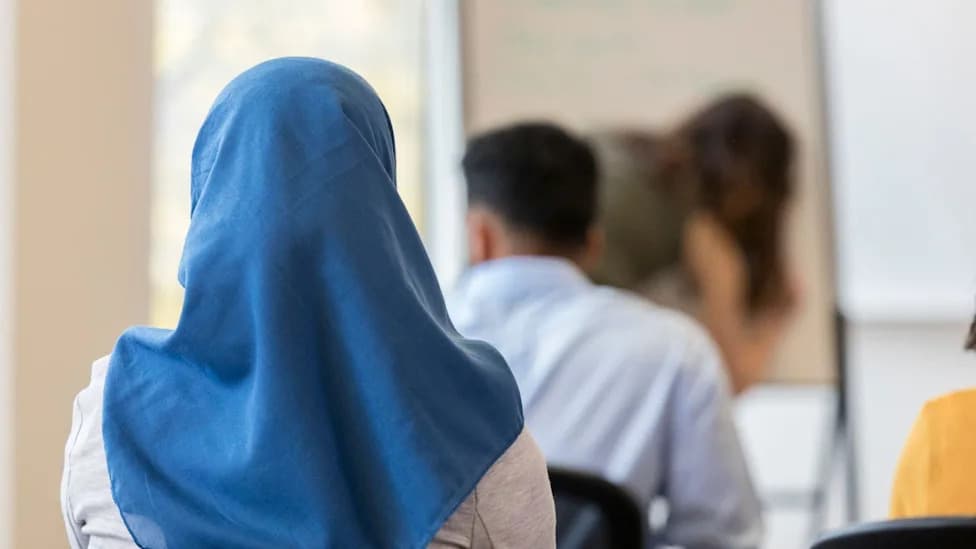
Sweden similarly lacks legal restrictions on how women dress. Whether a woman chooses a hijab, a sundress, or a business suit, Swedish law focuses on protecting free expression rather than regulating appearance. This approach is consistent with Sweden’s longstanding high rankings on gender-equality indices across the past decades.
Why This Matters
The divide between the two groups of countries is both legal and philosophical. In some places, a woman’s body and wardrobe are matters of state interest — enforced through law or by non-state actors — and can carry severe penalties. In others, those choices are private and legally protected. How regulations evolve in countries such as Iran and those under Taliban control will be an important indicator of whether global trends move toward tighter state control or greater personal freedom.
Help us improve.