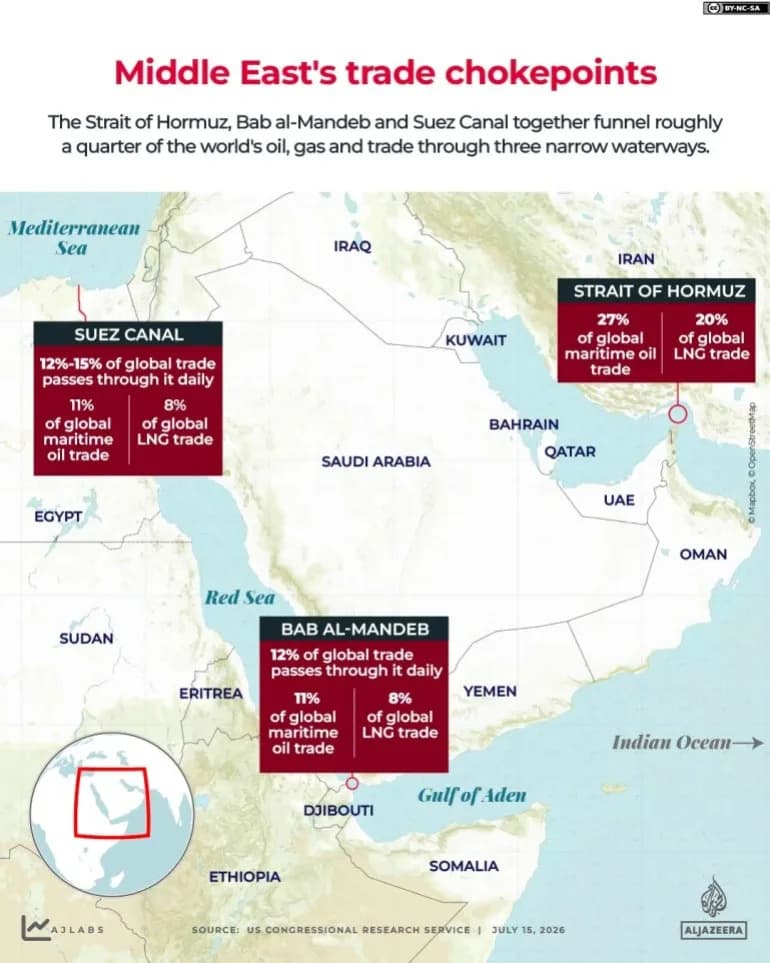
China has held direct talks with Yemen's Houthi movement to secure safe passage for its tankers through the southern Red Sea after the Houthis announced restrictions on access to Saudi ports on July 20. Beijing has been clearing vessels individually with Houthi representatives and has informed Iran of those arrangements. Industry data show at least four tankers have transited Bab el-Mandeb for China, while some ships have diverted or turned back due to safety concerns. The effort aims to keep oil flows from Red Sea terminals such as Yanbu amid wider regional tensions.
China Holds Direct Talks With Yemen's Houthis to Secure Tanker Passage Through Red Sea
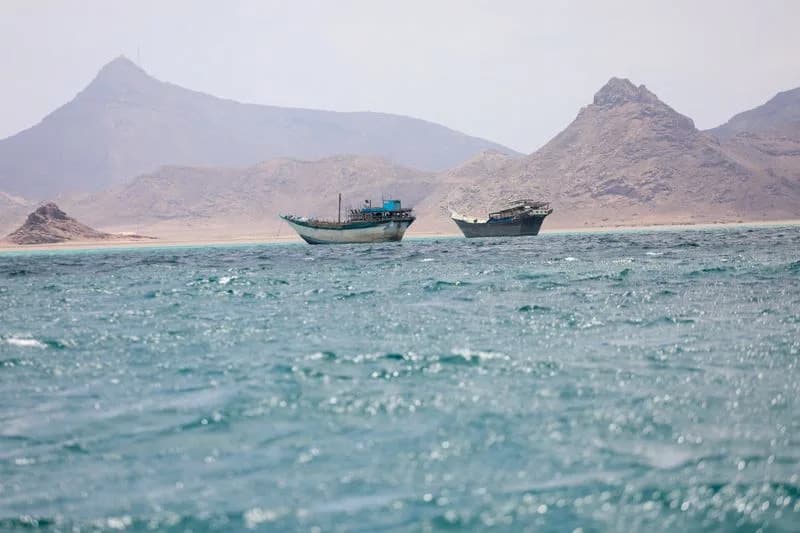
FILE PHOTO: Boats float near the coast of Bab el-Mandeb, Yemen, April 2, 2026. REUTERS/File Photo
China has engaged directly with Yemen's Houthi movement to secure assurances that Chinese tankers can transit the southern Red Sea without being attacked, multiple sources told Reuters on July 28. The contacts aim to keep Beijing’s oil shipments moving after the Iran-aligned militia announced restrictions affecting access to Saudi ports on July 20.
According to six sources familiar with the talks — including a senior Iranian official — Beijing has sought guarantees for safe passage through Bab el-Mandeb, the narrow strait at the southern entrance to the Red Sea where Yemen lies on the eastern shore. The sources declined to be named because of the sensitivity of the discussions.
How China Is Managing Transits
Sources said Chinese authorities have been clearing individual vessels with Houthi representatives and that both sides have kept Iran informed of those clearances. Industry tracking data from Kpler, LSEG and MarineTraffic indicate that at least four tankers have loaded crude at Saudi ports bound for China and transited Bab el-Mandeb since the Houthi restrictions began.
Operational Impact
The Houthis have warned international shipping firms by email that vessels could be attacked if they load or discharge cargo at Saudi Arabian ports. As a result, some tankers attempting to enter the Red Sea via Bab el-Mandeb have altered course or turned back over safety concerns.
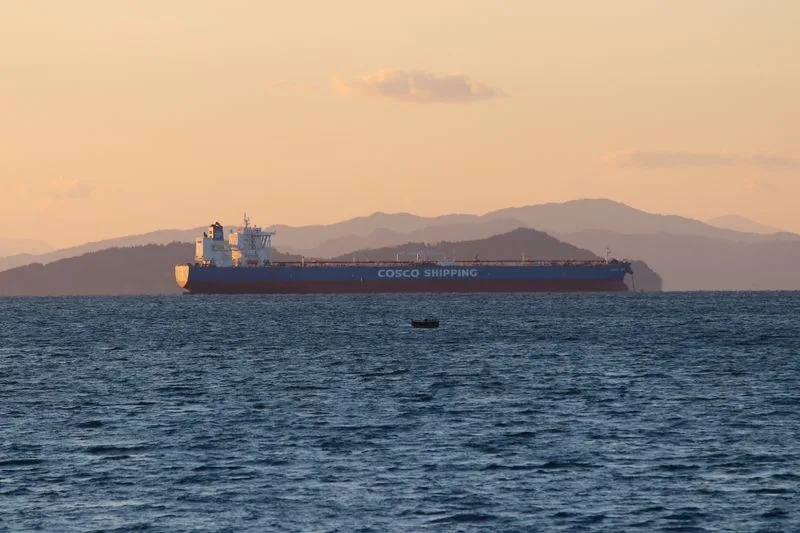
A file image from March 2, 2024, shows the Chinese-flagged VLCC supertanker Cosnew Lake, which exited the Red Sea via the Bab el-Mandeb Strait on July 23, 2026. VLADIMIR TONIC/Handout via REUTERS
Analysis from Lloyd’s List Intelligence and MarineTraffic shows the oil supertankers New Champion and New Prime both reversed course from the Gulf of Aden into open waters. The New Champion had been scheduled to call at Yanbu to load oil, while the New Prime was already carrying crude. The vessels are operated by Hong Kong-based Associated Maritime, which did not immediately comment.
Wider Context and Significance
Beijing’s outreach is driven in part by a desire to maintain oil flows from Saudi Red Sea terminals such as Yanbu, helping to offset supply disruptions after Iran effectively restricted traffic at the Strait of Hormuz. Transit times matter: a voyage from Yanbu to Asia via Bab el-Mandeb typically takes about 16 days, while rerouting north through the Suez Canal and then around Africa can increase the journey to roughly 50 days.
Sources close to the Houthi movement said the group has maintained cordial relations with China and that there has been prior coordination, particularly concerning oil shipments to China. Chinese, Houthi and Iranian spokespeople did not immediately respond to requests for comment.
Reporting by Jonathan Saul, Parisa Hafezi, Mohammed Ghobari, Timour Azhari, Florence Tan, Aizhu Chen, Siyi Liu and Sam Li; Editing by Kevin Liffey. Information based on statements from anonymous sources and ship-tracking data; some details could not be independently verified.
Help us improve.