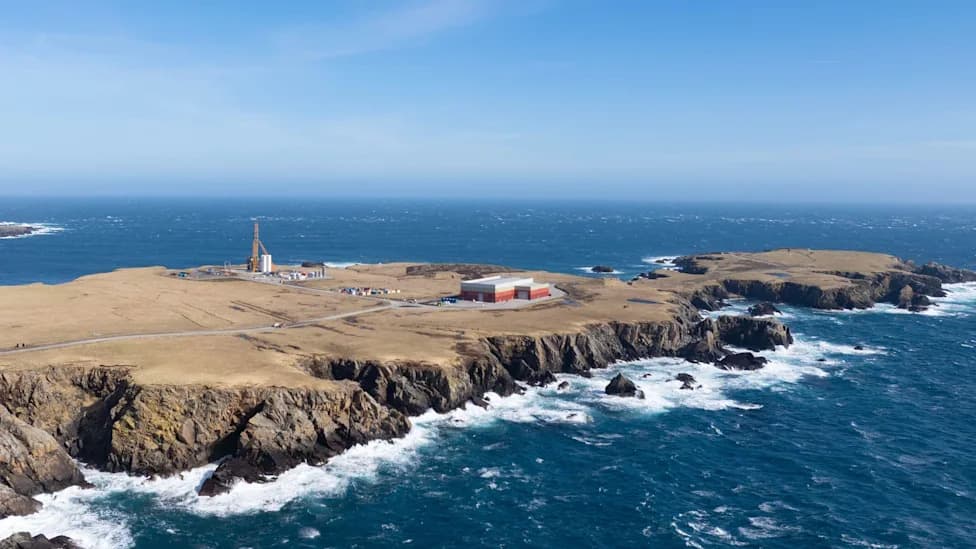
The Scottish government has committed nearly £760,000 — including £755,720 for phase three — to help develop a hydrogen and e-methanol clean fuels hub at Sullom Voe, Shetland. Veri Energy will lead the project, which aims to retain and retrain oil and gas workers after recent job reductions at the terminal. The facility could one day supply e-methanol to a proposed SAF plant at Grangemouth and is targeted to be operational by 2030, subject to approvals and further investment.
Scottish Government Backs Nearly £760k Investment For Sullom Voe Clean Fuels Hub To Protect Jobs
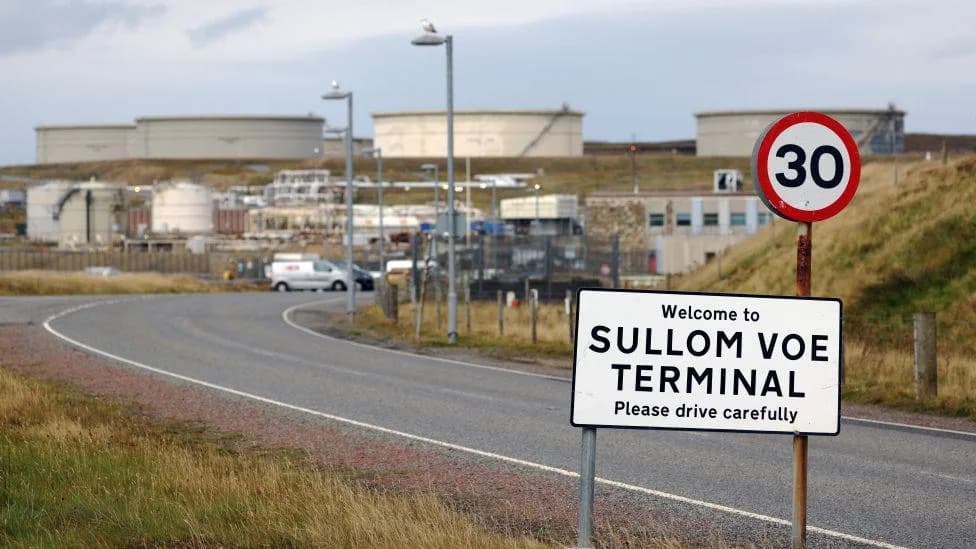
The facility at Sullom Voe Terminal could be operational by 2030 [Getty Images]
The Scottish government has announced funding of almost £760,000 to support development of a clean fuels hub at the Sullom Voe Terminal in Shetland. The award of £755,720 for phase three will help advance plans for a hydrogen and e-methanol facility being developed by Veri Energy, which aims to retain and retrain workers from the oil and gas sector.
The Sullom Voe operator has recently warned of reduced activity and around 30 job losses, making the investment a targeted effort to support local employment and skills transition. Project backers say the hub could become a regional centre for e-fuels and help anchor new green-energy supply chains in the North of Scotland.
What The Project Will Do
Veri Energy's planned facility will focus on producing hydrogen and e-methanol — low-emission fuels that can significantly reduce greenhouse gas and air-polluting emissions compared with conventional petrol and diesel. Officials say the site could, in time, supply e-methanol to a proposed sustainable aviation fuel (SAF) plant at Grangemouth.
Economic And Workforce Impact
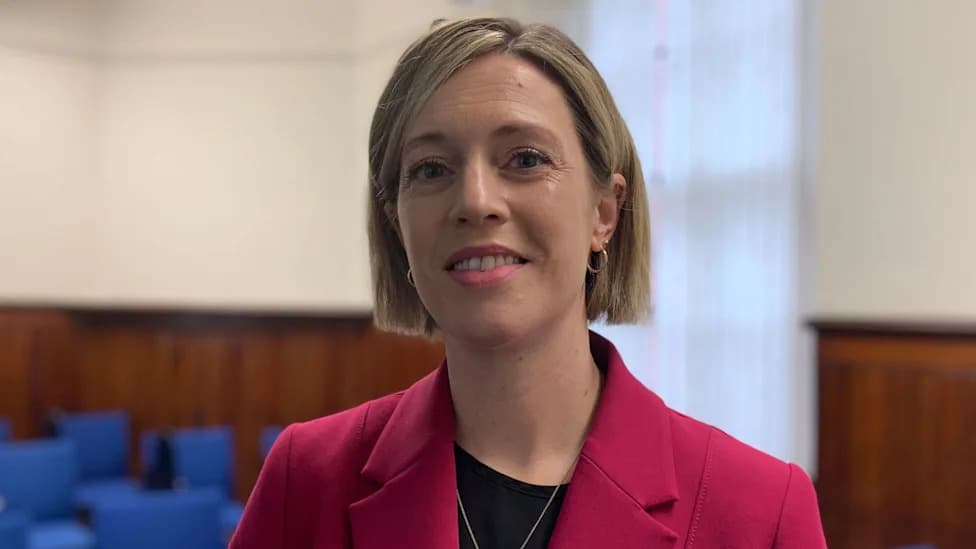
Veri Energy chief executive Gavin Templeton said the hub "could transform the site into a centre for e-fuels" and would build on "the skills, experience and industrial heritage of the region." The Scottish government described the funding as helping to secure a "viable future" for skilled local workers by enabling retraining, workforce development and supply-chain planning.
Energy minister Stephen Gethins said: "We need an approach to our energy future that manages ongoing oil and gas activity while seizing the opportunities from new technologies and low-carbon fuels."
Project partners expect the hub to be operational by 2030, subject to planning, further investment and delivery milestones across subsequent phases. Officials and developers will continue planning and engagement with local stakeholders to refine the timetable and ensure the initiative supports jobs and regional economic transition.
Why It Matters
The Sullom Voe initiative is part of a wider move to diversify energy economies, retain skilled workforces, and develop cleaner fuel alternatives in regions historically dependent on oil and gas. If successful, the hub could both mitigate short-term job pressures and help position Shetland and neighbouring supply chains in emerging e-fuel markets.
Help us improve.