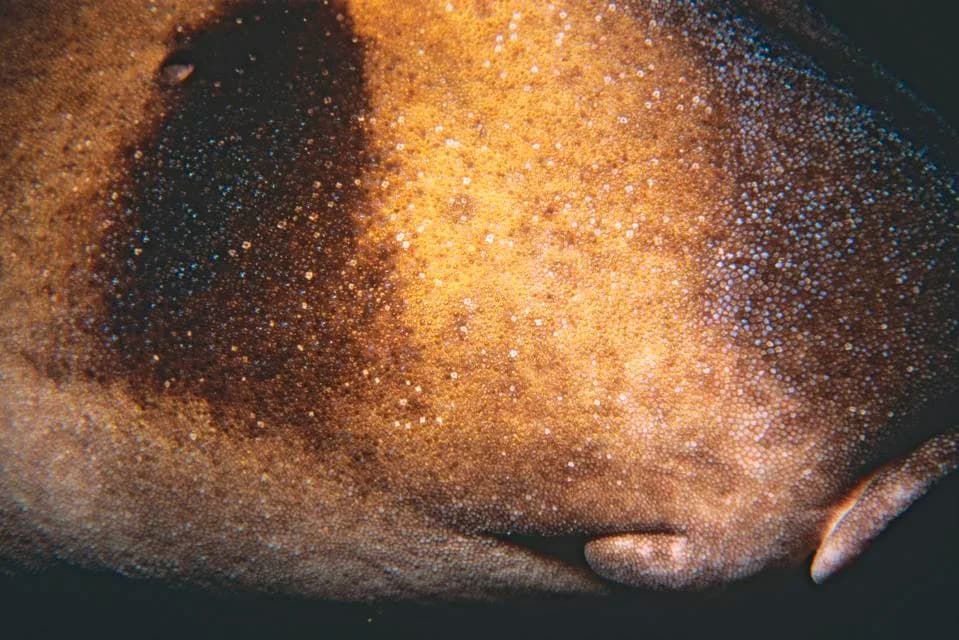
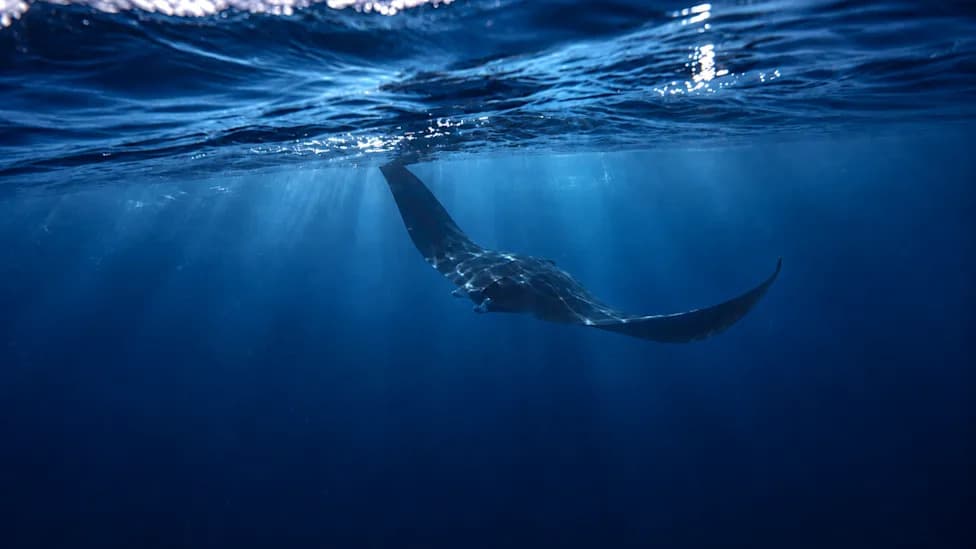
Researchers filmed Galápagos sharks deliberately scraping against oceanic manta rays in Revillagigedo between December 2024 and February 2025, apparently targeting heads, gills and flanks to remove ectoparasites. Similar rubbing behaviors have been recorded in the Maldives, Galápagos and Malpelo Island, suggesting the practice may be widespread. Scientists debate whether this reflects true behavioral change driven by ecological pressures or simply improved observation from more divers and cameras; both factors may be contributing.
Sharks Seen Scraping Against Manta Rays — Parasite Control, Behavioral Flexibility, or A Sign of Change?
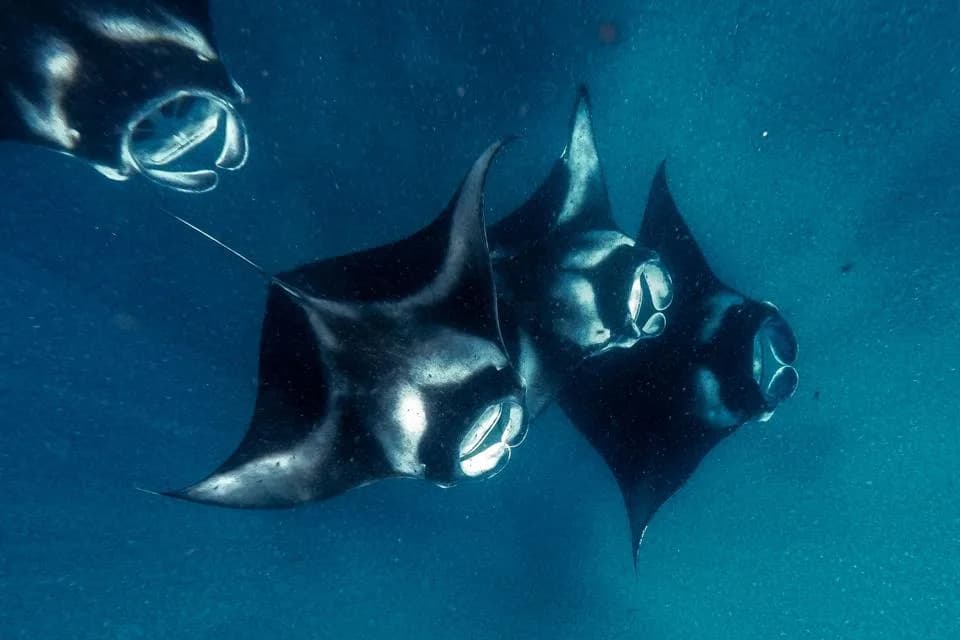
It's been seen again: Galapagos sharks rubbing themselves against giant manta rays, possibly to scrape off parasites! The behavior hints at remarkable flexibility in how marine animals solve problems, but it may also reveal an ecosystem under pressure. If cleaner fish are disappearing or being disturbed by tourism, are sharks improvising new cleaning strategies at the expense of mantas?AFP via Getty Images
Researchers recently recorded Galápagos sharks deliberately rubbing parts of their bodies against oceanic manta rays in Mexico's Revillagigedo Archipelago. The behavior — filmed between December 2024 and February 2025 at two popular dive sites inside Revillagigedo National Park — appears to target areas where ectoparasites commonly accumulate, such as the head, gill region and flanks.
What Was Observed
Divers captured multiple videos showing Galápagos sharks (Carcharhinus galapagensis) approaching manta rays (Mobula birostris) and pressing or scraping their bodies against the mantas' undersides. The actions looked deliberate: sharks appeared to select and rub specific body regions where parasites are likely to concentrate.
Similar Reports From Other Regions
This behavior is not unique to Revillagigedo. In recent years, scientists have documented silky sharks, grey reef sharks and Galápagos sharks rubbing against whale sharks in the Maldives, the Galápagos Islands and Revillagigedo. Silky sharks have also been observed scraping against mantas near Malpelo Island off Colombia. Together, these records suggest the behavior may be geographically widespread.
How Scientists Interpret These Sightings
Researchers urge caution in interpretation. As Dr. Madalena Pereira Cabral of Cuidando los Mares de México A.C. notes, "It's important to distinguish between what is new to us and what is genuinely new in the system." Increased diving, more cameras and long-term monitoring can reveal behaviors that went unnoticed for years.
"Revillagigedo has undergone decades of intensive diver observation, particularly of manta rays. If sharks had been routinely scraping against them for years, it is likely someone would have filmed it before now," says lead author Jane Alban Vinesk, who led the Revillagigedo study. She adds that since publication multiple observers have reported similar recent interactions elsewhere.
Possible Causes And Consequences
There are several plausible explanations for these observations:
- Behavioral flexibility: Sharks already use reefs, sand and other hard surfaces to remove irritants; using another large animal as a scraping surface may be an opportunistic extension of that tactic.
- Changing ecological context: If cleaning stations are disturbed — for example, by tourism that shortens or interrupts cleaning sessions — sharks might seek alternative cleaning methods.
- Increased observation: Concentrated monitoring and tourism in protected areas can make rare or previously unnoticed interactions easier to record.
Each explanation has different implications. Behavioral flexibility allows rapid changes in how animals solve problems without evolutionary change. But if sharks increasingly use living animals as tools to remove parasites, there could be costs: repeated scraping might stress mantas, disrupt feeding or cleaning, or even facilitate the transfer of microorganisms between species. Currently, these potential impacts remain largely hypothetical and require targeted study.
Why This Matters
These observations illuminate how animals navigate parasite burdens and how human activity and conservation can shape what we see in the ocean. Whether this represents a genuine change in shark behavior or simply better detection, the records prompt valuable questions about interspecies relationships, animal decision-making and the broader health of marine ecosystems.
Note: This reporting is based on recordings from Revillagigedo (Dec 2024–Feb 2025) and on published and anecdotal observations from other regions. The original article appeared on Forbes.com.
Help us improve.