Stanford researchers led by Vayu Hill-Maini are exploring how fungi can convert food waste into edible, climate-friendly ingredients. The lab combines genetic and metabolic tools with a chef-in-residence program to improve fungi’s ability to process waste and to make the results tasty and nutritious. The work aims to create circular, low-emission food options that fit into familiar meals while attention to safety and scalability continues.
From Leftovers To Lunch: Stanford Uses Fungi And Chefs To Turn Food Waste Into Tasty, Climate-Friendly Foods
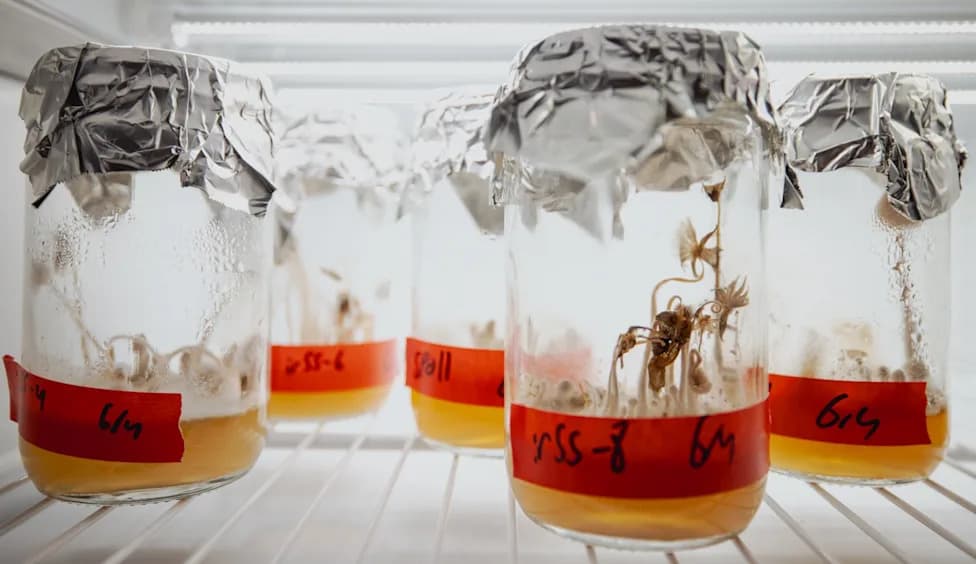
Photo Credit: Andrew Brodhead
Stanford bioengineer Vayu Hill-Maini and his lab are developing a novel approach to two linked problems: massive food waste and the greenhouse gases it produces. By combining fungal biology, genetic tools and hands-on culinary collaboration, the team aims to transform discarded food streams into nutritious, flavorful ingredients people will want to eat.
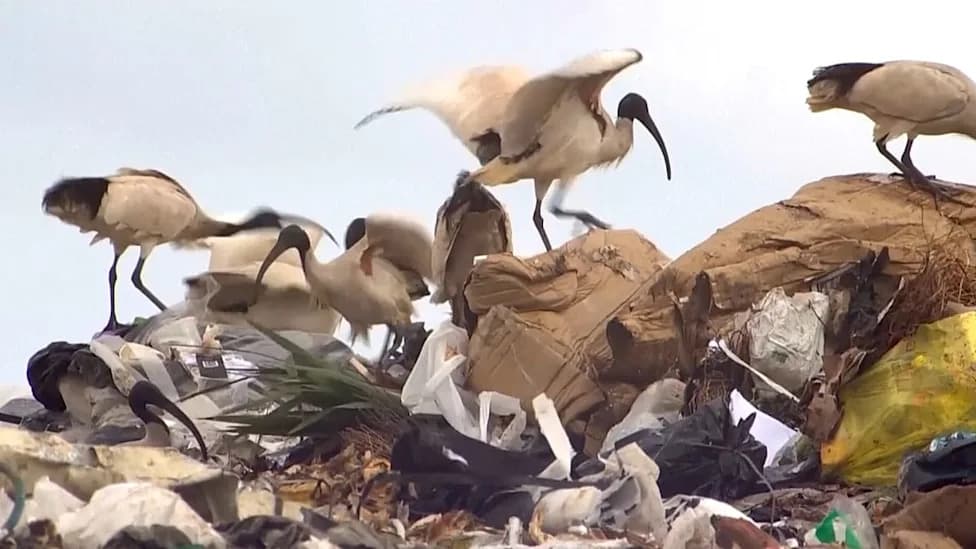
Hill-Maini estimates that roughly 30% of produced food is discarded and that food waste contributes about half of the food system’s greenhouse gas emissions. The lab is investigating whether fungi can convert some of that waste into useful food components and ready-to-use ingredients for meals.
Researchers point to shiitake and oyster mushrooms as examples: these fungi can grow on substrates such as sawdust, demonstrating their ability to break down material many other organisms cannot. As Hill-Maini says,
"Fungi are nature's recyclers."
To make lab-grown ingredients not only efficient but appealing, the team launched a chef-in-residence program that brings culinary experts into the lab. Chefs help shape texture, flavor, and presentation so products fit into familiar dishes and are more likely to be adopted by everyday consumers.
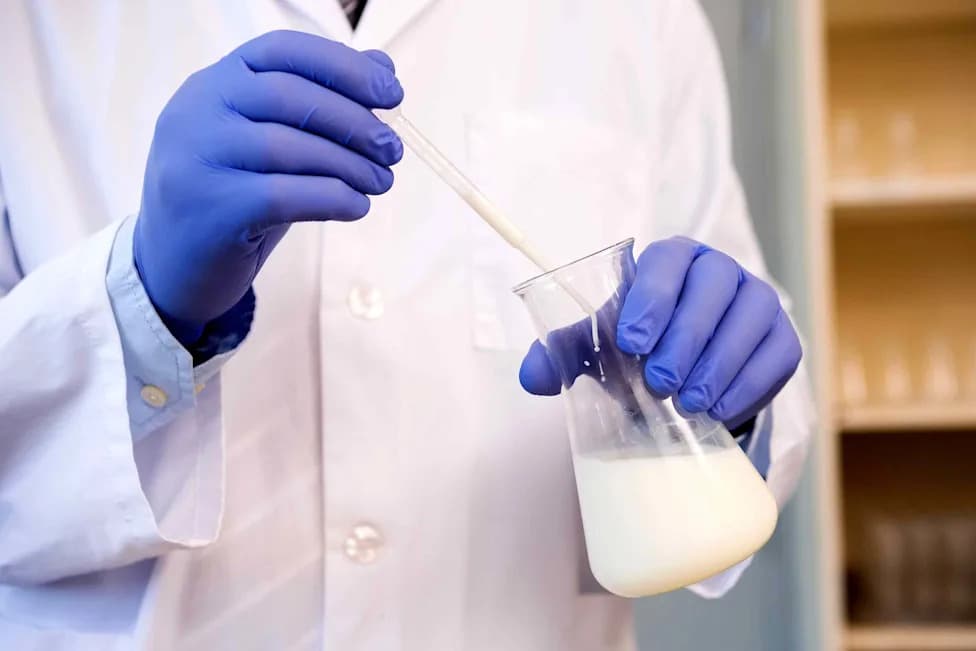
At the same time, researchers are using genetic and metabolic tools to enhance fungi’s ability to process diverse waste streams and to improve nutritional profiles and taste. The program follows two parallel tracks: optimizing how different fungal strains handle assorted waste materials, and developing culinary-ready products that are nutritious and delicious.
Fungi already underpin many familiar foods — including bread, cheese, soy sauce, sake and miso — but cultural attitudes like "mold is bad" or "mushrooms are weird" have limited broader acceptance. The lab’s collaboration with chefs and focus on flavor aims to shift that perception and show how fungal ingredients can be both familiar and exciting.
Beyond reducing greenhouse gases, repurposing food waste could conserve money, labor and resources across farms, factories, stores and households. If more discarded material can be converted into palatable, nutritious products, the food system could become more circular and less polluting while producing items consumers actually choose.
The research is still exploratory: teams are also evaluating food safety, scalability and regulatory pathways as they move from lab experiments toward potential commercial products. If successful, this approach could create new supply chains that turn unwanted waste into valuable, climate-friendly foods.
Help us improve.