Australia will fund a A$4m feasibility study for its first new oil refinery since 1965, proposed for the Pilbara, after more than 100 petrol stations ran dry amid supply disruptions linked to the conflict involving Iran. The country imports up to 90% of its petrol and diesel and had only about a month's reserves when shortages hit, prompting warnings from transport and farming groups. Perdaman — which is also building a government‑backed urea plant in the Pilbara — has proposed the refinery, but experts caution any new facility must be cost‑competitive with low‑cost Asian refiners and delivered on schedule.
Australia Moves to Build First New Oil Refinery Since 1965 to Shore Up Fuel Security
Australia barely had a month's supply in petrol reserves as it imports most of its fuel from abroad - iStock Editorial
Australia has announced plans to develop its first new oil refinery since 1965, prompted by widespread petrol shortages earlier this year. The federal Labor government will fund a A$4m (£2m) feasibility study for a proposed refinery in the Pilbara region on the country's north‑west coast.
Why The Push Now?
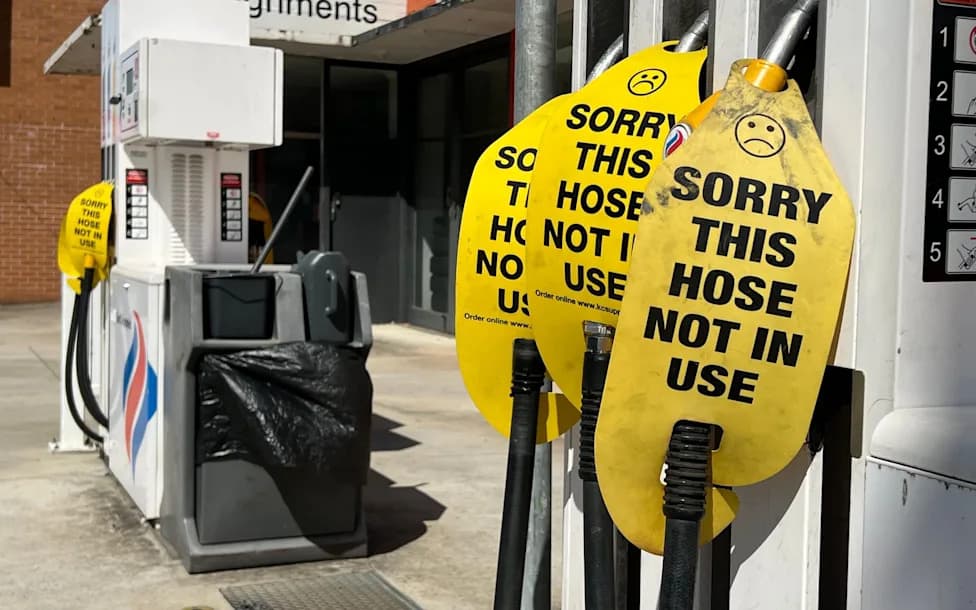
In the early weeks of the conflict involving Iran, more than 100 petrol forecourts around Australia ran dry after crude shipments to refineries in south‑east Asia were disrupted. At the time the country imported up to 90% of its petrol and diesel and had only about a month's supply in reserve, triggering warnings from the Australian Trucking Association and the National Farmers Federation about immediate risks to transport and agriculture.
Who Is Behind The Proposal?
Industrial manufacturer Perdaman has proposed the Pilbara refinery and said the crisis highlighted a need for a sovereign refining capability. Perdaman's chairman, Vikas Rambal, called the feasibility funding an important first step toward greater fuel security.
"The fuel security challenge made it clear that Australia needs its own sovereign refining capability," said Vikas Rambal.
Economic And Operational Challenges
Australia once operated eight refineries; six have closed since 2000 after struggling to compete with lower‑cost producers in Asia and the Middle East. Even with a new plant, Australia would still import most crude oil, though crude can be stockpiled for longer than finished petrol or diesel, offering a buffer against short‑term disruptions.

Anthony Albanese, the Australian prime minister, has said the country risks relying on offshore supplies - Tracey Nearmy
Stephen Wilson of the Institute of Public Affairs warned policymakers must ensure any new refinery can compete with Asian rivals and be delivered on time and on budget. He pointed to recent large public projects as potential concerns for investor confidence.
Related Industrial Moves
Perdaman is already building a government‑backed urea plant in the Pilbara to ease fertiliser shortages caused by shipping disruptions. That project, supported by A$475m in loans, is due to open in mid‑next year and aims for a capacity of about 2.3 million tonnes, potentially replacing roughly two‑thirds of Australia's annual urea imports.
Broader Energy Trends
The disruption to oil supplies has also accelerated Australian interest in alternatives such as electric vehicles. In June, Chinese EV maker BYD came within 243 cars of outselling Toyota in Australia, underlining a shifting market amid concerns over petrol availability.
Next Steps: The A$4m feasibility study will examine the technical, economic and environmental viability of the Pilbara refinery. Policymakers and industry will need to weigh the costs, timing and strategic benefits before committing to construction.
Help us improve.