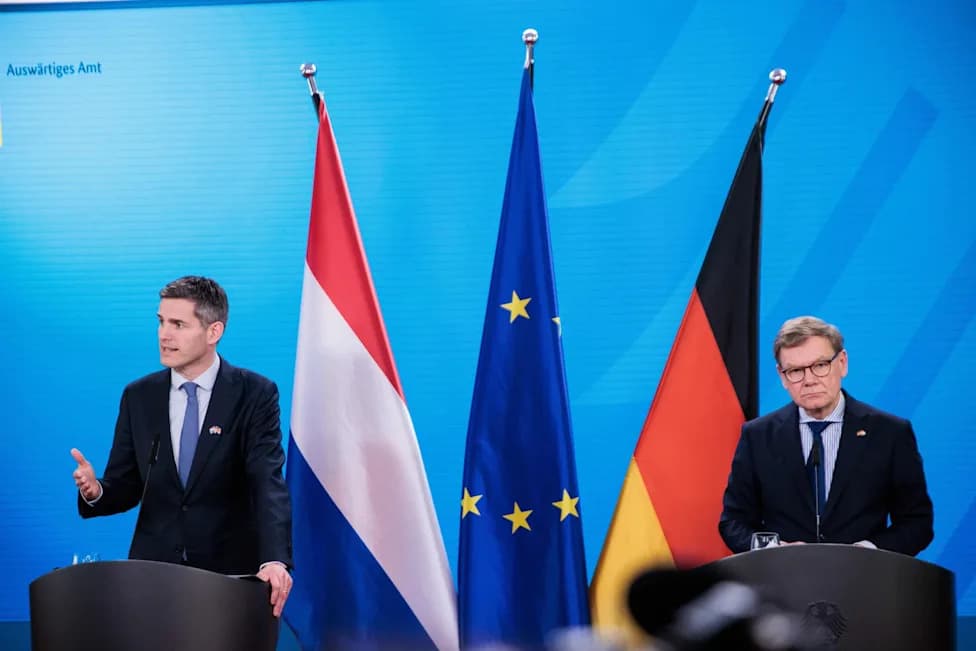
Chad has notified the U.N. that it will withdraw from the Rome Statute and leave the International Criminal Court, citing limited effectiveness and an alleged anti‑African bias. The foreign ministry noted that early ICC probes focused on Africa and that most detainees were linked to African situations. The move, effective in one year, comes as the United States intensifies a campaign critical of the ICC following recent arrest warrants related to Gaza. Several other countries in the region have recently announced similar withdrawals.
Chad Announces Withdrawal From International Criminal Court, Citing Alleged Anti‑African Bias Amid U.S. Pressure
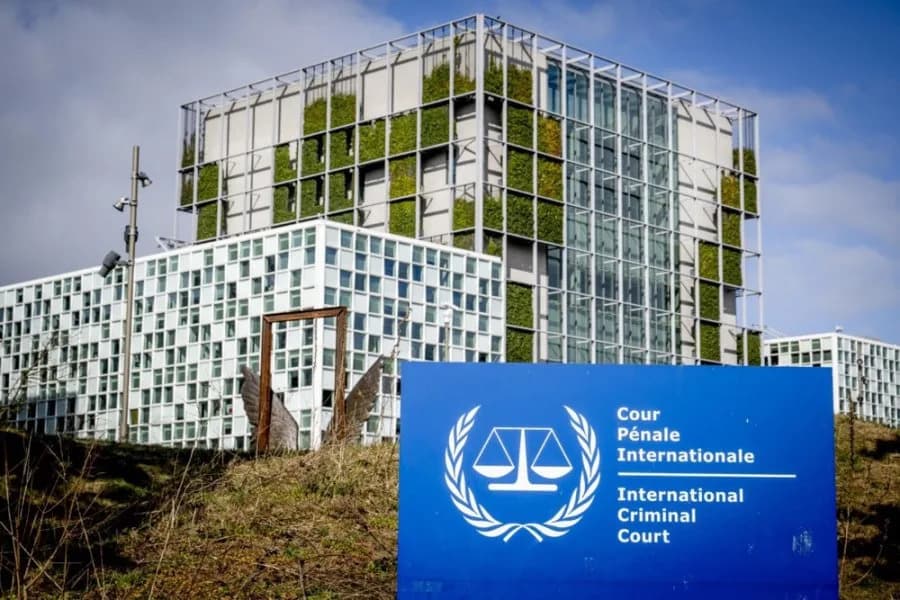
An exterior view of the International Criminal Court (ICC) in The Hague, The Netherlands, on March 11, 2025. Chad on Monday announced its formal withdrawal from The Hague. File Photo Robin Utrecht/EPA-EFE
Chad has formally notified the United Nations that it will withdraw from the Rome Statute and leave the International Criminal Court (ICC), the country's Foreign Ministry said in an official communique made public Monday. The decision follows what the ministry described as an "in-depth examination" of the court's operations and is scheduled to take effect in one year.
Reasons Cited: The ministry argued that the ICC's effectiveness "has remained limited and uneven in light of the expectations that led to its creation," and alleged an anti‑African bias, noting that the court's first nine investigations focused on situations in Africa. The ICC currently lists 17 situations under investigation; Chad highlighted that six of the seven people then in ICC custody were connected to African situations.
"Taken together, these objective factors explain the perception, widely shared among numerous states and their populations, that the court's judicial activity has remained durably concentrated on the Global South in general and on the African continent in particular," the ministry said, adding that many see the ICC as having been politically instrumentalized against African states.
The ministry called on the African Union and its member states to reconsider the future of what it described as an "apparently biased system" and urged strengthening regional judicial mechanisms as an alternative.
U.S. Role And International Context: Chad's announcement comes amid an intensified U.S. campaign critical of the ICC following the court's issuance of arrest warrants for Israeli Prime Minister Benjamin Netanyahu and former Defense Minister Yoav Gallant over alleged war crimes and crimes against humanity in Gaza. Earlier this month, U.S. Senator Marco Rubio publicly announced a campaign aimed at challenging the ICC's authority and protecting U.S. sovereignty.
Four days before Chad went public with its decision, Foreign Minister Abdoulaye Sabre Fadoul spoke by phone with U.S. Under Assistant Secretary of State for African Affairs Frank Garcia Jr. According to a Chadian statement, the call was at Washington's request; Garcia reportedly urged Chad to review its ICC membership, and Fadoul said the government would do so.
The U.S. State Department's Bureau of African Affairs welcomed Chad's decision in a statement, saying it supported nations "reclaiming their sovereignty from this flawed institution" and that Washington would pursue a "comprehensive, whole‑of‑government campaign" to limit what it called the ICC's illegitimate overreach.
Regional Trend: Chad's notice to the U.N. follows similar recent moves: Venezuela has announced it is leaving the ICC, and Burkina Faso, Mali and Niger all declared withdrawals in June 2026. Chad's exit will become effective one year after its formal notification to the U.N.
Help us improve.