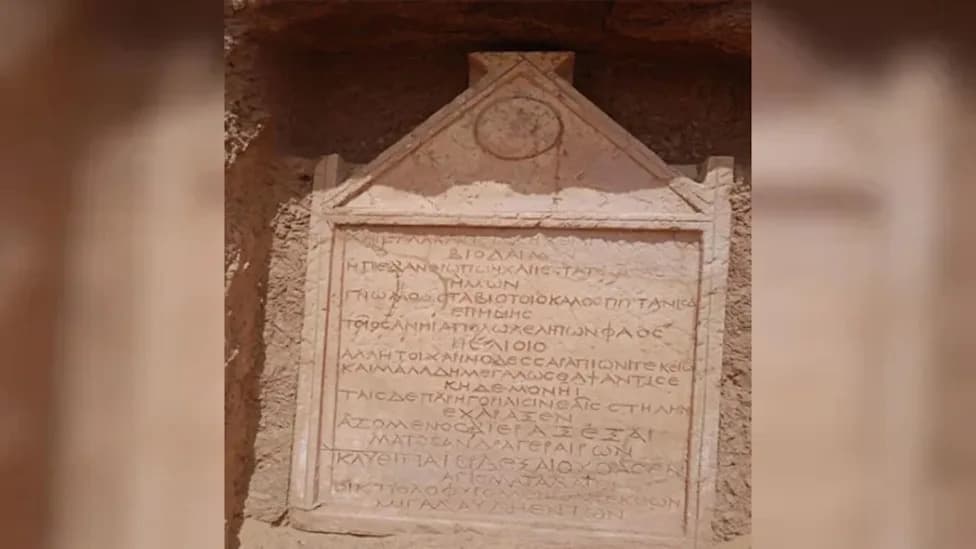
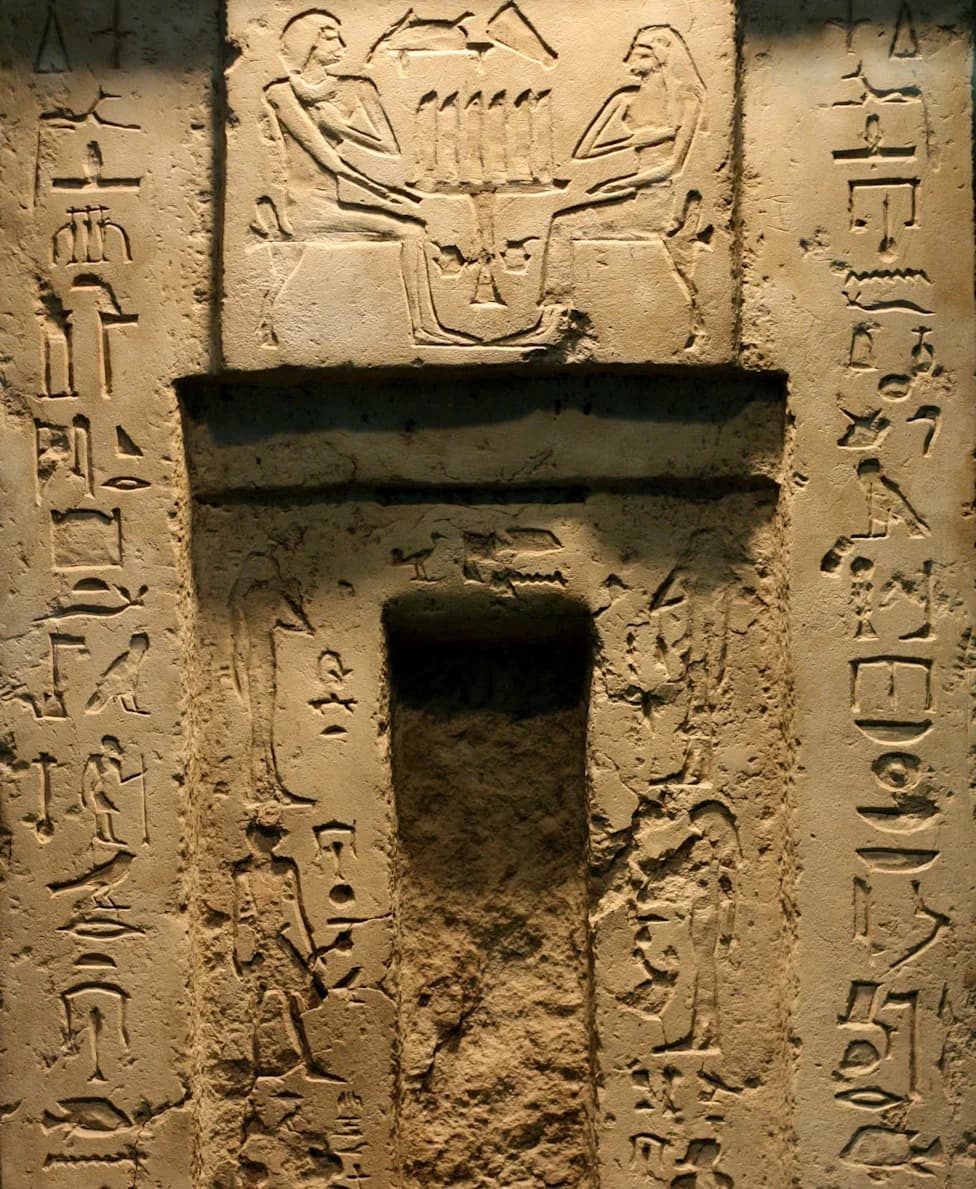
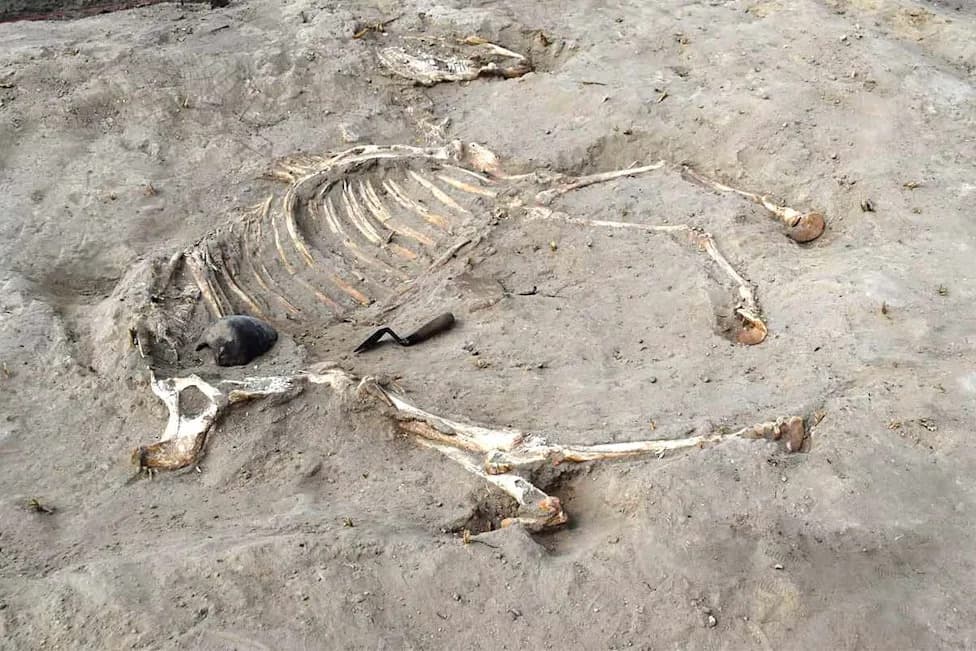
An intact funerary complex excavated at Tell Athar Quesna in Menoufia revealed 560 faience ushabti figurines, amulets, embalming vessels and beads dating to the Late and Greco-Roman periods. A pottery handle inscribed with a maker's name links some material to Rhodes, suggesting Mediterranean trade ties. Residue analysis is underway to learn more about undocumented funerary rituals, and the site will remain an active research project with implications for archaeology, museums and heritage tourism.
Major Tomb Complex Unearthed in Egypt’s Nile Delta — 560 Ushabti and Rhodes‑Linked Pottery
Photo Credit: iStock
Archaeologists in Egypt have uncovered an intact funerary complex at Tell Athar Quesna in Menoufia Governorate, offering a rare, well-preserved window into burial practices, religious life and long-distance trade during the Late and Greco-Roman periods.
Key Discoveries
The excavation, led by a mission from Egypt's Supreme Council of Antiquities, exposed a funerary unit organized around a central hall that connects to several vaulted burial chambers. Among the most important finds were:
- 560 faience ushabti figurines, many in the classic Osirian form and inscribed with passages from the Book of the Dead.
- Semi-precious amulets depicting motifs such as the Eye of Horus and the Knot of Isis.
- Ceramic vessels and lamps believed to have been used in embalming or burial rites, plus blue and green faience beads likely from funerary nets.
- Imported material linked to Rhodes — including a handle fragment bearing a maker's name — pointing to trade connections across the eastern Mediterranean.
Residues recovered from some vessels are under laboratory analysis with the aim of identifying substances and practices that have not previously been documented. These scientific tests could clarify how embalming materials and ritual offerings were prepared and used.
"The importance of the discovery lies not only in the diversity of the artifacts but also in the scientific evidence they provide for reconstructing the religious, cultural and economic life of communities living in the central Delta during one of Egypt's most dynamic historical periods," said Sherif Fathy, Egypt's Minister of Tourism and Antiquities.
The find illuminates how ordinary communities — not just elites — commemorated the dead and interacted with wider cultural currents. The Rhodes-linked pottery strengthens evidence of active exchange between Egypt's central Delta and the Mediterranean world, helping historians track the movement of goods, craftsmen and ideas well before modern globalization.
The Supreme Council of Antiquities has emphasized that the necropolis remains an active research project: excavations and analyses will continue, and the discoveries will support museum study, heritage conservation and responsible cultural tourism in the region.
Help us improve.