UNESCO has added South Sudan's Boma–Badingilo migratory landscape to its World Heritage In Danger list, marking the country's first UNESCO site. The 37,500 sq km savannah — larger than Belgium — supports an annual migration of roughly one million animals and faces threats from armed conflict and climate change. The listing could unlock funding, raise international attention, and promote responsible tourism to support conservation and local communities.
UNESCO Adds South Sudan’s Boma–Badingilo Antelope Migration to World Heritage In Danger
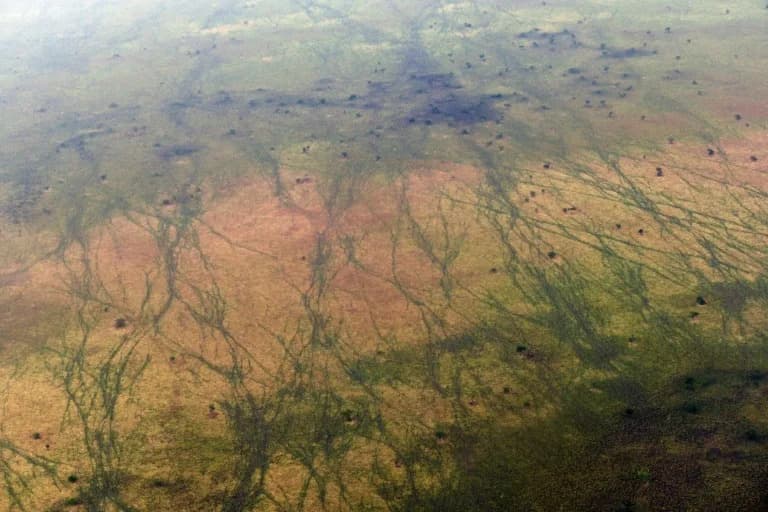
One million animals -- including antelopes -- migrate through the South Sudanese site each year, leaving scars visible from the sky (TONY KARUMBA)
UNESCO has fast-tracked the Boma–Badingilo migratory landscape in South Sudan onto its World Heritage In Danger list — the country's first-ever UNESCO inscription. The grassland and woodland savannahs cover roughly 37,500 square kilometres, an area larger than Belgium, and host one of the planet's most significant seasonal ungulate migrations.
Significance
Each year, about one million animals — including antelopes and gazelles — move through the wilderness between the White Nile and the Ethiopian border, leaving tracks and scars on the grasslands that are visible from the air. The migration is both an ecological marvel and a vital part of local cultures and livelihoods.
Threats and Reasons for Listing
The landscape faces mounting pressures from armed conflict, climate change-driven drought and habitat shifts, and increasing land-use pressures. South Sudan has experienced recurrent violence and instability since gaining independence in 2011, compounding risks to wildlife corridors and community resilience.
Voices From South Sudan
'The Boma–Badingilo migratory landscape is home to one of the greatest wildlife migrations on Earth and stands as a powerful symbol of our country's resilience, beauty and potential,' said Tourism Minister Denay Jock Chagor.
'This designation honors not only the animals and the land, but also the people whose lives, traditions and cultures have always been connected to them,' said Paulino Warnyang, a representative of local communities.
What the Listing Means
Being placed on the World Heritage In Danger list can attract international attention, unlock conservation funding, and support targeted measures to protect migration routes. It can also stimulate responsible tourism that benefits local communities — provided development is carefully managed to avoid further harm.
Urgency and Next Steps
Conservationists and community leaders stress the need for immediate action to secure corridors, reduce the impact of conflict, and build climate resilience. The UNESCO listing creates a critical window to coordinate protection efforts so future generations can continue to witness this extraordinary migration.
Help us improve.