Argonne National Laboratory monitored two Minnesota solar farms replanted with native wildflowers and grasses and found large ecological benefits over five years. Flowering plants and native vegetation increased, total insect counts tripled, and bee numbers rose roughly twentyfold. Insects from the restored sites also helped pollinate neighboring farms. The study suggests that siting solar on retired agricultural land and managing arrays for biodiversity can support renewable energy goals while helping reverse insect declines.
Minnesota Solar Farms Boost Insect Numbers — Study Finds Bees Increased Twentyfold

VectorStockbd/Shutterstock
Recent research shows that solar farms, when managed thoughtfully, can do more than generate low-carbon power — they can also help restore local ecosystems.
Five-Year Study Shows Big Gains For Pollinators
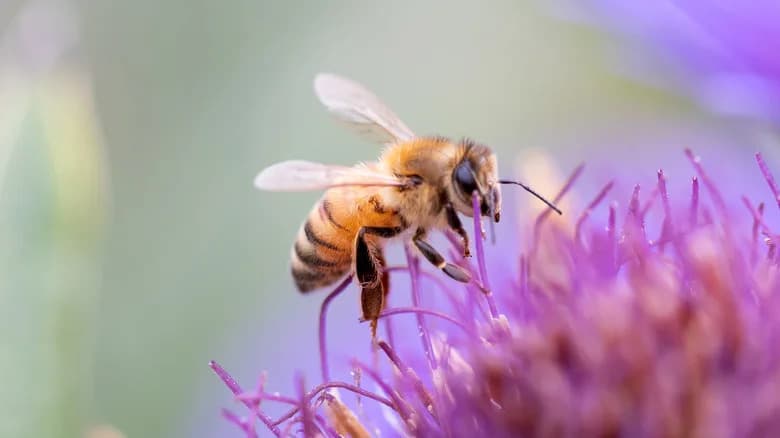
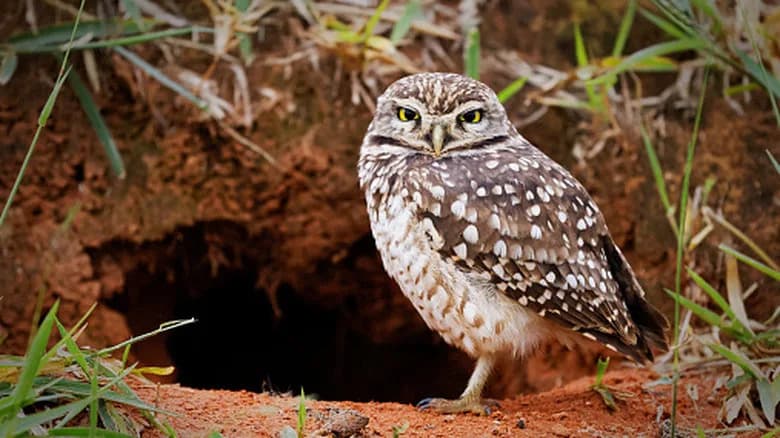
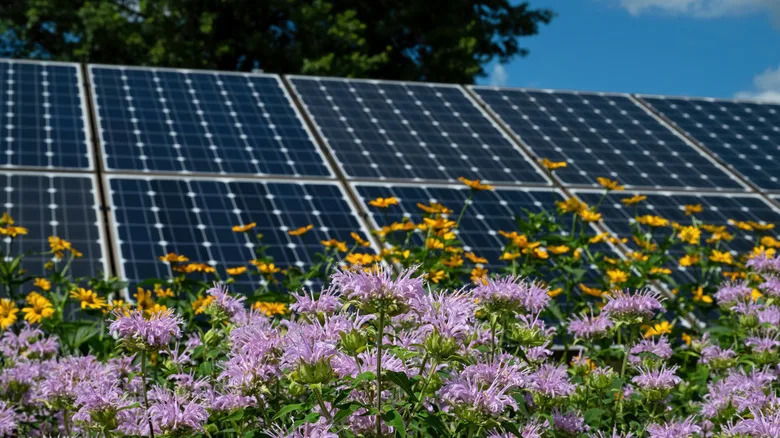
Researchers from Argonne National Laboratory monitored two solar installations in Minnesota that were built on retired agricultural land and replanted with native wildflowers and grasses. Over five years of consistent monitoring, the team recorded large increases in flowering plants and native vegetation. Beneficial insects — including bees, butterflies, wasps, and hornets — became substantially more abundant: total insect counts roughly tripled, while bee numbers rose by about twentyfold.
Why This Matters
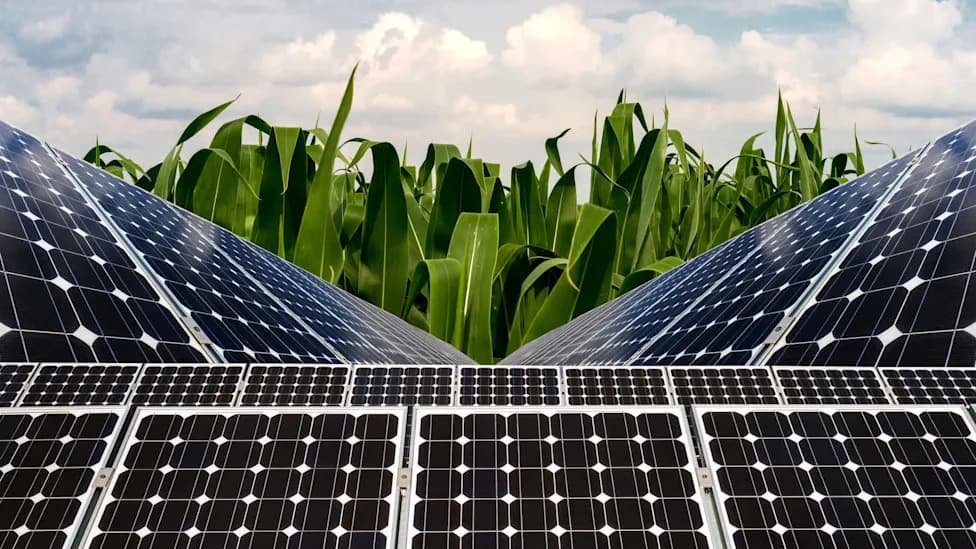
Scaling solar energy to meet climate and grid goals will require substantial land — estimates suggest roughly 10 million acres of development at scale. Locating much of that capacity on retired agricultural fields rather than intact natural habitats creates an opportunity to restore pollinator-friendly vegetation around arrays. That approach minimizes habitat loss while producing renewable energy.
Michael G McKinne/Shutterstock
Benefits Beyond The Fenced Array
The researchers observed that insects using vegetation at the solar sites moved into nearby farmland and contributed to crop pollination. In other words, restored solar fields can provide a biome boost to surrounding agricultural areas by supporting pollinators and other beneficial species.
Reversing Declines With Thoughtful Management
Insect populations globally have been affected by climate change and widespread pesticide use. The Argonne findings suggest some of that decline is reversible when land is managed with biodiversity in mind. Pairing solar development with native planting and habitat restoration can help protect essential insect species and the ecosystem services they provide, such as pollination and soil health.
Restoring retired agricultural land with native plants around solar arrays is a practical way to produce clean energy while supporting local biodiversity.
Bottom line: Solar farms do not have to be ecological trade-offs — with simple habitat-focused management they can become part of the solution for pollinator recovery and more resilient rural ecosystems.
Help us improve.