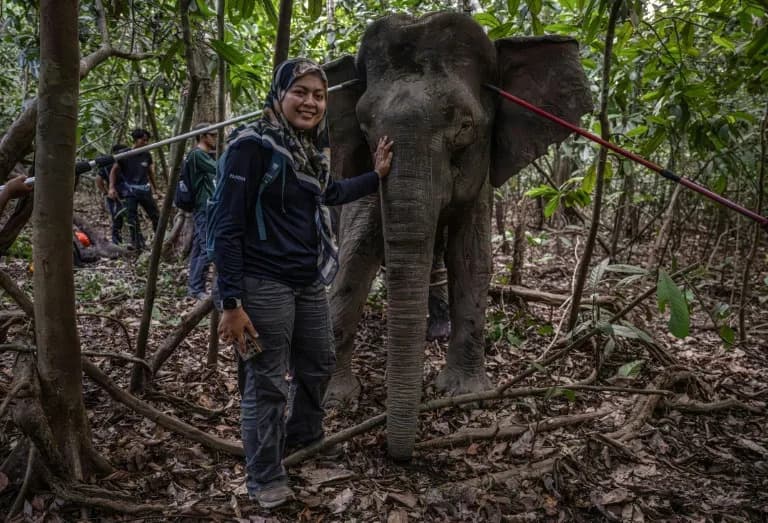
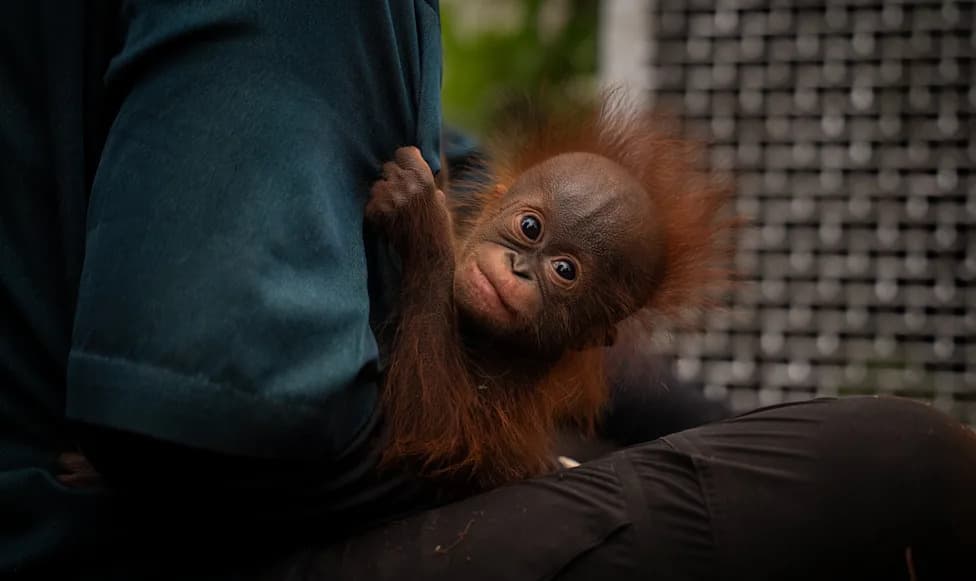
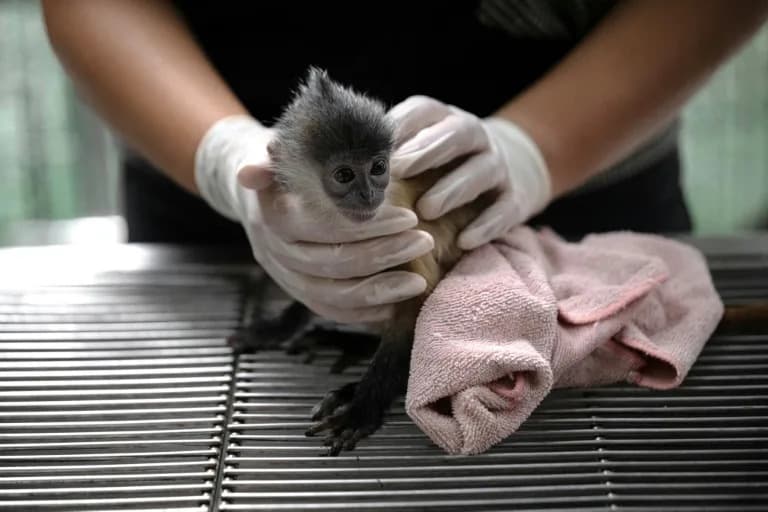
Over two months in Indonesia, rescuers freed an 11-month-old Sumatran tiger cub, a sun bear and an elephant calf after each was caught in snares. BKSDA has warned residents that snares capturing protected species may carry criminal penalties under a 2024 conservation-law amendment. With fewer than 600 Sumatran tigers remaining, officials and experts say stronger enforcement must be paired with practical, non-lethal alternatives for farmers to reduce human-wildlife conflict and protect endangered species.
Snare Crackdown in Indonesia: Rescuers Free Tiger Cub, Elephant Calf and Sun Bear as Officials Warn of Criminal Penalties
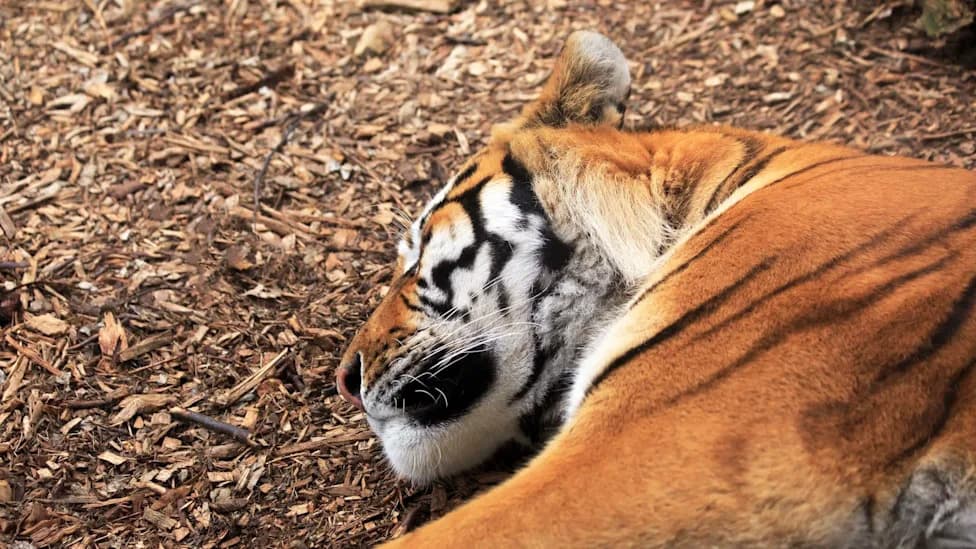
Photo Credit: iStock
Over the past two months in Indonesia, wildlife responders have freed three protected animals — an 11-month-old Sumatran tiger cub, a sun bear and an elephant calf — after they were caught in snares set in agricultural and forest areas. Officials are urging residents to remove snares from the landscape to prevent further harm to non-target species.
Recent Rescues
One high-profile incident on May 21 in Pasaman district involved a young female Sumatran tiger cub that was found entangled around her neck, trunk and right foreleg. "She struggled for a while and began groaning back and forth," said Edi Susilo from Indonesia's conservation agency, BKSDA, as reported by Mongabay. Rescue teams also freed a female sun bear in West Sumatra and an elephant calf in neighboring Jambi that was reportedly trapped for up to two weeks.
Legal and Government Response
In late May, BKSDA’s West Sumatra office issued a warning: anyone whose snare captures a protected species could face criminal charges under a 2024 amendment to Indonesia's conservation law. The government message is aimed at reducing unintentional captures of protected wildlife and deterring continued use of indiscriminate snares.
Scale Of The Problem
Protected species are particularly vulnerable: fewer than 600 Sumatran tigers remain in the wild, according to the International Union for Conservation of Nature (IUCN). West Sumatra’s agency reports four tigers snared in the past four years, two of which died. A 2023 study documented 28 confirmed tiger-snaring cases in Aceh and North Sumatra between 2008 and 2023; of those, nine tigers died and eight were so seriously injured they required permanent captivity.
Why Farmers Use Snares
Many farmers legally set snares to catch wild boar, which can trample and uproot crops, destroying harvests and threatening livelihoods. But when snares capture non-target protected animals, the consequences can escalate human-wildlife conflict and increase threats to endangered species.
What Experts Recommend
Conservationists and officials say stronger enforcement must be paired with practical, non-lethal alternatives for farmers — such as better fencing, deterrents, community monitoring, and compensation or support programs — so communities can protect crops without endangering tigers, bears or elephants. "It's no surprise that these various studies have shown snares are one of the causes of extinction or drastic declines in wildlife populations," ecologist Sunarto told Mongabay.
Next Steps
BKSDA says it is urging residents to remove existing snares and is preparing a stronger response to protect both communities and wildlife. Experts emphasize that combining law enforcement, local engagement and practical farming solutions offers the best chance to reduce injuries to endangered animals while protecting livelihoods.
Help us improve.