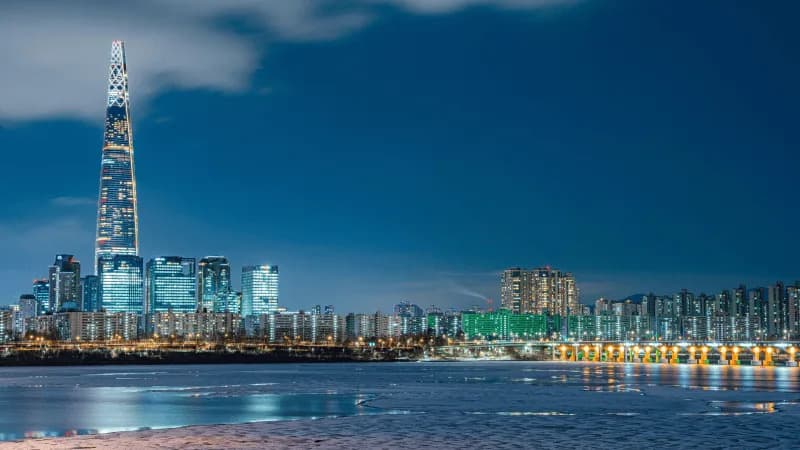
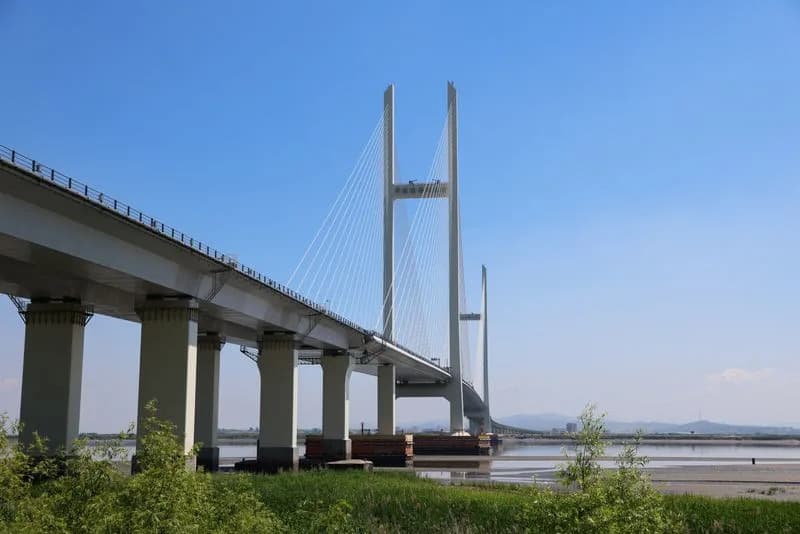
The Han River in Seoul is both an iconic landmark and a frequent site of suicide attempts. An AI-driven monitoring system on 17 bridges — nearly 900 cameras in total — alerts first responders when people linger in high-risk areas, raising the rescue rate from 56% (2012) to over 99% today. While the technology buys crucial minutes, experts warn that deeper cultural and mental health challenges in South Korea mean broader support is still urgently needed.
AI Cameras on Seoul's Han River Bridges Help Prevent Suicides — But A Deeper Crisis Remains
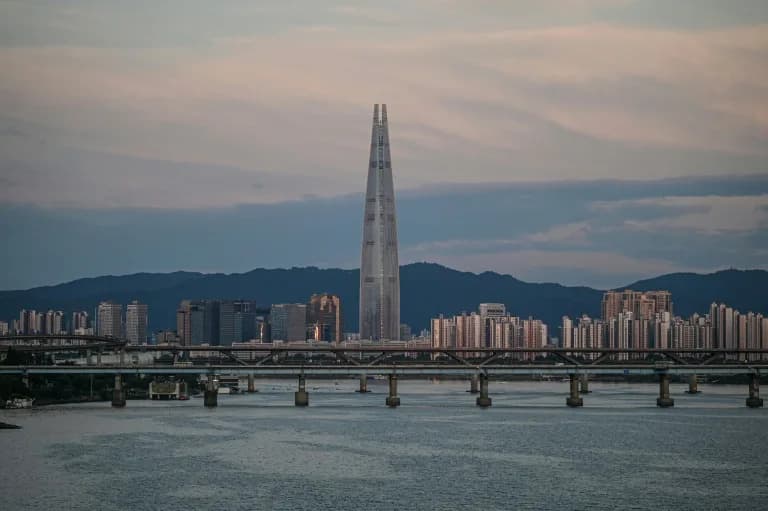
AI-powered cameras on bridges over Seoul's Han River are alerting first responders to people who might attempt to take their own lives (Jade GAO)
When AI-equipped cameras on Seoul's Han River bridges signal that someone may be preparing to jump, rapid intervention can mean the difference between life and death. The surveillance system flags people who linger in high-risk areas, enter zones marked unsafe, or use one of the bridges' suicide-prevention phones, and it notifies first responders immediately.
How the System Works
The Hangang Bridge CCTV Integrated Control Center uses artificial intelligence to analyse behaviour patterns across nearly 900 cameras on 17 bridges. According to Kim Jun-young, the center's chief, the river rescue success rate has risen dramatically — from about 56% in 2012 to over 99% since the AI system was deployed. Emergency teams can usually reach most bridges within five minutes, a critical window for persuading someone to step back from the edge.
Human Stories and Limits
Despite technological gains, AI cannot replace human responders or solve underlying social problems. Kim cautioned that persuading people who are determined to die can be extremely difficult: some struggle with rescuers or suddenly sprint away "as if running a 100-metre race." He also described the physical danger: falling from roughly 30 metres (about 100 feet) can produce an impact comparable to crashing a car at about 60 km/h (37 mph).
Cartoonist Smiling Stone Hwang, now 33, describes how she rebuilt her life after being rescued. After her father died by suicide in 2014, she inherited debts and endured years of financial and emotional hardship. "Being accepted for who I am" has been central to her recovery, she told AFP.
Wider Context: A National Emergency
South Korea continues to face a severe suicide crisis. The national suicide rate rose above 29 deaths per 100,000 people in 2024 — the highest level since 2011 — and suicide is the leading cause of death for people aged 10 to 49. Experts point to relentless academic pressure, heavy workloads and a culture that often places personal responsibility for failure as drivers that leave many people ill-equipped to seek help.
AI Around the World
Other countries are experimenting with similar tools. Japanese firm Asilla says its AI can detect unusual behaviour — such as someone preparing to jump or a sudden fall — after learning patterns from cameras in public spaces like stations and shopping centres. Asilla's chief product officer, Yuka Suzuki, stressed the technology is not a substitute for mental health services but can reduce the number of sudden tragedies by giving responders extra time to act.
Tragic Reminders
Even with AI and rescuers on standby, not every attempt can be prevented. Kim recalled a case in which a young man was intercepted, only to return later the same day and make another attempt; despite a rescue boat being on the water, they were unable to save him. Last year the system identified more than 1,200 incidents, but "about eight people" could not be saved, Kim said.
"We see our role as giving them one more chance to think it over, because it may not be the decision you want," Kim told AFP.
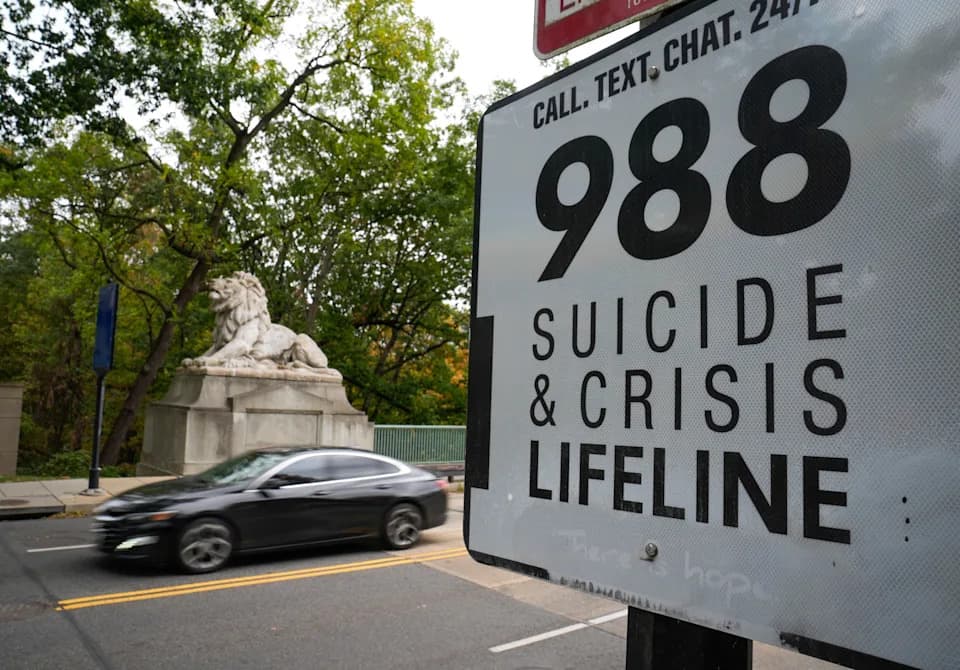
If you or someone you know is struggling with suicidal thoughts, please seek immediate help from local emergency services or mental health professionals. Providing compassionate, timely support and strengthening mental health services remain essential alongside technological measures.
Help us improve.