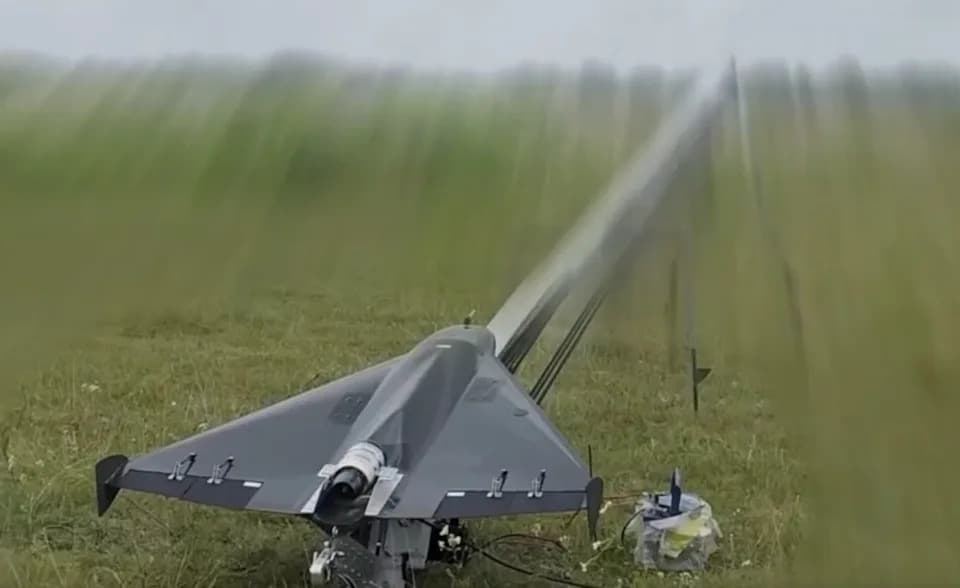
Ukraine's State Border Guard Service says a Phoenix unit destroyed a Russian Buk‑M3 launcher using a single low-cost FPV drone, a system independently valued at about $40–$50 million. Open-source analysts like Oryx record over 40 Buk losses since the conflict began, highlighting a trend. Drones can exploit the Buk's approximate 2.5 km minimum engagement range and the vulnerability of systems in transit, helping Ukraine open corridors for deeper strikes.
Ukraine Says Low-Cost FPV Drone Obliterated $40–$50M Russian Buk‑M3 Launcher — Another Blow to Russian Air Defences
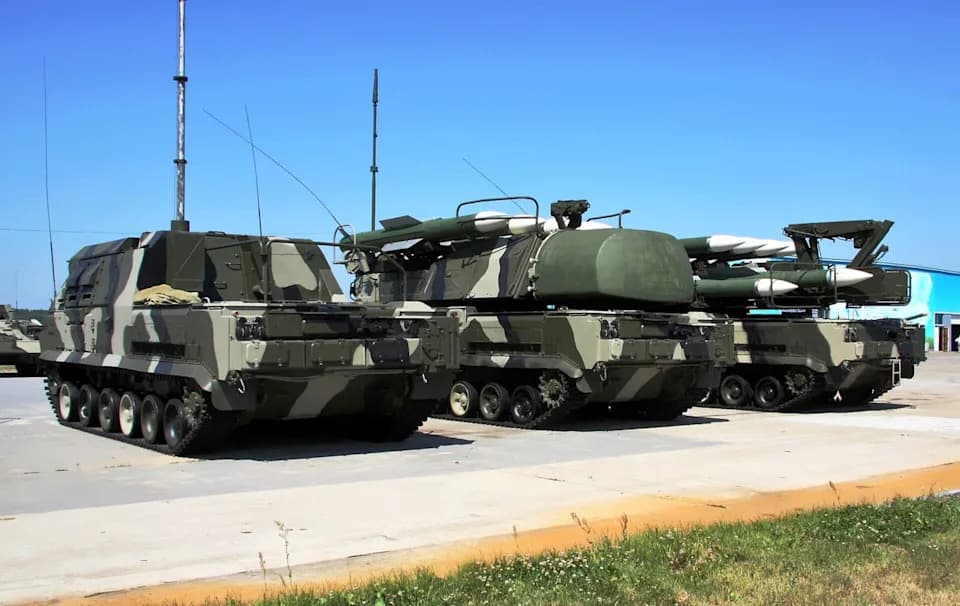
Credit: Vitaly V. Kuzmin
Ukraine's State Border Guard Service says a Phoenix unit used a single, low-cost FPV (first-person-view) drone to destroy a Russian Buk‑M3 surface-to-air missile launcher, an asset independently valued at roughly $40–$50 million. Kyiv and open-source analysts say this strike is part of a steady campaign targeting medium-range Russian air-defence systems.
Strike Details and Attribution
The Border Guard Service reported the launcher was struck while relocating toward the front and was not concealed. Ukrainian authorities described the attacking drone as costing 'only several thousand dollars.' Open-source investigator Oryx records more than 40 confirmed Buk losses since the start of the conflict, underscoring that this is not an isolated pattern.
Why Drones Work Against Air-Defence Systems
The Buk‑M3, exported as the Viking and designated SA‑27 by NATO, is Russia's newest medium-range air-defence system. Entering service in 2016 as the follow-on to the Buk‑M2, it fills the middle tier of Russia's layered air-defence network, between short-range systems like Pantsir and Tor and long-range S‑300/S‑400 batteries.
The M3 fires the 9M317M missile, a single-stage solid-fuel round with a more powerful motor than earlier variants. Published estimates put its range at about 70 km, an altitude ceiling near 35 km and a top speed around 1,550 m/s. The launcher carries six missiles (versus four on earlier M1/M2 variants) and benefits from electronic upgrades that reduce time to readiness.
Despite these capabilities, Buk systems have an effective minimum engagement range of roughly 2.5 km. Small, low-flying FPV drones that can close inside that distance often sit below the engagement floor of the Buk's missiles, making them an effective asymmetric threat — especially when air-defence vehicles are relocating and less able to detect, track or engage close, low-signature targets.
Strategic Context
Ukraine has refined tactics to strike airfields, armoured formations and artillery positions, including operations Kyiv's security service describes as Operation Spiderweb — which it estimates damaged about $7 billion in Russian equipment, including some aircraft no longer in production. The systematic degradation of medium-range air defences aims to open corridors through radar coverage for long-range strike drones and manned aircraft, enabling deeper operations into Russian-held areas.
Whether one strike or many, the growing use of inexpensive drones has turned multi-million-dollar air-defence systems into vulnerable targets in a conflict defined increasingly by attrition and technological adaptation.
Note: Claims in this article are attributed to Ukrainian authorities and open-source analysts. Independent verification of specific incidents in wartime conditions can be limited, and differing accounts may exist.
Help us improve.