Alameda County voters approved Measure C in 2020, a half-cent sales tax dedicated to building an integrated early childhood system projected to raise $150 million annually. In its first year the measure invested over $135 million, reaching nearly 20,000 children and supporting more than 6,400 educators while upgrading facilities and improving access. The author, CEO of First 5 Alameda County, argues that funding must be paired with rigorous implementation, workforce supports and systems designed around families’ real needs. Alameda’s approach offers practical lessons that other communities and policymakers can adapt to expand reliable early childhood infrastructure nationwide.
How Alameda County Built a Working Childcare System: Measure C's First-Year Results and Lessons for the Nation
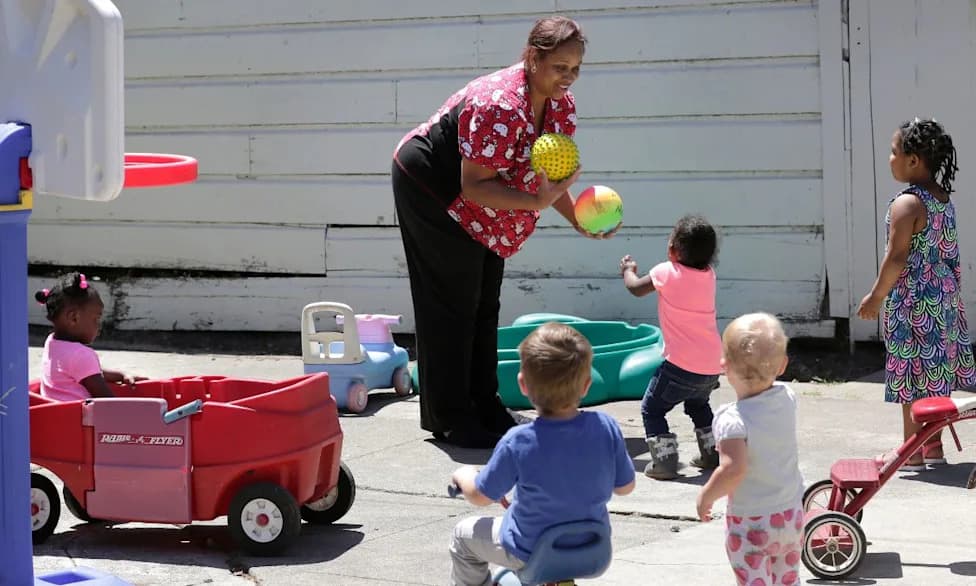
In 2020, voters in Alameda County made a decisive choice to repair decades of underinvestment in early childhood services. Rather than accept a fragmented patchwork that placed heavy burdens on families, the community approved Measure C — a half-cent, voter-supported sales tax designed not just to add childcare slots but to build an integrated early childhood system that functions as essential public infrastructure.
Measure C, officially the Children’s Health & Child Care Initiative for Alameda County, is projected to generate about $150 million annually. In its first year of implementation, Measure C invested more than $135 million across the county. Those funds reached nearly 20,000 children, supported over 6,400 early educators and caregivers, upgraded facilities and programming, helped providers stay open, connected more families to care, and strengthened coordination across the early childhood sector.
Why These Investments Matter
The need in Alameda County is stark: 74% of infants and toddlers who qualify for subsidized childcare are not receiving it. Nearly half of families live in areas researchers call licensed childcare deserts, and roughly two-thirds of children enter kindergarten without full readiness. These are not isolated failures; they are the predictable outcomes of long-term underinvestment in one of society’s most consequential public systems.
From Funding To Real Impact
I write as the CEO of First 5 Alameda County and as someone who has spent nearly 30 years in public service and program implementation. Funding matters, but implementation determines whether that funding changes lives. Public dollars become opportunities only when communities build the capacity to deploy them effectively: partnerships, sound fiscal stewardship, workforce development, facility upgrades, transparent accountability, modern data systems and public institutions responsive to families’ real needs.
Designing Systems Around Families
Families’ needs are often more nuanced than legislation anticipates. In Alameda County:
- More than 30% of families searching for care seek providers who speak a language other than English.
- Over a quarter of working parents need care outside traditional business hours.
- Families raising children with disabilities still face significant barriers to inclusive programs.
Meeting these realities requires institutions that listen to communities, invest strategically, and continuously refine programs based on lived experience. That work is technical, collaborative and often invisible — it happens in community centers, church halls, classrooms and around kitchen tables — but it is what determines whether public investment succeeds or stalls.
What Made Measure C Work — Early Lessons
- Community Leadership: Parents, providers, labor, business and advocates helped shape the measure and guide implementation.
- Focused Investments: Funds targeted workforce supports, facility improvements, program stabilization and family access.
- Data and Accountability: Modern data systems and transparent stewardship helped match investments to needs.
- Flexible Design: Programs adapted to language access, nonstandard hours and inclusion for children with disabilities.
A Model With Broader Relevance
Alameda County is part of a broader movement: New Mexico has built an ambitious early childhood system through sustained public investment, New York City has prioritized universal childcare in its economic strategy, and San Francisco continues to expand local investments. Where federal policy and funding leave gaps, localities are stepping up to build systems that can be shared, adapted and scaled.
Measure C began as a promise to local children. Alameda County’s first-year results show that promise can deliver. The next challenge is to use local examples to inform national policy, creating durable funding and regulatory frameworks so reliable early childhood systems are accessible to all families, everywhere.
Bottom line: Funding is necessary but not sufficient. Strong implementation, community partnership and systems designed around families are what turn public investments into lasting results for children, families and communities.
Help us improve.