A federal advisory panel voted 8‑6 to recommend easing access to non‑approved peptides such as BPC‑157 and TB‑500, compounds popularized by wellness influencers and telehealth clinics. While these peptides belong to the same class as GLP‑1 drugs, they are not FDA‑approved and carry uncertain safety and efficacy profiles. Some newly added panel members with industry ties supported expanded access, while critics warned the market is a "Wild West" of unregulated products. The FDA will review the advisory recommendation and public comments before issuing a final decision.
Advisory Panel Votes 8-6 To Ease Access To Controversial Peptides — Regulators Weigh Risks and Benefits
Andrew Harnik | Getty Images
A federal advisory panel voted 8-6 to recommend easing restrictions on certain non‑approved peptides, including BPC‑157 and TB‑500 — compounds that have been popularized by wellness influencers and are increasingly available through telehealth providers. These peptides are in the same broad class of molecules as GLP‑1 drugs such as Ozempic, but unlike those medications, BPC‑157 and TB‑500 are not FDA‑approved.
What the Vote Signals
The advisory vote does not immediately change the legal status of these peptides. Instead, it signals a potential shift in regulatory oversight and could influence how readily consumers and clinicians can obtain and distribute these products if the FDA adopts the panel's recommendations after reviewing public comments and the panel record.
Support, Conflicts, and Concerns
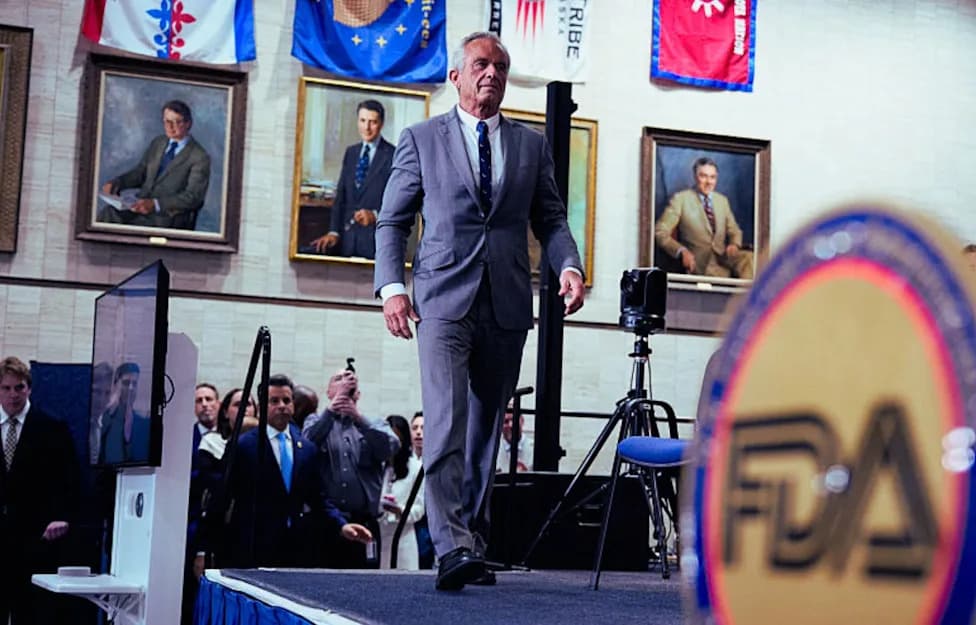
Health Secretary Robert F. Kennedy Jr. has publicly described himself as a "big fan" of peptides and earlier this year removed certain peptides from an FDA high‑risk list. Several panel members who were added shortly before the vote disclosed ties to companies in the peptide industry; those members generally supported expanded access.
"This is really alarming," said Rita Jew, a pharmacist and president of the Institute for Safe Medication Practices, warning that the current marketplace resembles a "Wild West" of unproven and unregulated products.
Other scientists on the panel expressed skepticism about loosening restrictions without stronger evidence on safety, appropriate dosing, long‑term effects and quality control. Critics emphasize that many peptides being marketed for performance, recovery or anti‑aging lack large, high‑quality clinical trials supporting their safety and effectiveness.
Next Steps
The FDA will review the advisory committee's recommendation, consider public comments submitted during this week's hearings, and decide whether to change oversight policy. Any regulatory change could affect telehealth prescribing practices, online marketplaces, and consumer access, but a final decision — and any subsequent rules or guidance — could take months.
Bottom line: The 8‑6 vote is a notable signal that federal oversight may shift, but significant questions remain about safety, conflicts of interest, and how to regulate a market that already operates widely outside conventional drug‑approval pathways.
Help us improve.