AI Is Making Terrorist Tactics Cheaper And Faster. Both the Islamic State and al‑Qaida use AI for propaganda, translation, recruitment and security, but they approach the technology differently. The Islamic State prioritizes rapid, visible impact and experimentation; al‑Qaida mixes practical use with deeper strategic debates about whether machines can change the nature of war. These organizational differences will shape which tools each group adopts and how they are employed.
Al‑Qaida and Islamic State Adopt AI — But Their Strategies Diverge: Speed Versus Endurance
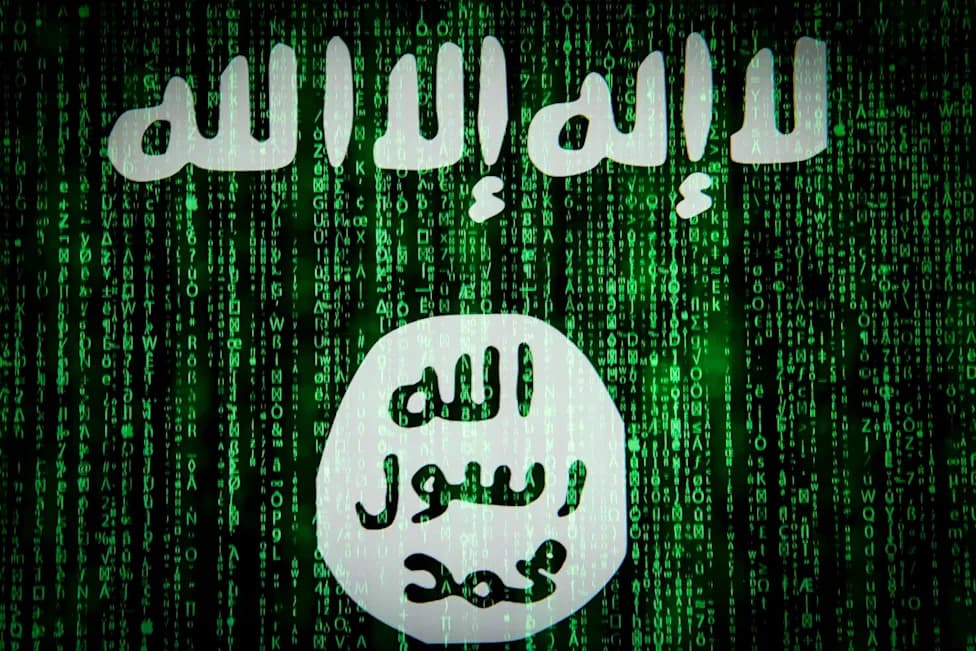
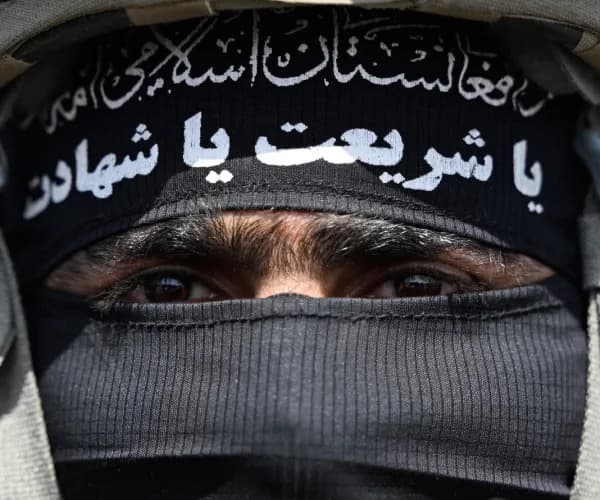
Extremist groups and their networks use AI but think about it differently.Jaap Arriens/NurPhoto via Getty Images
Artificial intelligence is unlikely to create a wholly new form of terrorism, but it does make established tactics cheaper, faster and easier to execute. That is the central finding of a July 2026 report from the U.S.-based Center for Strategic and International Studies.
Yet different jihadi movements interpret and integrate AI in distinct ways. Drawing on propaganda, training manuals and strategic writings from the two most influential jihadi currents of the 21st century — al‑Qaida and the Islamic State — and on documented uses of AI by their affiliates, media arms and supporters, this article explains how each movement thinks about and adopts these tools.
Two Organizational Logics
Both movements use AI for propaganda, recruitment, security and operational planning. But their approaches mirror how they wage war. The Islamic State prizes speed, spectacle and immediate effect; al‑Qaida is more deliberate, thinking in terms of a generational war of attrition. These differences reflect organizational culture and competing views of time, legitimacy and strategic success.
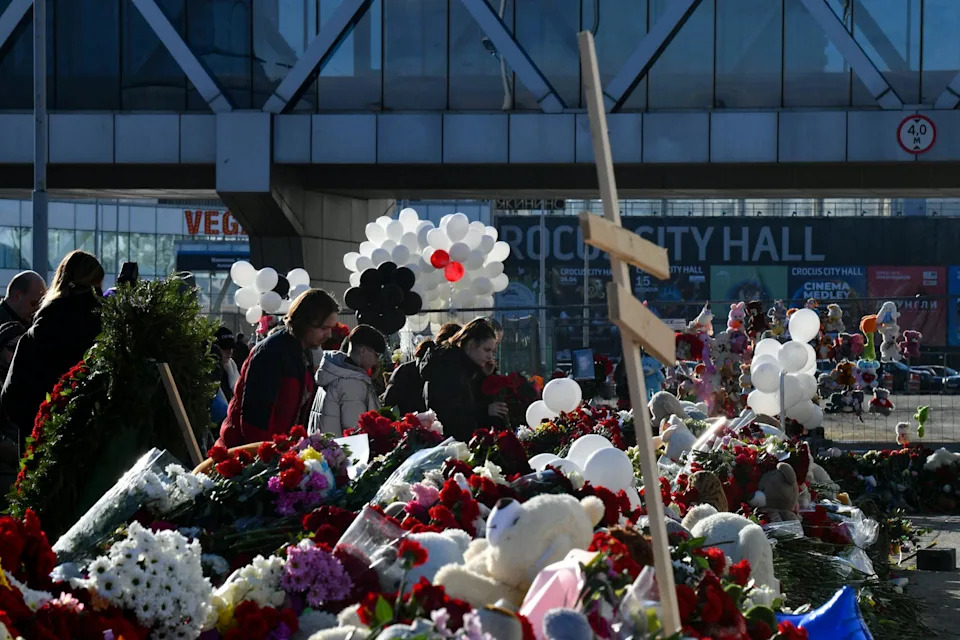
People bring flowers to a makeshift memorial following a terrorist attack at the Crocus City Hall outside Moscow on March 25, 2024.Olga Maltseva/AFP via Getty Images
The Islamic State: Immediate Impact and Spectacle
The Islamic State built a media ecosystem around rapid distribution, high production values and theatrical presentation during its territorial peak in Syria and Iraq. That instinct continues in the AI era. Younger, digitally native supporters experiment quickly with new tools to produce visible, shareable effects.
Examples include AI‑generated imagery and video, accelerated translation for multilingual outreach, and synthetic media used to amplify attacks. After the March 2024 concert hall bombing in Moscow — which killed more than 130 people — supporters circulated a commemorative bulletin that featured a fabricated, AI‑generated Arabic‑speaking anchor framing the attack as part of the group’s broader campaign. Islamic State affiliates such as ISIS‑K (Islamic State Khorasan) have also encouraged AI literacy: a June 2025 issue of Voice of Khorasan framed AI familiarity as a religious duty, likening it to obligations associated with defensive jihad, before retracting the formal religious label but leaving practical guidance in place.
This pattern — rapid adoption followed by doctrinal correction — underscores a mobilization logic: followers are taught that ignorance makes them vulnerable to adversaries already exploiting AI.
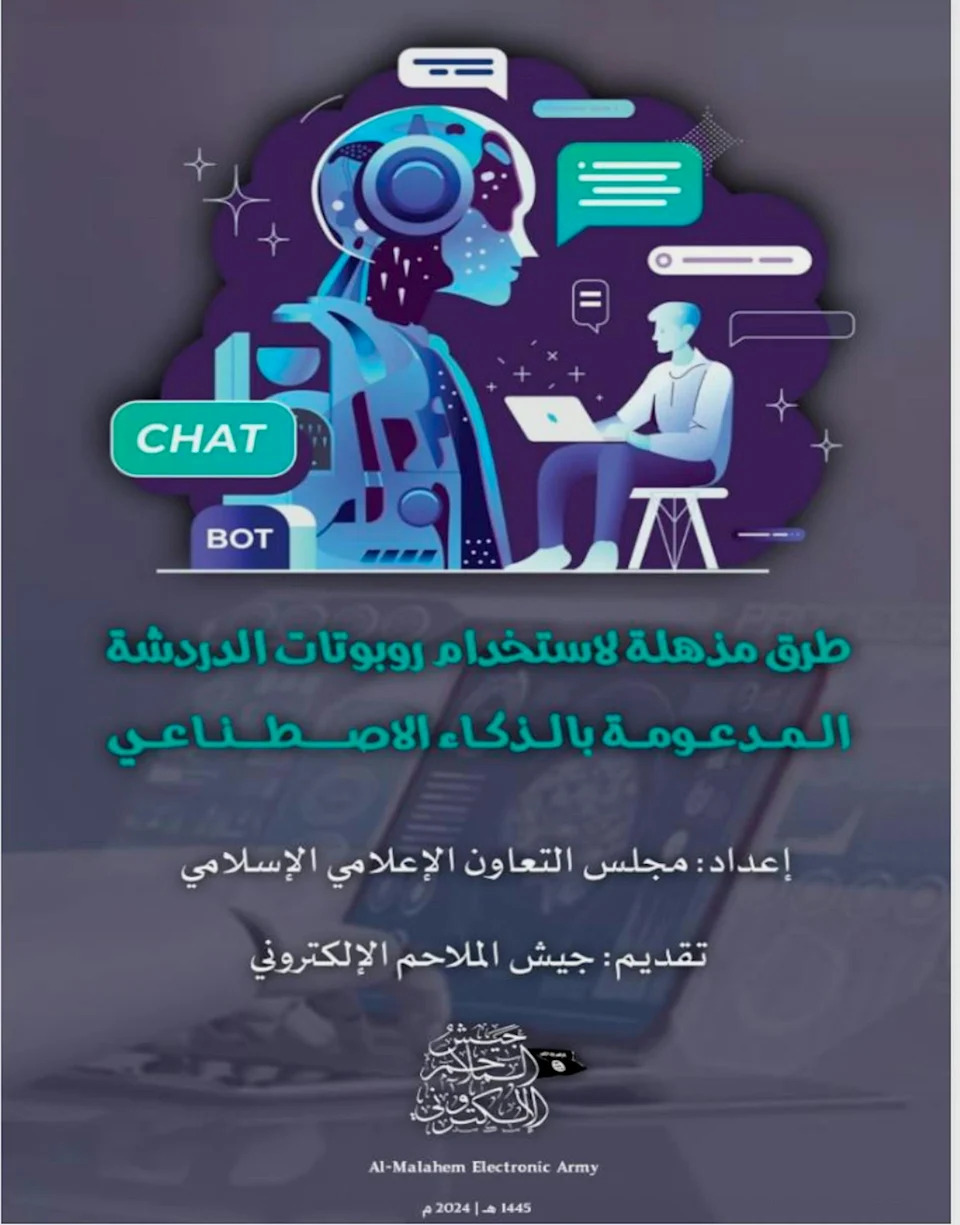
The cover page of a guide by al-Qaida-linked al-Malahem Electronic Army released in 2024 titled 'Amazing Ways to Use AI-Powered Chatbots.'
Al‑Qaida: Deliberation and Strategic Reflection
Al‑Qaida’s networks also use AI for pragmatic purposes. Pro‑al‑Qaida outlets circulated likely AI‑generated imagery as early as 2023, and groups have promoted chatbot workshops and published practical guides, such as the 2024 Al‑Malahem Electronic Army manual, "Amazing Ways to Use AI‑Powered Chatbots." The United Nations reported in July 2025 that al‑Shabaab used AI tools to translate messaging into several languages. In a separate case, India’s National Investigation Agency alleged in May 2026 that a cell tied to al‑Qaida in the Indian subcontinent used YouTube and ChatGPT to research explosives for a November 2025 car bombing in Delhi.
Beyond tactical adoption, parts of the pro‑al‑Qaida ecosystem are engaging deeper debates about whether AI changes the character of war. The Anaziat Foundation’s 2025 series Fiqh al‑Harb (“Jurisprudence of War”) translated and debated Western military and philosophical writing on AI, cyberwar and technological change. The series interrogates whether machines can supplant human judgment, political purpose or endurance — ultimately returning to al‑Qaida’s core assumption that will and perseverance often trump technological superiority.
Shared Uses, Different Questions
Practically speaking, both movements teach adherents how to use AI tools and how to defend against them — from spotting deepfakes to protecting communications. The difference lies in the strategic questions they ask beyond immediate utility. Islamic State discourse treats AI primarily as a tool to master now, rewarding rapid experimentation and visible results. Pro‑al‑Qaida circles likewise use tools pragmatically but also embed AI within a longer strategic debate about war, endurance and political victory.
Implications
These organizational cultures matter. They influence not only which AI tools each movement adopts next but how those tools are applied and to what ends. Policymakers and analysts should therefore monitor both the practical deployments of AI and the internal debates that shape long‑term strategy. Understanding the difference between a rush for immediate effects and a patient, deliberative approach helps anticipate likely trajectories of misuse and informs more effective countermeasures.
Author: Sara Harmouch, George Washington University. This article is republished from The Conversation with attribution. The author has disclosed no relevant conflicts of interest beyond their academic appointment.
Help us improve.