Japan’s revised Imperial House Law takes effect on October 24, permitting male, paternal-line descendants from 11 former branches to be adopted into the Imperial Family and allowing female members to retain their royal status after marriage. Adoptees must be at least 15, unmarried and childless; they and their future spouses and children would gain imperial status, though the adoptee would not be eligible to inherit the throne himself. The law bars senior royals from being adoptive parents and leaves Princess Aiko ineligible to succeed, even as public support for a female emperor topped 80% in recent polling. The Imperial Household Agency will lead preparations for implementation.
Japan’s Revised Imperial Succession Law Takes Effect Oct. 24, Allowing Adoptions to Bolster the Imperial Family
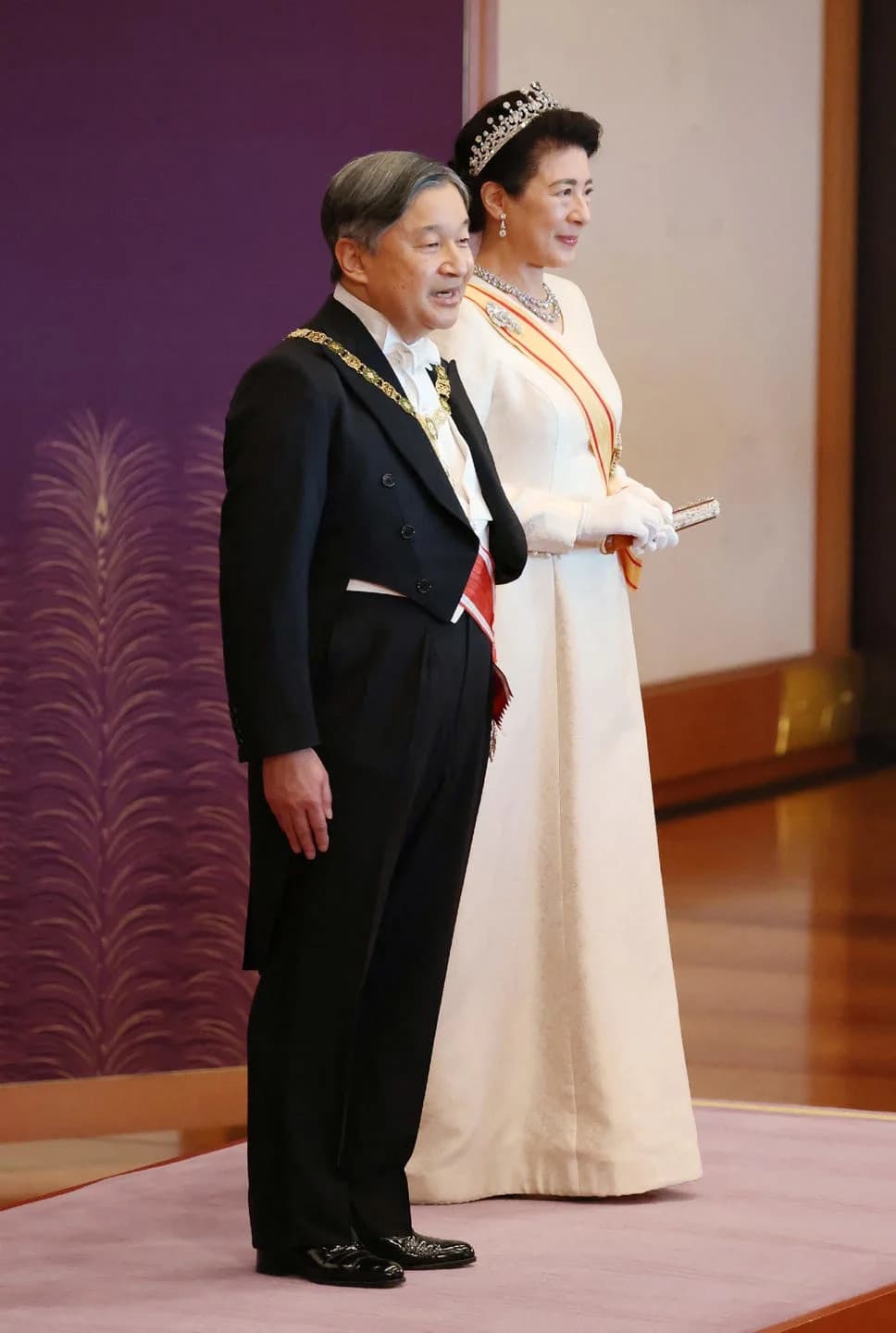
Japan's New Royal Succession Law Takes Effect SoonSTR - Getty Images
Japan’s revised Imperial House Law will come into force on October 24, implementing changes approved earlier this month that expand how the Imperial Family may be replenished and allow female members to retain their royal status after marriage, according to Nippon and Asahi.
Key change: Male, paternal-line descendants from the 11 former Imperial Family branches may be adopted into the Imperial Family. Eligible adoptees must be at least 15 years old, unmarried and childless. Upon adoption, the individual and any future spouse and children would receive imperial status, the Asahi newspaper reports.
Crucially, an adoptee would not become eligible to ascend the throne personally; however, any sons born to an adoptee would enter the official line of succession. The law also bars senior members of the current imperial generation from serving as adoptive parents: Emperor Naruhito, Empress Masako, Emperor Emeritus Akihito, Empress Emerita Michiko, Crown Prince Fumihito and Crown Princess Kiko are excluded from acting as adoptive parents.
At present only three men stand in line after Emperor Naruhito for the Chrysanthemum Throne: Crown Prince Fumihito (60), Prince Hisahito (19) and Prince Hitachi (90). The reform does not make Princess Aiko—Emperor Naruhito and Empress Masako’s only child—eligible to succeed, but it does allow her to retain her imperial title after marriage.
Public backing for a female emperor rose above 80% in a Nikkei and TV Tokyo poll conducted after the law was passed. The Imperial Household Agency is expected to oversee preparations for implementing the changes. The imperial family has not issued an official statement on the revisions, though Emperor Naruhito said last month,
"I hope the discussions about securing an adequate number of imperial family members can gain the understanding of the people."
The revised law is a significant institutional step to address the shrinking ranks of the Imperial Family and to preserve continuity of imperial duties while maintaining the traditional male-only succession. Implementation details and any future proposals will be monitored closely by the public and analysts of constitutional and royal affairs.
Help us improve.