Indonesia will begin converting open-dumping sites—including the massive Bantargebang landfill—into controlled or sanitary landfills to reduce pollution and methane emissions. The reform, which affects 343 of 550 disposal sites, asks residents to separate organics and recyclables and aims to restrict landfills to residual, non-recyclable waste. While officials expect improved public health and new formal recycling jobs, thousands of informal waste pickers fear losing income and experts say existing landfills will require decades of monitoring and gas collection.
Indonesia Moves to Curb Methane at Bantargebang: What the Landfill Reform Means for Thousands of Scavengers
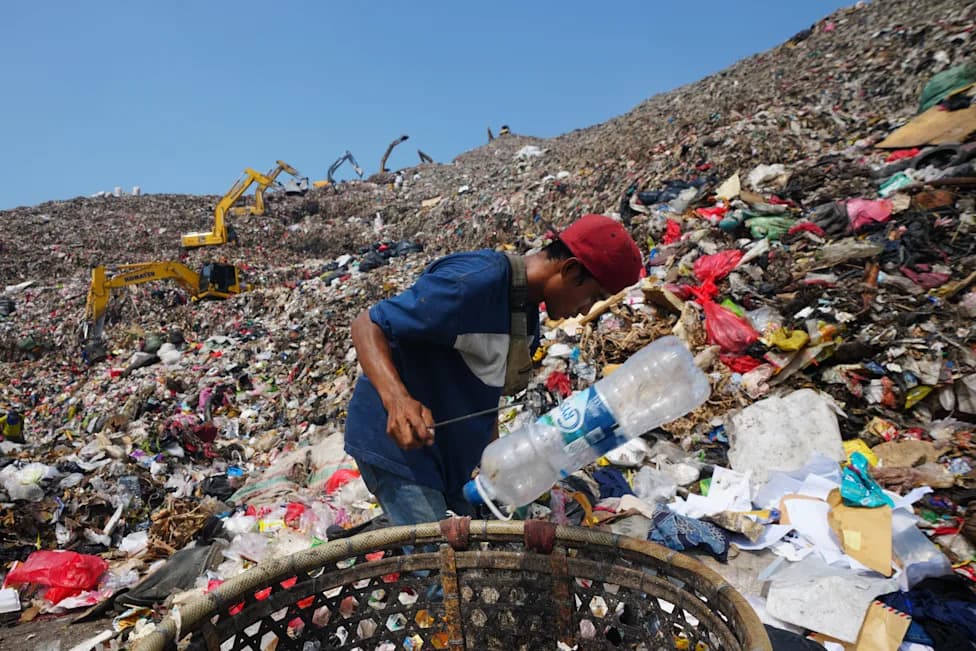
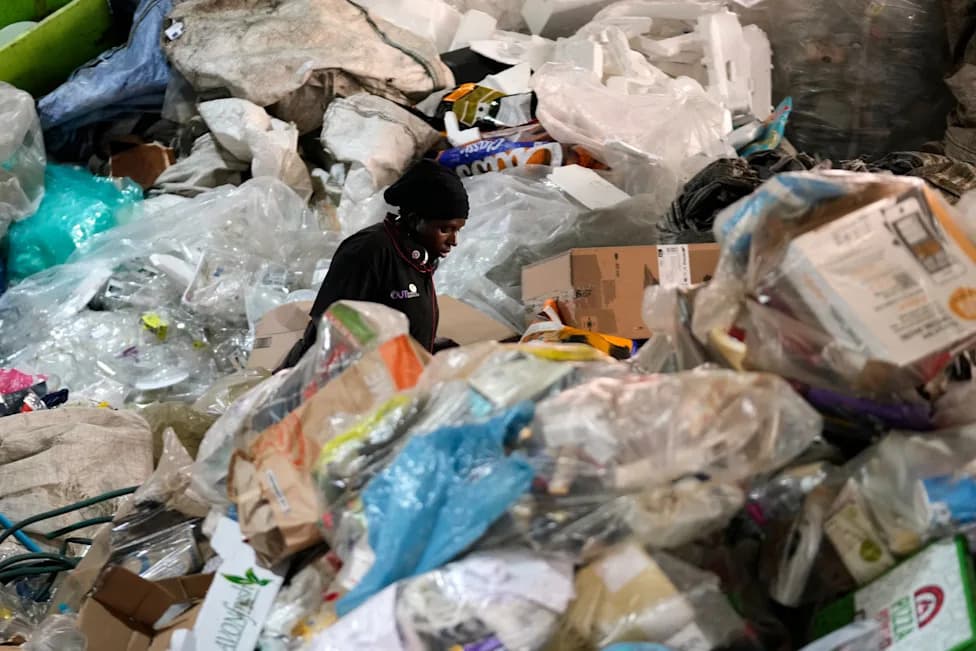
Komaruddin, a waste picker, looks for recyclable items in a pile of garbage at the Bantargebang landfill on the outskirts of Jakarta, Indonesia, Monday, July 6, 2026. (AP Photo/Tatan Syuflana)(AP Photo/Tatan Syuflana)
Before dawn at Bantargebang, Jakarta's largest landfill, thousands of waste pickers climb the slopes of refuse searching for anything they can sell. For many, scavenging is a decades-old livelihood—and a daily gamble against bulldozers, landslides and rising health risks.
What Is Changing
Beginning Aug. 1, the Indonesian government will begin converting open-dumping sites into more controlled or sanitary landfill systems as part of a nationwide waste-management overhaul. The plan requires closing open dumping at 343 of the country's 550 disposal sites and accepting only non-recyclable, non-compostable residual waste—items such as diapers and heavily soiled paper—in the upgraded landfills.
Why the Reform Matters
Methane reduction: Decomposing organic waste produces methane, a potent greenhouse gas. Researchers say Bantargebang emits among the highest levels of methane globally, and satellite analysis ranked it in 2025 as the world's second-largest landfill methane emitter after a site in Argentina.
Public health and safety: The facility—covering about 110 hectares and rising roughly 60 meters—receives roughly 7,500 tons of waste a day. A March landslide triggered by heavy rain killed seven people and underscored the site's urgent safety risks.
Local Livelihoods at Risk
At least 4,000 registered waste pickers work at Bantargebang daily, and an estimated 600,000 informal waste pickers operate nationwide. Many rely on recovered recyclables and occasional valuable finds—one woman said a good day brings about 200,000 rupiah (~$12).
"What worries me most is how I will feed my family," said Nur Wencih, a 35-year-old widow who has worked at Bantargebang for nearly 20 years.
Authorities say they plan to improve conditions and create formal recycling and composting jobs, and many waste pickers already receive workplace protections and health coverage through a national social security program. But how quickly those formal opportunities materialize remains unclear.
Technical and Financial Hurdles
When Bantargebang opened in 1989 it was designed as a sanitary landfill with methane collection wells and soil cover. After a private contract ended in 2016, operations drifted toward open dumping. Only two of the original 12 methane extraction wells remain functional. Officials estimate that completing site coverage and containment could cost around 200 billion rupiah (about $12 million).
Experts warn that even with better waste separation and new infrastructure, existing landfills will require decades of monitoring and gas-collection systems to manage legacy emissions.
What Residents and Advocates Are Saying
Jakarta residents are being asked to separate organic waste and recyclables for separate processing, and plans include new composting facilities and refuse-derived fuel plants. The change requires widespread public education: many households say they have never been asked to sort waste and find the new rules confusing or inconvenient.
"What we are doing is somewhat revolutionary. For decades, people were never asked to separate their waste," said Dudi Gardesi Asikin, head of Jakarta's Environment Agency.
Environmental groups estimate that up to 80% of Jakarta's waste could be diverted from landfills through improved composting and recycling. Community initiatives are already showing progress: a local waste bank in West Jakarta processes about one ton of organic waste daily through composting, maggot cultivation and urban farming.
Looking Ahead
The reform aims to reduce pollution, curb methane emissions and improve safety, but success depends on financing, new recycling and composting infrastructure, effective public education, and policies that protect or transition informal waste workers into safer, formal jobs. The scale of the challenge—technical, social and economic—means the transition will take years, even as immediate steps begin at Bantargebang.
Reporting adapted from AFP/AP coverage and local sources.
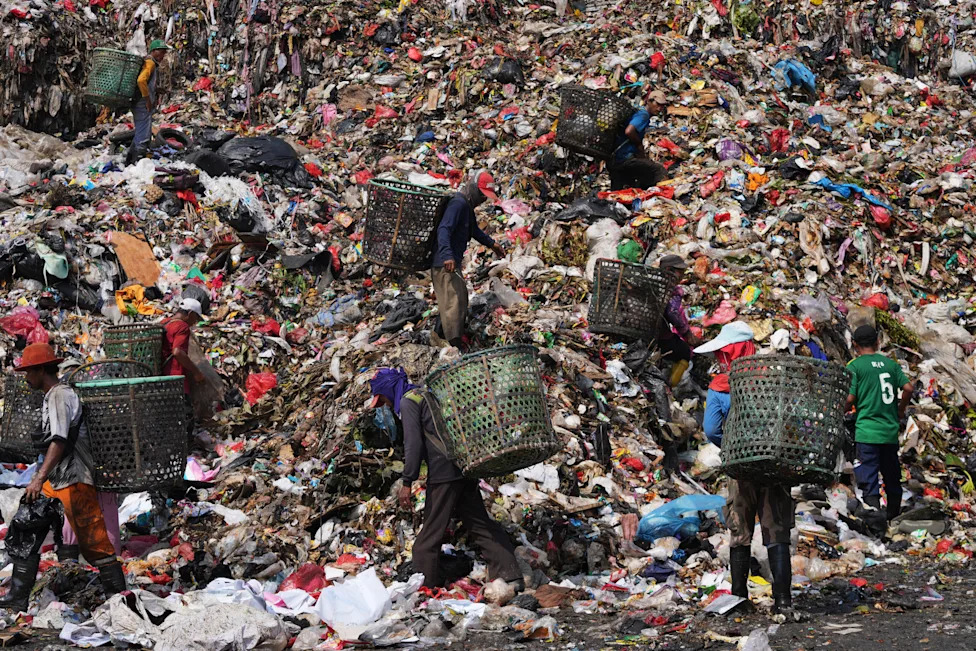
Waste pickers look for recyclable items in a pile of garbage at the Bantargebang landfill on the outskirts of Jakarta, Indonesia, Monday, July 6, 2026. (AP Photo/Tatan Syuflana)(AP Photo/Tatan Syuflana)
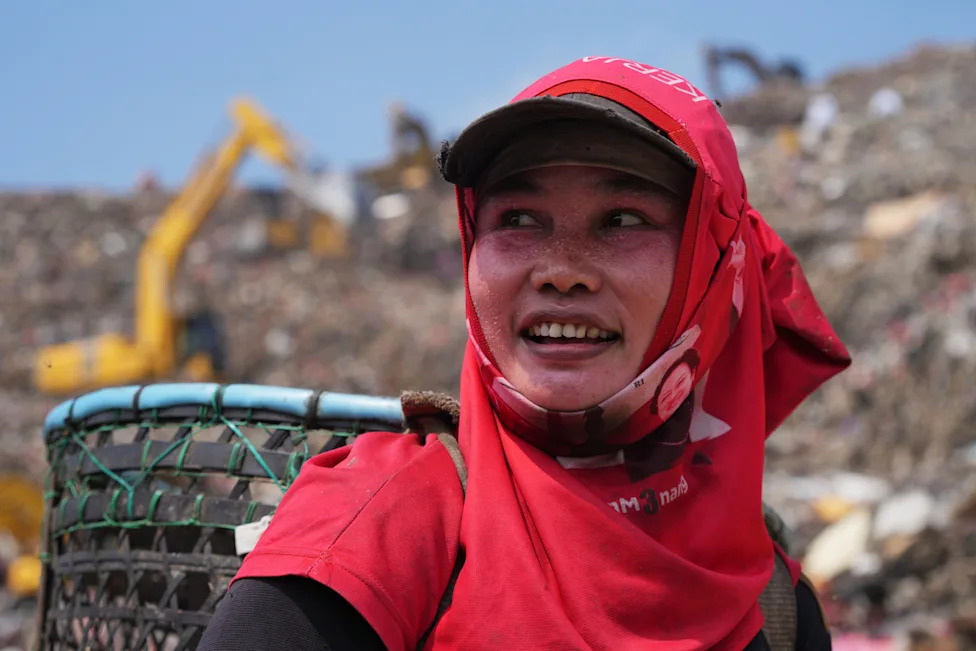
Nur Wencih, a waste picker, walks past at the Bantargebang landfill on the outskirts of Jakarta, Indonesia, Monday, July 6, 2026. (AP Photo/Tatan Syuflana)(AP Photo/Tatan Syuflana)
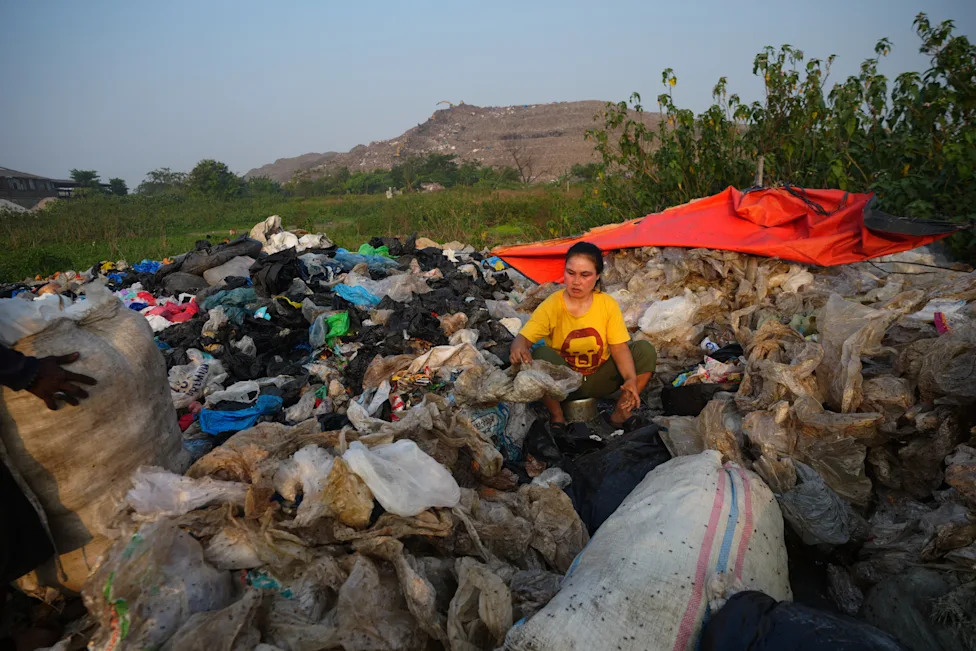
Nur Wencih, a waste picker, sorts recyclable items of her boarding house near the Bantargebang landfill on the outskirts of Jakarta, Indonesia, Monday, July 6, 2026. (AP Photo/Tatan Syuflana)(AP Photo/Tatan Syuflana)
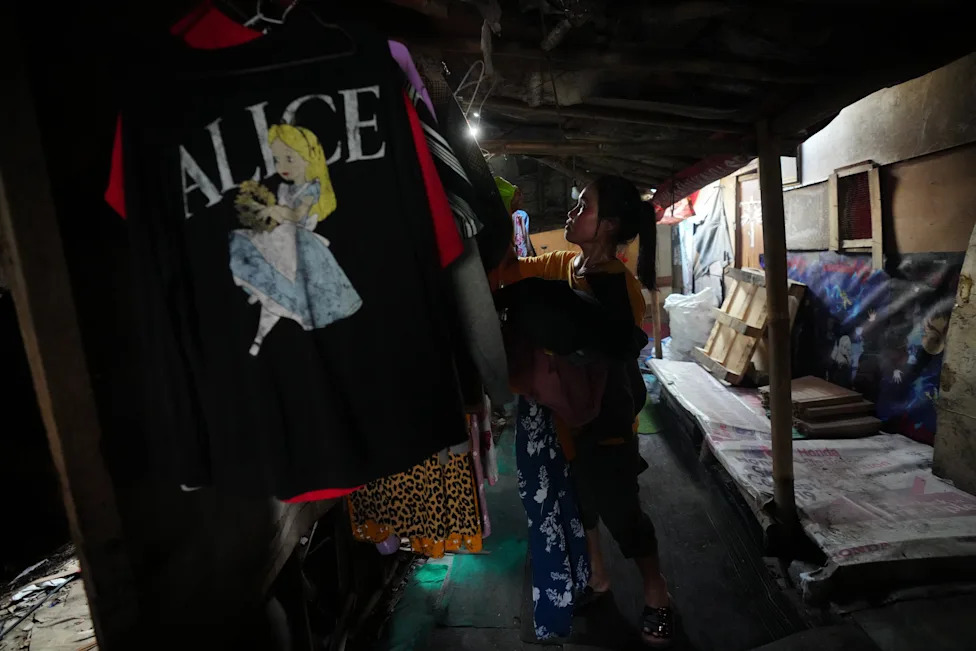
Nur Wencih, a waste picker, takes down her dry clothes at her boarding house near the Bantargebang landfill on the outskirts of Jakarta, Indonesia, Monday, July 6, 2026. (AP Photo/Tatan Syuflana)(AP Photo/Tatan Syuflana)
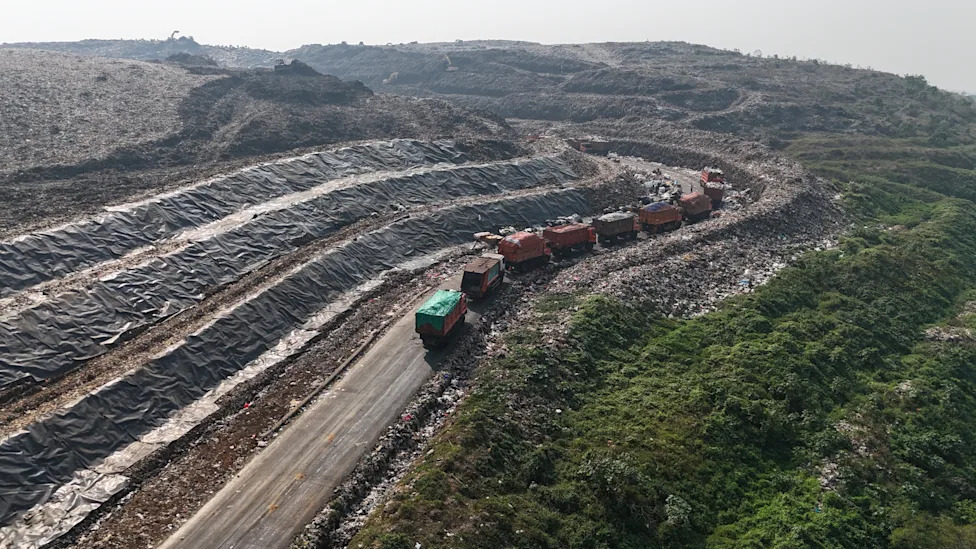
Garbage trucks line up before unloading waste at the Bantargebang landfill on the outskirts of Jakarta, Indonesia, Monday, July 6, 2026. (AP Photo/Tatan Syuflana)(AP Photo/Tatan Syuflana)
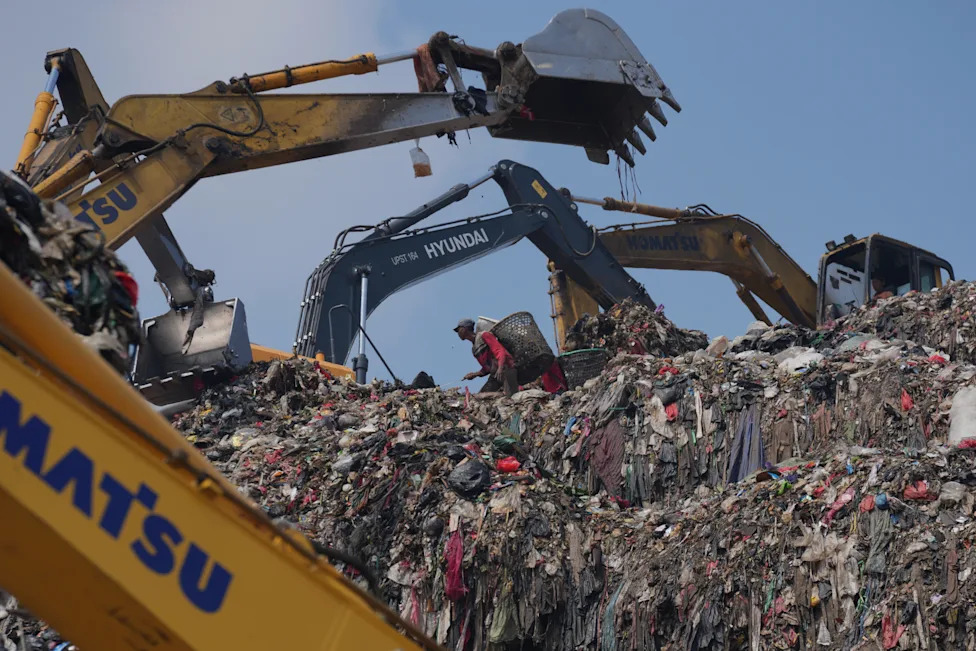
A waste picker looks for recyclable items in a pile of garbage at the Bantargebang landfill on the outskirts of Jakarta, Indonesia, Monday, July 6, 2026. (AP Photo/Tatan Syuflana)(AP Photo/Tatan Syuflana)
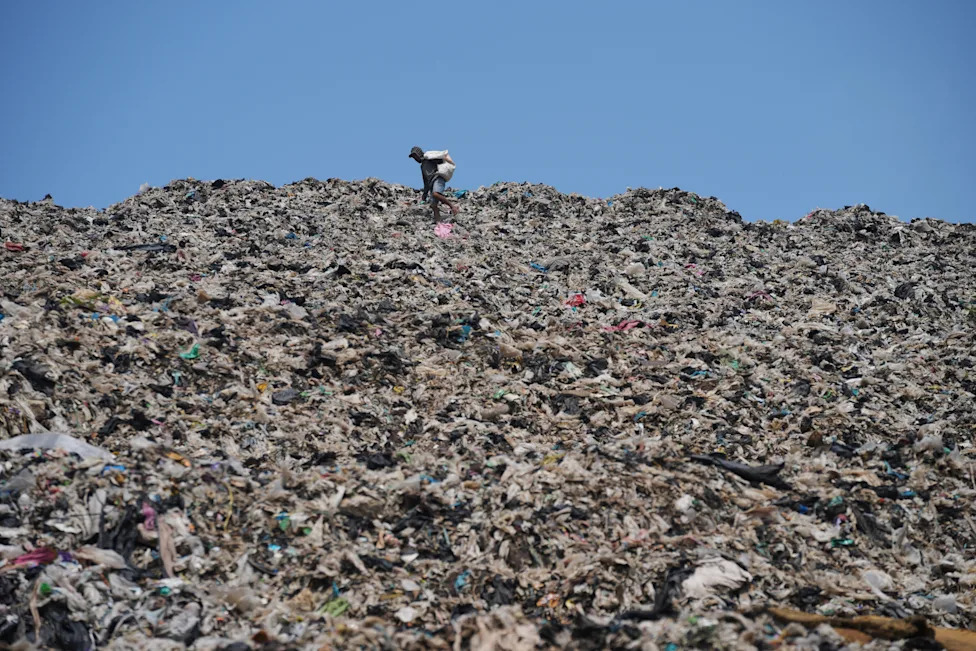
A waste picker looks for recyclable items in a pile of garbage at the Bantargebang landfill on the outskirts of Jakarta, Indonesia, Monday, July 6, 2026. (AP Photo/Tatan Syuflana)(AP Photo/Tatan Syuflana)
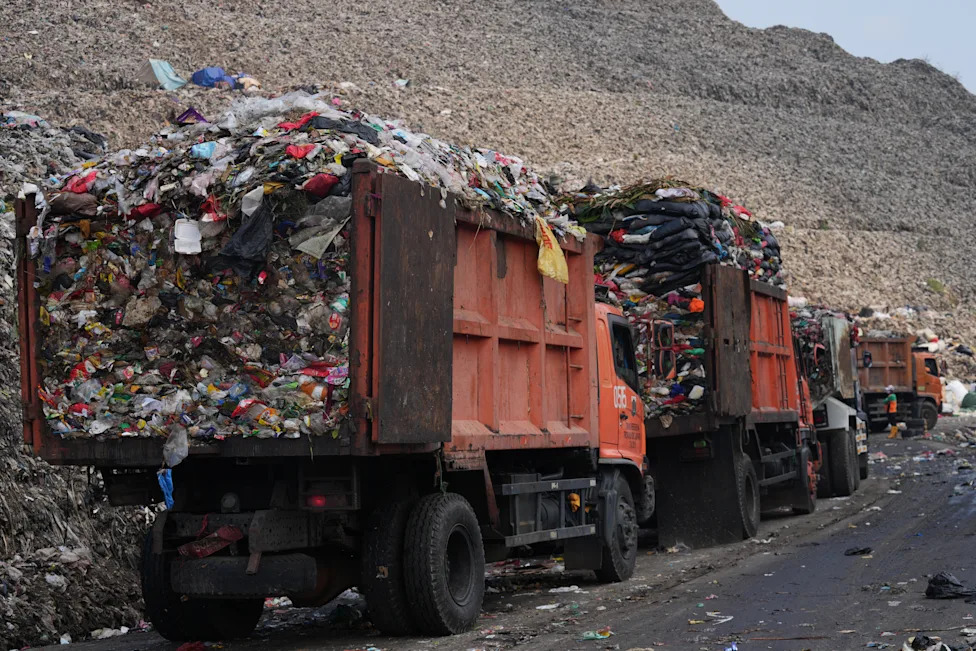
Garbage trucks line up before unloading waste at the Bantargebang landfill on the outskirts of Jakarta, Indonesia, Monday, July 6, 2026. (AP Photo/Tatan Syuflana)(AP Photo/Tatan Syuflana)
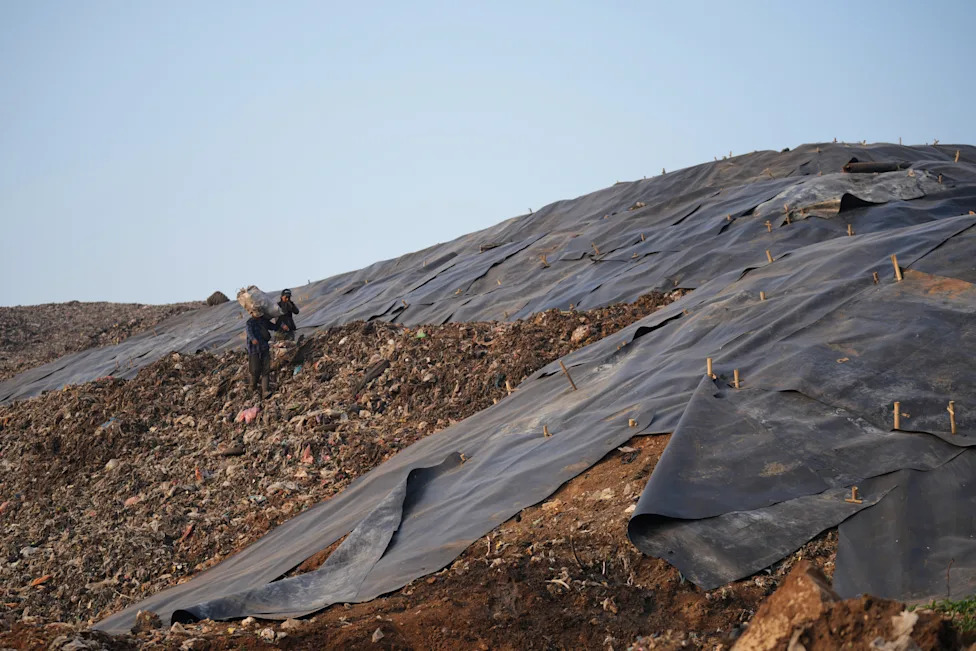
Waste pickers walk near a tarped section at the Bantargebang landfill on the outskirts of Jakarta, Indonesia, Monday, July 6, 2026. (AP Photo/Tatan Syuflana)(AP Photo/Tatan Syuflana)
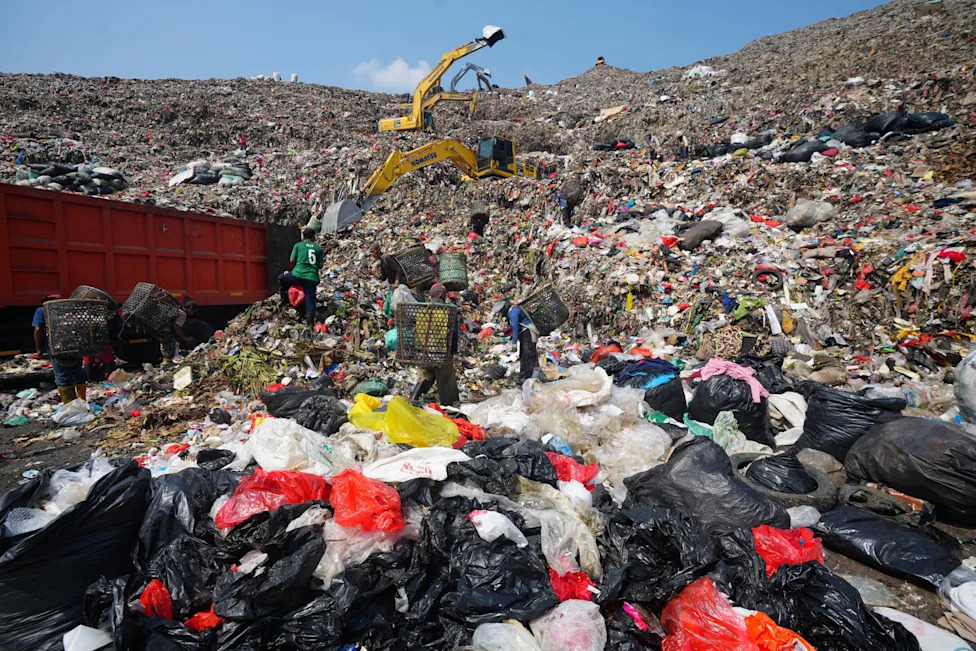
Waste pickers look for recyclable items in a pile of garbage at the Bantargebang landfill on the outskirts of Jakarta, Indonesia, Monday, July 6, 2026. (AP Photo/Tatan Syuflana)(AP Photo/Tatan Syuflana)
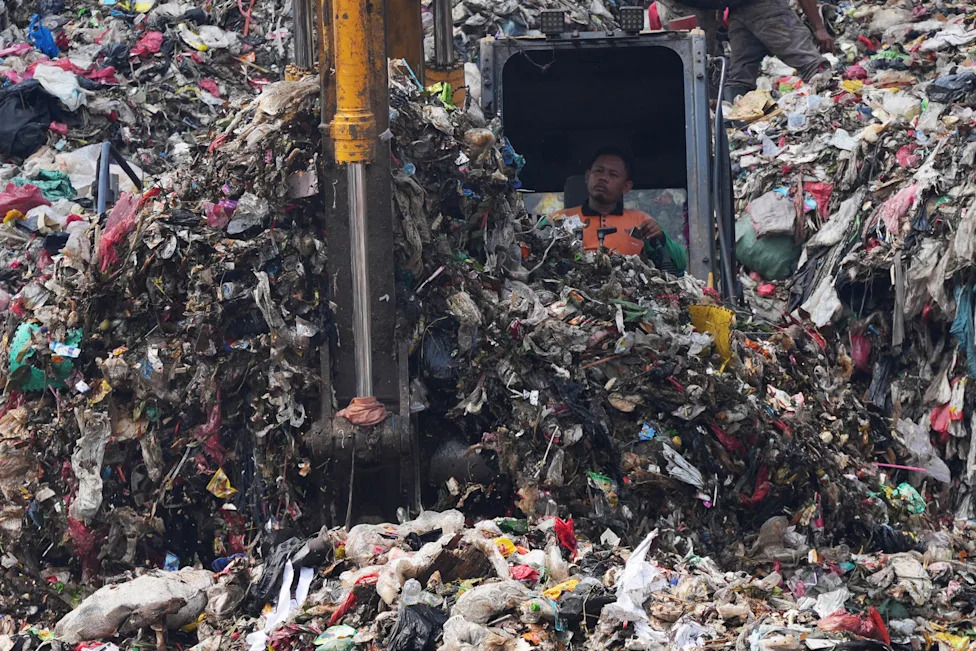
A worker operates heavy machines at the Bantargebang landfill on the outskirts of Jakarta, Indonesia, Monday, July 6, 2026. (AP Photo/Tatan Syuflana)(AP Photo/Tatan Syuflana)
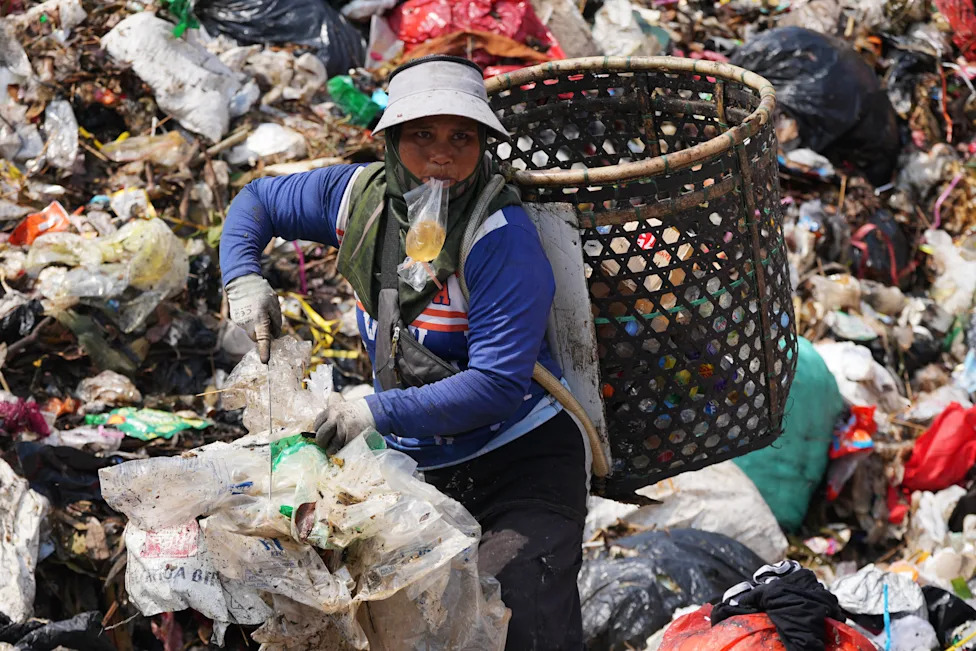
A waste picker drinks water from a plastic bag as she looks for recyclable items in a pile of garbage at the Bantargebang landfill on the outskirts of Jakarta, Indonesia, Monday, July 6, 2026. (AP Photo/Tatan Syuflana)(AP Photo/Tatan Syuflana)
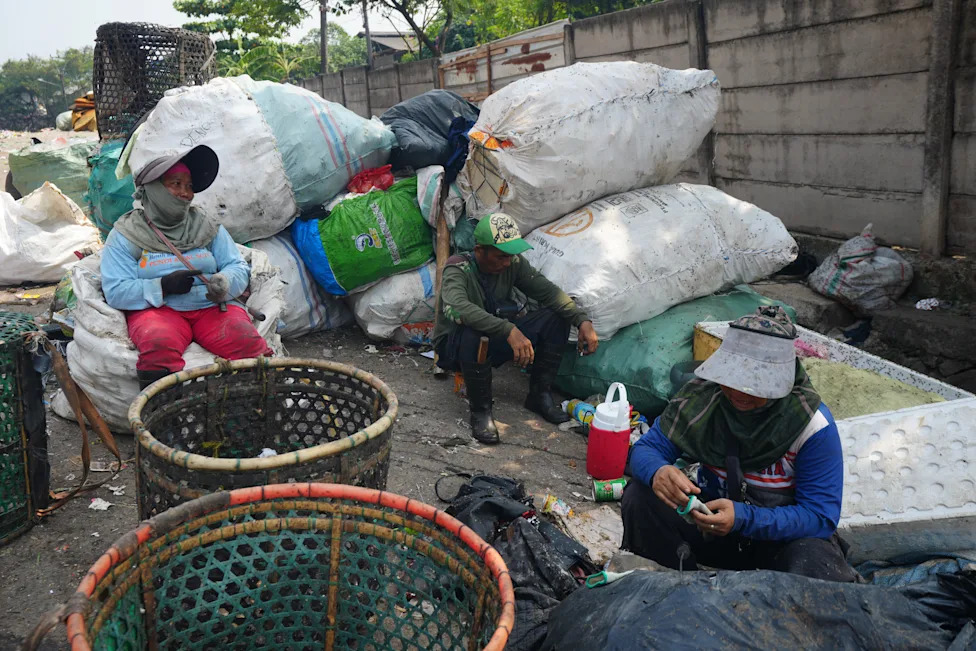
Waste pickers take a rest near at the Bantargebang landfill on the outskirts of Jakarta, Indonesia, Monday, July 6, 2026. (AP Photo/Tatan Syuflana)(AP Photo/Tatan Syuflana)
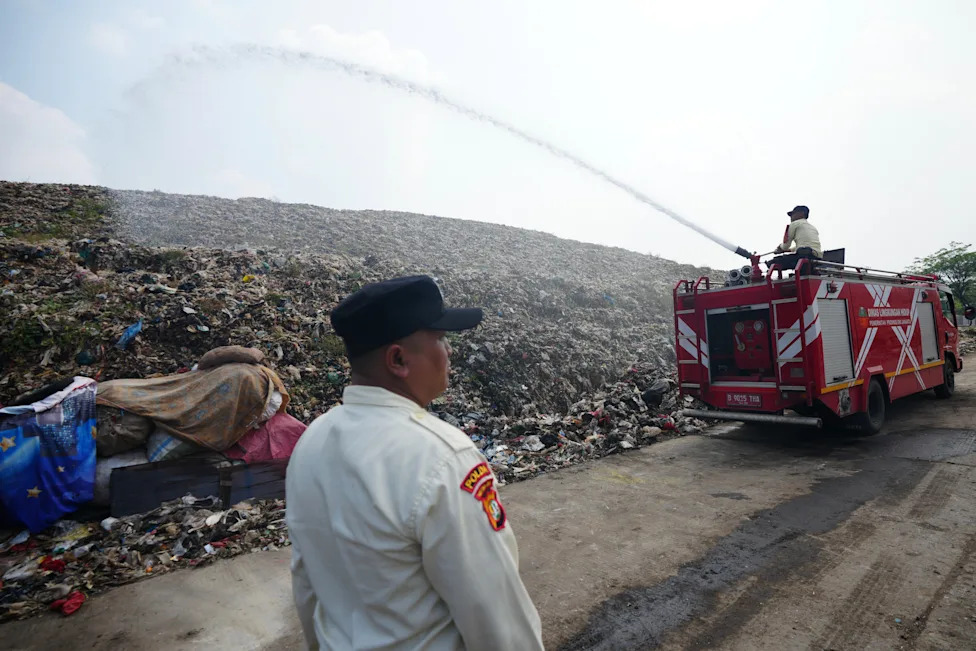
Workers spray water to cool a pile of garbage during hot weather at the Bantargebang landfill on the outskirts of Jakarta, Indonesia, Monday, July 6, 2026. (AP Photo/Tatan Syuflana)(AP Photo/Tatan Syuflana)
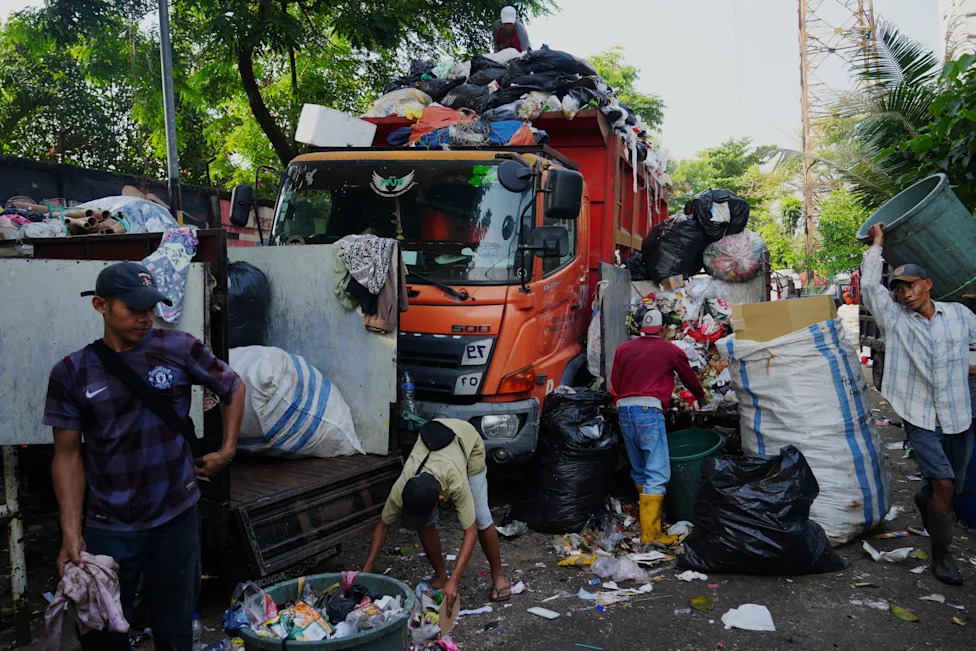
Workers load garbage onto a truck at temporary waste disposal site in Jakarta, Indonesia Friday, July 17, 2026. (AP Photo/Tatan Syuflana)(AP Photo/Tatan Syuflana)
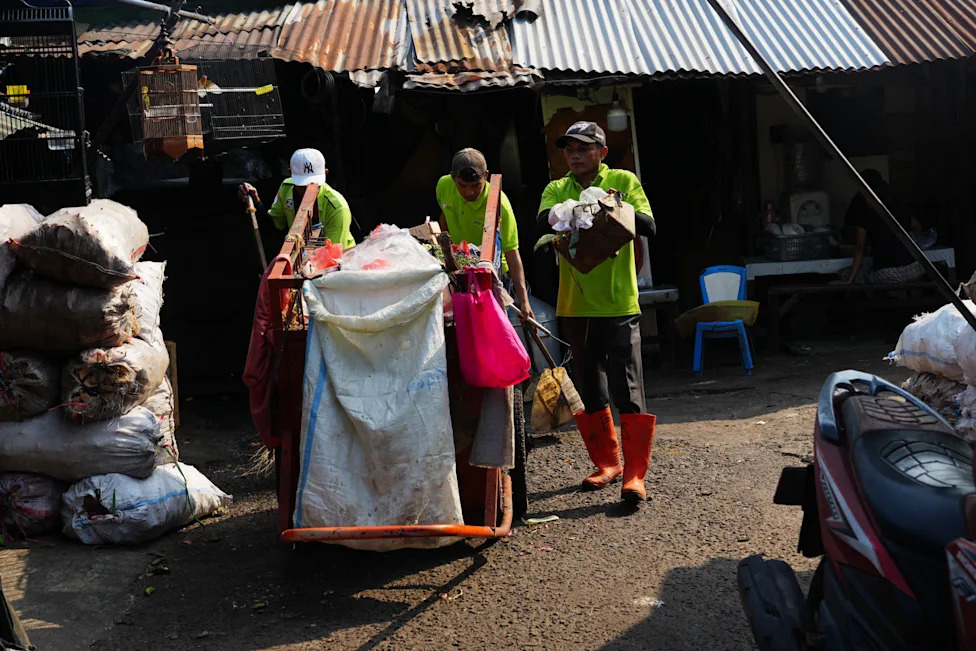
Sanitation workers collect trash at a traditional market in Jakarta, Indonesia, Friday, July 17, 2026. (AP Photo/Tatan Syuflana)(AP Photo/Tatan Syuflana)
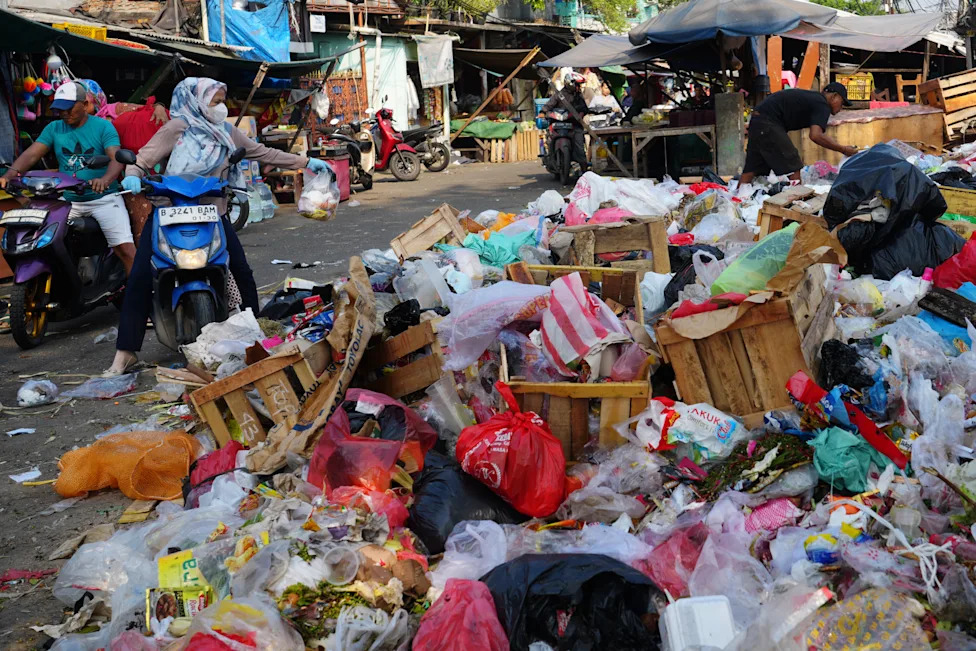
A woman throws a bag of trash onto an open garbage dump in Jakarta, Indonesia, Friday, July 17, 2026. (AP Photo/Tatan Syuflana)(AP Photo/Tatan Syuflana)
Help us improve.