Surface waters off California are 3–4°C above normal in a six-month marine heat wave that is driving anchovies and sardines deeper or north, reducing whale and dolphin sightings. The warming coincides with a potentially strong El Niño and has fueled toxic algal blooms (domoic acid) that have killed seabirds and sickened sea lions; two humpbacks washed ashore in Monterey Bay in early June. Great white sharks are also appearing closer to shore, and scientists warn that repeated heat waves threaten fish stocks and the coastal ecosystem.
Marine Heat Wave Off California Is Driving Fish, Whales and Birds Into Peril
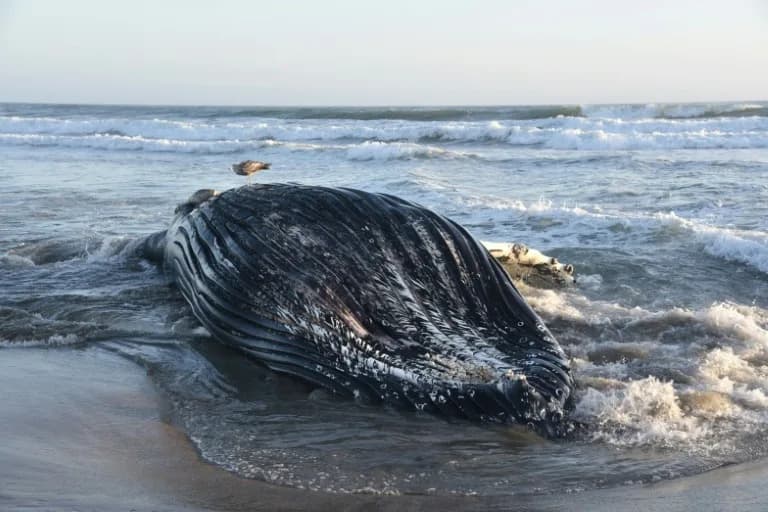
A juvenile humpback whale washed ashore after dying from domoic acid poisoning in Monterey Bay -- a sign of the ill effects of a marine heat wave in California (Handout)
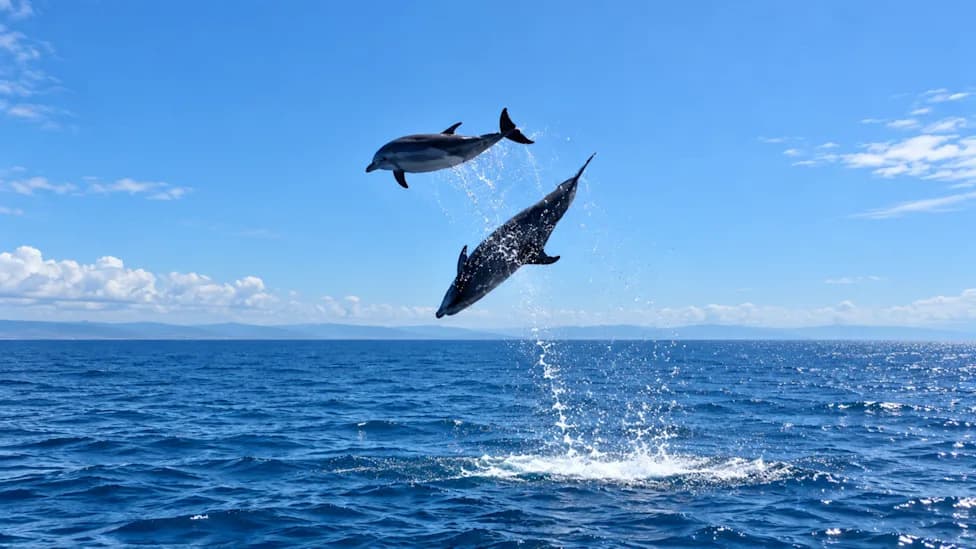
From a small tour boat off the California coast, naturalist Sara Lesser watches dolphins play in the vessel's wake — a sight she says is becoming less common this summer as ocean temperatures climb.
Surface Waters Run Hot
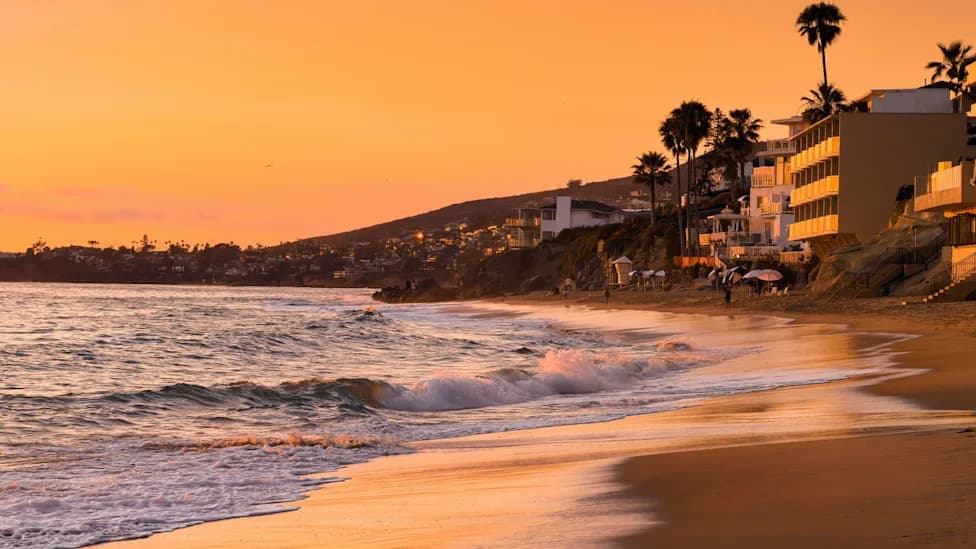
According to the US National Oceanic and Atmospheric Administration (NOAA), surface waters along the California coast are 3–4°C above normal. That warming has persisted for about six months and now coincides with a returning El Niño, a Pacific climate pattern scientists warn could rank among the strongest on record.
Fish Move, Marine Mammals Follow
Warming at the surface is pushing anchovies and sardines — primary prey for many marine mammals — to deeper, cooler water or farther north. "Dolphins and whales are going to follow their food, and so we're seeing fewer sightings," Lesser, a naturalist at the Aquarium of the Pacific in Long Beach, told AFP. Whale and dolphin sightings on daily tours are noticeably down compared with a typical year.
Birds and Sea Lions Suffer
When prey becomes scarce near the surface, surface-feeding birds and pinnipeds struggle. In recent months dozens of pelicans and cormorants were found dead near San Diego. Warmer waters also encourage harmful algal blooms that produce domoic acid, a toxin that concentrates in fish and can sicken marine mammals that eat them.
"These are such large predators, it just highlights how much domoic acid there has to be in the ecosystem for it to affect them," said Elliott Hazen, adjunct professor at UC Santa Cruz, after two humpback whales washed ashore in Monterey Bay in early June — an event he said hadn’t been seen in a decade.
Sea Lions at Risk
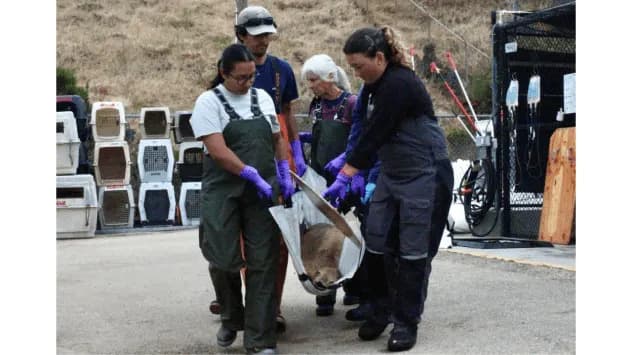
NOAA research oceanographer Andrew Leising warns that California's iconic sea lions could suffer as females abandon pups temporarily to range farther for food. Combined with toxic prey, malnutrition and domoic acid exposure can lead to illness and strandings.
Sharks Moving Closer to Shore
The heat wave is also shifting shark behavior: great white sharks — especially younger animals that favor warmer waters — are being spotted closer to beaches. Communities have already reacted: a Malibu resident recently posted video showing a white shark yards from children, and Huntington Beach temporarily closed swimming three times earlier this spring due to aggressive shark activity.
Long-Term Risks
California has experienced marine heat waves each year since 2019. Scientists say human-driven climate change is increasing the frequency and severity of these events, raising the risk of long-term changes to the coastal ecosystem and the fisheries that depend on it.
Andrew Leising, NOAA: "Chances are this El Niño is going to be stronger than the 2015-2016 one."
Elliott Hazen, UC Santa Cruz: "If we have these marine heat waves over and over again, and we lose the ability to sustain the ecosystem the way we have in the past, we're going to lose some of the fish species that we rely on for food."
Monitoring, fisheries management and efforts to reduce greenhouse gas emissions remain critical to limit harm to marine life and coastal communities as warming continues.
Help us improve.