Gdynia's central interwar modernist district was inscribed on UNESCO's World Heritage List on July 27 as the city marks its centenary. Built almost from scratch between World War I and World War II, the port transformed from a fishing village of about 1,200 people in 1920 to nearly one hundred times that population by 1939. The inscription recognises Gdynia's unusually coherent modernist architecture and its role as Poland's purpose‑built gateway to the sea after 1918.
Gdynia's Interwar Modernist Port Centre Named UNESCO World Heritage Site As City Marks Its Centenary
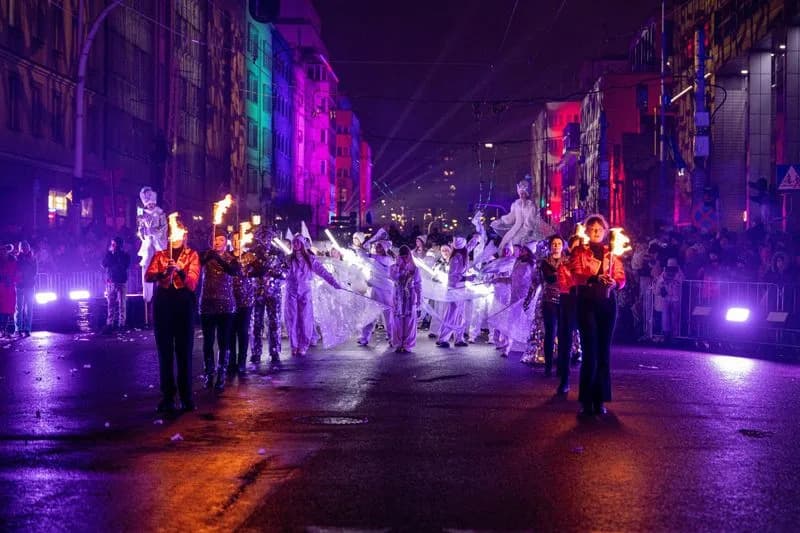
FILE PHOTO: Performers take part in a parade, as Gdynia celebrates the 100th anniversary of obtaining its city rights, in Gdynia, Poland, February 10, 2026. Agencja Wyborcza.pl/Michal Ryniak via REUTERS/File Photo
On July 27, the central district of Gdynia — a Baltic port city largely constructed during the two decades between World War One and World War Two — was inscribed on UNESCO's World Heritage List as the city celebrates its centenary.
Located north of Gdańsk and adjacent to the seaside resort of Sopot, Gdynia was long viewed locally as the region's younger neighbour. The UNESCO inscription places its compact, coherent modernist core among some 1,273 protected sites worldwide, from the Great Barrier Reef to the Acropolis in Athens. UNESCO recognition confers legal protection in acknowledgement of a site's outstanding cultural or natural value to humanity.
From Fishing Village To Gateway To The World
Gdynia stands as a clear symbol of interwar Poland's ambitions after the country regained independence in 1918 following 123 years of partition. Faced with limited Baltic access and no major port, Polish authorities selected the small fishing village of Gdynia — home to roughly 1,200 people in 1920 — as the site for a new seaport. By 1939 the population had risen nearly one hundredfold as people from across Poland arrived seeking opportunity and a fresh start.
Culture Minister Marta Cienkowska hailed the inscription as an honour for a city that looked to the future, built of dreams, courage and a belief that Poland could create extraordinary things.
Unlike many European cities that evolved over centuries, Gdynia was planned and built almost entirely from scratch around a purpose‑built harbour. That concentrated development produced an unusually unified architectural character, making Gdynia one of Europe's most complete examples of an interwar modernist city realised within a single generation.
Architectural historians frequently compare Gdynia to Tel Aviv’s “White City” and to the functionalist districts developed in cities such as Rotterdam and Brno. The city's centre is characterised by streamlined, functionalist forms: flat roofs, rounded corners, long horizontal windows and balconies that recall ocean liners — design elements that reflect Gdynia's maritime identity and the era's confidence in technology and progress.
UNESCO's World Heritage Committee, composed of representatives of 21 countries, oversees such inscriptions. Recent additions to the list have included the D‑Day landing beaches in Normandy, underscoring the diversity of sites protected for their global cultural and historical significance.
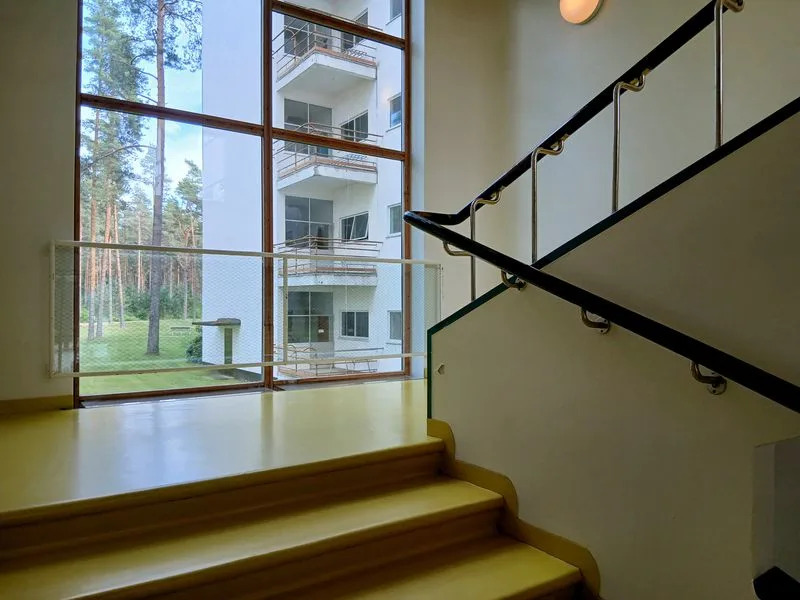
Interior view of Paimio Sanatorium, designed by Finnish architects Alvar and Aino Aalto in 1929 and completed in 1933 as a tuberculosis hospital, is one of the 13 sites included in the Aalto Works nomination seeking inscription on UNESCO's World Heritage List, in Paimio, Finland July 1, 2026. REUTERS/Elviira Luoma
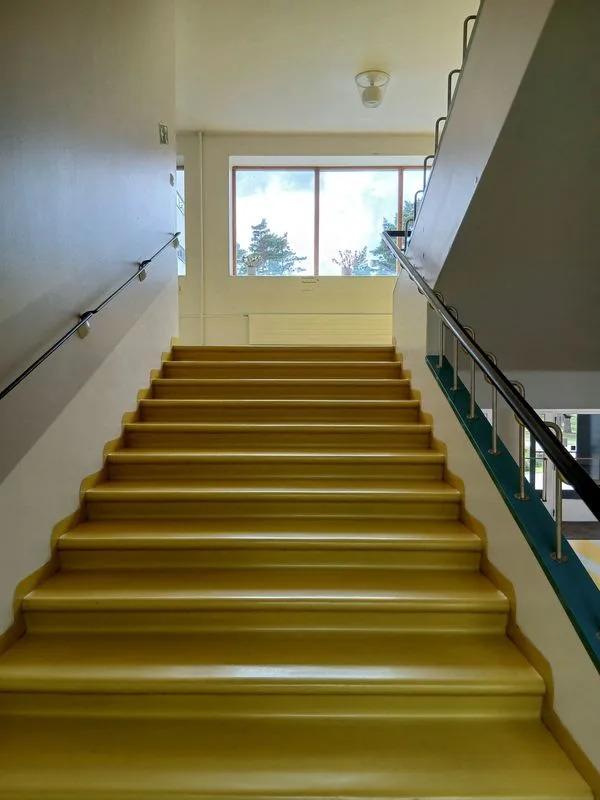
Interior view of Paimio Sanatorium, designed by Finnish architects Alvar and Aino Aalto in 1929 and completed in 1933 as a tuberculosis hospital, is one of the 13 sites included in the Aalto Works nomination seeking inscription on UNESCO's World Heritage List, in Paimio, Finland July 1, 2026. REUTERS/Elviira Luoma
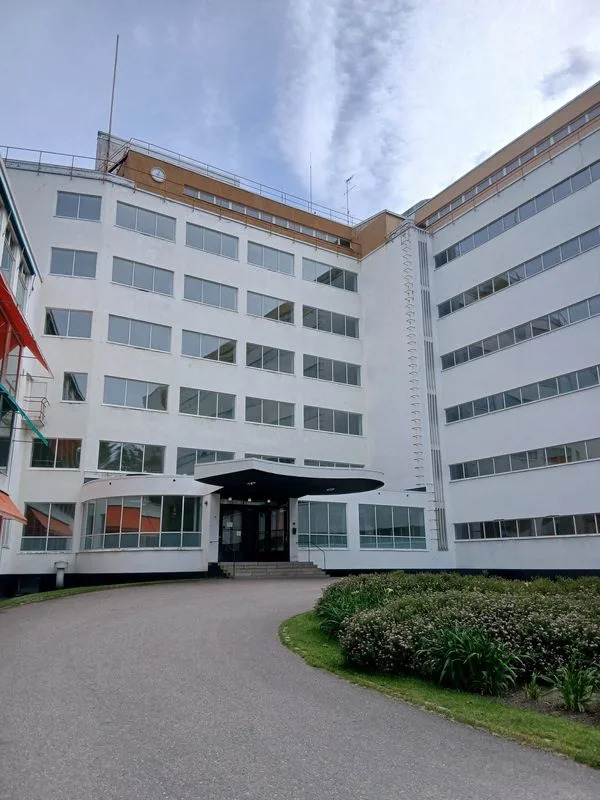
Exterior view of Paimio Sanatorium, designed by Finnish architects Alvar and Aino Aalto in 1929 and completed in 1933 as a tuberculosis hospital, is one of the 13 sites included in the Aalto Works nomination seeking inscription on UNESCO's World Heritage List, in Paimio, Finland July 1, 2026. REUTERS/Elviira Luoma
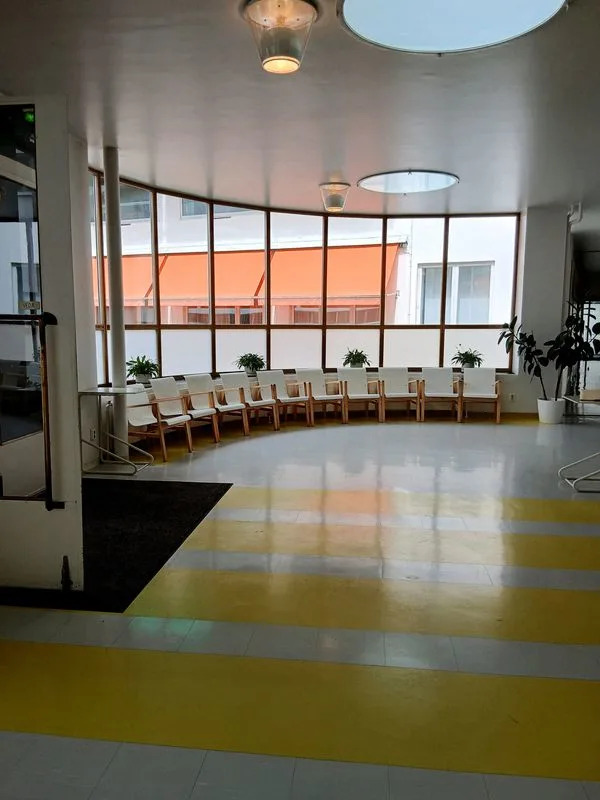
Interior view of Paimio Sanatorium, designed by Finnish architects Alvar and Aino Aalto in 1929 and completed in 1933 as a tuberculosis hospital, is one of the 13 sites included in the Aalto Works nomination seeking inscription on UNESCO's World Heritage List, in Paimio, Finland July 1, 2026. REUTERS/Elviira Luoma

People gather in the exhibition hall during the opening day of Comic-Con International in San Diego, California, U.S., July 23, 2026. REUTERS/Daniel Cole

James Marsden attends the Marvel Panel cast call at the Hilton Bayfront during Comic Con in San Diego, California, U.S., July 25, 2026. REUTERS/Sandy Huffaker

Hannah John-Kamen, Danny Ramirez and Winston Duke attend the Marvel Panel cast call at the Hilton Bayfront during Comic Con in San Diego, California, U.S., July 25, 2026. REUTERS/Sandy Huffaker

Kevin Feige attends the Marvel Panel cast call at the Hilton Bayfront during Comic Con in San Diego, California, U.S., July 25, 2026. REUTERS/Sandy Huffaker

Simu Liu attends the Marvel Panel cast call at the Hilton Bayfront during Comic Con in San Diego, California, U.S., July 25, 2026. REUTERS/Sandy Huffaker

Attendees walk through the exhibition hall during the opening day of Comic-Con International in San Diego, California, U.S., July 23, 2026. REUTERS/Daniel Cole
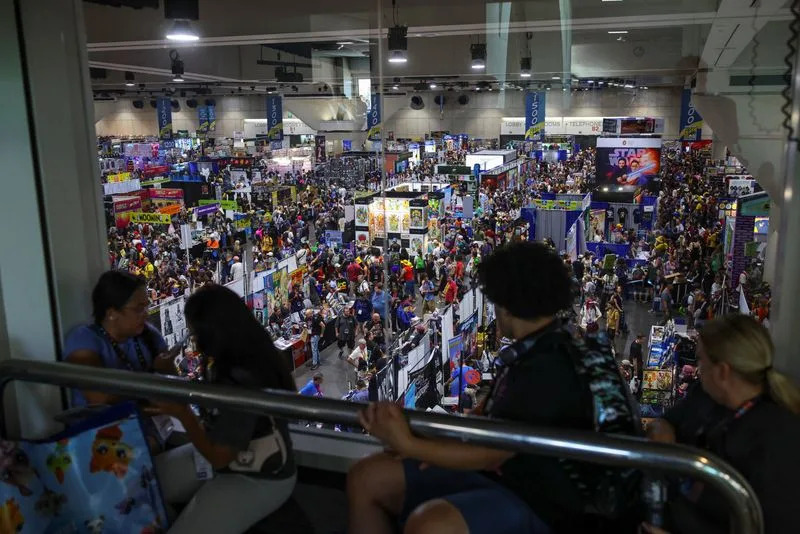
Attendees gather in the exhibition hall during the opening day of Comic-Con International in San Diego, California, U.S., July 23, 2026. REUTERS/Daniel Cole

FILE PHOTO: Attendees walk through the exhibition hall during the opening day of Comic-Con International in San Diego, California, U.S., July 23, 2026. REUTERS/Daniel Cole/File Photo
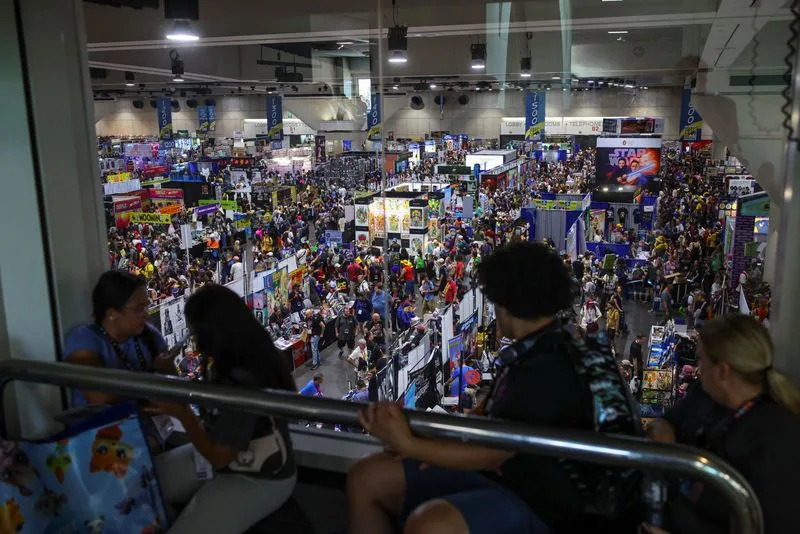
Attendees gather in the exhibition hall during the opening day of Comic-Con International in San Diego, California, U.S., July 23, 2026. REUTERS/Daniel Cole

FILE PHOTO: Roman Zaragoza, Jessica Matten, Eric Nam and Dionne Quan, voice cast members of "Avatar Aang: The Last Airbender", attend the opening day of Comic-Con International in San Diego, California, U.S., July 23, 2026. REUTERS/Arafat Barbakh/File Photo

Cast and creators of "Avatar Aang: The Last Airbender" attend the opening day of Comic-Con International in San Diego, California, U.S., July 23, 2026. REUTERS/Arafat Barbakh

Director Lauren Montgomery and co-creators Michael DiMartino and Bryan Konietzko, of "Avatar Aang: The Last Airbender", pose on the opening day of Comic-Con International in San Diego, California, U.S., July 23, 2026. REUTERS/Arafat Barbakh
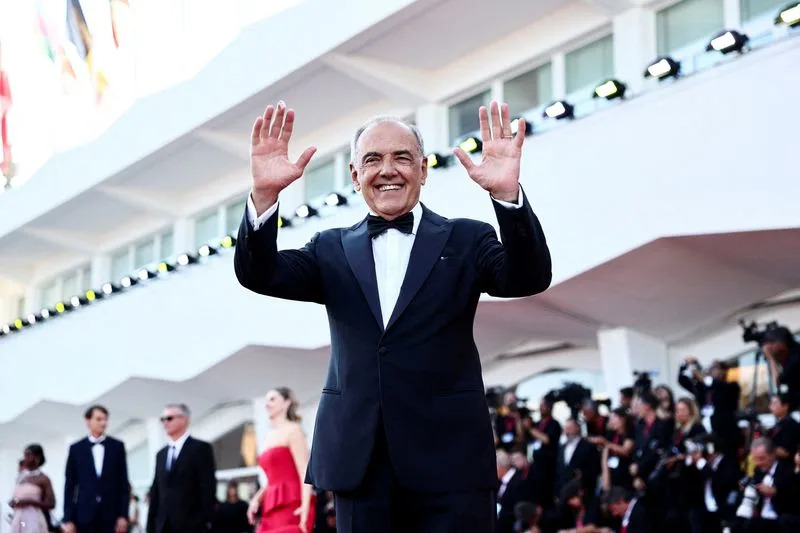
FILE PHOTO: 82nd Venice Film Festival Director Alberto Barbera poses on the red carpet during the closing ceremony of the 82nd Venice International Film Festival, in Venice, Italy, September 6, 2025. REUTERS/Yara Nardi/File Photo
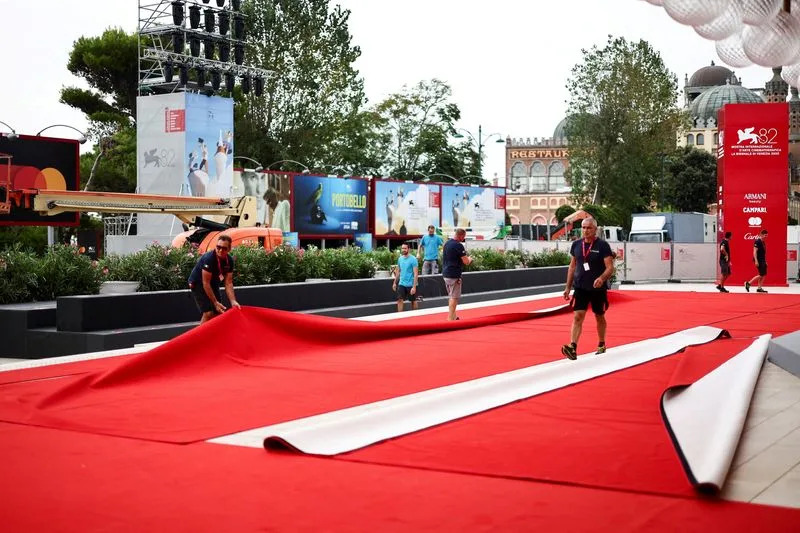
FILE PHOTO: Workers set up the red carpet a day before the start of the 82nd Venice Film Festival in Venice, Italy, August 26, 2025. REUTERS/Yara Nardi/File Photo
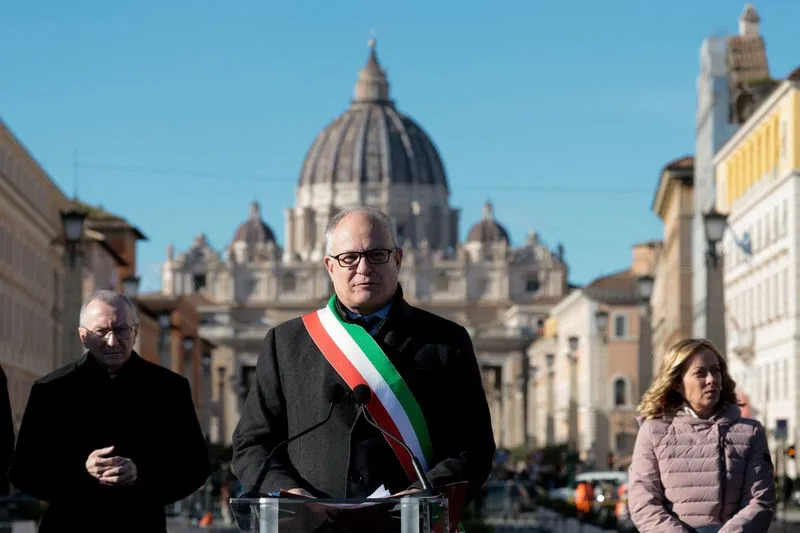
FILE PHOTO: Rome Mayor Roberto Gualtieri speaks in Rome, Italy December 23, 2024. REUTERS/Remo Casilli/File Photo
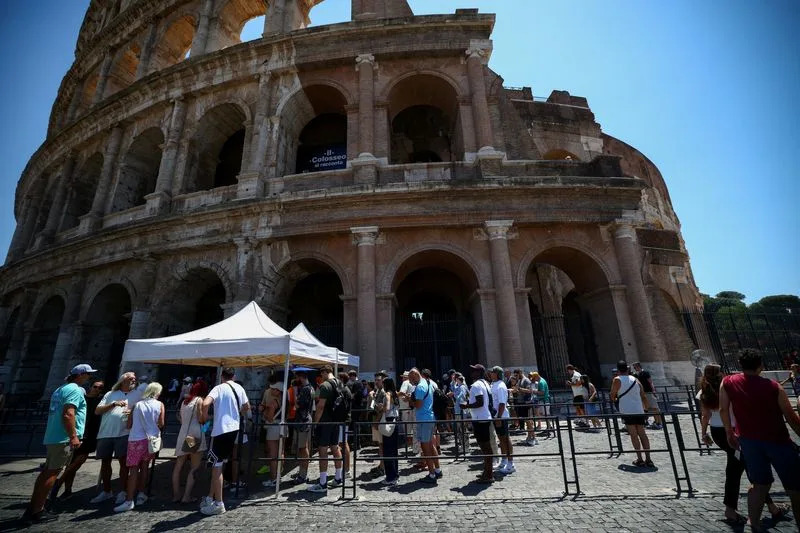
FILE PHOTO: Tourists queue under the sun outside the Colosseum during hot weather in Rome, Italy, June 20, 2026. REUTERS/Guglielmo Mangiapane/File Photo

FILE PHOTO: A man walks near a billboard reading "The heat can kill you even at work. If they make you work in extreme heat, call the toll-free number" during a heatwave, in Rome, Italy, June 30, 2026. REUTERS/Guglielmo Mangiapane/File Photo
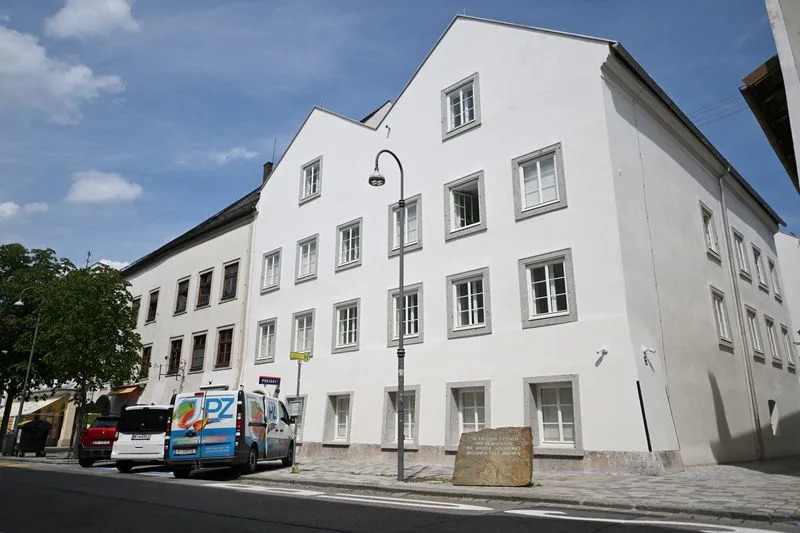
Vehicles are parked outside the building where Adolf Hitler was born, which has been converted into a police station by Austria's government in hopes of preventing it from serving as a place of pilgrimage for neo-Nazis, in Braunau am Inn, Austria, July 16, 2026. REUTERS/Angelika Warmuth
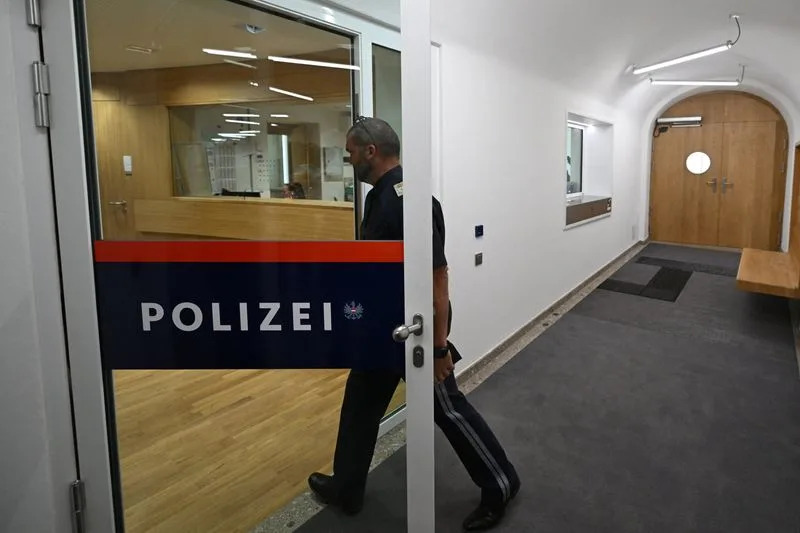
A police walks at the building where Adolf Hitler was born, which has been converted into a police station by Austria's government in hopes of preventing it from serving as a place of pilgrimage for neo-Nazis, in Braunau am Inn, Austria, July 16, 2026. REUTERS/Angelika Warmuth
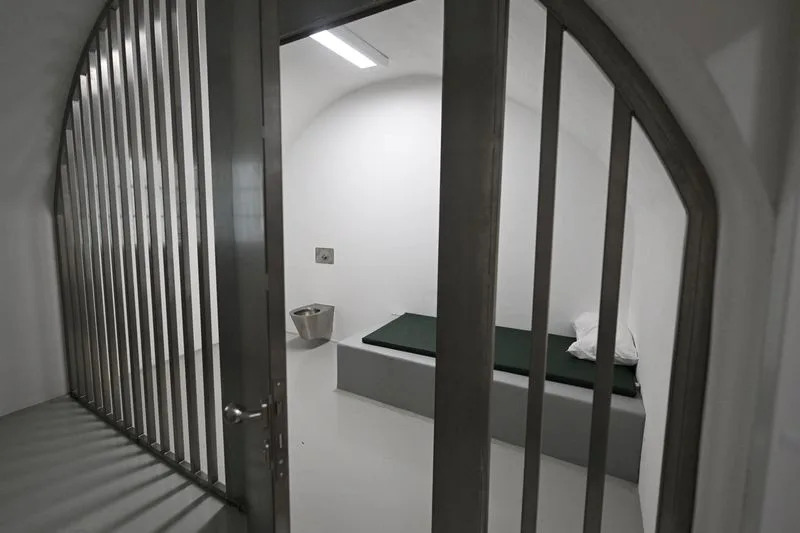
A prison cell in the building where Adolf Hitler was born, which has been converted into a police station by Austria's government in hopes of preventing it from serving as a place of pilgrimage for neo-Nazis, in Braunau am Inn, Austria, July 16, 2026. REUTERS/Angelika Warmuth
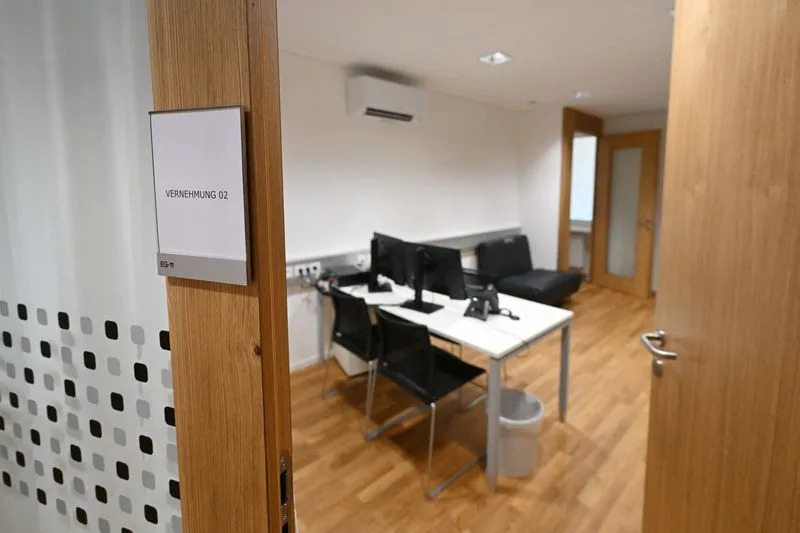
An interrogation room in the building where Adolf Hitler was born, which has been converted into a police station by Austria's government in hopes of preventing it from serving as a place of pilgrimage for neo-Nazis, in Braunau am Inn, Austria, July 16, 2026. REUTERS/Angelika Warmuth
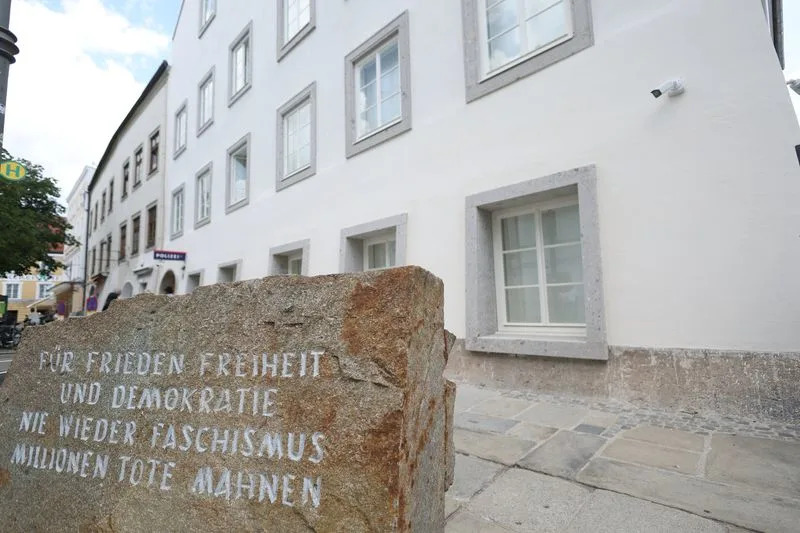
A memorial stone sits outside the building where Adolf Hitler was born, which has been converted into a police station by Austria's government in hopes of preventing it from serving as a place of pilgrimage for neo-Nazis, in Braunau am Inn, Austria, July 22, 2026. REUTERS/Gintare Karpaviciute
Help us improve.