The utility‑funded Wildfire Victims First campaign urged Californians to lobby lawmakers on wildfire costs but provoked anger after it was revealed the effort was financed by SCE, PG&E and SDG&E. Critics say the campaign promotes proposals that would limit survivors’ recoveries—cutting pain‑and‑suffering awards and capping attorney fees—and shift costs to insurers and the public. Survivors, community leaders and advocacy groups have pushed back, demanding stronger utility accountability, especially after the deadly Eaton fire in Altadena.
Survivors Say Utility-Funded Campaign Misled Californians — Renewed Fight Over Who Pays For Wildfires
Photo Credit: iStock
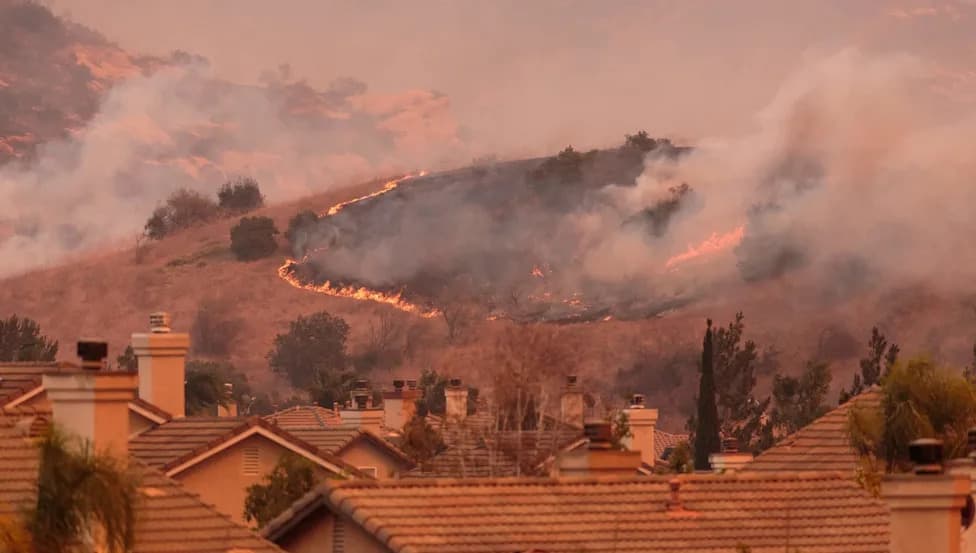
A campaign that urged Californians to "stand with wildfire victims" and pressure lawmakers on wildfire costs has provoked outrage after reporting showed it was financed by the same for‑profit utilities long linked to destructive blazes.
This spring, an organization calling itself Wildfire Victims First distributed mailers and ran social ads across the state asking residents to contact elected officials about wildfire-cost policy. Reporting from the Los Angeles Times revealed the effort was bankrolled by California’s three major investor‑owned utilities: Southern California Edison (SCE), Pacific Gas & Electric (PG&E), and San Diego Gas & Electric (SDG&E).
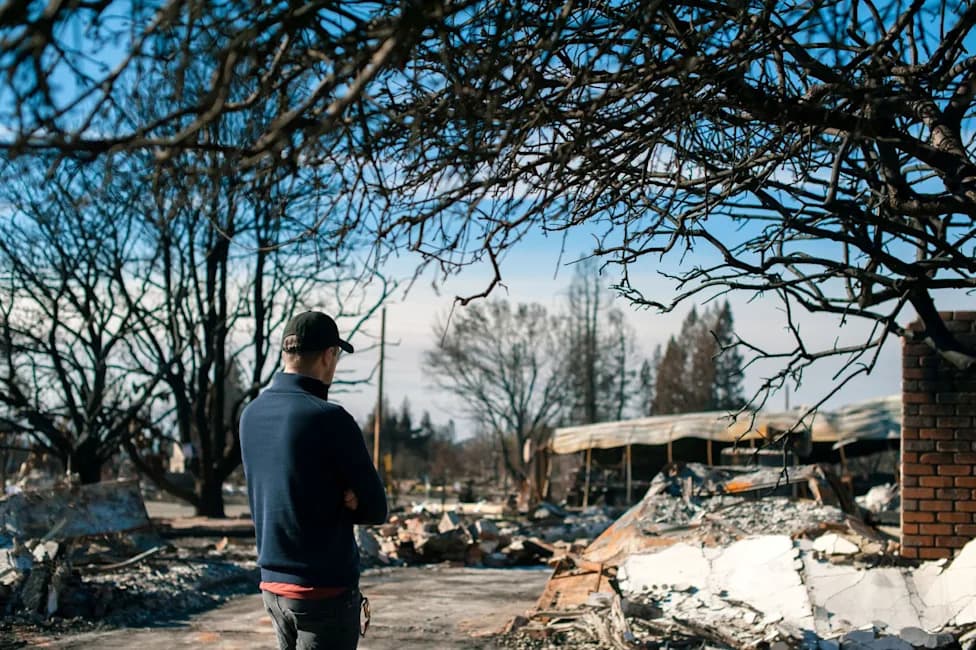
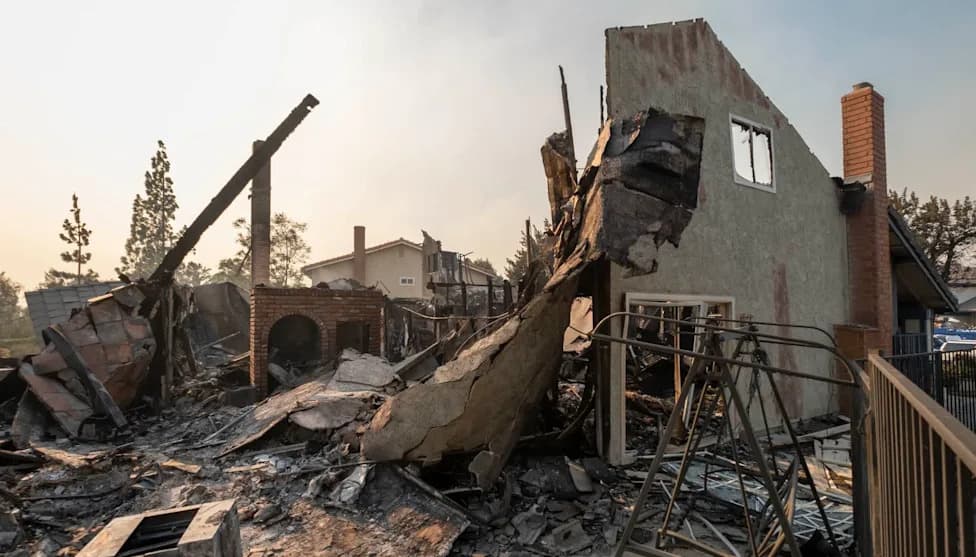
For many survivors, the funding disclosure has felt deeply misleading. In Altadena, where thousands of families lost homes and 19 people died in the Eaton fire, residents say the campaign’s message stung because investigators are probing whether a century‑old Edison transmission line sparked that blaze.
What The Campaign Backed
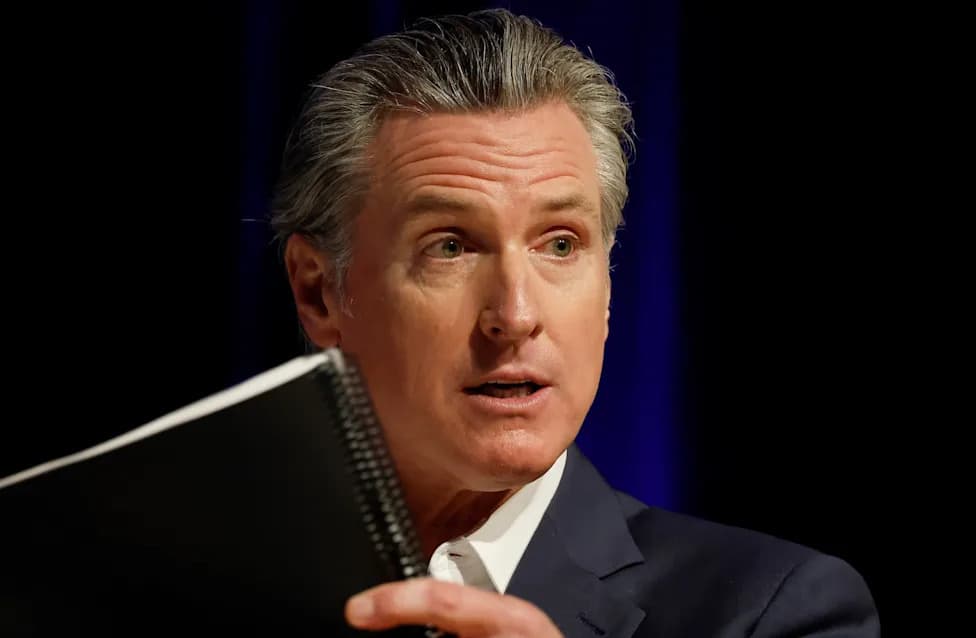
Wildfire Victims First has promoted recommendations from a wildfire study commissioned by Governor Gavin Newsom. Critics say those proposals would narrow survivors’ ability to recover full compensation by trimming pain‑and‑suffering awards, capping attorney fees, and moving more costs onto insurers and taxpayers rather than corporate defendants.
Opponents warn the practical effect could be lower payouts for families trying to rebuild, increased pressure on insurance markets, and ultimately higher utility rates for customers if costs are shifted onto the public.
Why Survivors Are Alarmed
The Eaton fire illustrates the stakes: if regulators determine SCE acted reasonably, the company could be reimbursed through California’s $21 billion wildfire fund; if damages exceed that fund, customers could be left paying the remainder through rate increases.
Joy Chen of Every Fire Survivor’s Network wrote to Governor Newsom that the campaign "created the appearance that wildfire survivors supported" the study’s recommendations — a position her group does not endorse.
Chen’s 15‑page letter, signed by organizations including Public Citizen, Consumer Watchdog and the National Day Laborer Organizing Network, urged state leaders to strengthen accountability for utilities that spark fires.
Community leaders have also spoken out. Brandon Lamar, president of NAACP Pasadena, tied the debate to Altadena’s losses: "Survivors rebuilding should not be asked to bear the cost of protecting the corporations whose failures devastated their community," he said. State Sen. Sasha Renee Perez pledged to oppose any measure that would cut pain‑and‑suffering awards for victims.
Broader Concerns
Advocates and observers raised alarms about the optics and influence of corporate‑funded advocacy that presents itself as grassroots. When organizations portraying themselves as survivor groups accept money from companies implicated in fires, it can blur the line between genuine community advocacy and corporate image management.
As survivors and advocacy coalitions press for stronger utility accountability, the dispute highlights a larger policy and moral question: who should ultimately bear the financial burden when corporate operations spark catastrophic harm — the companies responsible, the insurers and their policyholders, or the public at large?
Help us improve.