Massachusetts unveiled a proposal on July 16 to cap secondary-market ticket resales at 110% of face value and limit reseller fees to 10%, while banning speculative listings and deceptive sites. The bill allows a higher resale limit if an artist or venue agrees in writing. Supporters say it will protect fans and local businesses; critics argue it leaves primary-sale pricing — which represents roughly 90% of the market — largely unaddressed.
Massachusetts Moves To Curb Ticket Gouging: 110% Resale Cap And 10% Fee Limit

Photo Credit: iStock
Massachusetts officials unveiled a proposal on July 16 designed to rein in steep markups on concert and sports tickets that frustrate many fans. The draft legislation would cap secondary-market resale prices at 110% of a ticket's face value and limit reseller fees to 10%, aiming to make live events more affordable.
What The Bill Would Do
Under the proposal, a ticket originally priced at $100 could not be listed for more than $110 on resale platforms, and additional service or processing fees charged by sites like StubHub or SeatGeek would be capped at 10% of the ticket price. The measure also targets speculative listings and deceptive ticketing websites and promotions. It includes a provision allowing higher resale prices if an artist or venue explicitly authorizes a different limit in writing.
Why Supporters Back It
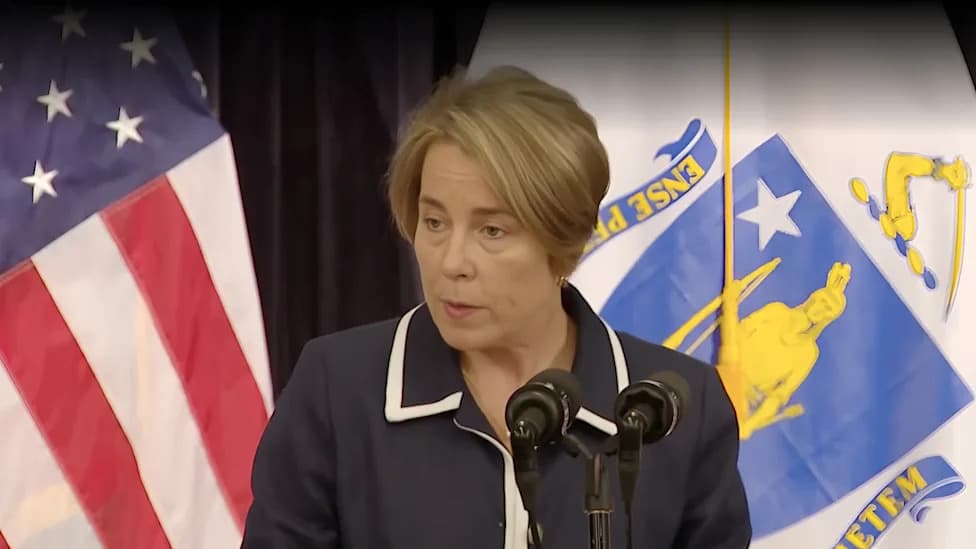
Supporters, including Governor Maura Healey, argue the rules would protect fans and local economies from predatory resale practices that do not benefit artists or venues. Healey said the pattern is familiar: fans waiting in online queues, missing out on primary sales, then seeing the same seats relisted at much higher prices. Folk singer Noah Kahan appeared in a prerecorded message supporting the proposal and underscoring how quickly popular shows can be marked up online.
Industry Concerns
Critics say the bill focuses on the secondary market while largely leaving primary-sale practices untouched. Brian Berry of the Ticket Policy Forum noted primary sellers — especially platforms that use dynamic pricing — drive much of the price inflation before tickets ever reach resale sites. The Coalition for Ticket Fairness warned the proposal could make it harder for ordinary buyers to resell tickets they can no longer use, while doing little to roll back earlier price increases at primary sale.
Administration View: The governor's legal team says the goal is to curb resale tactics that inflate costs without directing more money to artists or venues and to give artists greater control over what fans ultimately pay.
Next Steps
Senator Dylan Fernandes plans to offer similar ticket-resale language as an amendment to the Massachusetts Senate's economic development bill, which is expected to reach the floor soon. Ticketmaster has expressed support for some elements of the push — such as cracking down on speculative listings and capping resale prices — but many observers say lawmakers should also pursue measures that address pricing in the primary market.
Bottom line: The proposal is a targeted attempt to tame aftermarket markups and fees, but its effectiveness will depend on whether lawmakers also tackle underlying primary-sale pricing practices and how exceptions for artist- or venue-approved pricing are used.
Help us improve.