Justice Elena Kagan rejected claims that the 6-3 conservative Supreme Court is merely a "rubber stamp" for President Trump, arguing the Court often rules independently. She highlighted two major administration defeats—the February decision striking down emergency tariffs and the June ruling blocking efforts to curtail birthright citizenship, the latter joined by Chief Justice Roberts. At the same time, Kagan warned that parts of the majority's approach are "deeply wrong," pointing to expanded removal powers, immigration limits, and erosion of the Voting Rights Act.
Elena Kagan: Supreme Court Is No 'Rubber Stamp' For Trump, But Some Decisions Are 'Deeply Wrong'
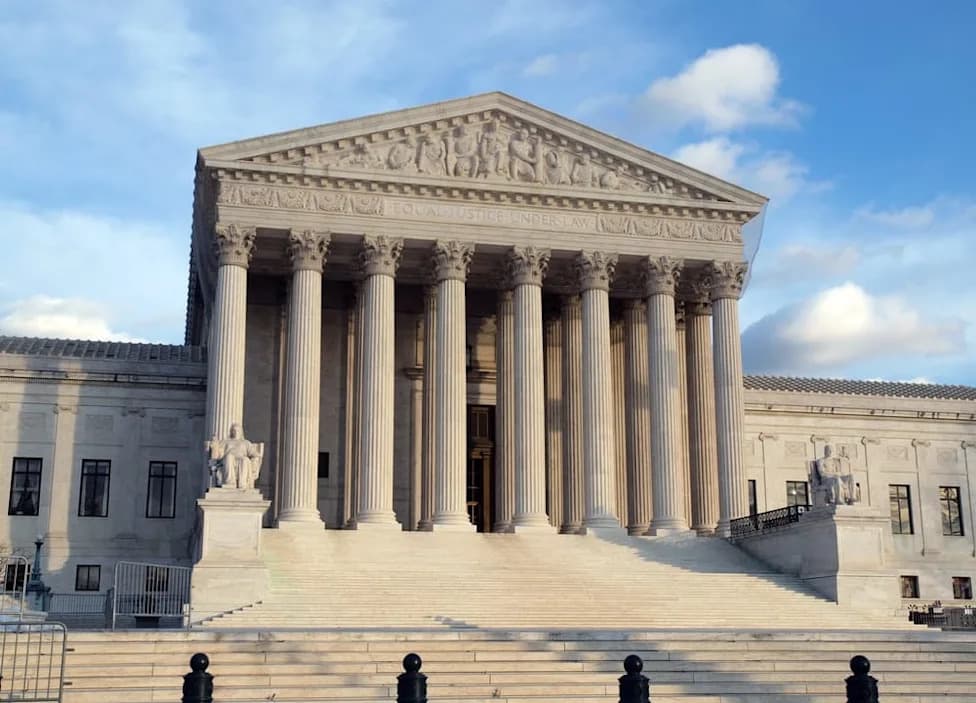
Elena Kagan Rejects Claims Supreme Court Is a Trump 'Rubber Stamp,' Even as She Slams Parts Of Its Record as 'Deeply Wrong'
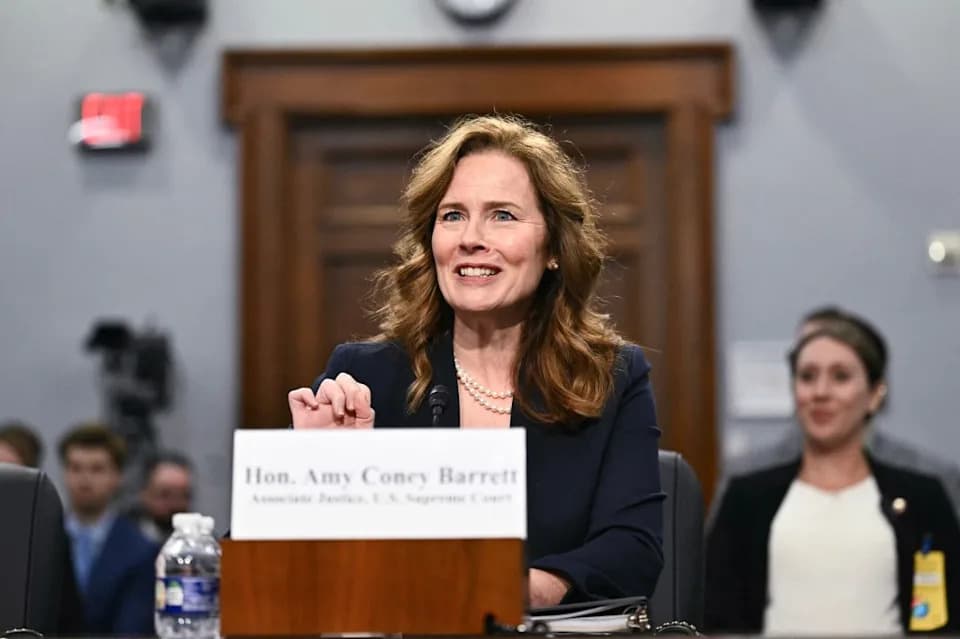
Supreme Court Justice Elena Kagan on Thursday pushed back against claims that the Court's 6-3 conservative majority simply rubber-stamps President Donald Trump, while also sharply criticizing parts of the majority's jurisprudence as "deeply wrong." Speaking at a 9th U.S. Circuit judicial conference in Bellevue, Washington, Kagan emphasized the Court's institutional independence even as she acknowledged the conservative tilt of recent decisions.
Kagan Rejects 'Rubber Stamp' Characterization
"I don't see this as a court that is just like, 'We're just going to rubber stamp what the current administration does.' You know, quite the opposite," Kagan told attendees, according to Politico. "I think that that is a bad rap."
Notable Cases Underscore Independence
Kagan pointed to at least two high-profile defeats for the administration as examples of the Court acting independently. In February, the justices struck down sweeping emergency tariffs in a 6-3 decision, a ruling Kagan described as an unusually consequential rejection of a sitting president's signature policy; the administration later adopted a temporary 10% global duty under different statutory authority.
In June, the Court blocked an attempt to curtail birthright citizenship. Chief Justice John Roberts joined Kagan and four other justices in concluding the order violated the 14th Amendment. Reuters reported that the proposed policy could have affected as many as 250,000 births annually.
Critique Of Broader Jurisprudential Trends
At the same time, Kagan was candid about her concerns with the majority's direction. She said the Court has embraced parts of the conservative legal movement's playbook that she finds "deeply wrong," citing expansions of presidential removal power over independent agencies, significant immigration restrictions, and rulings that have pared back protections under the Voting Rights Act.
"But is this court the kind of puppet for the current administration? I think definitely not," Kagan said.
Kagan also recalled President Trump's attendance at the oral argument on the birthright-citizenship matter, wryly noting that "he was just like a person who came in and sat down and then had to listen to an argument." Her remarks struck a balance between defending the Court's institutional independence and voicing substantive disagreement with particular legal trends.
Why It Matters: Kagan's comments offer insight into how a high-profile liberal justice views the Court's role: not as an automatic enforcer of a presidential agenda, but as an institution capable of both checking and reinforcing executive power—sometimes in ways she believes undermine long-standing legal principles.
Help us improve.