Sierra County has adopted an 18-month moratorium on new data centers after unanimous county commission approval amid public opposition to a Spaceport America–linked solar facility tied to Green Data. Residents cited concerns about electricity demand, transmission upgrades, land and road impacts, and potential water use. The pause gives officials time to develop stricter zoning, water-use limits, renewable-energy requirements, and community-benefit conditions before future approvals.
Sierra County Freezes Data Center Approvals for 18 Months After Spaceport-Linked Plan Sparks Backlash

Photo Credit: iStock
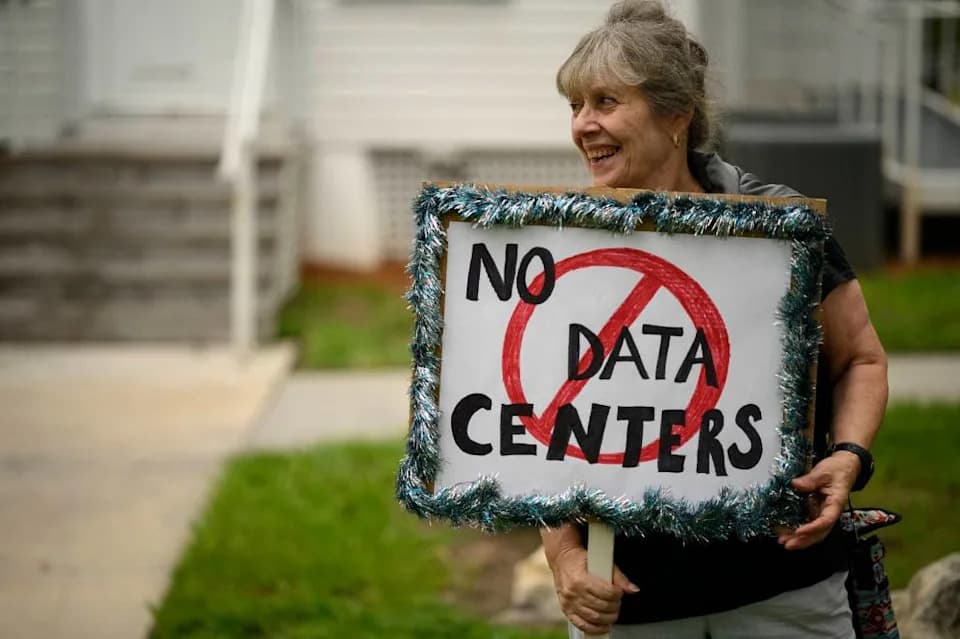
Sierra County, New Mexico, has imposed an 18-month moratorium on new data center approvals after county commissioners voted unanimously in response to strong public opposition to a project tied to Spaceport America.
What Happened
The temporary ban, adopted after an extended public-comment period, prevents any new data center proposals from advancing for the next 18 months. The contested plan was a solar-powered facility that appears in Spaceport America's 2025 master plan and has been reported to be connected to Green Data, a company previously linked to a proposed site near New Mexico Tech in Socorro.
Community Concerns
Residents and local planners voiced concerns that large data centers can place significant demand on shared resources. Key worries include higher electricity demand and the need for expanded transmission capacity, increased land and road impacts, and — in some cases — water use for cooling. In a rural county, a single large development can quickly reshape local infrastructure, household costs, and environmental conditions.
Arguments On Both Sides
Supporters of data-center development note potential benefits such as investment, job creation, and opportunities to pair computing infrastructure with renewable energy. Opponents of moratoria argue that pauses can deter employers, delay tax revenue, and slow investment in cleaner digital infrastructure — especially when projects are designed to use renewable power.
Why a Moratorium?
County officials say the 18-month pause gives them time to gather more public input and to develop clearer, binding standards for future proposals. That interval can be used to explore options such as stricter zoning rules, explicit water-use limits, transmission and grid-impact assessments, renewable-energy requirements, local-hiring commitments, infrastructure upgrades, and enforceable community-benefit agreements.
Looking Ahead
The moratorium does not permanently block data centers. Instead, it delays decisions so the county can set rules designed to protect local resources and ensure that any development provides tangible benefits to the community. When the freeze ends, proposed projects could be approved under clearer conditions or be rejected if they fail to meet new standards.
Bottom line: Commissioners chose a pause to give residents and officials time to shape the terms of growth and require safeguards before new projects move forward.
Help us improve.