An amateur hiker, Joël Lapointe, noticed a 15‑mile circular feature on Google Maps and alerted scientists. Fieldwork led by Gordon Osinski found shatter cones and impact‑melt rock, confirming a meteor strike about 390 million years ago. The site, named Uhackatik after consultation with the Innu Council of Ekuanitshit, will be presented at the Meteoritical Society meeting in Germany this August.
Amateur’s Google Maps Discovery in Canada Confirmed as a 390‑Million‑Year‑Old, 15‑Mile Meteor Crater

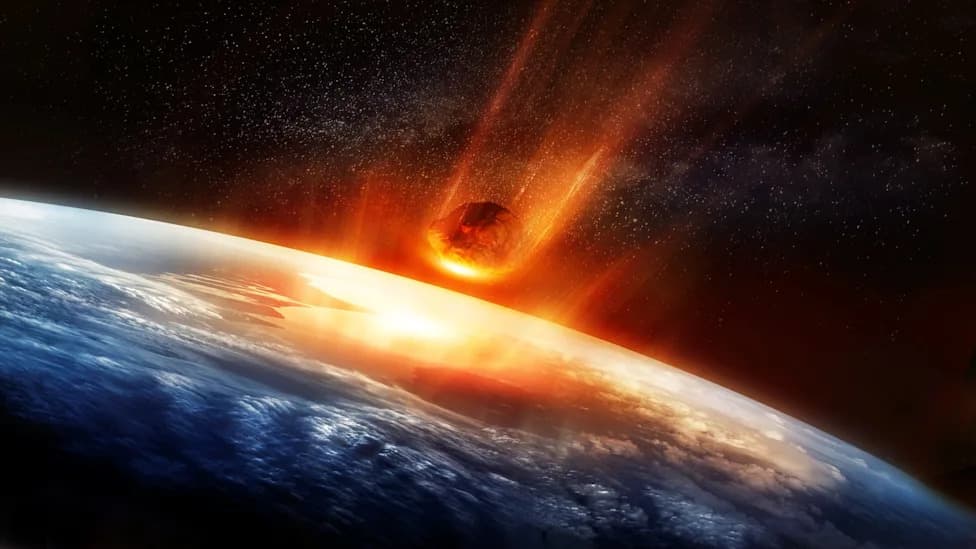
Photo Credit: Getty Images
Scientists have confirmed that a large, ring-shaped landform spotted on Google Maps by an amateur planner is the remains of a meteor impact that occurred roughly 390 million years ago. The roughly 15-mile-wide structure in northeastern Canada has now been verified through field evidence as an ancient impact crater.
How the Discovery Unfolded
Joël Lapointe first noticed the unusual circular depression while plotting hiking routes on Google Maps and, after failing to find any record of it in public crater databases, reached out to impact specialists. Though experts were initially cautious, a field team led by planetary geologist Gordon Osinski of Western University visited the site in October 2025 to inspect the feature on the ground.
Diagnostic Evidence
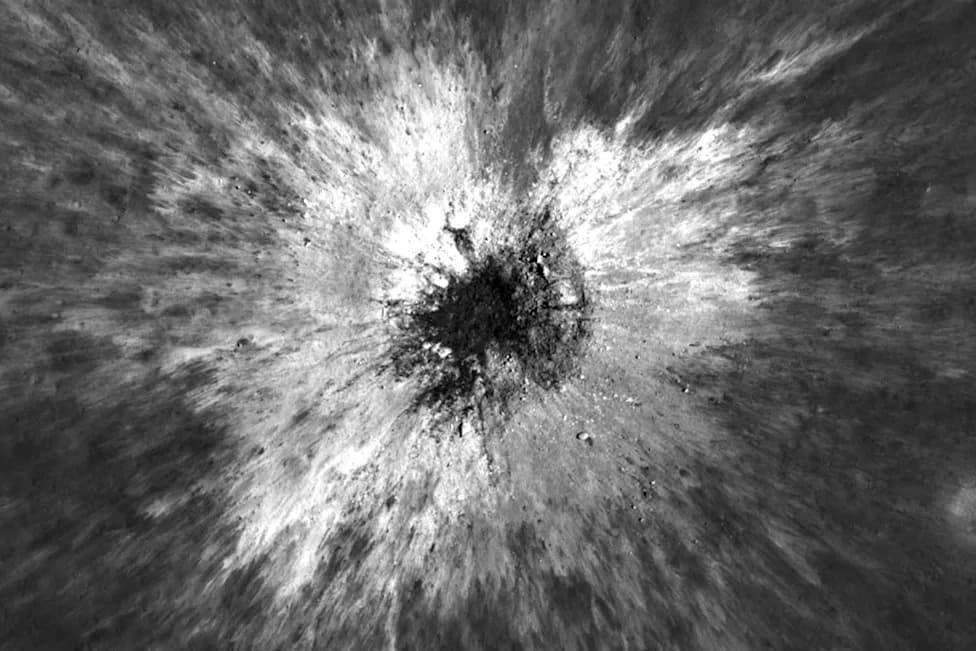
Researchers identified shatter cones and impact‑melt rock at the site—two diagnostic indicators of a high‑energy meteor strike. Those discoveries allowed geologists to confirm that the circular formation is indeed an impact structure formed hundreds of millions of years ago.
“It just goes to show, while 9 out of 10 or 99 out of 100 might not be [impact craters], there could always still be that one that will surprise you,” Gordon Osinski told CBC.
Naming and Next Steps
Following consultation with the Innu Council of Ekuanitshit, the newly confirmed structure has been named Uhackatik. The research team plans to present their evidence at the Meteoritical Society's 88th annual meeting in Germany this August, where peers can review the findings and add the site to the catalogue of confirmed impact structures.
Scientific Significance
With only about 200 confirmed impact craters on Earth and typically one or two new confirmations each year, Uhackatik is a notable addition because of its size and preservation. Such sites help scientists reconstruct Earth’s geological history and compare impact processes across planetary bodies where scars are often better preserved.
Help us improve.