Gray divorces—separations among people aged 50 and older—are rising across Asia as longer lifespans, demographic aging, and cultural shifts make leaving long marriages more feasible. Legal reforms in countries like South Korea (2014) and Japan (2007) that allow future pensions to be divided have reduced financial barriers for former homemakers. Many women report increased independence and improved well-being after divorce, even as older generations may still view separation as taboo.
“There Is Freedom”: Why Gray Divorces Are Rising Among Asian Women in Their 50s and 60s
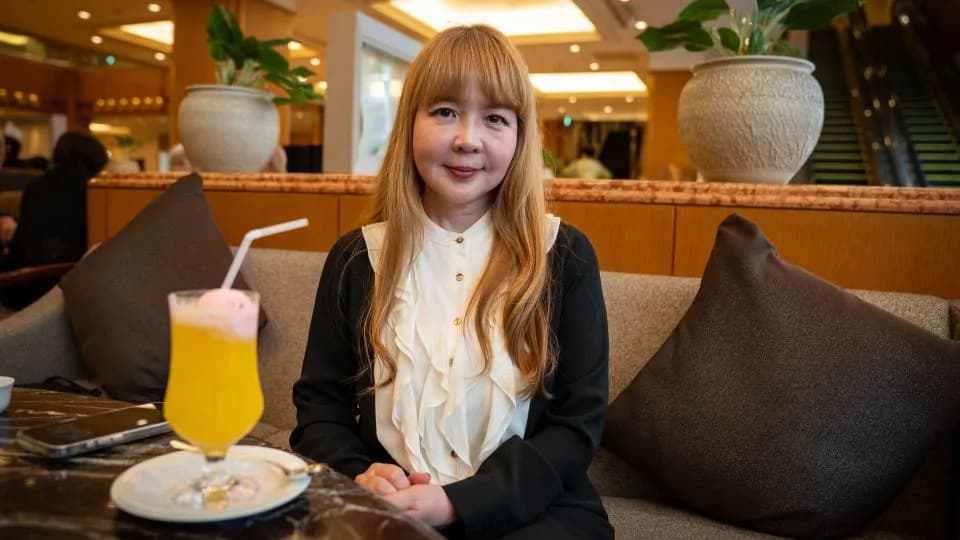
For women like Eiko Toyama, growing up in the 1960s and '70s, divorce was uncommon – and often met with judgment and shame. - Yumi Asada/CNN
Eiko Toyama waited 32 years before leaving a marriage she describes as controlling and suffocating. For decades she handled housework and childcare while also contributing financially, while her husband limited her social life and professional ambitions. When she turned 60 and her adult children no longer needed her care, Toyama seized a narrow window of opportunity. "I was nothing but happy (after the divorce). That was my only emotion," she says. "Above all, there is freedom."

Elderly people walk through a park in Shanghai, China, on April 10, 2021. - Qilai Shen/Bloomberg/Getty Images
Why Gray Divorces Are Increasing
Separations among couples aged 50 and older—so-called "gray divorces"—are rising across parts of Asia, including Japan, South Korea, Hong Kong, Taiwan and mainland China. Several forces are converging: longer life expectancies, demographic aging, changing cultural values (especially among Generation X), and legal reforms that reduce the financial risks of leaving a long marriage.
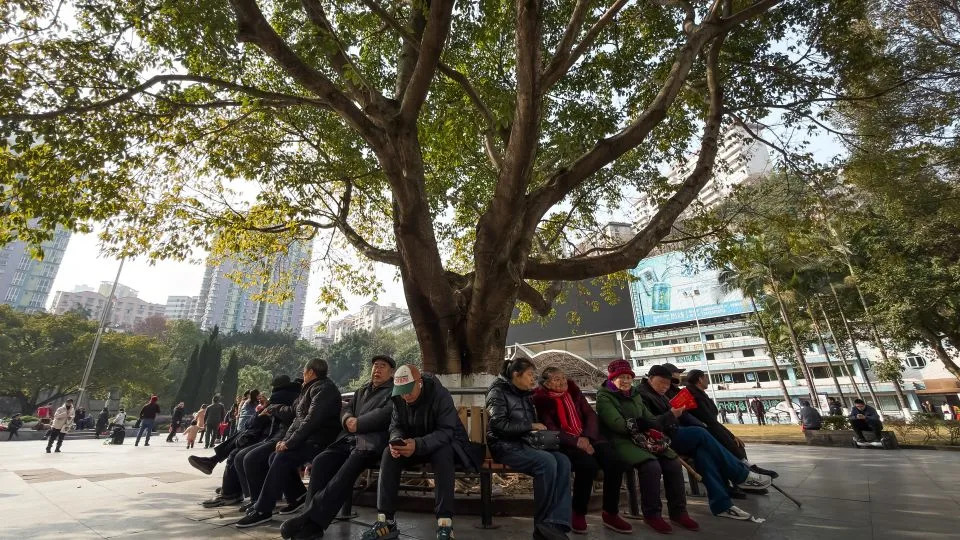
Elderly people sit on a circular bench surrounding a large tree in a public square, in Chongqing, China, on January 27, 2026. - Cheng Xin/Getty Images
Legal Reforms and Financial Safety Nets
Policy changes have made divorce a more viable option for many former homemakers. In 2014 South Korea allowed future pensions and severance pay to be considered in dividing marital assets; Japan introduced a similar approach in 2007. Those reforms mean spouses who managed the household can claim a share of long-term benefits that previously would have remained inaccessible.
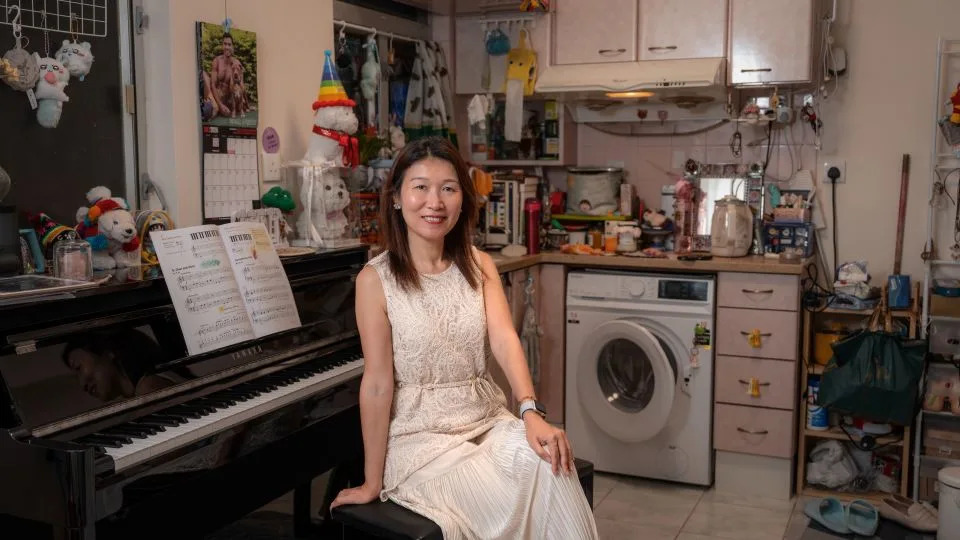
Iman Lau, 50, poses for a picture at her apartment in Hong Kong. - Noemi Cassanelli/CNN
Demographics, Longevity and Changing Expectations
As lifespans extend by decades, people are rethinking how they want to spend later life. Experts say extra decades create new expectations: older adults are increasingly unwilling to remain in unhappy marriages. At the same time, aging populations simply increase the pool of people in older age groups, which raises the number of divorces in absolute terms.
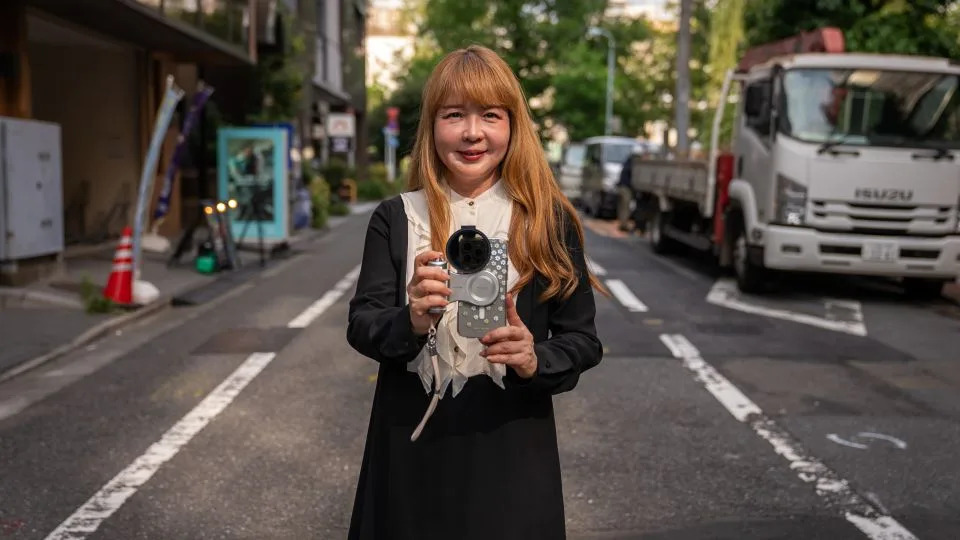
After her divorce, Eiko Toyama began livestreaming on TikTok. - Yumi Asada/CNN
Personal Stories: From Stigma to Self-Discovery
Personal accounts illustrate the shift. Toyama, now in her 60s, livestreams on social media, gives advice to followers and is launching businesses including a matchmaking and events company. Iman Lau, 50, from Hong Kong describes the divorce as both traumatic and liberating. After years of feeling like she "orbited around" her husband, she found new interests—hiking, music, travel—and a renewed sense of agency.
Social Reactions and Generational Divides
Reactions to gray divorces vary. Older peers often treat divorce as taboo or express sympathy as if mourning, while younger generations—especially Gen Z—are more likely to offer congratulations and encouragement. This generational split highlights shifting values about individual fulfillment versus family obligation.
Economic Risks and Gender Inequality
Despite reforms, deep gender inequality and high elderly poverty remain serious concerns. Among OECD countries, South Korea has the highest poverty rate for people over 65; Hong Kong and Japan also register elevated elderly poverty. Women who never built independent careers can still struggle financially after divorce, making legal protections and social support crucial.
What This Means Going Forward
Rising gray divorces could reshape elder living arrangements and welfare needs—more single-person households and potentially greater demand for social services. At the same time, many women describe improved well-being and a renewed sense of purpose after leaving long-term, unhappy marriages. Demographers expect the trend to continue until newer cohorts with different marriage behaviors (such as millennials) reach retirement age.
"Divorce is not a failure anymore — rather, it's the beginning of a new chapter," says sociologist Sangyoub Park.
Both policy makers and communities will face the challenge of balancing financial protections with social services to support an increasingly diverse older population.
Help us improve.