Archaeologists have uncovered a large fifth‑century Coptic monastery at Al‑Ruba'iyat, Al‑Qalaye, Hosh Issa, in northern Egypt, revealing 13 arched chambers used for living, storage, cooking and communal activities. Finds include pottery, column fragments, a limestone cross marking a prayer room and faded murals showing Coptic motifs. The complex appears to have grown in phases, indicating an expanding, organized monastic community, and the discovery sheds light on Egypt's transition to Christian monastic centers after the Ptolemaic era.
Vast 5th‑Century Coptic Monastery Unearthed in Northern Egypt — One of the Largest Known
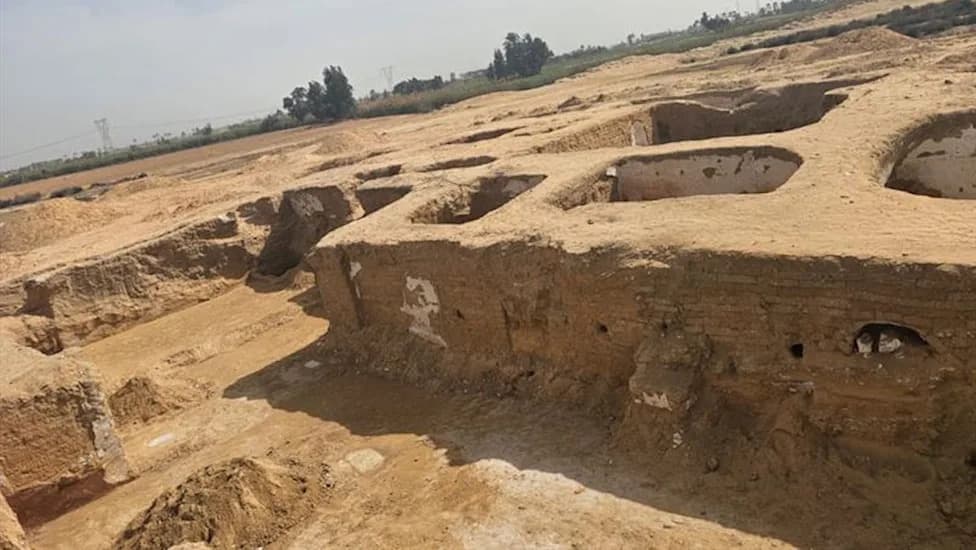
Photo Credit: Egypt's Ministry of Tourism and Antiquities
Archaeologists working in northern Egypt have uncovered the remains of a substantial early Christian monastery, offering a rare window into Egypt's post‑pharaonic religious life. Excavations in the Al‑Ruba'iyat sector of Al‑Qalaye, Hosh Issa, revealed a fifth‑century Coptic monastic complex that researchers say ranks among the largest monastic sites known from early Christian history.
What the Team Found
The dig exposed 13 arched chambers used for a variety of purposes: monks' living quarters, communal rooms, storage spaces, kitchen areas and larger halls for instruction and hospitality. Architectural signs show the complex grew in phases, suggesting the monastery expanded as its community increased in size and organization.
Excavators recovered pottery vessels and sherds, column bases and capitals, and a marble column. A prayer chamber identified by a limestone cross underscores the site's liturgical role. A large northern hall with stone benches decorated with plant motifs likely served as a guest reception area, pointing to a practiced hospitality toward outsiders.
Art, Daily Life and Material Culture
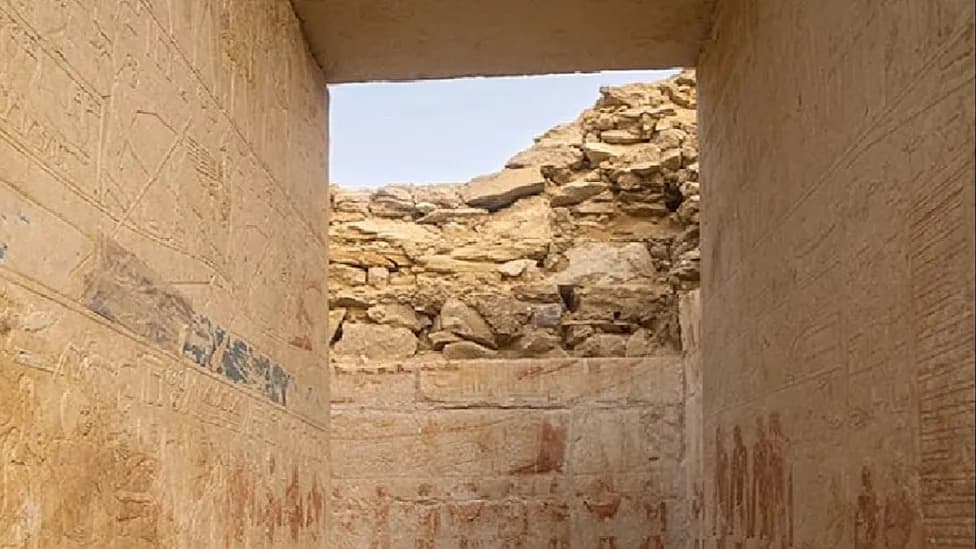
Fragments of wall painting preserve traces of Coptic decorative art: murals depicting monks, braided patterns, gazelles, foliage and eight‑petaled flowers in red, black and white pigments that have faded over time. Animal bones, seashells and food‑storage jars provide tangible clues about the monks' diet and provisioning strategies.
Historical Significance
The site illuminates a pivotal cultural transition after the Ptolemaic era, when Christian churches, monasteries and new centers of learning reshaped Egypt's religious landscape. By the fifth century, Egypt had become a center of Coptic art and religious life following the arrival of Christianity, traditionally linked to Saint Mark the Evangelist in the first century.
Research and Future Work
The excavation was led by archaeologist Samir Rizq Abdel‑Hafez and forms part of sustained efforts by Egypt's antiquities authorities to document early Christian heritage, as reported by archaeological teams and media outlets. Researchers are now cataloguing architecture, artworks and artifacts to better understand how the monastery functioned and changed over time.
This discovery builds on earlier work at Al‑Qalaye—where previous missions uncovered monastic cells, service buildings and pottery—and complements finds at nearby early Christian sites such as Ain al‑Kharab in the Kharga Oasis, where churches, cemeteries and a mural depicting Christ healing a sick person have been recorded. Continued excavation at these sites promises to deepen our understanding of Coptic art, monastic organization and everyday monastic life in Late Antiquity.
Help us improve.